





Talent Collectives
321 Action Action’s Brian Scotto Wants to Get Automotive Creators Off the YouTube ‘Hamster Wheel’

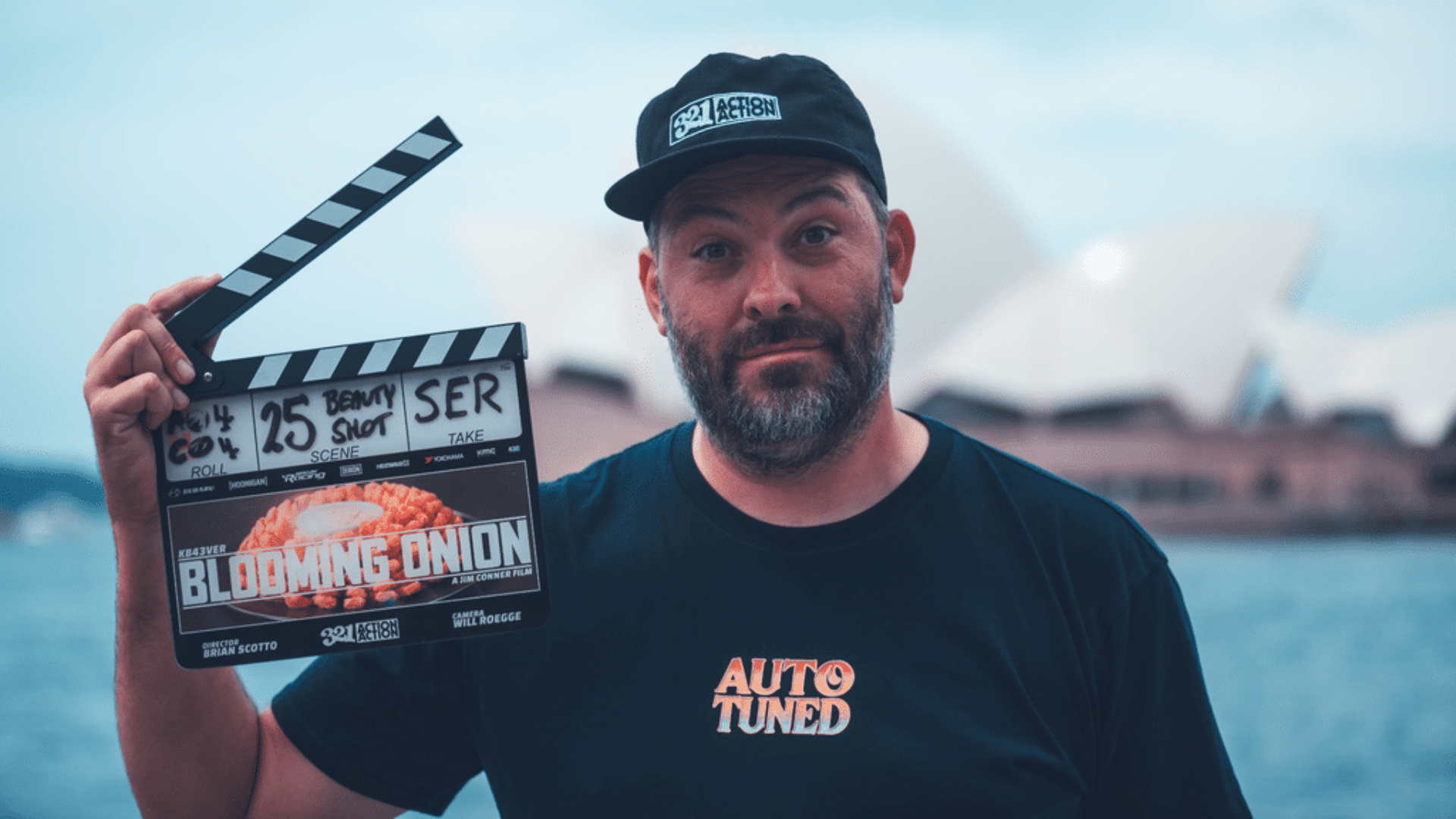
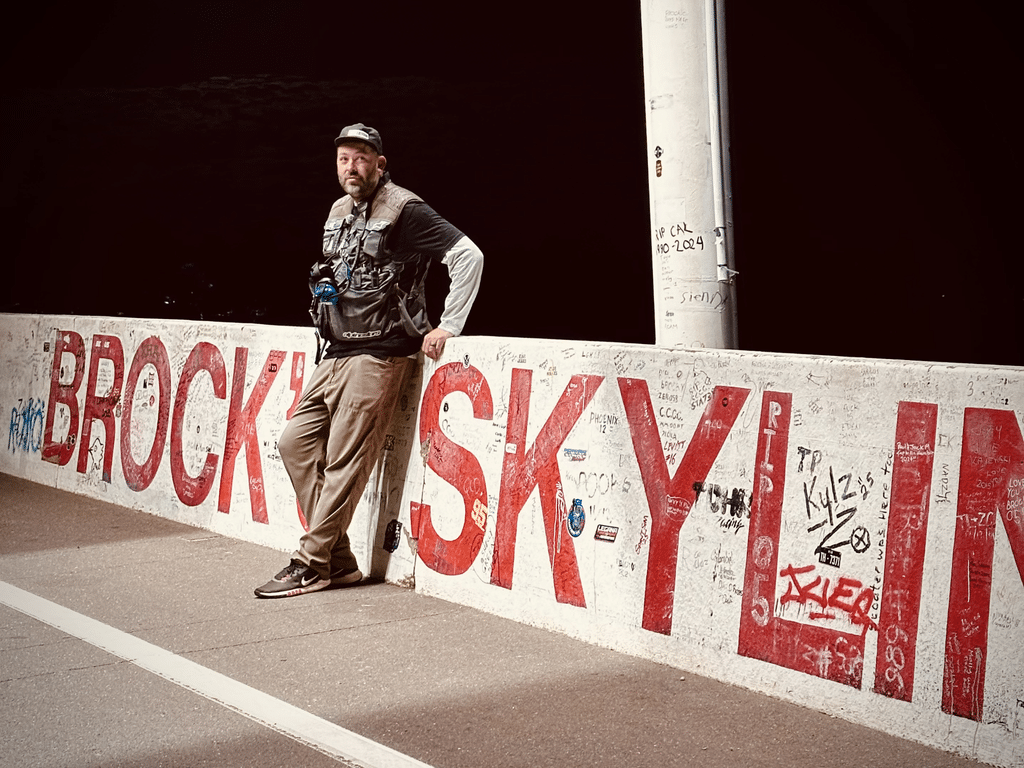
The Gymkhana films Brian Scotto directed at Hoonigan were once-a-year spectacles, a format he argues no longer fits a YouTube that rewards a repeatable show uploaded at the same time every day. That shift has left many automotive creators on a “hamster wheel,” with no time to attempt anything bigger. Brian’s answer is 321 Action Action, the production studio he now runs inside motorsports media group F=ma.
Brian hosts a podcast, and most of his friends are creators. “It’s always the conversation after the podcast is over, and it always is: how do I get off the hamster wheel?” he says. The creators who are asking describe a ceiling, with subscribers and views stalled for up to two years and no money to fund the next big idea.
That conversation shaped the studio. Brian founded 321 Action Action in Long Beach, California, in 2024, after about 13 years running Hoonigan, the company he co-founded with the late Ken Block. Of everything he did there, from apparel to events to a driver team, he kept the part that got him out of bed, which was coming up with ideas and executing them on set.
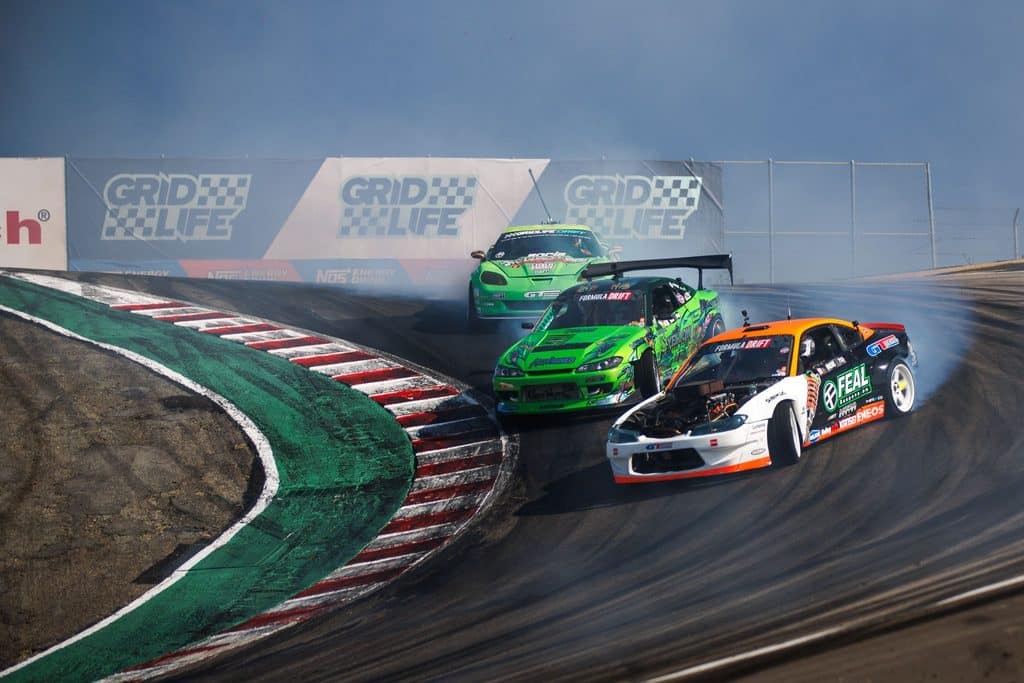
The studio serves automotive creators short on time and the brands that want their audiences. Under a deal announced in September, 321 Action Action keeps its own brand but becomes F=ma’s creative production studio for RACER, GRIDLIFE and The ID Agency, and Brian joins F=ma’s executive team. He describes the studio as a “special forces group” for projects too big or unwieldy for any one of those companies, while he builds a creator network that can plug into all of them.
YouTube Rewards Creators Who Can Do Everything
The need for that network traces back to what Brian calls a “land grab.” Between about 2015 and 2022, automotive creators moved to YouTube, and the biggest operated inside companies built like traditional media businesses, including MotorTrend, Hoonigan, Donut Media and Car Throttle. Brian says those companies are now gone or doing far less than before, a pattern he also sees at VICE Media, Vox and BuzzFeed.
What replaced them is a single-Creator Economy built on one or two people and a small team. “Running a 50 to 200-person company on YouTube didn’t really work as well,” Brian says. A solo creator also inherits the back office, from bookkeeping to copyright strikes, which in his telling makes it a 24-hour job.
The strain shows up at two levels. Creators who started during the pandemic are burning out within a year or two, or working 17-hour days because they cannot yet quit their day jobs. Those doing well feel trapped, and Brian hears them say that even when views rise, CPMs stay flat.
“What the platforms reward, in my opinion, are jack-of-all-trades creators,” he says. That means being good on camera, at editing, and at pitching an advertiser. The creators who lose out under that standard, Brian argues, are gifted storytellers with real followings who lack business skills, and that mismatch is the opening 321 Action Action is built around.
321 Action Action Takes On the Rest of the Job
Brian sorts the creators he wants to work with into three groups. All-rounder creators are good at everything but are at full bandwidth, so the studio offers them what he calls “an easy button.” Burnt-out creators with strong on-camera presence get production and business support, and personable creators without breakout ideas get a concept they can host.
“We want to go build something with you, and we’re going to do all the stuff you don’t want to do,” Brian says. He frames the studio as a decentralized version of the media-company model he helped build at Hoonigan, with a wider group of creators collaborating in place of one company’s staff.

Brian now develops ideas and casting in parallel, bringing creators in while a concept is still forming, so they help shape it. One wall of his office is covered with faces of people he works with or wants to, and he rearranges them to find pairings, often creators whose audiences barely overlap. When a brand brings a demographic target, such as under-25 viewers or an audience in France, he assembles several creators whose combined audiences reach it.
“The chemistry of people coming together, I think, always does better than the solo,” he says. A project built on several creators reaches several audiences at once, which raises the question of where it should run.
One Project Gets Cut for Every Platform
Where the work lives and who pays for it are the two questions Brian faces every day, and his answer to the first is to stay platform agnostic. “I can make a documentary that could live in six parts on YouTube, but operates as a feature doc on streaming,” he says. The same project could run on RACER or Netflix, with vertical versions for Instagram.
According to Brian, the data show little chance of moving viewers from their primary platform to another, so content has to go where they already are. RACER’s acquisition of MAVTV, which gave it linear streaming and an app, first drew him to the company when he was, in his words, “a creator without a distribution home.”
“While I have a love-hate relationship with YouTube, without YouTube I wouldn’t have the career I have,” Brian says. His complaint is that fewer creators now swing for the fences. “I think we’ve flattened a creative curve,” he notes. Spreading a project across platforms lets creators try an idea that would not fit their own channel without shutting down what they already do.
Endemic Sponsors Pay Without Breaking the Story
Paying for those projects is easier in automotive, Brian argues, because sponsors are often already in the shot. He puts the endemic market at $55 billion. “You’re building an off-road truck, and you are already going to put Toyo Tires on it because you like their tires,” he says.
A cooking show that stops to mention SimpliSafe cameras is more of a stretch, in his view. Brian’s favorite partners trust the content enough that audiences see them as the brand that made it possible, which usually means they are not asking for forced integrations. When a client arrives with an idea he considers cringeworthy, he returns with a different way to include the product.
“If the marketing’s the pill, just make sure the peanut butter is delicious,” Brian says. Even 14-year-olds know the word clickbait, he adds, and can tell when a partner pushes too hard. Some partners have stayed with him for more than a decade, and those relationships now run through more than one F=ma company.
F=ma Lets Brands Choose Their Entry Point
Most briefs reach F=ma through one of its individual companies, though a commercial team works across all four. A brand wanting full coverage might have The ID Agency build an activation at GRIDLIFE while 321 Action Action develops a show around it for RACER. One current client works with all four groups on separate projects, including a documentary series from Brian that does not yet have a home.
Those combinations draw on reach that F=ma CEO James Schiefer reports for the group, with RACER on more than 450 million devices and 1.5 billion impressions in 2025, and GRIDLIFE drawing about 110,000 attendees a year, roughly 70% of them under 35.
“We’re independent but united,” Brian says, adding that the four companies have their own CEOs and their own P&Ls. He argues that this avoids a pattern described by his staff who came from big agencies, where an agency lives and dies on its executive creative director. “I actually think that’s really good for the client because you’re going to get a difference of opinions internally,” he says.
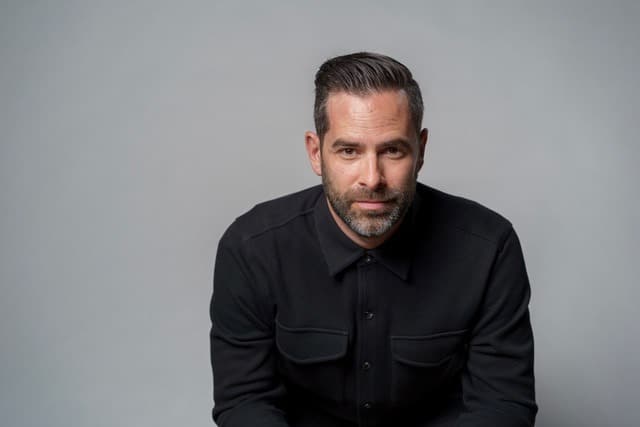
Photo: James Schiefer
Year One Comes Down to Proving the Model
Brian is in what he calls “selling season,” currently pitching projects and looking forward to moving into production in January. “My number one priority is just to make some really good stuff,” he says. For 321 Action Action, that means connecting with more creators and proving the model across platforms, mistakes included.
The model rests on a bet drawn from his diagnosis of the single-Creator Economy: creators with talent but no spare hours will make bigger work when someone else carries the business and production load.
Brian’s own track record is the sales argument he relies on. “Everything I’ve built to this day has always been sold on the project I did before,” he says.
Subscribe to Our Newsletter
Check Out Our Podcast