




Strategy
The Rise Of Precision Creators: Why Depth, Not Scale, Is Winning Online

A cohort of Ithaca College alumni has quietly built a playbook for sustainable creator-economy growth, pointing to a decisive shift: micro-niche specialization, platform segmentation, and regional content are outpacing general entertainment as pathways to influence and revenue.
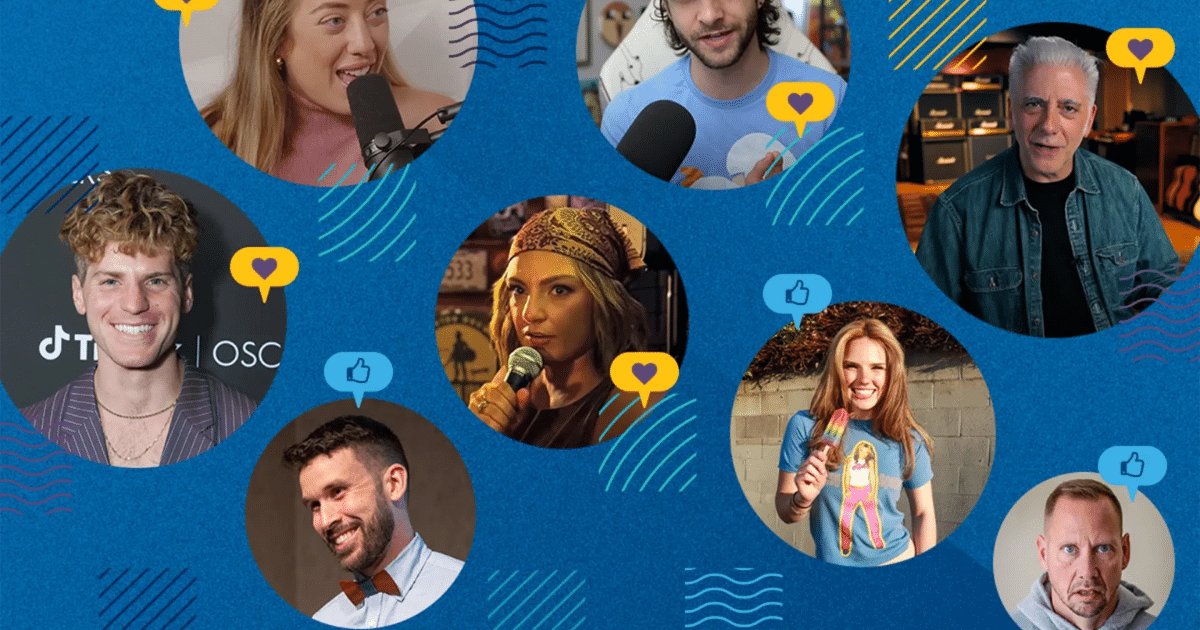
Across music theory breakdowns, anime commentary, regional culture content, and pop-culture interviews, five graduates have amassed more than 31 million followers, underscoring a broader industry trend: expertise and specificity now outperform broad appeal.

Their success aligns with recent ThriveCart research showing micro-niche creators command 3-5x higher rates than generalists and generate 47% higher engagement, as brands increasingly favor creators with targeted audience authority over scale-for-scale’s-sake reach.

“The market has stopped rewarding the loudest voice and started rewarding the most precise one,” the report notes.
Niche Authority, Platform Specialization, Local Depth
The alumni case studies reveal three differentiators reshaping creator strategy:
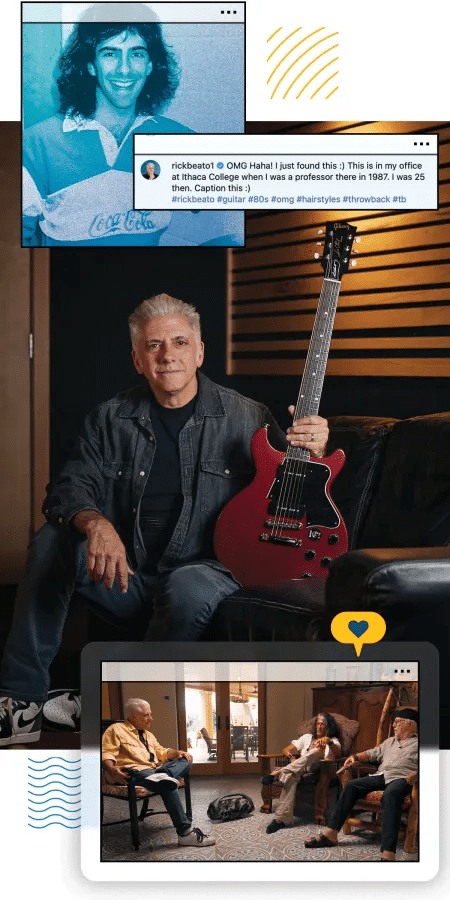
Knowledge as a Growth Engine – Music educator Rick Beato with 5.9M YouTube subscribers and 1.3M Instagram followers demonstrates that technical expertise paired with storytelling can build global reach from a niche domain. “You have to have a lot of knowledge to be successful and be a great storyteller,” Beato tells the college magazine.
Platform-Specific Content Architecture – Pop-culture commentator Louis Levanti tailors content pillars by channel, from reaction commentary to interactive games, fueling 2.4M TikTok, 282K Instagram, and 980K YouTube followers, while securing deals with brands including Barbie, Coca-Cola, and Absolut Vodka.
Regional Micro-Culture as a Moat – Taylor Rao’s “Two Buttons Deep” has turned upstate New York lifestyle content into a profitable local media brand, proving that geo-niches can build loyal community and advertiser demand without chasing mass-market trends.

While passion remains foundational – as podcast host Amanda Hirsch notes, “You cannot fake it” – timing and format selection amplified momentum for creators like Danny Motta, who turned a viral anime TikTok during COVID-19 into 1.3M YouTube, 493K Instagram, and 2.3M TikTok followers.

Universities Enter the Creator-Economy Race
Ithaca’s alumni success mirrors a structural shift in higher education. Syracuse University recently launched the first academic center dedicated to the creator economy, citing the need to train talent for a sector where nearly half of U.S. teenagers are now estimated to earn money online.
“The creator economy represents one of the most significant cultural and commercial transformations of our time,” said Syracuse Vice Chancellor Mike Haynie.
The institutionalization of creator skills suggests formal talent pipelines will soon complement and compete with platform-native learning and agency training.
The Next Phase: Precision Becomes Prerequisite
Even as 57% of Gen Z want to become creators, the data suggests only those who demonstrate evident expertise, audience alignment, and platform specificity will break through.
ThriveCart predicts a concentration cycle: “Success will increasingly concentrate among creators who understand and adapt to market dynamics.”
The Ithaca alumni case studies offer a blueprint: understand your niche, speak its language, and build community through depth, not noise.
Checkout Our Latest Podcast