The creator economy hit a defining moment in 2025.
The sector reached a quarter-trillion dollars globally, with U.S. influencer marketing budgets climbing to $37 billion, cementing creators as core economic actors rather than experimental add-ons. Major institutions such as Visa launched financial products specifically for creators; 70% of marketing leaders shifted to continuous creator partnerships over one-off campaigns; and brands began treating creator content as a strategic input to their paid media ecosystems rather than isolated experiments.
But growth exposed fault lines. The TikTok divest-or-ban saga highlighted platform vulnerability. Regulatory sweeps found most influencers failing to disclose paid partnerships. M&A activity rebounded as agencies consolidated, signaling that informal workflows no longer match the investment flowing into the sector.
2025 proved that the creator economy has moved from experimentation to permanence. The question now isn’t whether creator marketing works. It’s what the industry needs to leave behind to sustain that momentum.
We asked 77 industry experts, creators, agency leaders, and operators: What is one thing the creator economy should leave behind as we head into 2026?
With AI fatigue on the rise and anti-AI campaigns already emerging, social media marketers, creators, and brands should leave the overreliance on AI-generated content behind in 2025. Audiences already detect “AI-slop”, and brands that rely on AI-generated content will continue to erode trust. While AI has revolutionized how we ideate, conduct research, gather information, and automate production, human creativity will always win, especially with trust being a leading factor in brand loyalty. In 2026, brands should embrace original content versus overpolish, manual engagement over automated replies, and conversational content instead of commercial. Consistency will always be important, but intentionality is even more crucial. Brands need to commit to community-led experiences, content that reflects shared human experiences, and establish a unique voice and personality – not one that AI wrote for them.
I would love to see the industry release the obsession with vanity metrics as the primary marker of success. We’ve spent years chasing follower counts and viral moments, but the creators and brands winning long-term are the ones building real connection, community, and conversion. Views may spark awareness, but trust sustains businesses. I hope 2026 becomes the year we stop creating for algorithms and start creating for people. The year depth matters more than reach, relationships matter more than numbers, and creators feel empowered to measure success by impact rather than public perception.
One thing I hope the industry leaves behind in 2025 is the obsession with over-controlling creators. If a brand wants someone to read a script word-for-word, hire an actor or a UGC (User Generated Content) producer. But if you’re partnering with a creator, let them create. The whole point of this industry is trust, trust from the audience, and trust in the creator’s ability to communicate authentically. Give us the campaign goals and guardrails, and then let us do what we do best to make content that actually resonates according to and with compliance of the FTC (Federal Trade Commission) guidelines for partnering.
We should leave behind the cult of short term, vanity metric driven wins. Too much of the creator economy is still optimized for views, CPM (Cost per Mille) screenshots and one-off brand deals, instead of durable IP (Intellectual Property) that compounds. Chasing the algorithm of the week creates exhausted creators, shallow fandoms and fragile businesses that disappear the moment a platform tweaks its feed. In 2026, I hope we treat views as the trail, not the treasure. The real asset is ownable IP with a clear storyworld, recurring characters, and products or experiences that fans can actually hold, wear, play or attend. The question should shift from “How did this video perform?” to “What did this chapter add to the franchise we are building?” If we can make that mental shift at scale, creators stop being rented media inventory and start operating as next generation studios and brand builders.
Following count as the primary metric for creator selection. We are now living in a world where following count no longer signals influence. It’s a part of the equation, but it’s not the full picture. Brands need to move into 2026 focusing on community engagement and view through consistency when it comes to the influencer partners they select. Because the chance of that person hitting the “For You” page is much more important now than how many followers they have.
I hope we ditch the belief that creators can succeed without real business intelligence. No company in other industries would operate without knowing its customers, its funnel, or its true revenue drivers. Yet creators are expected to. Platforms gate the audience and drip-feed shallow metrics, leaving creators to guess their way through major decisions. Creators need actual insights, not vanity data.
As 2025 closes, let’s bury the tired clichés once and for all. The creator economy is not the “Wild West,” and creators are not universally “doubling their rates.” Those sound bites were never accurate; now they’re just noise in a market crowded with self-proclaimed experts, coaches, and hot-take newsletters.
The truth is far more uncomfortable: creator compensation isn’t rising or falling – it’s polarizing. We have seen top-performing creators commanding higher fees tied to measurable value, while much of the middle is being squeezed by saturation, shifting budgets, and inconsistent pricing logic.
What the industry needs in 2026 isn’t another headline or opinion piece – it’s structure. Standardized benchmarks, transparent compensation models, and a shared language for evaluating value. Not to flatten or homogenize the market, but to create clarity where chaos has been allowed to thrive.
If we want a healthier creator economy, the answer isn’t more opinions – it’s alignment. The creator economy has matured, but its infrastructure hasn’t kept pace.
2026 should be the year we stop debating and start building – because better results begin with a shared understanding of value.
The one thing I hope the creator industry leaves behind is platform dependency. Too many creators rely on algorithms instead of owning their audience, their community, and their monetization. The future belongs to creators who build assets they control – email lists, paid communities, and experiences that don’t disappear when a platform decides to tweak its feed.
Not disclosing paid ads and partnerships needs to be left behind in 2025. It’s simple to do and required by the FTC. I don’t care that you think it hurts engagement or reach, I don’t care what you think it does to the algorithm – if you’re working with a brand, toggle the partnership button ON. You owe it to your audience and they’ll only respect you more as a creator if you’re upfront about your brand deals. Full transparency should be the standard in 2026.
For too long, we’ve treated follower counts, views, and vague “reach” estimates as stand-ins for real performance. Those numbers might be easy to screenshot, but they aren’t meaningful for creators, brands, or investors trying to build sustainable businesses. What matters (and what actually drives long-term growth) is engagement that converts, community that lasts, and revenue that’s predictable and transparent.
As we head into 2026, I think the Creator Economy needs to double down on metrics that reflect real economic activity. Are creators building communities, not just audiences? Are brands and investors able to measure real returns, not just impressions? Are we rewarding creators who create durable value rather than whoever spikes an algorithm this week?
If 2025 was the year of vanity metrics losing their shine, let 2026 be the year we leave them behind entirely and replace them with standards that actually move the industry forward.
Let’s leave behind the obsession with judging influencer marketers purely on last-click revenue. That metric miscalculated the value that marketer has in the business and the revenue the creator actually drives.
In reality, these creators are fueling the top of the funnel for the brand’s most powerful growth engine: paid media – especially on Meta and Instagram.
The brands winning in 2026 will treat creators as strategic inputs to their paid ecosystem: sourcing content, lowering CAC (Customer Acquisition Cost), improving performance, and compounding efficiency across channels. Influencer marketing isn’t a silo anymore; it’s the backbone for paid media.
If there’s one thing I hope our industry leaves behind in 2025, it’s the obsession with vanity metrics. Too many brands are still making decisions based on follower counts and surface-level impressions instead of the real drivers of performance: creative fit, audience trust, and actual business outcomes. In 2026, we need to shift from “Who has the biggest reach?” to “Who can actually move people?” The future belongs to teams that value depth over noise and partnerships that are built on substance, strategy, and repeatable results.
One thing I’d love the industry to leave behind in 2025 is the need to over-script creators. When every word is pre-approved and every angle dictated, content stops feeling real and audiences tune out. The best results come when brands work in harmony with creators, developing ideas and concepts together so key messaging lands while the content naturally fits their feed. At RISER, we’ve found that a thoughtful briefing process helps give creators clear guidance without taking away their voice. Giving creators that space to interpret the story in their own way builds authenticity, strengthens engagement, and ultimately drives results. In 2026, I hope more brands embrace collaboration over control and trust that creators can bring both creativity and impact.
Opaqueness! We are all out there quoting the stat that Unilever are moving 50% of their marketing budget to creator marketing hoping it encourages other brands to do so.
This movement of budget is the biggest opportunity for our part of the industry and it’s TAM (Total Addressable Market), but it’s not going to happen until those higher up the decision chain (think CEO/CFO) can see evidence in the data that this is the bet worth making.
When that happens, we all win so it is something we should all be working towards.
I have a very simple answer for you, view guarantees.
They might sound fair on paper, but they always tilt the entire deal in favour of the brand, while placing all the risk squarely on the creator.
The way some brands use them is borderline exploitative. We’ve seen firsthand brands take the median count of a recent average and then create a VG (Video Guarantee) just north of it, so realistically the most likely outcome is they’ll get two videos for the price of one.
They encourage campaigns built on unrealistic expectations instead of creative strategy, and they punish creators for things outside their control; algorithms, timing, platform quirks, you name it.
Every creator I work with agrees, and so our agency doesn’t take them on.
What’s a fair alternative? A CPM model with a sensible cap gives both sides protection, clarity, and transparency without turning the creator into a “hostage”.
Two words. Late payments. Behind every creator is a business that runs on clear, consistent operations. Late payments create unnecessary friction and strain partnerships that should feel collaborative. As this industry continues to mature, one simple standard needs to be upheld: paying creators when promised – on time, every time.
The creator economy has evolved, and audiences demand authenticity, participation, and value. At Kingfluencers, we believe the future belongs to brands that build communities, not just campaigns. Real impact happens when digital culture meets real life: IRL (In Real Life) experiences that spark emotional connection, fuel storytelling, and flow back online as advocacy. Engagement isn’t a metric – it’s a relationship. Instead of chasing reach for reach’s sake, let’s measure what matters: trust, loyalty, co-creation, and long-term influence across the full customer journey. The brands that embrace this shift will win.
Do you know how many times I’ve heard someone say they love branded content? Never. Not once.
No one has ever said, “You know what I fancy tonight. A 14-part cinematic universe on the Skoda factory.” No one is cancelling plans to binge their favourite YouTuber so they can dive into Episode 7: The Torque Awakens.
People don’t wake up craving content from brands. They wake up craving entertainment. Laughs. Drama. Big personalities. Real stories. Actual humans doing interesting things.
So, brands shouldn’t be creating “branded content”, they should be creating “branded entertainment”. It’s completely different. Brands must start backing creators, powering formats, and investing in culture people already care about.
Look at gambling giant Betway. They didn’t launch a branded content series, they put themselves at the heart of Branded Entertainment by launching a 10-channel sports YouTube network – Clubhouse, giving the biggest names in sport their platform to build shows and grow a real organic audience relevant to the brand.
That’s the shift. Stop making commercials dressed as shows. Start fuelling the entertainment industry.
Social media best practice should drop followers and post engagement as a basis of picking the right fit influencers for brands, we should be leaving these metrics behind from leading the selection process. We have moved into the stage of communities and interaction. Influencers should be picked on how deep their connection is with their viewers and what unique value they have built to serve their audience.
I really, really hope the industry leaves behind the fascination with vanity metrics such as followers, likes, and other metrics that “look good”, but do not contribute much to objectives that move the needle. I believe by now we should already be aware that these metrics may be deceiving, especially when creators or media pages have a large number of followers that are bots. As the industry advances to using more sophisticated platforms and a deeper understanding of what actually provides a deeper and more profound impact for campaigns, marketing professionals should also cease looking at vanity metrics as metrics that matter.
I hope 2025 is the year we leave behind the idea that influencers can’t sell. For too long, influencer marketing was seen only as a branding tool, but today’s creators drive real, measurable business impact. With social commerce, affiliate programs, and creator-led retail, influencers have become a true sales channel. It’s time brands stop separating influence from conversion – the future belongs to those who connect creativity, authenticity, and data to move culture and sales.
Obsession with last-click attribution as the measure of influencer performance. It’s held this channel back for years. Influencer marketing is one of the few levers that builds both brand and performance – yet we keep forcing it into frameworks designed for paid ads. As a result, brands undervalue the creators who genuinely move the needle, and overvalue the ones who simply happen to sit closest to the conversion.
In 2026, the best teams will treat influencers as part of a broader attention and trust engine, not a slot machine. They’ll measure lift, consistency, creator resonance, repeat exposure, content potency, and the impact on their wider acquisition ecosystem. When you stop asking influencers to behave like billboards and start treating them like partners in growth, the channel finally performs the way it’s meant to.
I hope we leave strict, creativity-binding project briefs behind in 2025. Too many campaigns are built around rigid scripts and predetermined formats that leave creators with no room to do what audiences actually respond to: being creative, personal, and real. When brands dictate every beat, the content feels like an ad, and audiences scroll right past it. In 2026, I’d love to see more briefs evolve into partnership frameworks instead of rulebooks. Set the objective, define the non-negotiables, share the insights, and then trust creators to bring the idea to life in the way only they can. The brands embracing flexibility are already seeing stronger performance and deeper audience connection. It’s time to make that the norm.
One thing I would love to leave behind, especially in high demand quarters like Q4, is unrealistic deadlines — the expectation of high quality, well-thought-out content 24-48 hours after a product has arrived or an experience has occurred. Talent need time to build an authentic true opinion and experiment with different concepts for the most impact. Because as we all know, if it’s not authentic, it doesn’t work. Giving creators time to be creative — to ideate something that matches the brief and that they know will truly hit with their audience — is key to success for all parties involved.
BRANDS PAYING LATE. It’s time to leave chronically delayed payments behind in 2025, especially when brands are routing funds through third-party agencies and platforms. Some of the biggest retailers in the world, including Amazon and Walmart, routinely pay months past due, and creators are the ones who feel it most. Creators sit at the very end of the marketing payment funnel, yet they’re the ones driving the cultural relevance and performance that brands rely on. As we head into 2026, we need to flip the script: normalize on-time payments, shorten net terms, and treat creators like the essential partners they are.
As we move into 2026, it’s time for the livestreaming ecosystem to move past an overreliance on blunt viewership metrics like average concurrent viewers, total followers, or raw hours watched. These numbers capture reach but miss the heartbeat of a channel. Average viewership is especially misleading in dynamic live environments: it smooths out spikes, ignores session variability, and can reward passive background viewing as much as active attention. Followers are an even weaker proxy for influence due to platform churn and dormant accounts.
Brands and agencies should instead prioritize engagement quality and attention. Metrics like chat velocity and unique chatters per minute, audience retention across segments, peak-to-trough stability, and median viewer session duration offer a clearer picture of a streamer’s ability to hold and activate an audience. Add interaction depth – poll participation, link CTR (Click Through Rate), conversion lift during live reads – and you start measuring what truly drives outcomes.
You can’t build a modern creator strategy on legacy media math. It’s time to let go of “media equivalence performance” as a way to evaluate influencer work. Comparing creator content to traditional media spend is flawed. It is a completely different delivery system with different levers and different forms of value. The same myth shows up when we treat follower count like a predictor of performance. An audience doesn’t convert just because it exists; if the content doesn’t land, the reach (and the transactions) won’t either.
But the misconception we really need to leave behind is the idea that creators are casual side hustlers. The great ones are managing teams, processes, technology, and deliverables with the same rigor you’d expect from any strategic partner. When brands understand this level of operation, collaboration becomes smarter, briefs become tighter, and the work improves significantly. Respect the business behind the creator, and you’ll unlock far better outcomes.
What I hope we leave behind is the fear that AI will dilute influencer authenticity. Our latest URLgenius Creator Trend Index shows that 44% of creators already use AI weekly, and most of them say it actually boosts their productivity and creative confidence. AI isn’t replacing the creator’s voice; it’s giving them more space to use it.
Creators today have to be incredibly nimble, and many now earn across multiple channels, which means they’re managing far more than just content. When AI lightens the load on analytics, routing, or workflow, it frees them to focus on what audiences truly respond to: their point of view.
And the biggest unlock ahead? Understanding how audiences move across apps, platforms, and moments, and then removing the friction that steals engagement. AI doesn’t replace the human element; it supports it, giving smaller creators the clarity larger teams take for granted. In 2026, I hope creators and brands see AI not as a threat, but as infrastructure. Let the tech handle the complexity so they can stay true to their voice.
I hope the industry finally leaves behind the idea that influencer marketing is a one-and-done gimmick. Too many teams still treat it like a Hail Mary. If a campaign doesn’t instantly go viral, they assume the channel “doesn’t work.” In reality, influencer marketing deserves the same scientific approach that marketers apply to paid media. The brands that win are the ones using influencer campaigns to collect data, understand how audiences respond to their content, refine their messaging, and scale what works. The moment we start viewing influencers as a consistent, optimizable distribution channel rather than a lottery ticket, the entire industry will see better results.
Browser-based, client-side pixel tracking as the source of truth. We run influencer campaigns delivering 30% top-line growth and 50%+ above affiliate targets – but traditional tracking shows almost nothing. iOS, Firefox, Safari, and ad blockers broke client-side pixels years ago – and for those of us running influencer through affiliate, last-click attribution compounds the problem. The campaigns aren’t failing. The measurement is lying. Influencer drives awareness, downstream partners close the sale – that’s the customer journey working. But without server-side tracking, brands can’t see the connection and end up cutting the very campaigns feeding their entire ecosystem.
I anticipate that leaning into creators solely for B2C (Business to Consumer) efforts will be left behind in 2026 as B2B (Business to Business) creator partnerships accelerate. 2025 proved that B2B audiences now trust and engage with individual experts the way previous generations followed news anchors or trade publications.
Creators offer what traditional channels struggle to deliver: relevance, specificity, and human connection. B2B buyers want guidance from people who sound and work like them and understand their world. That’s why Microsoft tapping Alix Earle to explain Copilot resonated so widely – creators help translate complex ideas into everyday language.
B2B brands are discovering that creators don’t just widen reach; they deepen understanding and give B2B stories a human rhythm that people want to follow. Creators are becoming the new anchors of business culture; the B2B brands that lean in now will shape the future of how influence, trust and innovation move our industry.
I would leave behind the idea that influencer is the “nice to have” or step-child marketing channel. With creator ad spend hitting $37B in 2025, it’s time for brands to treat it like a real marketing channel that’s providing real value. That means brands investing in talented, dedicated marketers to run the programs full time, with budgets and room to grow and experiment. Gone are the days of having a part-time intern or spread-to-thin social media manager trying to effectively stand up and scale a massive revenue driver.
Unrealistic timelines. If a brand/agency is upfront about a tight timeline, and the creator agrees to that turnaround, it should be respected by both parties. If my client sacrifices their weekend to hit a self-imposed go-live, but the review process takes us beyond that date, it proves to be a frustrating process. Would love to see more respect for production workflow in 2026.
It’s time to leave behind one-off partnerships disguised as strategy. The industry needs to drop the idea that a single post from one creator or a one-week campaign can drive meaningful, lasting impact. Think about episodic and serialized content that will keep consumers engaged and coming back to watch more over a longer period of time. Find a team that will help you architect an influencer-led campaign where there’s constant learning, testing, evolution, and repeat partnerships to earn audience trust.
In 2025, we must leave behind the narrow view that influencer and creator marketing is solely an “Above the Line” awareness play. This framework is a disservice to the channel’s true potential. The reality is that strategic collaborations with creators can and should feed every stage of the marketing and sales funnel, from initial discovery to final conversion. By embracing data-core strategies, rigorous measurement, and performance-driven campaign structures, brands will finally unlock influencer marketing’s full potential.
One thing I hope the industry becomes more mindful of in 2025 is the real production costs that creators take on. While I totally understand that creator and influencer pricing can run the gamut, and for an ROI-driven (Return on Investment) campaign brands and agencies have to look at their bottom line and what they will get in return for their creator activation but, at the end of the day, great production comes with a cost in addition to the cost of reach and engagement.
High-quality work will always pay for itself, but we can all be more cognizant of this when working with creators. In any given deal with a talent you are getting a director, producer, actor, voice over actor, strategist, storyboarder, location scout, costume designer, make up artist, editor (and the list could go on and on and on) all in one. On a traditional production those costs would balloon very quickly. Creators have managed to package it with a bow, but should also be compensated for the skill set and expertise that make it possible.
One thing the industry should leave behind as we head into 2026 is a lack of diversification across social platforms. Too many brands stick to the same channels and miss opportunities elsewhere. Every platform has its own strengths and audience, and even ones that get overlooked, like Facebook, can deliver strong results if used strategically. According to the Later 2025 State of Influencer Marketing Report, Instagram excels when it comes to lifestyle and visual storytelling that converts engagement into commerce, while Facebook remains effective for precise reach, such as promoting a local event.
Brands also need to stop treating Creator Marketing as one-off campaigns. Creator programs should be ongoing, not short-term experiments. Long-term programs create greater connections with audiences, and the data shows it works. According to Later’s recent report, 70% of leaders have shifted to continuous partnerships with creators and integrated Creator Marketing as an always-on part of their marketing strategy.
Brands should take influencer marketing seriously and invest accordingly. Creators are consistently outperforming traditional channels and connecting more deeply with audiences. In 2025, 47% of brands increased their investment in this space. If you’re not prioritizing influencer marketing now, you risk falling behind your competitors.
We’re entering a phase where social is no longer the final destination, but simply an entry point. For years, brands treated social as a closed loop: post, measure, repeat. But the most compelling use of social in 2026 will be to spark something that happens off the feed.
We’re already seeing the shift: creator-driven experiential moments, social content screenings, exclusive IRL drops for digital community members, and online communities turning into real world gatherings. Social is becoming the trailer rather than the full film.
The brands that win will be the ones that collapse the gap between online and offline. Cultural relevance deepens when people can experience it: in a room, with other people, in a shared moment they’ll remember. As people crave less scrolling and more connection, the smartest brands will use social as a gateway to something real, not just something to watch.
I hope the industry finally leaves behind the obsession with isolated performance metrics in 2025. We have spent years optimizing for clicks, views, and cost-per-anything, while ignoring the more important question of whether the work actually builds meaning and long-term value. The focus on micro-optimizations has turned marketing into a numbers game rather than a craft rooted in human understanding.
As we move into 2026, I want to see brands stop chasing incremental efficiency and start building real affinity. The companies that win will be the ones that treat performance as a byproduct of clarity and creativity, not a substitute for them. Great work should move culture, spark conversation, and make people care, not simply pass an algorithmic test. If the industry can release its dependence on shallow metrics, we might finally return to making work that matters.
In 2026, I would love to stop sending overly prescriptive creative briefs to partners. It is time to leave behind the rigid, mandated talking points that strip content of its authenticity and force creators into unnatural scripts. These unnatural narratives are instantly recognizable to influencers audiences and overall they damage audience trust.
Instead, brands should embrace genuine creative collaboration, treating creators as strategic partners. This also demands that influencers step up and advocate for their creative vision as well as dedicate the necessary time to co-develop campaigns they are genuinely proud of. When the creator is given shared ownership and the freedom to interpret the brand message through their unique lens, the resulting content is more impactful, resonant, and ultimately drives better results for all parties involved.
One thing I hope the industry leaves behind in 2025 is the obsession with vanity metrics. Too many decisions are still anchored in follower counts, surface-level engagement, or one-off viral moments. As we head into 2026, we should be prioritizing creator quality, consistency, and measurable business outcomes. The brands winning today understand that creators are part of the growth engine, not just a media buy and they invest in transparent frameworks that connect creator output to real performance. It’s time to shift from “who looks big” to “who actually moves the needle.”
We hope the industry leaves behind, or at least deprioritizes, follower counts. The follower era is over: it’s now a vanity metric. Everyone has an equal opportunity for performance with algorithms, which continue to change the landscape considerably. What matters now is consistent engagement, view times, shares, and content that gets viewers to “stop the scroll.” Does the video have a hook? Does it master the art of grabbing attention in those critical first three seconds? Opinions, questions, problems, and opening statements that inspire curiosity are surefire ways to spark interest, especially when paired alongside strong visuals, text, or audio.
I hope 2025 is the year we finally leave behind blind seeding – the “spray and pray” approach of sending out products and hoping creators will post. It’s inefficient, it erodes trust, and it misunderstands how real influence works. As we move into 2026, I want our industry to embrace personalization at scale. We’re now able to activate hundreds, even thousands of creators at once while still matching the right product, story, and values to the right individual. When creators feel seen and respected, posting rates climb dramatically, engagement becomes authentic, and brands build real advocacy instead of noise. The future isn’t about sending more; it’s about connecting better.
We need to leave behind “feature marketing” and move to “use-case marketing.”
In B2B, SaaS (Software as a Service), and AI, every product announcement sounds the same, another upgrade, another toggle, another productivity multiplier. Buyers are numb to the noise. The future belongs to teams that tell memorable stories about real people using the product in their actual workflow (and bonus if done through creators). At Creator Match, we build and scale creator programs for B2B, SaaS, and AI companies, and we are already seeing this change play out. When a real engineer or marketer shares how a tool changed their day, conversions spike, time to value clicks faster, and brand affinity skyrockets. In 2026, the brand winners will not be the ones with the most features, but the ones who make customers believe the transformation is possible through creators who have already lived it.
78% of consumers have been introduced to a new brand by a creator 71% of consumers have bought a product based on a creator recommendation 68% of consumers trust creators more than brands
Principles remain the same, practices change, and the rise of a new generation of storytellers and platforms has opened new paths to consumer connection and conversion. History tells us that media dollars are always slow to follow evolutions in consumer behavior and attention. But why? Why don’t we adapt faster? Why don’t we give people what they want – compelling stories that speak to them, that make them feel something, that inspire them to act? Why don’t we ensure those stories are seen at scale?
If you are a brand that wants to grow and you are not working with creators, the question you need to ask is “can you afford not to be?”
I hope we leave behind talent reps who collect a commission without actually earning it. Too many creators are partnered with managers who take 20 percent but don’t strategize, don’t develop, and don’t do the real work of building a career. That’s not representation. In 2026, I want to see managers who show up as true partners, people who shape long-term vision, open doors, and help creators’ dreams come true. Creators deserve someone who is investing in them, not coasting beside them. Leave the percentage collectors in 2025 and bring on the builders.
One thing I hope we leave behind in 2025 is the expectation that creators have to be always on while ignoring the invisible labor behind their work. Creators ideate, film, edit, manage production, and stay chronically online while being the face of their own brand. A lot of that work does not show up in a post or a metric. I think we will see more creators adopt the idea that content has seasons. Creators like Grace Wells and Nicole Rafiee already operate this way because their most sought-after formats are one-of-a-kind and time-intensive. They will not sacrifice quality by pumping out volume, and that intentionality creates a limited-supply and high-demand dynamic rooted in creative integrity. In 2026, I hope we recognize the real workload behind creator content, giving creators room to rest and support quality by tailoring workflows to the creator.
I hope we leave behind the chase for flash-in-the-pan content. Too many creators get pulled into engineered virality or shock value because they spread quickly, not because they add anything of value. The work that matters comes from creators who stay rooted in substance and make things they’re proud of, and that fill their creative cup. When the motivation shifts back to good content and good influence instead of cheap spectacle, the ecosystem becomes more respectable, sustainable, and worth building in.
Talent seeing themselves primarily as content creators, rather than full-fledged businesses, and treating content as the goal, not the means to an end – an organic customer acquisition channel for their own products and services to build and scale a sustainable business.
Focusing on the content creation treadmill and catering to the all-mighty “algo”, instead of leveraging it to grow an independent, fully owned business, leads to an overreliance on social platforms they don’t own, and anxiety-inducing, elusive algorithms, inevitably resulting in burnout and inconsistent revenue.
Chasing surface-level metrics, like view, follow, and subscriber counts, to land brand deals as the main, and often only, revenue stream isn’t a strategy. Short-form virality should be considered a part of the system – top-of-funnel awareness and discovery – funneled to long-form content, such as podcasts, to display authority and expertise, foster trust, and filter higher-quality audiences to monetize directly and land better brand deals.
I would love to see the end of brands ghosting creators when it comes to paid partnerships and collabs. This is one of the only professions I have ever been in where companies (worth millions of dollars!) will approach creators to work with them, only to ghost those same creators mid-way through negotiations. We should normalize marketers and agencies professionally finishing these conversations, instead of leaving creators hanging and wondering what happened or how they can improve for next time. Let’s make 2026 the era of communication!
As someone still relatively new to the scene I believe I still have a lot to learn, but I strongly believe that both creators and brands should aim to be more transparent whenever possible. I believe that creating an authentic landscape and community is really important to growing over the long term. Regardless if you’re a creator or a brand. People want to be involved in your growth and want to support you, and it’s very hard to do if you’re building a wall between you and your community.
Both consumers and creators strongly benefit from sharing info, being transparent and authentic is essential that benefits everyone. I hope that the community continues to openly share information between one another so everyone can grow together.
I hope the industry finally leaves behind the idea that only youth sells or that women over a certain age should play small online. Women over 40 hold massive buying power, confidence, and real influence; and it’s time brands recognize that visibility and impact have no expiration date.
I’d love for the industry to leave behind the habit of executing campaigns in “good faith.” Too often creators are expected to begin producing content, and even publishing that content on their socials, without a fully executed contract, which exposes them to unnecessary risk. As we move into 2026, I hope to see legal departments and agencies prioritize thorough redlines, timely contract execution, and stronger protections up front. Creators should never be expected to work without formalized agreements in place.
One thing I hope the industry leaves behind in 2025 is the over-reliance on surface-level metrics as the sole indicator of value. CPV/PM (Cost Per View/Performance Marketing) can be helpful benchmarks, but they don’t tell the full story of cultural influence, audience trust, content quality, or a creator’s ability to build real connection with a brand.
Creators aren’t just deliverables, they’re culture carriers. Their impact often shows up in community language, trends they spark, and the way their audience adopts ideas and aesthetics long before it shows up in measurable conversions. As we move into 2026, I’d love to see brands evaluate success more holistically, factoring in quality, creativity, cultural relevance, niche authority, and the lasting impact creators have on how audiences think about a brand. Metrics matter, but the meaning behind them often matters more.
One thing I hope we leave behind in 2025 is unclear or incomplete campaign goals. When brands clearly communicate what success looks like upfront, whether the focus is awareness, conversions, community building, or testing new messaging, it gives us the ability to match the right creators, set realistic expectations, and build a strategy that actually supports the objective. Clear goals lead to better execution, stronger alignment, and partnerships that feel collaborative instead of transactional. As we move into 2026, I’d love to see more transparency and intentional communication so both creators and brands are truly set up to win.
I’d love to see our industry move away from ghosting talent managers. I understand everyone’s inbox is overwhelming, but having been on the brand side myself, I always made the effort to reply, even if it was just a quick, “We’ll pass this time, but let’s stay in touch.” A brief response goes a long way in helping us confirm the right point of contact for future opportunities.
One thing I hope the industry leaves behind in 2025 is the expectation of last-minute turnarounds without proper notice. Creators are often juggling 10 to 30 active campaigns at any given time, each with its own strategy, content plan, and approvals. When brands suddenly say content is due tomorrow or assign unplanned live dates, it creates unnecessary stress and makes it harder to produce the level of quality everyone wants. We need to normalize realistic lead times and proper scheduling. Live dates should be locked in when the partnership is confirmed, not assumed or dropped in at the last minute. Leaving unrealistic timelines behind will lead to better collaboration, better content, and a healthier creator landscape in 2026.
As we move into 2026, the creator economy has an opportunity to shift away from short-term spikes in attention and toward long-term community value. At Bigo Live, we’ve consistently seen that sustainable growth comes from meaningful interactions and real-time relationships between creators and their audiences. By focusing on depth, trust, and diversified paths to success, the industry can support healthier creator careers and a more resilient ecosystem overall.
One thing I hope the industry leaves behind is treating influencer/content marketing as a test budget. In 2026, it’s not if we should use influencer marketing – it’s: how should we grow it? We’ve tested enough and know that influencer marketing works, especially when done right. Now the focus needs to shift toward evolving how we partner with creators in a way that feels human and allows brands to show up genuinely with consumers in the age of AI.
We’re leaving behind the idea that influence comes in one size. More and more, we’re seeing that real impact isn’t about hitting a follower count, it’s about who aligns, is authentic, and who actually feels right for the brand. Some of the most impactful results come from micro and mid-size creators who connect with their audience genuinely and show that meaningful influence doesn’t always come from the biggest platforms.
In 2026, one of the most important shifts in creator marketing will be moving from passive views to active participation. A view does not guarantee attention; it simply means the algorithm allowed content to appear on someone’s screen. Brands are beginning to recognize that community participation is the more accurate indicator of real influence. StreamerDap was built around this understanding. Watch parties and live interactive moments reveal genuine audience intent by showing who showed up, who engaged, and who stayed. Participation reflects who truly cares, not who scrolled past. The next era of creator marketing will favor brands that design experiences people actively take part in. Participation is becoming the metric that matters.
I hope we leave vanity metrics behind in 2025. The industry has spent years obsessing over impressions and clicks, even though everyone knows they aren’t a proxy for real attention, and definitely not for impact.
What matters is where people actually are and how deeply they care. Creator communities with real-time conversation are where engaged attention lives. You can’t compare someone clicking a link and bouncing two seconds later to thousands of people spending hours with a streamer they trust. Those aren’t the same thing, and they shouldn’t be measured like they are.
As we head into 2026, I’d love to see the industry stop pretending all attention is equal. It’s not. Community is the differentiator. If brands want to stay relevant, they need to show up where attention is genuinely engaged, not just where the metrics look neat on a dashboard.
I hope we leave behind the habit of pretending super polished ads still run the show. People scroll right past them. The stuff that actually makes someone stop is real creator content that feels natural and fun.
Brands stick to old habits because it feels safer, but it slows them down. The minute they stop treating UGC like a backup plan and start giving it real space, things move smoother. The teams that lean into this are the ones that end up winning anyway.
Leave behind the idea that you’re selling a product – this goes for brands and influencers alike. You’re not selling yet another thing that your customer base likely doesn’t need. They don’t care, and they’re too smart to fall for it. Niche down your suggestions to be thoughtfully curated, and consider how the customer wants to feel. What do they achieve by purchasing something from you? They aren’t buying a Tonies box for the screen-free entertainment. They are encouraging more belly laughs from their 3-year-old daughter who loves singing with Elsa while spinning across the living room. While we leave the hard-sell behind, I hope to see the industry tether to moments, feelings and experiences that build actual connections.
As we head into 2026, we must leave behind rigid ideas of A/B creative testing on social platforms and embrace a more fluid, signal-based optimization model. This legacy methodology is too restrictive for modern social algorithms; enforcing strict testing parameters starves a system designed to factor multiple inputs into its approach.
We can embrace this modern buying mode by connecting campaigns to accurate, business-aligned data and providing diverse creative for optimization. Inputting multiple creatives (of various sizes and types) allows the algorithm to personalize the content to the individual user, instead of forcing a fixed A/B choice for all. By trusting platforms to handle testing and optimization based on strong signals and the right data, we can enter into the new age of testing frameworks.
Gone are the days where celebrities are the gold standard for creator relationships. Creator-led economies are evolving, as we are starting to see AI, new monetization models, and platform innovation are empowering micro and mid-tier creators to build “mini-brands” through subscription communities, tokenized memberships, and exclusive content. This is shifting commitments from endorsements to true, community-driven ventures.
Brands see stronger impact from collaborating with niche creators who participate in their communities, not from celebrities with broad but passive audiences. Despite creators accounting for nearly a quarter of social budgets last year, many brands (81%) are still “starstruck,” chasing reach over relevance, according to our research. By contrast, we found that leading social-first brands are investing heavily in micro creators, and almost half (48%) get the strongest returns from working with them.
In 2026, brands that shift away from the celebrity-as-creator thinking and invest in trusted creators with real communities and influence will flourish.
The creator economy will shed its old identity as we head into 2026, and will further evolve into the expert economy: where online entrepreneurs thrive by building and scaling their businesses through sharing their expertise. This new landscape will no longer be measured by likes, follows, or views. AI democratizing content creation means that anyone can push out content in a matter of seconds, saturating the space. This makes it more important than ever for online entrepreneurs to move beyond basic content and keep authenticity and knowledge-sharing at the heart of all they do – the driving force behind the expert economy.
One thing the industry should leave behind in 2025 is the idea that worthy engagement only happens where everyone can see it. Community-based marketing is on the rise, and the most meaningful conversations are shifting into private, niche environments. Think DMs, small groups, and closed, exclusive communities. While engagement as a metric isn’t going anywhere, how and where it shows up is changing fast. The next wave of successful marketing will come from tapping into these intimate spaces and deepening connection, all while staying ahead of where audiences are actually choosing to hang out in 2026.
A mindset that needs to stay in 2025 is viewing creators as simply “influencers,” which often belittles the depth and legitimacy of their careers. Today’s creators are entrepreneurs running startup media businesses and actively looking for ways to grow and scale – something we’re very familiar with at HubSpot. In 2026, brands will get the most out of creator marketing when they recognize creators as strategic partners and valuable collaborators.
One thing the industry needs to leave behind in 2025 is the idea that speed automatically equals good content. We’ve spent too much time pushing out assets simply because they’re fast, not because they’re right. In 2026, production needs to stop being treated as the final checkbox and start being part of the strategy from day one. When creators, strategists, and production teams align early, you get work that’s intentional, efficient, and actually performs.
Audiences can spot rushed content a mile away. They want clarity, authenticity, and storytelling that feels considered – not something cranked out just to hit a deadline. Smart production isn’t about slowing things down; it’s about building the process that allows teams to move quickly and thoughtfully.
Let’s leave behind the scramble and make space for production that protects the creative, respects the audience, and delivers work that’s worth making.
One thing I hope the industry leaves behind in 2025 is the obsession with overly polished, hyper-produced content. Audiences are turning away from images of perfection and craving truth. The creators breaking through now are the ones showing real personality, real environments, and real moments. As we move into 2026, I’d love to see brands embrace more authenticity and raw realism instead of defaulting to glossy, studio-perfect production. It’s not only more relatable, it performs better because it feels like something you’d actually see in your feed, not an ad trying to disguise itself as content.
I hope brands (and it looks like this is happening) migrate back to YouTube from an in-video sponsorship and integration point of view. We saw a huge exodus of brands wanting to be involved in YouTube content in favor of TikTok 4 years ago, and for a lot of good reasons (cultural impact, ease of integration, etc). That trend seems to be reversing now, as YouTube and Instagram have become very competitive in short form. We have also seen YouTube (long form videos & podcasts) competing in every way with Netflix and linear TV, but the brands have lagged behind re-adopting brand integration. I hope to see more brands re-adopt YouTube integrations in 2026 because it will be great for the creator community and those companies investing in the creator economy.
Instagram Collab Posts – I think this a great feature on Instagram that increases a brand account’s exposure and in turn their followers. However, every brand needs to understand that it will reduce engagement and views well below a creator’s average. My recommendation for brands is to always let the post exist on its own for at least 12-24 hours to gain traction and then have the creator invite the brand to be a collaborator after that period.
The #1 thing creators should leave behind in 2025 is solely relying on brand deals for income. Creators should recognize that they are entrepreneurs, and the top creators (KSI, MrBeast, Emma Chamberlain, etc.) are all launching their own products and businesses. Fundamentally, a brand only wants to work with you if they know they can make a profit off of you – that’s margin you’re not capturing for yourself. So ditch the self-doubt and start building for yourself.
In 2026, the businesses that thrive in the creator economy will be the ones that leave behind the 2025 mindset of chasing viewership spikes. Businesses need to shift toward building trust, distinctiveness, and genuine audience engagement relationships, while reducing dependence on any one single platform.
We need to leave behind the chaos of content with no protection, no provenance, and no way to know what’s human and what’s not. That confusion weakens trust across the entire ecosystem. Creators deserve proof of authorship, and brands deserve confidence in what they share. This is why the CGA joined C2PA (Coalition for Content Provenance and Authenticity) and why we built Creator ID. Together, they give every creator a verified identity and authenticated content record that travels with them everywhere. This is how we protect creators, strengthen brands, and bring real clarity back to the digital world.
The marketing industry should stop using vanity metrics to measure success in 2026. Vanity metrics, or as we say baseline metrics, set the tone and direction of a campaign’s architecture. But, sophisticated frameworks that measure engagement quality, audience sentiment, and brand lift should replace vanity metrics as indicators of success. We trademarked the phrase “True Human Influence” to make influencer marketing more measurable and show the real business outcomes it drives for brands. As such, we invested in measurement partners and our proprietary technology to ensure we deliver against brand goals and KPIs (Key Performance Indicators).
Cecilia Carloni, Interview Manager at Influence Weekly and writer for NetInfluencer. Coming from beautiful Argentina, Ceci has spent years chatting with big names in the influencer world, making friends and learning insider info along the way. When she’s not deep in interviews or writing, she's enjoying life with her two daughters. Ceci’s stories give a peek behind the curtain of influencer life, sharing the real and interesting tales from her many conversations with movers and shakers in the space.






The creator economy hit a defining moment in 2025.
The sector reached a quarter-trillion dollars globally, with U.S. influencer marketing budgets climbing to $37 billion, cementing creators as core economic actors rather than experimental add-ons. Major institutions such as Visa launched financial products specifically for creators; 70% of marketing leaders shifted to continuous creator partnerships over one-off campaigns; and brands began treating creator content as a strategic input to their paid media ecosystems rather than isolated experiments.
But growth exposed fault lines. The TikTok divest-or-ban saga highlighted platform vulnerability. Regulatory sweeps found most influencers failing to disclose paid partnerships. M&A activity rebounded as agencies consolidated, signaling that informal workflows no longer match the investment flowing into the sector.
2025 proved that the creator economy has moved from experimentation to permanence. The question now isn’t whether creator marketing works. It’s what the industry needs to leave behind to sustain that momentum.
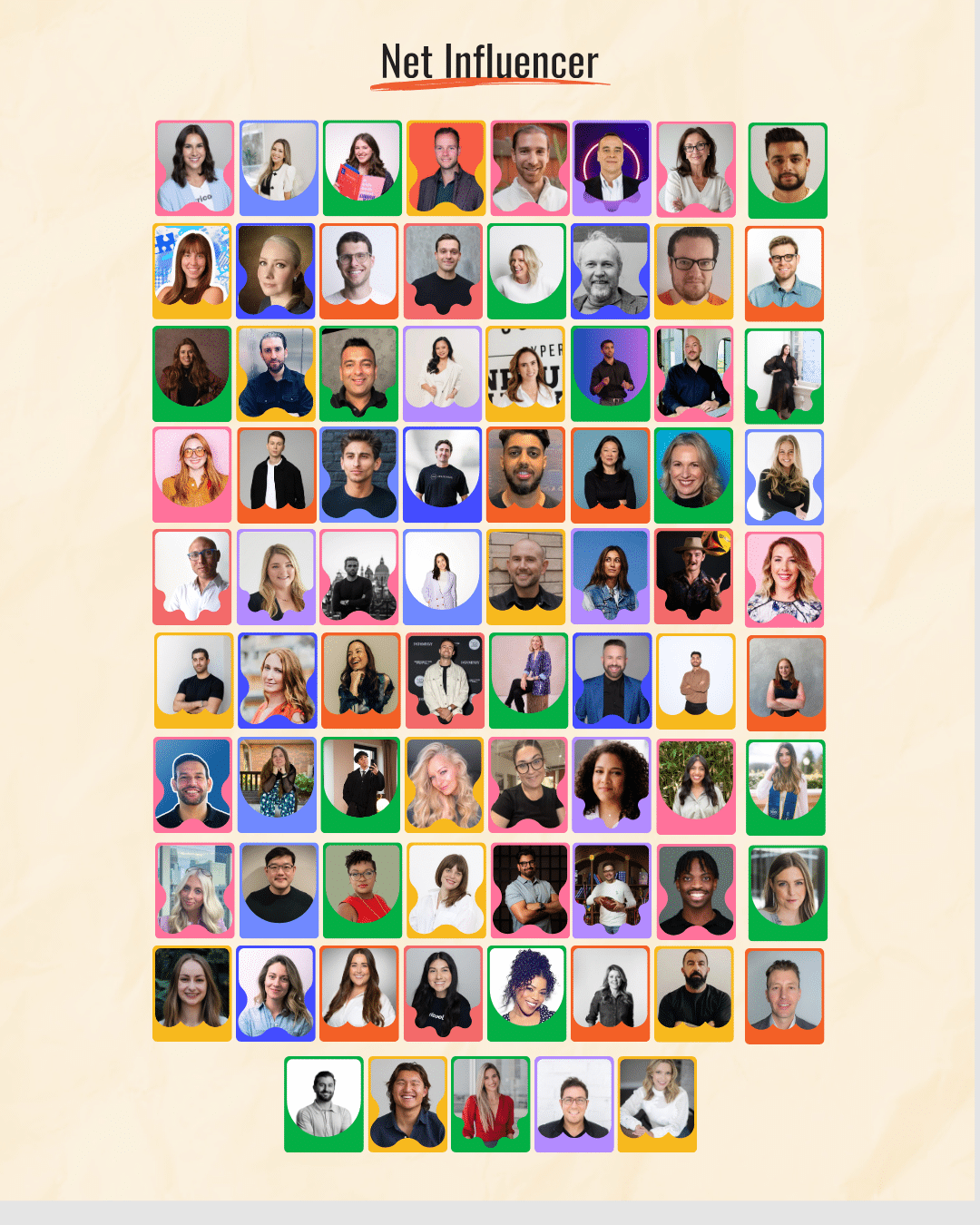
We asked 77 industry experts, creators, agency leaders, and operators: What is one thing the creator economy should leave behind as we head into 2026?
Anniston Ward, PR, Events, and Education Specialist, Metricool
With AI fatigue on the rise and anti-AI campaigns already emerging, social media marketers, creators, and brands should leave the overreliance on AI-generated content behind in 2025. Audiences already detect “AI-slop”, and brands that rely on AI-generated content will continue to erode trust. While AI has revolutionized how we ideate, conduct research, gather information, and automate production, human creativity will always win, especially with trust being a leading factor in brand loyalty. In 2026, brands should embrace original content versus overpolish, manual engagement over automated replies, and conversational content instead of commercial. Consistency will always be important, but intentionality is even more crucial. Brands need to commit to community-led experiences, content that reflects shared human experiences, and establish a unique voice and personality – not one that AI wrote for them.
Katelyn Rhoades, CEO & Podcast Host, enfluence Marketing Studio | Call Her Creator
I would love to see the industry release the obsession with vanity metrics as the primary marker of success. We’ve spent years chasing follower counts and viral moments, but the creators and brands winning long-term are the ones building real connection, community, and conversion. Views may spark awareness, but trust sustains businesses. I hope 2026 becomes the year we stop creating for algorithms and start creating for people. The year depth matters more than reach, relationships matter more than numbers, and creators feel empowered to measure success by impact rather than public perception.
Gigi Robinson, Founder, HOSTS of INFLUENCE™
One thing I hope the industry leaves behind in 2025 is the obsession with over-controlling creators. If a brand wants someone to read a script word-for-word, hire an actor or a UGC (User Generated Content) producer. But if you’re partnering with a creator, let them create. The whole point of this industry is trust, trust from the audience, and trust in the creator’s ability to communicate authentically. Give us the campaign goals and guardrails, and then let us do what we do best to make content that actually resonates according to and with compliance of the FTC (Federal Trade Commission) guidelines for partnering.
Tobias Hoss, Chief Business Officer, Lunar X
We should leave behind the cult of short term, vanity metric driven wins. Too much of the creator economy is still optimized for views, CPM (Cost per Mille) screenshots and one-off brand deals, instead of durable IP (Intellectual Property) that compounds. Chasing the algorithm of the week creates exhausted creators, shallow fandoms and fragile businesses that disappear the moment a platform tweaks its feed. In 2026, I hope we treat views as the trail, not the treasure. The real asset is ownable IP with a clear storyworld, recurring characters, and products or experiences that fans can actually hold, wear, play or attend. The question should shift from “How did this video perform?” to “What did this chapter add to the franchise we are building?” If we can make that mental shift at scale, creators stop being rented media inventory and start operating as next generation studios and brand builders.
Keith Bendes, CSO, Linqia
Following count as the primary metric for creator selection. We are now living in a world where following count no longer signals influence. It’s a part of the equation, but it’s not the full picture. Brands need to move into 2026 focusing on community engagement and view through consistency when it comes to the influencer partners they select. Because the chance of that person hitting the “For You” page is much more important now than how many followers they have.
Rodrigo Abdalla, Co-Founder and CEO, GYST
I hope we ditch the belief that creators can succeed without real business intelligence. No company in other industries would operate without knowing its customers, its funnel, or its true revenue drivers. Yet creators are expected to. Platforms gate the audience and drip-feed shallow metrics, leaving creators to guess their way through major decisions. Creators need actual insights, not vanity data.
Paula Bruno, CEO, Intuition Media Group
As 2025 closes, let’s bury the tired clichés once and for all. The creator economy is not the “Wild West,” and creators are not universally “doubling their rates.” Those sound bites were never accurate; now they’re just noise in a market crowded with self-proclaimed experts, coaches, and hot-take newsletters.
The truth is far more uncomfortable: creator compensation isn’t rising or falling – it’s polarizing. We have seen top-performing creators commanding higher fees tied to measurable value, while much of the middle is being squeezed by saturation, shifting budgets, and inconsistent pricing logic.
What the industry needs in 2026 isn’t another headline or opinion piece – it’s structure. Standardized benchmarks, transparent compensation models, and a shared language for evaluating value. Not to flatten or homogenize the market, but to create clarity where chaos has been allowed to thrive.
If we want a healthier creator economy, the answer isn’t more opinions – it’s alignment. The creator economy has matured, but its infrastructure hasn’t kept pace.
2026 should be the year we stop debating and start building – because better results begin with a shared understanding of value.
Yash Daftary, CEO, FanBasis
The one thing I hope the creator industry leaves behind is platform dependency. Too many creators rely on algorithms instead of owning their audience, their community, and their monetization. The future belongs to creators who build assets they control – email lists, paid communities, and experiences that don’t disappear when a platform decides to tweak its feed.
Emily Huffer, Account Lead, Creator Match
Not disclosing paid ads and partnerships needs to be left behind in 2025. It’s simple to do and required by the FTC. I don’t care that you think it hurts engagement or reach, I don’t care what you think it does to the algorithm – if you’re working with a brand, toggle the partnership button ON. You owe it to your audience and they’ll only respect you more as a creator if you’re upfront about your brand deals. Full transparency should be the standard in 2026.
Sarah McNabb, CMO, GigaStar
For too long, we’ve treated follower counts, views, and vague “reach” estimates as stand-ins for real performance. Those numbers might be easy to screenshot, but they aren’t meaningful for creators, brands, or investors trying to build sustainable businesses. What matters (and what actually drives long-term growth) is engagement that converts, community that lasts, and revenue that’s predictable and transparent.
As we head into 2026, I think the Creator Economy needs to double down on metrics that reflect real economic activity. Are creators building communities, not just audiences? Are brands and investors able to measure real returns, not just impressions? Are we rewarding creators who create durable value rather than whoever spikes an algorithm this week?
If 2025 was the year of vanity metrics losing their shine, let 2026 be the year we leave them behind entirely and replace them with standards that actually move the industry forward.
Andy Cloyd, Co-Founder and CEO, Superfiliate
Let’s leave behind the obsession with judging influencer marketers purely on last-click revenue. That metric miscalculated the value that marketer has in the business and the revenue the creator actually drives.
In reality, these creators are fueling the top of the funnel for the brand’s most powerful growth engine: paid media – especially on Meta and Instagram.
The brands winning in 2026 will treat creators as strategic inputs to their paid ecosystem: sourcing content, lowering CAC (Customer Acquisition Cost), improving performance, and compounding efficiency across channels. Influencer marketing isn’t a silo anymore; it’s the backbone for paid media.
Max Fleming, Founder and CEO, Motive
If there’s one thing I hope our industry leaves behind in 2025, it’s the obsession with vanity metrics. Too many brands are still making decisions based on follower counts and surface-level impressions instead of the real drivers of performance: creative fit, audience trust, and actual business outcomes. In 2026, we need to shift from “Who has the biggest reach?” to “Who can actually move people?” The future belongs to teams that value depth over noise and partnerships that are built on substance, strategy, and repeatable results.
Felicity Grey, Founder & Managing Director, RISER and Theory Crew
One thing I’d love the industry to leave behind in 2025 is the need to over-script creators. When every word is pre-approved and every angle dictated, content stops feeling real and audiences tune out. The best results come when brands work in harmony with creators, developing ideas and concepts together so key messaging lands while the content naturally fits their feed. At RISER, we’ve found that a thoughtful briefing process helps give creators clear guidance without taking away their voice. Giving creators that space to interpret the story in their own way builds authenticity, strengthens engagement, and ultimately drives results. In 2026, I hope more brands embrace collaboration over control and trust that creators can bring both creativity and impact.
Tony Carne, Co-Founder, Videreo
Opaqueness! We are all out there quoting the stat that Unilever are moving 50% of their marketing budget to creator marketing hoping it encourages other brands to do so.
This movement of budget is the biggest opportunity for our part of the industry and it’s TAM (Total Addressable Market), but it’s not going to happen until those higher up the decision chain (think CEO/CFO) can see evidence in the data that this is the bet worth making.
When that happens, we all win so it is something we should all be working towards.
Kristian Sturt, Head of Influencer Marketing, Colossal Influence
I have a very simple answer for you, view guarantees.
They might sound fair on paper, but they always tilt the entire deal in favour of the brand, while placing all the risk squarely on the creator.
The way some brands use them is borderline exploitative. We’ve seen firsthand brands take the median count of a recent average and then create a VG (Video Guarantee) just north of it, so realistically the most likely outcome is they’ll get two videos for the price of one.
They encourage campaigns built on unrealistic expectations instead of creative strategy, and they punish creators for things outside their control; algorithms, timing, platform quirks, you name it.
Every creator I work with agrees, and so our agency doesn’t take them on.
What’s a fair alternative? A CPM model with a sensible cap gives both sides protection, clarity, and transparency without turning the creator into a “hostage”.
Michael Curtis, Founder and CEO, Proud Management
Two words. Late payments. Behind every creator is a business that runs on clear, consistent operations. Late payments create unnecessary friction and strain partnerships that should feel collaborative. As this industry continues to mature, one simple standard needs to be upheld: paying creators when promised – on time, every time.
Sarah Schmid, Head of Marketing, Kingfluencers
The creator economy has evolved, and audiences demand authenticity, participation, and value. At Kingfluencers, we believe the future belongs to brands that build communities, not just campaigns. Real impact happens when digital culture meets real life: IRL (In Real Life) experiences that spark emotional connection, fuel storytelling, and flow back online as advocacy. Engagement isn’t a metric – it’s a relationship. Instead of chasing reach for reach’s sake, let’s measure what matters: trust, loyalty, co-creation, and long-term influence across the full customer journey. The brands that embrace this shift will win.
Eddie Gold, CEO & Founder, The Gold Studios Group
Bin off “Branded Content”
Do you know how many times I’ve heard someone say they love branded content? Never. Not once.
No one has ever said, “You know what I fancy tonight. A 14-part cinematic universe on the Skoda factory.” No one is cancelling plans to binge their favourite YouTuber so they can dive into Episode 7: The Torque Awakens.
People don’t wake up craving content from brands. They wake up craving entertainment. Laughs. Drama. Big personalities. Real stories. Actual humans doing interesting things.
So, brands shouldn’t be creating “branded content”, they should be creating “branded entertainment”. It’s completely different. Brands must start backing creators, powering formats, and investing in culture people already care about.
Look at gambling giant Betway. They didn’t launch a branded content series, they put themselves at the heart of Branded Entertainment by launching a 10-channel sports YouTube network – Clubhouse, giving the biggest names in sport their platform to build shows and grow a real organic audience relevant to the brand.
That’s the shift. Stop making commercials dressed as shows. Start fuelling the entertainment industry.
Dipesh Pattni, Managing Director and Founder, GravitasQ
Social media best practice should drop followers and post engagement as a basis of picking the right fit influencers for brands, we should be leaving these metrics behind from leading the selection process. We have moved into the stage of communities and interaction. Influencers should be picked on how deep their connection is with their viewers and what unique value they have built to serve their audience.
Ace Gapuz, CEO, Blogapalooza
I really, really hope the industry leaves behind the fascination with vanity metrics such as followers, likes, and other metrics that “look good”, but do not contribute much to objectives that move the needle. I believe by now we should already be aware that these metrics may be deceiving, especially when creators or media pages have a large number of followers that are bots. As the industry advances to using more sophisticated platforms and a deeper understanding of what actually provides a deeper and more profound impact for campaigns, marketing professionals should also cease looking at vanity metrics as metrics that matter.
Natalia Serna, Founder and CEO, Goldfish
I hope 2025 is the year we leave behind the idea that influencers can’t sell. For too long, influencer marketing was seen only as a branding tool, but today’s creators drive real, measurable business impact. With social commerce, affiliate programs, and creator-led retail, influencers have become a true sales channel. It’s time brands stop separating influence from conversion – the future belongs to those who connect creativity, authenticity, and data to move culture and sales.
Sambhav Chadha, Co-Founder and Director, Augmentum Media
Obsession with last-click attribution as the measure of influencer performance. It’s held this channel back for years. Influencer marketing is one of the few levers that builds both brand and performance – yet we keep forcing it into frameworks designed for paid ads. As a result, brands undervalue the creators who genuinely move the needle, and overvalue the ones who simply happen to sit closest to the conversion.
In 2026, the best teams will treat influencers as part of a broader attention and trust engine, not a slot machine. They’ll measure lift, consistency, creator resonance, repeat exposure, content potency, and the impact on their wider acquisition ecosystem. When you stop asking influencers to behave like billboards and start treating them like partners in growth, the channel finally performs the way it’s meant to.
Joey Gagliardi, Director of Creator Programming & Education, G&B Digital Management
I hope we leave strict, creativity-binding project briefs behind in 2025. Too many campaigns are built around rigid scripts and predetermined formats that leave creators with no room to do what audiences actually respond to: being creative, personal, and real. When brands dictate every beat, the content feels like an ad, and audiences scroll right past it. In 2026, I’d love to see more briefs evolve into partnership frameworks instead of rulebooks. Set the objective, define the non-negotiables, share the insights, and then trust creators to bring the idea to life in the way only they can. The brands embracing flexibility are already seeing stronger performance and deeper audience connection. It’s time to make that the norm.
Amanda Acevedo, Director of Talent, G&B Digital Management
One thing I would love to leave behind, especially in high demand quarters like Q4, is unrealistic deadlines — the expectation of high quality, well-thought-out content 24-48 hours after a product has arrived or an experience has occurred. Talent need time to build an authentic true opinion and experiment with different concepts for the most impact. Because as we all know, if it’s not authentic, it doesn’t work. Giving creators time to be creative — to ideate something that matches the brief and that they know will truly hit with their audience — is key to success for all parties involved.
Becca Bahrke, Founder and CEO, Illuminate Social
BRANDS PAYING LATE. It’s time to leave chronically delayed payments behind in 2025, especially when brands are routing funds through third-party agencies and platforms. Some of the biggest retailers in the world, including Amazon and Walmart, routinely pay months past due, and creators are the ones who feel it most. Creators sit at the very end of the marketing payment funnel, yet they’re the ones driving the cultural relevance and performance that brands rely on. As we head into 2026, we need to flip the script: normalize on-time payments, shorten net terms, and treat creators like the essential partners they are.
Nazar Babenko, Product Manager, Streams Charts
As we move into 2026, it’s time for the livestreaming ecosystem to move past an overreliance on blunt viewership metrics like average concurrent viewers, total followers, or raw hours watched. These numbers capture reach but miss the heartbeat of a channel. Average viewership is especially misleading in dynamic live environments: it smooths out spikes, ignores session variability, and can reward passive background viewing as much as active attention. Followers are an even weaker proxy for influence due to platform churn and dormant accounts.
Brands and agencies should instead prioritize engagement quality and attention. Metrics like chat velocity and unique chatters per minute, audience retention across segments, peak-to-trough stability, and median viewer session duration offer a clearer picture of a streamer’s ability to hold and activate an audience. Add interaction depth – poll participation, link CTR (Click Through Rate), conversion lift during live reads – and you start measuring what truly drives outcomes.
Yehuda Neuman, SVP of Influencer Marketing, PartnerCentric
You can’t build a modern creator strategy on legacy media math. It’s time to let go of “media equivalence performance” as a way to evaluate influencer work. Comparing creator content to traditional media spend is flawed. It is a completely different delivery system with different levers and different forms of value. The same myth shows up when we treat follower count like a predictor of performance. An audience doesn’t convert just because it exists; if the content doesn’t land, the reach (and the transactions) won’t either.
But the misconception we really need to leave behind is the idea that creators are casual side hustlers. The great ones are managing teams, processes, technology, and deliverables with the same rigor you’d expect from any strategic partner. When brands understand this level of operation, collaboration becomes smarter, briefs become tighter, and the work improves significantly. Respect the business behind the creator, and you’ll unlock far better outcomes.
Brian Klais, CEO & Founder of URLgenius
What I hope we leave behind is the fear that AI will dilute influencer authenticity. Our latest URLgenius Creator Trend Index shows that 44% of creators already use AI weekly, and most of them say it actually boosts their productivity and creative confidence. AI isn’t replacing the creator’s voice; it’s giving them more space to use it.
Creators today have to be incredibly nimble, and many now earn across multiple channels, which means they’re managing far more than just content. When AI lightens the load on analytics, routing, or workflow, it frees them to focus on what audiences truly respond to: their point of view.
And the biggest unlock ahead? Understanding how audiences move across apps, platforms, and moments, and then removing the friction that steals engagement. AI doesn’t replace the human element; it supports it, giving smaller creators the clarity larger teams take for granted. In 2026, I hope creators and brands see AI not as a threat, but as infrastructure. Let the tech handle the complexity so they can stay true to their voice.
Kyle Dulay, Co-Founder, Collabstr
I hope the industry finally leaves behind the idea that influencer marketing is a one-and-done gimmick. Too many teams still treat it like a Hail Mary. If a campaign doesn’t instantly go viral, they assume the channel “doesn’t work.” In reality, influencer marketing deserves the same scientific approach that marketers apply to paid media. The brands that win are the ones using influencer campaigns to collect data, understand how audiences respond to their content, refine their messaging, and scale what works. The moment we start viewing influencers as a consistent, optimizable distribution channel rather than a lottery ticket, the entire industry will see better results.
Kim Murray, Founder, Virality Boost
Browser-based, client-side pixel tracking as the source of truth. We run influencer campaigns delivering 30% top-line growth and 50%+ above affiliate targets – but traditional tracking shows almost nothing. iOS, Firefox, Safari, and ad blockers broke client-side pixels years ago – and for those of us running influencer through affiliate, last-click attribution compounds the problem. The campaigns aren’t failing. The measurement is lying. Influencer drives awareness, downstream partners close the sale – that’s the customer journey working. But without server-side tracking, brands can’t see the connection and end up cutting the very campaigns feeding their entire ecosystem.
Heather Barrett, VP of Strategy, Transmission
I anticipate that leaning into creators solely for B2C (Business to Consumer) efforts will be left behind in 2026 as B2B (Business to Business) creator partnerships accelerate. 2025 proved that B2B audiences now trust and engage with individual experts the way previous generations followed news anchors or trade publications.
Creators offer what traditional channels struggle to deliver: relevance, specificity, and human connection. B2B buyers want guidance from people who sound and work like them and understand their world. That’s why Microsoft tapping Alix Earle to explain Copilot resonated so widely – creators help translate complex ideas into everyday language.
B2B brands are discovering that creators don’t just widen reach; they deepen understanding and give B2B stories a human rhythm that people want to follow. Creators are becoming the new anchors of business culture; the B2B brands that lean in now will shape the future of how influence, trust and innovation move our industry.
Sarah Crow, Head of Creative Strategy, Superfiliate
I would leave behind the idea that influencer is the “nice to have” or step-child marketing channel. With creator ad spend hitting $37B in 2025, it’s time for brands to treat it like a real marketing channel that’s providing real value. That means brands investing in talented, dedicated marketers to run the programs full time, with budgets and room to grow and experiment. Gone are the days of having a part-time intern or spread-to-thin social media manager trying to effectively stand up and scale a massive revenue driver.
Eddie Pietzak, Head of Digital, CESD Talent
Unrealistic timelines. If a brand/agency is upfront about a tight timeline, and the creator agrees to that turnaround, it should be respected by both parties. If my client sacrifices their weekend to hit a self-imposed go-live, but the review process takes us beyond that date, it proves to be a frustrating process. Would love to see more respect for production workflow in 2026.
Ashlie Finch, VP of Brand Strategy, The Digital Dept.
It’s time to leave behind one-off partnerships disguised as strategy. The industry needs to drop the idea that a single post from one creator or a one-week campaign can drive meaningful, lasting impact. Think about episodic and serialized content that will keep consumers engaged and coming back to watch more over a longer period of time. Find a team that will help you architect an influencer-led campaign where there’s constant learning, testing, evolution, and repeat partnerships to earn audience trust.
Sam Royle, CEO and Co-Founder, SoSquared
In 2025, we must leave behind the narrow view that influencer and creator marketing is solely an “Above the Line” awareness play. This framework is a disservice to the channel’s true potential. The reality is that strategic collaborations with creators can and should feed every stage of the marketing and sales funnel, from initial discovery to final conversion. By embracing data-core strategies, rigorous measurement, and performance-driven campaign structures, brands will finally unlock influencer marketing’s full potential.
Victoria Bachan, SVP, Creators at Wasserman
One thing I hope the industry becomes more mindful of in 2025 is the real production costs that creators take on. While I totally understand that creator and influencer pricing can run the gamut, and for an ROI-driven (Return on Investment) campaign brands and agencies have to look at their bottom line and what they will get in return for their creator activation but, at the end of the day, great production comes with a cost in addition to the cost of reach and engagement.
High-quality work will always pay for itself, but we can all be more cognizant of this when working with creators. In any given deal with a talent you are getting a director, producer, actor, voice over actor, strategist, storyboarder, location scout, costume designer, make up artist, editor (and the list could go on and on and on) all in one. On a traditional production those costs would balloon very quickly. Creators have managed to package it with a bow, but should also be compensated for the skill set and expertise that make it possible.
Scott Sutton, CEO, Later
One thing the industry should leave behind as we head into 2026 is a lack of diversification across social platforms. Too many brands stick to the same channels and miss opportunities elsewhere. Every platform has its own strengths and audience, and even ones that get overlooked, like Facebook, can deliver strong results if used strategically. According to the Later 2025 State of Influencer Marketing Report, Instagram excels when it comes to lifestyle and visual storytelling that converts engagement into commerce, while Facebook remains effective for precise reach, such as promoting a local event.
Brands also need to stop treating Creator Marketing as one-off campaigns. Creator programs should be ongoing, not short-term experiments. Long-term programs create greater connections with audiences, and the data shows it works. According to Later’s recent report, 70% of leaders have shifted to continuous partnerships with creators and integrated Creator Marketing as an always-on part of their marketing strategy.
Brands should take influencer marketing seriously and invest accordingly. Creators are consistently outperforming traditional channels and connecting more deeply with audiences. In 2025, 47% of brands increased their investment in this space. If you’re not prioritizing influencer marketing now, you risk falling behind your competitors.
Sara Sabzehzar, Group Strategy Director, Thinkingbox
We’re entering a phase where social is no longer the final destination, but simply an entry point. For years, brands treated social as a closed loop: post, measure, repeat. But the most compelling use of social in 2026 will be to spark something that happens off the feed.
We’re already seeing the shift: creator-driven experiential moments, social content screenings, exclusive IRL drops for digital community members, and online communities turning into real world gatherings. Social is becoming the trailer rather than the full film.
The brands that win will be the ones that collapse the gap between online and offline. Cultural relevance deepens when people can experience it: in a room, with other people, in a shared moment they’ll remember. As people crave less scrolling and more connection, the smartest brands will use social as a gateway to something real, not just something to watch.
Nick Valenti, CEO, Mādin
I hope the industry finally leaves behind the obsession with isolated performance metrics in 2025. We have spent years optimizing for clicks, views, and cost-per-anything, while ignoring the more important question of whether the work actually builds meaning and long-term value. The focus on micro-optimizations has turned marketing into a numbers game rather than a craft rooted in human understanding.
As we move into 2026, I want to see brands stop chasing incremental efficiency and start building real affinity. The companies that win will be the ones that treat performance as a byproduct of clarity and creativity, not a substitute for them. Great work should move culture, spark conversation, and make people care, not simply pass an algorithmic test. If the industry can release its dependence on shallow metrics, we might finally return to making work that matters.
Sarah Gerrish, Senior Director of Creator and Influencer, Movers+Shakers
In 2026, I would love to stop sending overly prescriptive creative briefs to partners. It is time to leave behind the rigid, mandated talking points that strip content of its authenticity and force creators into unnatural scripts. These unnatural narratives are instantly recognizable to influencers audiences and overall they damage audience trust.
Instead, brands should embrace genuine creative collaboration, treating creators as strategic partners. This also demands that influencers step up and advocate for their creative vision as well as dedicate the necessary time to co-develop campaigns they are genuinely proud of. When the creator is given shared ownership and the freedom to interpret the brand message through their unique lens, the resulting content is more impactful, resonant, and ultimately drives better results for all parties involved.
Joey Chowaiki, COO/Co-Founder, Open Influence
One thing I hope the industry leaves behind in 2025 is the obsession with vanity metrics. Too many decisions are still anchored in follower counts, surface-level engagement, or one-off viral moments. As we head into 2026, we should be prioritizing creator quality, consistency, and measurable business outcomes. The brands winning today understand that creators are part of the growth engine, not just a media buy and they invest in transparent frameworks that connect creator output to real performance. It’s time to shift from “who looks big” to “who actually moves the needle.”
Amy Cotteleer, Chief Experience Officer and Partner, Duncan Channon
We hope the industry leaves behind, or at least deprioritizes, follower counts. The follower era is over: it’s now a vanity metric. Everyone has an equal opportunity for performance with algorithms, which continue to change the landscape considerably. What matters now is consistent engagement, view times, shares, and content that gets viewers to “stop the scroll.” Does the video have a hook? Does it master the art of grabbing attention in those critical first three seconds? Opinions, questions, problems, and opening statements that inspire curiosity are surefire ways to spark interest, especially when paired alongside strong visuals, text, or audio.
Vicky Boudreau, CEO and Co-Founder, Heylist
I hope 2025 is the year we finally leave behind blind seeding – the “spray and pray” approach of sending out products and hoping creators will post. It’s inefficient, it erodes trust, and it misunderstands how real influence works. As we move into 2026, I want our industry to embrace personalization at scale. We’re now able to activate hundreds, even thousands of creators at once while still matching the right product, story, and values to the right individual. When creators feel seen and respected, posting rates climb dramatically, engagement becomes authentic, and brands build real advocacy instead of noise. The future isn’t about sending more; it’s about connecting better.
AJ Eckstein, Founder & CEO, Creator Match
We need to leave behind “feature marketing” and move to “use-case marketing.”
In B2B, SaaS (Software as a Service), and AI, every product announcement sounds the same, another upgrade, another toggle, another productivity multiplier. Buyers are numb to the noise. The future belongs to teams that tell memorable stories about real people using the product in their actual workflow (and bonus if done through creators). At Creator Match, we build and scale creator programs for B2B, SaaS, and AI companies, and we are already seeing this change play out. When a real engineer or marketer shares how a tool changed their day, conversions spike, time to value clicks faster, and brand affinity skyrockets. In 2026, the brand winners will not be the ones with the most features, but the ones who make customers believe the transformation is possible through creators who have already lived it.
Jo Cronk, Co-CEO, Whalar US
78% of consumers have been introduced to a new brand by a creator
71% of consumers have bought a product based on a creator recommendation
68% of consumers trust creators more than brands
Principles remain the same, practices change, and the rise of a new generation of storytellers and platforms has opened new paths to consumer connection and conversion. History tells us that media dollars are always slow to follow evolutions in consumer behavior and attention. But why? Why don’t we adapt faster? Why don’t we give people what they want – compelling stories that speak to them, that make them feel something, that inspire them to act? Why don’t we ensure those stories are seen at scale?
If you are a brand that wants to grow and you are not working with creators, the question you need to ask is “can you afford not to be?”
RJ Larese, President, Sixteenth US
I hope we leave behind talent reps who collect a commission without actually earning it. Too many creators are partnered with managers who take 20 percent but don’t strategize, don’t develop, and don’t do the real work of building a career. That’s not representation. In 2026, I want to see managers who show up as true partners, people who shape long-term vision, open doors, and help creators’ dreams come true. Creators deserve someone who is investing in them, not coasting beside them. Leave the percentage collectors in 2025 and bring on the builders.
Rick Bhatia, Partner, Sixteenth
One thing I hope we leave behind in 2025 is the expectation that creators have to be always on while ignoring the invisible labor behind their work. Creators ideate, film, edit, manage production, and stay chronically online while being the face of their own brand. A lot of that work does not show up in a post or a metric. I think we will see more creators adopt the idea that content has seasons. Creators like Grace Wells and Nicole Rafiee already operate this way because their most sought-after formats are one-of-a-kind and time-intensive. They will not sacrifice quality by pumping out volume, and that intentionality creates a limited-supply and high-demand dynamic rooted in creative integrity. In 2026, I hope we recognize the real workload behind creator content, giving creators room to rest and support quality by tailoring workflows to the creator.
Megan Frantz, Partner, Sixteenth
I hope we leave behind the chase for flash-in-the-pan content. Too many creators get pulled into engineered virality or shock value because they spread quickly, not because they add anything of value. The work that matters comes from creators who stay rooted in substance and make things they’re proud of, and that fill their creative cup. When the motivation shifts back to good content and good influence instead of cheap spectacle, the ecosystem becomes more respectable, sustainable, and worth building in.
Daniel Caldas, Founder, Caldas Ecom
Talent seeing themselves primarily as content creators, rather than full-fledged businesses, and treating content as the goal, not the means to an end – an organic customer acquisition channel for their own products and services to build and scale a sustainable business.
Focusing on the content creation treadmill and catering to the all-mighty “algo”, instead of leveraging it to grow an independent, fully owned business, leads to an overreliance on social platforms they don’t own, and anxiety-inducing, elusive algorithms, inevitably resulting in burnout and inconsistent revenue.
Chasing surface-level metrics, like view, follow, and subscriber counts, to land brand deals as the main, and often only, revenue stream isn’t a strategy. Short-form virality should be considered a part of the system – top-of-funnel awareness and discovery – funneled to long-form content, such as podcasts, to display authority and expertise, foster trust, and filter higher-quality audiences to monetize directly and land better brand deals.
Mauren Kennedy, Content Creator
I would love to see the end of brands ghosting creators when it comes to paid partnerships and collabs. This is one of the only professions I have ever been in where companies (worth millions of dollars!) will approach creators to work with them, only to ghost those same creators mid-way through negotiations. We should normalize marketers and agencies professionally finishing these conversations, instead of leaving creators hanging and wondering what happened or how they can improve for next time. Let’s make 2026 the era of communication!
Hamaji Neo, Content Creator
As someone still relatively new to the scene I believe I still have a lot to learn, but I strongly believe that both creators and brands should aim to be more transparent whenever possible. I believe that creating an authentic landscape and community is really important to growing over the long term. Regardless if you’re a creator or a brand. People want to be involved in your growth and want to support you, and it’s very hard to do if you’re building a wall between you and your community.
Both consumers and creators strongly benefit from sharing info, being transparent and authentic is essential that benefits everyone. I hope that the community continues to openly share information between one another so everyone can grow together.
Renae Olivia, Content Creator
I hope the industry finally leaves behind the idea that only youth sells or that women over a certain age should play small online. Women over 40 hold massive buying power, confidence, and real influence; and it’s time brands recognize that visibility and impact have no expiration date.
Sara Williams, Director Creator Management, The Sociable Society
I’d love for the industry to leave behind the habit of executing campaigns in “good faith.” Too often creators are expected to begin producing content, and even publishing that content on their socials, without a fully executed contract, which exposes them to unnecessary risk. As we move into 2026, I hope to see legal departments and agencies prioritize thorough redlines, timely contract execution, and stronger protections up front. Creators should never be expected to work without formalized agreements in place.
Jess Golden, Head Creator Manager, The Sociable Society
One thing I hope the industry leaves behind in 2025 is the over-reliance on surface-level metrics as the sole indicator of value. CPV/PM (Cost Per View/Performance Marketing) can be helpful benchmarks, but they don’t tell the full story of cultural influence, audience trust, content quality, or a creator’s ability to build real connection with a brand.
Creators aren’t just deliverables, they’re culture carriers. Their impact often shows up in community language, trends they spark, and the way their audience adopts ideas and aesthetics long before it shows up in measurable conversions. As we move into 2026, I’d love to see brands evaluate success more holistically, factoring in quality, creativity, cultural relevance, niche authority, and the lasting impact creators have on how audiences think about a brand. Metrics matter, but the meaning behind them often matters more.
Sana Kurani, Head Creator Manager, The Sociable Society
One thing I hope we leave behind in 2025 is unclear or incomplete campaign goals. When brands clearly communicate what success looks like upfront, whether the focus is awareness, conversions, community building, or testing new messaging, it gives us the ability to match the right creators, set realistic expectations, and build a strategy that actually supports the objective. Clear goals lead to better execution, stronger alignment, and partnerships that feel collaborative instead of transactional. As we move into 2026, I’d love to see more transparency and intentional communication so both creators and brands are truly set up to win.
May Solomon, Lead Creator Manager, The Sociable Society
I’d love to see our industry move away from ghosting talent managers. I understand everyone’s inbox is overwhelming, but having been on the brand side myself, I always made the effort to reply, even if it was just a quick, “We’ll pass this time, but let’s stay in touch.” A brief response goes a long way in helping us confirm the right point of contact for future opportunities.
Lexi Keller, Lead Creator Manager, The Sociable Society
One thing I hope the industry leaves behind in 2025 is the expectation of last-minute turnarounds without proper notice. Creators are often juggling 10 to 30 active campaigns at any given time, each with its own strategy, content plan, and approvals. When brands suddenly say content is due tomorrow or assign unplanned live dates, it creates unnecessary stress and makes it harder to produce the level of quality everyone wants. We need to normalize realistic lead times and proper scheduling. Live dates should be locked in when the partnership is confirmed, not assumed or dropped in at the last minute. Leaving unrealistic timelines behind will lead to better collaboration, better content, and a healthier creator landscape in 2026.
Eric Kim, Senior Operations Director, Bigo Live
As we move into 2026, the creator economy has an opportunity to shift away from short-term spikes in attention and toward long-term community value. At Bigo Live, we’ve consistently seen that sustainable growth comes from meaningful interactions and real-time relationships between creators and their audiences. By focusing on depth, trust, and diversified paths to success, the industry can support healthier creator careers and a more resilient ecosystem overall.
Shatesha Scales, Supervisor, Paid Social, Rain the Growth Agency
One thing I hope the industry leaves behind is treating influencer/content marketing as a test budget. In 2026, it’s not if we should use influencer marketing – it’s: how should we grow it? We’ve tested enough and know that influencer marketing works, especially when done right. Now the focus needs to shift toward evolving how we partner with creators in a way that feels human and allows brands to show up genuinely with consumers in the age of AI.
Deanna Ritter, Managing Director, Glossary Artists
We’re leaving behind the idea that influence comes in one size. More and more, we’re seeing that real impact isn’t about hitting a follower count, it’s about who aligns, is authentic, and who actually feels right for the brand. Some of the most impactful results come from micro and mid-size creators who connect with their audience genuinely and show that meaningful influence doesn’t always come from the biggest platforms.
Damon Harman, Co-Founder and CEO, StreamerDap
In 2026, one of the most important shifts in creator marketing will be moving from passive views to active participation. A view does not guarantee attention; it simply means the algorithm allowed content to appear on someone’s screen. Brands are beginning to recognize that community participation is the more accurate indicator of real influence. StreamerDap was built around this understanding. Watch parties and live interactive moments reveal genuine audience intent by showing who showed up, who engaged, and who stayed. Participation reflects who truly cares, not who scrolled past. The next era of creator marketing will favor brands that design experiences people actively take part in. Participation is becoming the metric that matters.
Alexander Guerrero, Founder, NexTide
I hope we leave vanity metrics behind in 2025. The industry has spent years obsessing over impressions and clicks, even though everyone knows they aren’t a proxy for real attention, and definitely not for impact.
What matters is where people actually are and how deeply they care. Creator communities with real-time conversation are where engaged attention lives. You can’t compare someone clicking a link and bouncing two seconds later to thousands of people spending hours with a streamer they trust. Those aren’t the same thing, and they shouldn’t be measured like they are.
As we head into 2026, I’d love to see the industry stop pretending all attention is equal. It’s not. Community is the differentiator. If brands want to stay relevant, they need to show up where attention is genuinely engaged, not just where the metrics look neat on a dashboard.
Elijah Khasabo, Co-Founder, Vidovo
I hope we leave behind the habit of pretending super polished ads still run the show. People scroll right past them. The stuff that actually makes someone stop is real creator content that feels natural and fun.
Brands stick to old habits because it feels safer, but it slows them down. The minute they stop treating UGC like a backup plan and start giving it real space, things move smoother. The teams that lean into this are the ones that end up winning anyway.
Morgann Westmoreland, Director of Creator Growth Strategy, Trend
Leave behind the idea that you’re selling a product – this goes for brands and influencers alike. You’re not selling yet another thing that your customer base likely doesn’t need. They don’t care, and they’re too smart to fall for it. Niche down your suggestions to be thoughtfully curated, and consider how the customer wants to feel. What do they achieve by purchasing something from you? They aren’t buying a Tonies box for the screen-free entertainment. They are encouraging more belly laughs from their 3-year-old daughter who loves singing with Elsa while spinning across the living room. While we leave the hard-sell behind, I hope to see the industry tether to moments, feelings and experiences that build actual connections.
Kira Henson, Director, Social, Good Apple
As we head into 2026, we must leave behind rigid ideas of A/B creative testing on social platforms and embrace a more fluid, signal-based optimization model. This legacy methodology is too restrictive for modern social algorithms; enforcing strict testing parameters starves a system designed to factor multiple inputs into its approach.
We can embrace this modern buying mode by connecting campaigns to accurate, business-aligned data and providing diverse creative for optimization. Inputting multiple creatives (of various sizes and types) allows the algorithm to personalize the content to the individual user, instead of forcing a fixed A/B choice for all. By trusting platforms to handle testing and optimization based on strong signals and the right data, we can enter into the new age of testing frameworks.
Christina Kavalauskas, Executive Strategy Director, Social & Creator, Deloitte Digital
Gone are the days where celebrities are the gold standard for creator relationships. Creator-led economies are evolving, as we are starting to see AI, new monetization models, and platform innovation are empowering micro and mid-tier creators to build “mini-brands” through subscription communities, tokenized memberships, and exclusive content. This is shifting commitments from endorsements to true, community-driven ventures.
Brands see stronger impact from collaborating with niche creators who participate in their communities, not from celebrities with broad but passive audiences. Despite creators accounting for nearly a quarter of social budgets last year, many brands (81%) are still “starstruck,” chasing reach over relevance, according to our research. By contrast, we found that leading social-first brands are investing heavily in micro creators, and almost half (48%) get the strongest returns from working with them.
In 2026, brands that shift away from the celebrity-as-creator thinking and invest in trusted creators with real communities and influence will flourish.
Allie Fernando, VP of Marketing at Kajabi
The creator economy will shed its old identity as we head into 2026, and will further evolve into the expert economy: where online entrepreneurs thrive by building and scaling their businesses through sharing their expertise. This new landscape will no longer be measured by likes, follows, or views. AI democratizing content creation means that anyone can push out content in a matter of seconds, saturating the space. This makes it more important than ever for online entrepreneurs to move beyond basic content and keep authenticity and knowledge-sharing at the heart of all they do – the driving force behind the expert economy.
Alexandra Caceres, Growth and Influencer Marketing Specialist, Metricool
One thing the industry should leave behind in 2025 is the idea that worthy engagement only happens where everyone can see it. Community-based marketing is on the rise, and the most meaningful conversations are shifting into private, niche environments. Think DMs, small groups, and closed, exclusive communities. While engagement as a metric isn’t going anywhere, how and where it shows up is changing fast. The next wave of successful marketing will come from tapping into these intimate spaces and deepening connection, all while staying ahead of where audiences are actually choosing to hang out in 2026.
Alanah Joseph, Head of Creators HubSpot Media
A mindset that needs to stay in 2025 is viewing creators as simply “influencers,” which often belittles the depth and legitimacy of their careers. Today’s creators are entrepreneurs running startup media businesses and actively looking for ways to grow and scale – something we’re very familiar with at HubSpot. In 2026, brands will get the most out of creator marketing when they recognize creators as strategic partners and valuable collaborators.
Wendy Wyne, VP Operations and Production, Two Tango Collaborative
One thing the industry needs to leave behind in 2025 is the idea that speed automatically equals good content. We’ve spent too much time pushing out assets simply because they’re fast, not because they’re right. In 2026, production needs to stop being treated as the final checkbox and start being part of the strategy from day one. When creators, strategists, and production teams align early, you get work that’s intentional, efficient, and actually performs.
Audiences can spot rushed content a mile away. They want clarity, authenticity, and storytelling that feels considered – not something cranked out just to hit a deadline. Smart production isn’t about slowing things down; it’s about building the process that allows teams to move quickly and thoughtfully.
Let’s leave behind the scramble and make space for production that protects the creative, respects the audience, and delivers work that’s worth making.
Abe Santos, Head of Sports & Outdoor Lifestyle, Underscore Talent
One thing I hope the industry leaves behind in 2025 is the obsession with overly polished, hyper-produced content. Audiences are turning away from images of perfection and craving truth. The creators breaking through now are the ones showing real personality, real environments, and real moments. As we move into 2026, I’d love to see brands embrace more authenticity and raw realism instead of defaulting to glossy, studio-perfect production. It’s not only more relatable, it performs better because it feels like something you’d actually see in your feed, not an ad trying to disguise itself as content.
Nick Jacklin, President, Shorthand Studios
I hope brands (and it looks like this is happening) migrate back to YouTube from an in-video sponsorship and integration point of view. We saw a huge exodus of brands wanting to be involved in YouTube content in favor of TikTok 4 years ago, and for a lot of good reasons (cultural impact, ease of integration, etc). That trend seems to be reversing now, as YouTube and Instagram have become very competitive in short form. We have also seen YouTube (long form videos & podcasts) competing in every way with Netflix and linear TV, but the brands have lagged behind re-adopting brand integration. I hope to see more brands re-adopt YouTube integrations in 2026 because it will be great for the creator community and those companies investing in the creator economy.
Tyler Berkowitz, Vice President, Brand Partnerships, Shorthand Studios
Instagram Collab Posts – I think this a great feature on Instagram that increases a brand account’s exposure and in turn their followers. However, every brand needs to understand that it will reduce engagement and views well below a creator’s average. My recommendation for brands is to always let the post exist on its own for at least 12-24 hours to gain traction and then have the creator invite the brand to be a collaborator after that period.
John Hu, CEO & Co-Founder, Stan
The #1 thing creators should leave behind in 2025 is solely relying on brand deals for income. Creators should recognize that they are entrepreneurs, and the top creators (KSI, MrBeast, Emma Chamberlain, etc.) are all launching their own products and businesses. Fundamentally, a brand only wants to work with you if they know they can make a profit off of you – that’s margin you’re not capturing for yourself. So ditch the self-doubt and start building for yourself.
Louisa Ioannidou, CEO, TheSoul Media
In 2026, the businesses that thrive in the creator economy will be the ones that leave behind the 2025 mindset of chasing viewership spikes. Businesses need to shift toward building trust, distinctiveness, and genuine audience engagement relationships, while reducing dependence on any one single platform.
Daniel Abas, President, Creators Guild of America (CGA)
We need to leave behind the chaos of content with no protection, no provenance, and no way to know what’s human and what’s not. That confusion weakens trust across the entire ecosystem. Creators deserve proof of authorship, and brands deserve confidence in what they share. This is why the CGA joined C2PA (Coalition for Content Provenance and Authenticity) and why we built Creator ID. Together, they give every creator a verified identity and authenticated content record that travels with them everywhere. This is how we protect creators, strengthen brands, and bring real clarity back to the digital world.
Jenny Penich, President of North America, Influencer
The marketing industry should stop using vanity metrics to measure success in 2026. Vanity metrics, or as we say baseline metrics, set the tone and direction of a campaign’s architecture. But, sophisticated frameworks that measure engagement quality, audience sentiment, and brand lift should replace vanity metrics as indicators of success. We trademarked the phrase “True Human Influence” to make influencer marketing more measurable and show the real business outcomes it drives for brands. As such, we invested in measurement partners and our proprietary technology to ensure we deliver against brand goals and KPIs (Key Performance Indicators).
Subscribe to Our Newsletter
Check Out Our Podcast