Strategy
RACER’s Creator Awards: Putting Automotive Influencers In The Driver’s Seat

When Taro Koki joined RACER Media & Marketing in 2024 as President of the newly launched Creator Network, the veteran digital media executive saw an opportunity to bridge two worlds rarely connected at scale: automotive creators and the legacy motorsports industry.
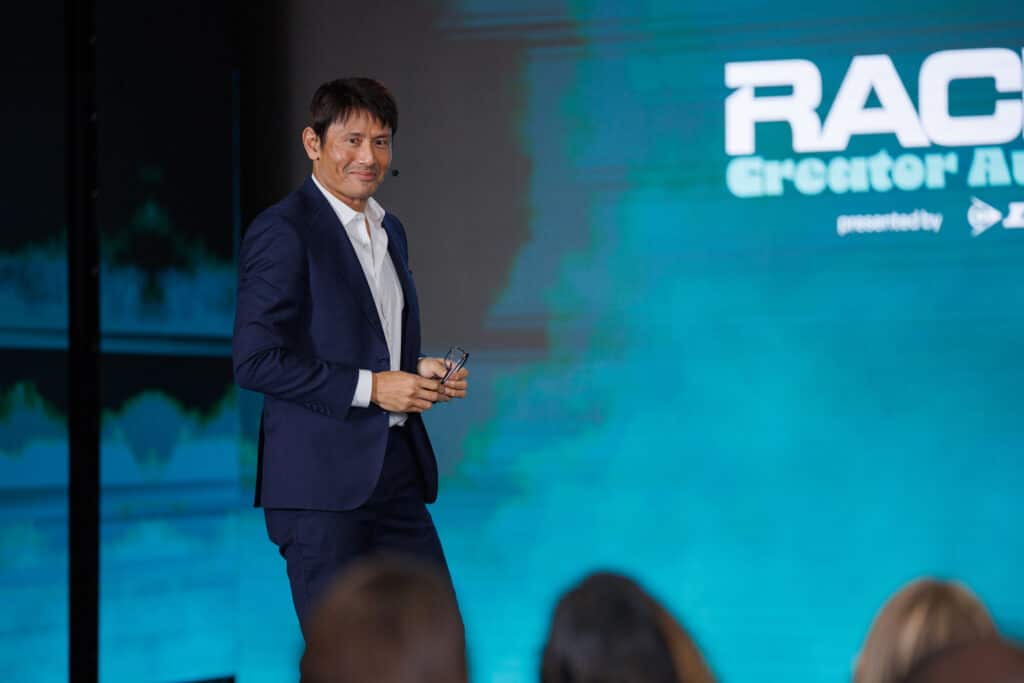
RACER, best known for its 33-year history in print and digital motorsports journalism, had begun exploring how traditional media could evolve within the creator economy. For Taro, who had co-founded “GTChannel,” one of the first professional car video networks on YouTube, and later sold it to a publicly traded AI video company, the move represented both continuity and expansion.
“Automotive is the second-largest advertising and sponsorship segment after retail,” Taro says. “There’s already a ton of content, but no unified platform where creators, brands, and fans can come together. That’s the gap we wanted to fill.”
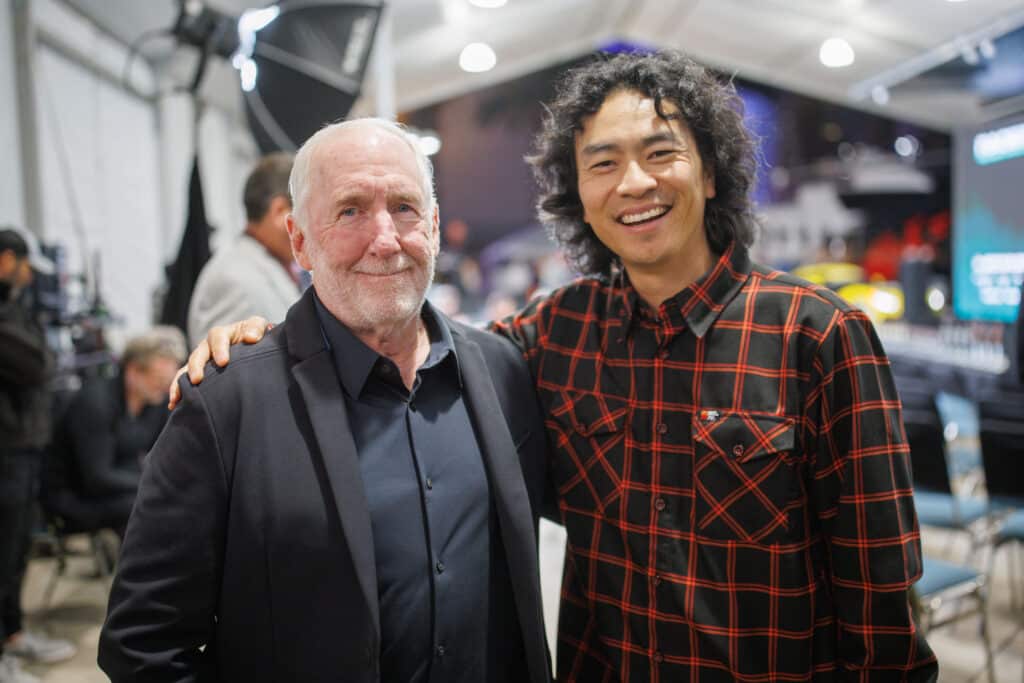
Taro’s early years navigating YouTube’s first wave of professional content creators shaped his belief that collaboration, not competition, defines modern media success. “It didn’t make sense to compete anymore,” he says. “We’re all on the same platforms now: YouTube, TikTok, Instagram. The real question is how we can help creators do what they do best and elevate the space together.”
That philosophy culminated in the launch of the RACER Creator Awards, held November 20, 2025, at the Los Angeles Auto Show; the first large-scale recognition program dedicated exclusively to automotive creators. Sponsored by Dunlop and partnered with K1 Circuit, the event marked RACER’s most ambitious step into the creator economy, redefining how motorsports media engages with digital talent.
Recognizing the Storytellers Behind the Wheel
The RACER Creator Awards grew from Taro’s conviction that the automotive creator space needed validation from within the industry. “There are awards for influencers, for gamers, for lifestyle creators,” he says. “But nothing that celebrates automotive creators, the people building cars, racing, teaching, or just documenting the culture.”
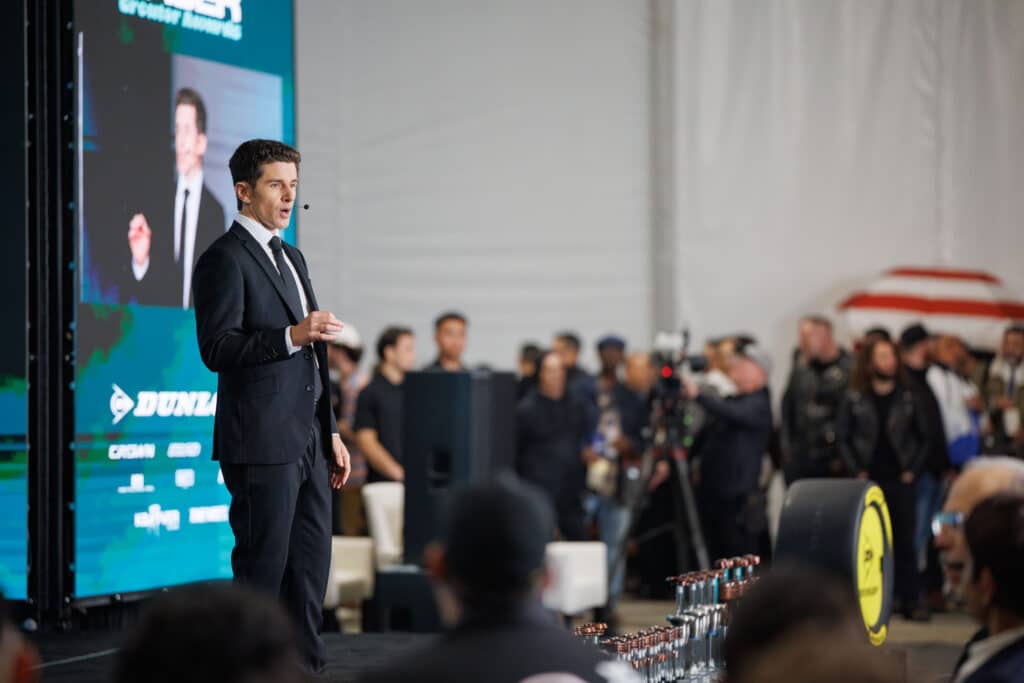
Hosted on the AutoMobility LA main stage, the event drew nearly 300 guests, despite rain in Los Angeles. The show featured 20 awards across four major categories: “Community & Culture,” “Content,” “Platform,” and “Special Awards.” Within those, subcategories such as “Best YouTube Channel,” “Best TikTok or Instagram Creator”, and “Best Branded Content” recognized excellence across formats and disciplines.
Taro emphasizes fairness in the judging process. Entries were open to anyone, with nominations vetted by a RACER committee and final decisions made by an independent panel of veteran automotive creators: Jeff Zwart, filmmaker and rally driver; Brian Scotto, co-founder of Hoonigan and creative partner of the late Ken Block; and Larry Chen, acclaimed photographer and car culture icon.
“Those three judges represent everything automotive storytelling stands for: passion, creativity, and credibility,” Taro says. “When the nominees were announced, even new sponsors came on board because they realized this wasn’t a token event. It was serious.”
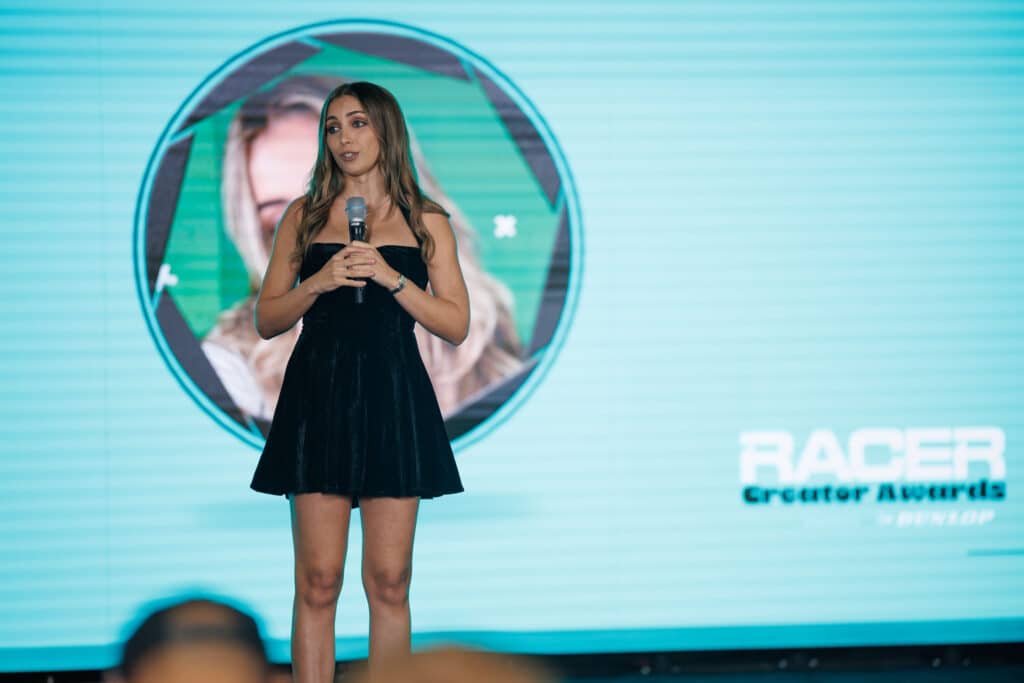
Among the highlights was the “Creator of the Year” award, presented to Emelia Hartford, known for her racing builds and social presence. “No one questioned her win,” Taro notes. “She makes great content, she races, she builds her own cars. She’s the real deal.”
The “Legacy Award” went posthumously to Ken Block, whose viral “Gymkhana” series helped define YouTube’s early car culture. His widow, Lucy, appeared via video message, while RACER announced that the award will henceforth bear his name – the “Ken Block Racer Legacy Award.”
Building a Culture of Collaboration
Taro often frames the phases of media through a metaphor. “Fifteen years ago, we were all monkeys in a cage fighting over the bananas,” he outlines. “Those bananas were the views, the audience. But now we’re in the wild, and the bananas are everywhere. There’s no point fighting over them. It’s time to form tribes and move together.”
The analogy reflects a deeper shift in RACER’s philosophy: away from zero-sum competition toward ecosystem building. “Our mission isn’t to compete with creators,” he says. “We need to make ourselves useful – to find ways to work with and support them. Step one is acknowledgment: saying, ‘You’re doing great work, keep going.’ That’s where trust starts.”
That trust has already begun to translate into partnerships. K1 Circuit, owned by K1 Speed, joined the awards as Official Karting Partner and Community & Culture Category Sponsor. The collaboration extends beyond the ceremony: K1 will host a RACER Creator Awards VIP Experience Day in January 2026, inviting winners to its flagship outdoor karting facility in Winchester, California, for racing, networking, and content creation.
“They didn’t just want to stick their name on an award,” Taro says. “K1 is a community-driven company. Their customers are already creating content with GoPros on their helmets. Partnering with them for the Community & Culture Award made perfect sense.”
Turning Traditional Media Into a Creator Ally
For RACER, the Creator Network represents both diversification and renewal. “I think few media brands today are considered friends of creators,” Taro says. “We want to change that.”
To help bridge that gap, Taro launched “The Creative Drive” podcast, featuring interviews with automotive creators about their craft and careers. “By having them on our platform, it puts us in the same conversation,” he says. “It’s a way of saying: we see you, we value what you’re doing, and we want to tell your story.”
The initiative builds on RACER’s multi-platform presence (print, web, streaming, and social), but reorients it toward collaboration. Rather than treating creators as competition for attention, RACER positions itself as a facilitator. The company also operates RACER Studio, an in-house agency connecting brands with audiences through creative and event activations.
That ecosystem model mirrors broader trends in the creator economy, where publishers are re-emerging as intermediaries between creators and advertisers, leveraging editorial authority and audience trust to mediate partnerships.
Lessons From the First Year
The inaugural event’s success reinforced the concept’s ability to fill a market gap. “After the show, people came up to me saying, ‘Our community needed this,’” Taro recalls. “That’s when I knew we did the right thing.”
For him, the most fulfilling moment wasn’t the applause but the early stage of execution. “When someone believes in your dream before it exists. That’s powerful,” he says. “Once our partners signed on, I knew I had to make it succeed for them, too.”
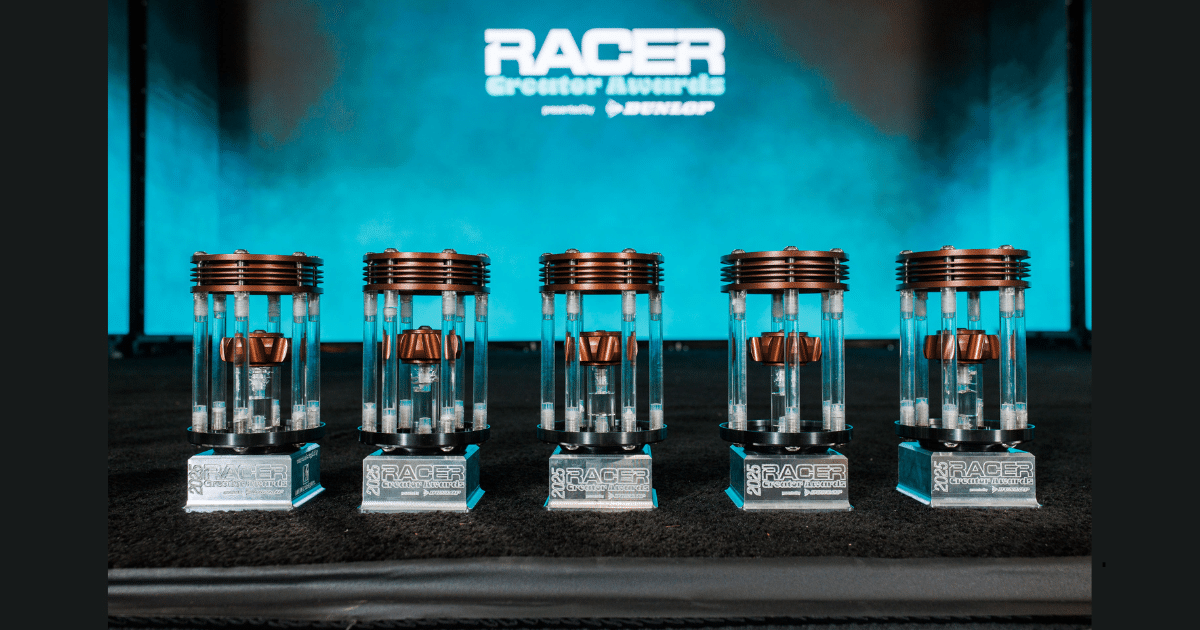
From sponsor relationships to stage production, Taro oversaw the details. Custom trophies were fabricated from Formula racing car wheel hubs provided by partner Metalore and engraved with “RACER Creator Awards 2025.” The rain-soaked tent was still filled to capacity. “It never rains in Los Angeles,” he laughs. “But nearly 300 people showed up. That tells you something.”
Beyond the Awards
Even as the awards dominate attention, Taro sees them as just one pillar of RACER’s creator strategy.
In December, the one-hour televised special of the RACER Creator Awards will air on RACER TV and the RACER YouTube Channel. Later in the month, Taro will moderate a panel at the Performance Racing Industry (PRI) Show in Indianapolis titled “How Influencers Can Influence Your Customer Base.”
The Creator Network will also host a RACER Creator Hub inside the Indianapolis Convention Center, where PRI takes place, a space where creators can recharge, film content, and network. “It’s a simple idea,” he says. “A place to rest, talk, shoot something if you want. But it’s also symbolic: we want creators to feel they have a home with RACER.”
Where Automotive Creators Go Next
Looking beyond the awards, Taro sees a significant development underway in the automotive creator space.
“Every creator is starting to think about themselves as entrepreneurs, not just content makers,” he says. “That’s exciting, because I’m an entrepreneur myself. When creators expand beyond content, into products or services that truly fit their audience, that’s where things get interesting.”
He believes genuine content is central to the next phase of influencer marketing. “Fans are smarter now,” he says. “They won’t buy something just because a famous face is attached. But if a creator says, ‘I’ve been using this tool to fix cars for years, and now I’ve developed my own version,’ that makes sense. It resonates because it’s real.”
For Taro, that realism and the community it fosters lie at the heart of RACER’s future. “Consistency is key,” he says. “We’ll learn from this first year and keep improving, step by step. It’s the Japanese idea of Kaizen: always getting better.”