







Technology
Matriarch Digital Media: A Business Model For Women’s Economic Influence

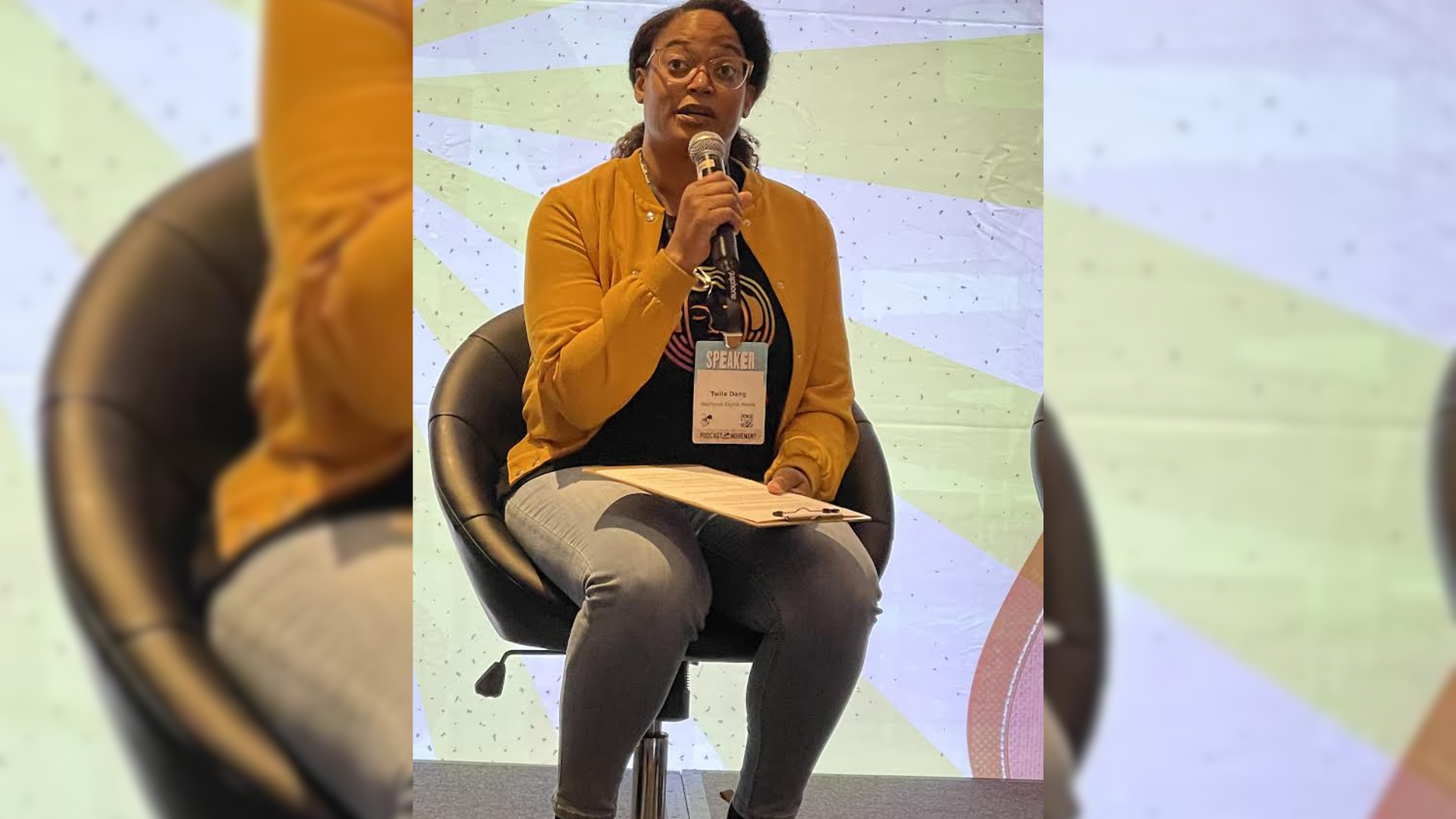
Matriarch Digital Media, founded in 2016 by Twila Dang (now CEO), produces women-focused content through podcasts, videos, and newsletters from its headquarters in Minnesota. The company operates as an entertainment education platform that creates media celebrating women exactly as they are.
Twila, who holds a Bachelor’s degree in Psychology and Sociology, got into the media business via an unexpected path. “My media career started because I made a joke at a party and it got me a job,” she recalls. At a lunch with friends, she joked, “I’m so glad I know all these professional women because all I’m good at is talking, and nobody pays me to do that.”

That offhand remark led to a meeting with a radio program director and eventually a show. “I had no history in radio, no broadcasting degree, nothing,” Twila notes of her surprising entry into a field that would ultimately lead to Matriarch.
She later discovered a compelling economic insight that shaped the company’s mission. “Women ages 30 to 55 control 80% of all household spending decisions in the United States,” says Twila. “We control a tremendous amount of money in this country. We’re brand loyal. If we like a brand and it makes us feel good, we’ll keep supporting it, often across generations.”
Despite this influence, she observes that media often failed to respect women’s decision-making power. “Most industries that target women do it by undermining our value to sell products,” she says. “We’ve been gaslit, plain and simple.”
This gap between women’s economic power and their media representation revealed a market opportunity that Matriarch now serves through content designed to affirm, not manipulate. “We’re an entertainment education platform that supports women and celebrates them exactly as they are,” says Twila. “We don’t ask women to change. We want them to feel comfortable with themselves.”
This economic perspective extends beyond traditional consumer categories. “Car commercials aren’t built for us, even though we often decide what car is driven,” Twila notes. “We make most household decisions. We might not buy the house ourselves because we’ve been taught we don’t know enough about finance, but we decide what’s paid for inside that home.”
Twila’s research into women’s economic power also uncovered something that drives Matriarch’s approach: the idea that women’s influence has been deliberately minimized.
“We’ve been told we have ‘soft power,’ but there’s nothing soft about how we move through the world and support it,” Twila says. “We’ve been taught that soft power doesn’t matter, but when the stakes are high, it’s the most important kind.”
By recognizing women’s actual economic role and addressing how media often disregards it, Twila positioned Matriarch to serve a large, underrepresented audience with respect.
A Tiered Approach to Media Services
What began as a podcasting venture in Twila’s basement has grown into a multifaceted media operation with three divisions serving different segments of the creator economy.
The network division produces forward-facing content for women, serving as an entry point to the Matriarch ecosystem. “Join the network, find community, and feel good about the content,” Twila says.
The studio division creates content for paying clients across various industries. “We make content for clients in health and other sectors,” says Twila, adding that the work’s success has attracted major organizations. “Our work has been so effective that I’ve been recruited several times by public media, including American Public Media Group and Minnesota Public Radio, while still running Matriarch.”
The newest division, Matriarch Artists and Repertoire, provides strategic coaching for public-facing professionals. “We teach people how to be comfortable being themselves on mic and on camera,” Twila explains. “People think they can’t be good at it, but if I could learn, I can teach it.”
Creating Genuine Content Through Strategic Guidance
Matriarch’s client services prioritize real content and readiness over quick profit. “When people come to us, we build a plan so they can fully express themselves and control what they create,” Twila says.
Sometimes, this means turning away clients. “If someone isn’t ready to make a podcast, I’ll tell them not to do it,” she explains. “I’m not just in business to make money, though my accountant wishes I were.”
Instead, Matriarch helps clients find the best way to connect with audiences. “Too many people quit after a few episodes when they could be doing something powerful if they gave it more time,” Twila says. “You just have to stay committed.”
This commitment to quality, she adds, has attracted a diverse client base. “We’ve worked with individuals launching books or products, and with institutions like Vanderbilt and the University of Minnesota,” Twila says, noting that the company is now being invited to bid on national projects.
Building Infrastructure for Women’s Voices
“When women own their voices, they change culture” – that is Matriarch’s mission statement, and it connects its business activities to a larger goal. Twila sees her company as building infrastructure that helps women recognize and use their influence.
“We’re more powerful than we’ve ever realized,” she says. “I focus on women because we need infrastructure that helps us step into our actual power.”
This mission also ties to broader social issues. “We’re struggling as a society because men were never taught to express emotions the way women were,” Twila says. “If men had better access to their feelings, we’d see less violence.”
By building systems that celebrate women’s strengths, Matriarch offers a model for addressing wider cultural challenges. “Women hold space for everything,” Twila says. “When they don’t, it’s because they’ve been taught not to. That’s not who we are.”
Success and Growth
One thing Matriarch’s development showed Twila is that affirming content can deliver results. The company began as a basement operation with a $15,000 investment from a single investor who remains involved today. “He made the first investment and still owns a percentage of the company,” Twila notes.
That investment has grown into a company that works with major organizations while maintaining independence and mission. As Matriarch approaches its ninth year, Twila anticipates expansion. “The next 18 months will be transformative,” she says.
Plans include launching six new shows in 2026 and adding a sales team to pursue new business. “We’ve never had a sales engine,” Twila explains. “Now we’ve brought on a team with experience from places like Pacific Content to help us move into higher-level podcasting.”
In the creator economy, where Twila sees trends toward corporate consolidation and unsustainable growth, Matriarch is focused on genuine engagement and sustainability.
“We skipped the part about sustainability and infrastructure,” Twila says of the broader podcast industry. “We went straight for money.”
Matriarch’s deliberate growth model instead emphasizes value through honest content and strategy. “We’re doing what we’ve always done,” Twila says. “It’s just going to be the loudest we’ve ever been, and I’m proud of that.”
Subscribe to Our Newsletter
Check Out Our Podcast