


Influencer
What a Decade as a Wellness Creator Taught Sophie Jaffe About Working With Brands

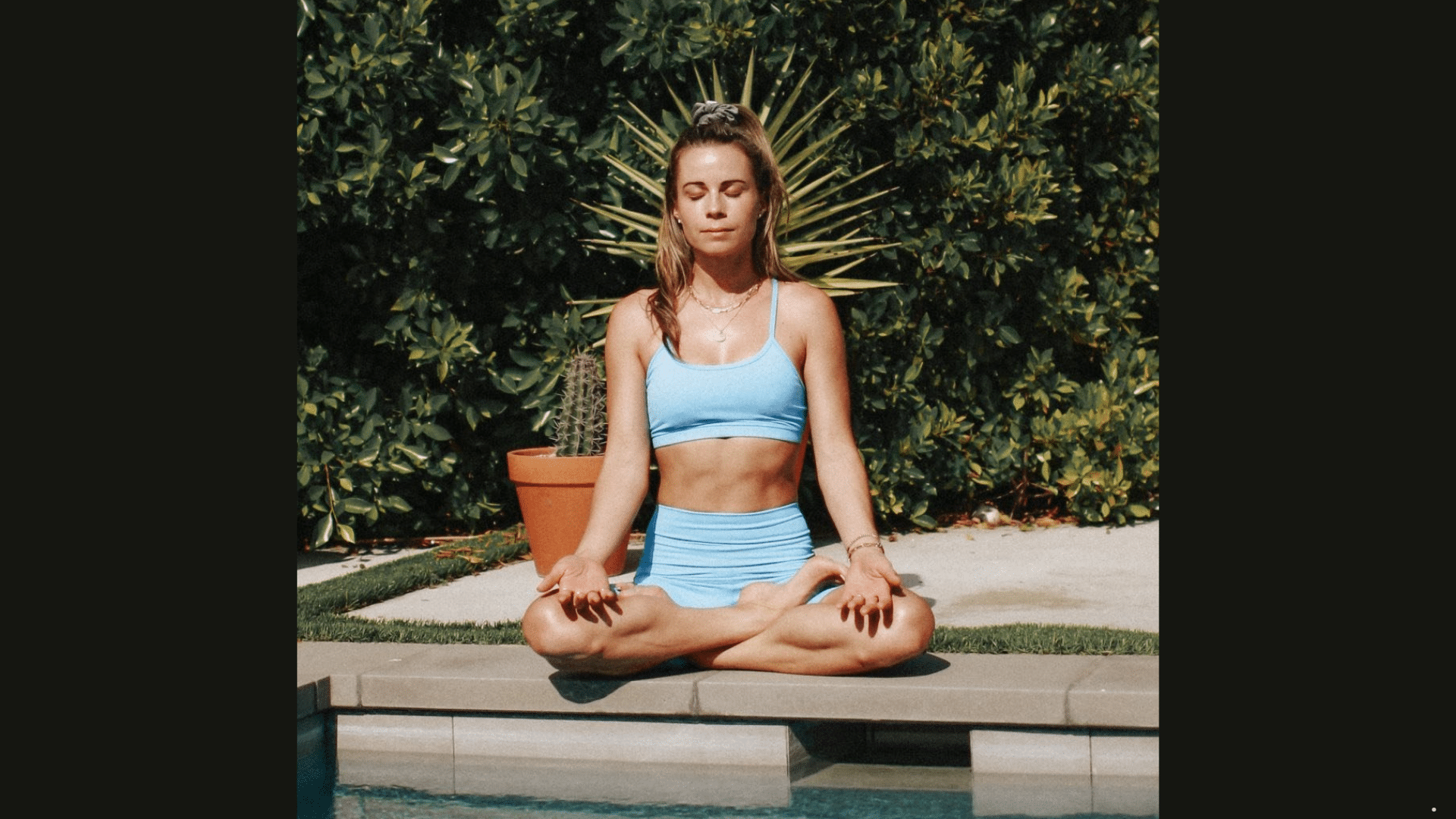
Sophie Jaffe started posting on Instagram when her children were only one and three, before the platform had a vocabulary for what she was. More than a decade later, she has closed the superfood company she built alongside it. The account is still running.
The company was Philosophie, a Los Angeles superfood and cleanse brand she launched in 2009 and wound down in the fall of 2025. Sophie is its founder, a UCLA health psychology graduate, and a seventeen-year retreat leader who is represented by Neon Rose Agency. Her content, which she describes as an honest account of her daily life, has remained the throughline even as the business around it has shifted.
“I pride myself on showing up as I am,” Sophie says. “The influencer stuff comes and goes. Partnerships come and go. But I’m consistent and showing up as myself, and I know that’s part of my human design.” That principle has guided her through multiple pivots, a personal loss, and most recently, a run of viral “Type B mom” skits that brought a Wall Street Journal feature in their wake.
The Account That Became the Business
Sophie’s first Instagram was not a creator account in any sense. “It was really just a real account of my day-to-day, trying to build a business while having young kids,” she recalls, “sharing in a way that no one really was yet.” As brand interest mounted and the line between her personal presence and Philosophie’s commercial identity blurred, she made what she describes as one of the defining decisions of her career: she split the accounts.
“That was one of the pivots where a big influx came,” she says. “A big turning point in my career as an influencer.” The personal account, freed from product obligation, gave her room to develop something harder to replicate than a product line: a voice people returned to for reasons that had nothing to do with supplements.
That logic now governs how she distributes attention across platforms. YouTube, where she once posted yoga content and recipes, has quieted. Instagram, she explains, is where she is most fluent, and fluency compounds. “I know the language of Instagram. I understand I have a real relationship with Instagram on a personal level,” she says. “Because I show up there more, that’s where everyone is.”
A Pause, and a Return on Her Own Terms
The most notable disruption to Sophie’s creator business came from outside the platform. After her mother died, she stepped back from brand partnerships entirely. “For a while after my mom passed away, I just wanted to focus on my kids, focus on myself, enjoy this beautiful life that I built,” she says. The break lasted roughly two years.
What brought her back was not a content strategy but internal readiness. “As I’ve built more resiliency and become more resourced within myself, I have organically started bringing in more brands again because I have the energy to do so.” The distinction she draws is intentional. For Sophie, the timing of a partnership is as much a criterion as its category.
Her current content runs approximately 70% organic, 30% partnerships, a balance she adjusts based on bandwidth. “In the beginning of my career I did make mistakes where I would follow the money,” she says. “It’s just work. Who cares? But it matters.” The correction came through slow recognition that audiences register misalignment even when creators believe they have hidden it.
Humor as the New Growth Lever
The most recent growth cycle for Sophie’s account did not come from wellness content. It came from skits. Over the past year, she has leaned into her “Type B mom” persona, producing short-form comedy about parenthood, wellness culture, and domestic chaos, made with and without her children, that positions her as the opposite of aspirational polish.
“Whether it’s about wellness or about being Type B, about parenthood, the fact that it’s crazy and wild and unexpected and just throws me on my ass, I think finding humor in that is really important,” she says. “And then it’s really important for people to feel comfort in me not taking myself so seriously, which allows them to sit back and just laugh at whatever the thing is.”
The format brought a Wall Street Journal feature. Sophie notes the press came after the viral traction, not before it. Humor, she finds, gives her audience permission not to take things too seriously, including themselves.
What Brands Get Wrong About Influencer Partnerships
Sophie’s most direct critique lands on how brands measure results. “A lot of brands believe that initial post is going to be the thing that moves the needle,” she says. “Sometimes, it will. But it’s an accumulation of many posts and many reminders and many influencers.” The infrastructure most brands build around single campaign deliverables, she argues, misunderstands how trust actually develops with an audience.
Her preferred model is long-term: minimum three months, ideally six to 12, with wide creative latitude, adding it is about “taking care of your influencers and doing a longer partnership and letting them organically tell the story.”
The worst pitches Sophie receives, she adds, arrive with legal language requirements, specific audio restrictions, and approval processes that, as she puts it, “wipe out all the fun.”
Her own vetting process before agreeing to a deal is deliberate. “By the time [the product] lands on my reels, I’ve already tested and tried, probably for weeks or months, whatever that product is, before giving my stamp of approval,” she says. Whether she finds a brand or Neon Rose brings one to her, the first request is always the same: send samples, and wait.
Seventeen Years of Retreats, and What They Can Actually Sell
While Sophie’s digital work has reinvented itself several times, one part of her career has stayed continuous. She has led retreats for 17 years, a span that includes couples retreats with her husband, an early Free People retreat in Mexico, and a recent gathering in Costa Rica built around yoga, movement, and women’s circles.
The retreats have also developed into a model she believes brands underuse. “I think it’s really fun for a brand activation to do a full-day retreat in person and bring people together,” she says. “They can get lots of video content, but it’s also a way to really teach the consumer how to use that product in real time.”
Her next project is less formed. She is exploring a community, possibly virtual, for parents of children she describes as “spicy,” particularly those dealing with ADHD and the teenage years. “I keep coming back to that because I know there are a lot of parents out there suffering and I want to offer what I’ve learned,” she says.
Half a Million People Who Actually Get It
Sophie’s five-year target for her platform is specific, but not in the way most creator growth plans tend to be. “I would love in the next few years to get up to like half a million,” she says, “but really, like, people that get it and want to feel safe and held in my bubble.”
For retreats, she envisions returning to three to four per quarter, closer to the cadence she maintained before burnout required her to pull back. “I like to weave my job, my work, my passions into my normal life so it doesn’t feel like work,” she says. The integration she describes has been her operating principle since she first started posting.
Her advice for creators entering a competitive platform environment is not tactical. “You have to come from your why,” she says. “Finding your own voice in all of this social media noise and your own direction, your own why is the most important thing. And it will be your compass that shows through in everything else.”
Subscribe to Our Newsletter
Check Out Our Podcast