


Platform
Instagram’s Mosseri Says Platform Needs Better Tools to Stop AI From Copying Creators’ Work

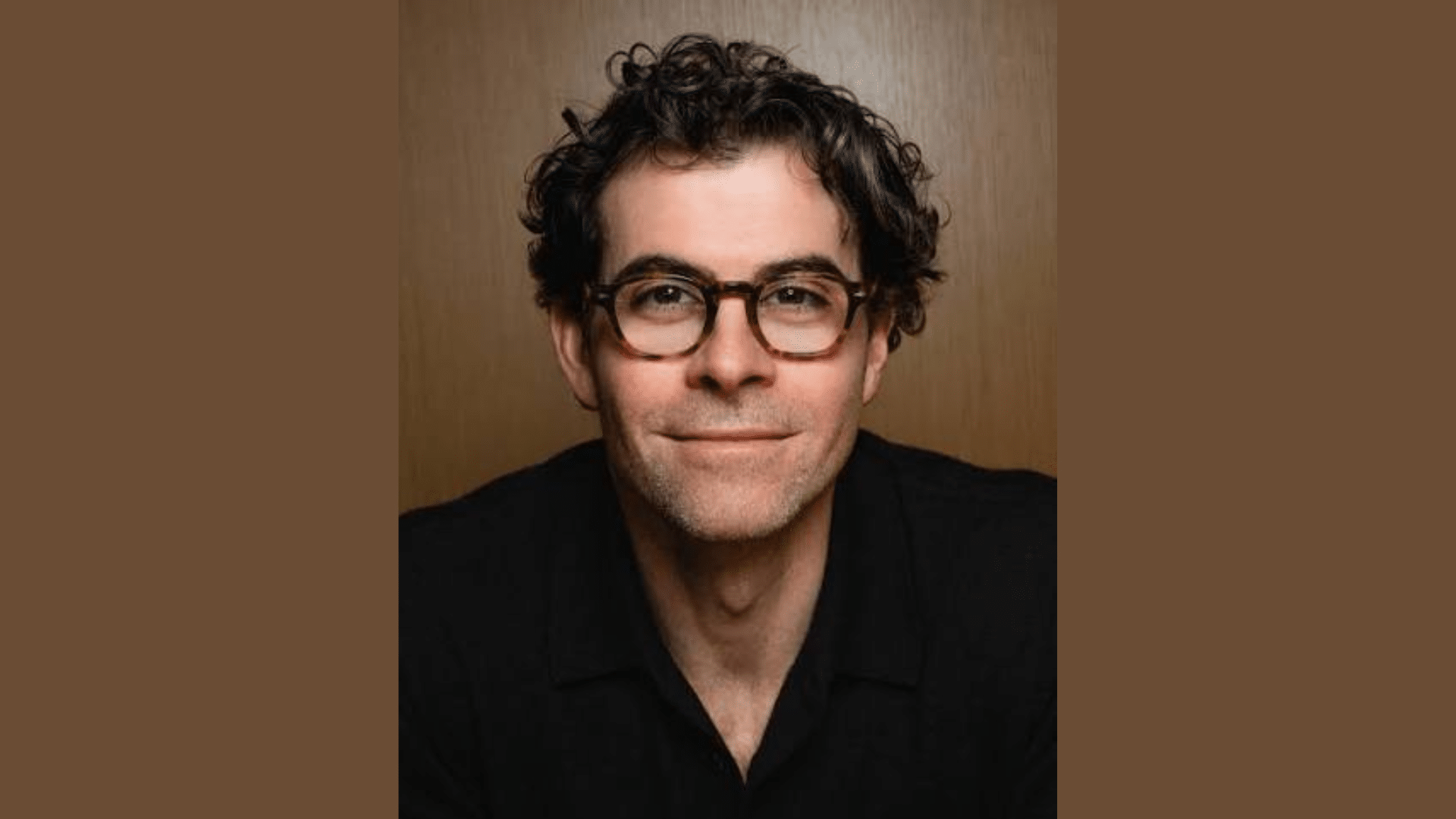
Instagram head Adam Mosseri said the platform needs to do more to prevent AI tools from replicating creators’ work, responding this month to an artist who complained that Instagram was hosting AI-generated content copied from his art, according to Social Media Today.
“To be clear, I am very worried about this trend,” Mosseri wrote in a Threads post. “We are actively working out what to do, it’s just a tricky problem. We already let people make copyright claims against content, and take stolen copyrighted material. That’s not enough though, as assume many comedians and dancers haven’t gone through the trouble to copyright their material. We need a way to help those creatives without letting bad actors make more fake claims (happens all the time unfortunately).”
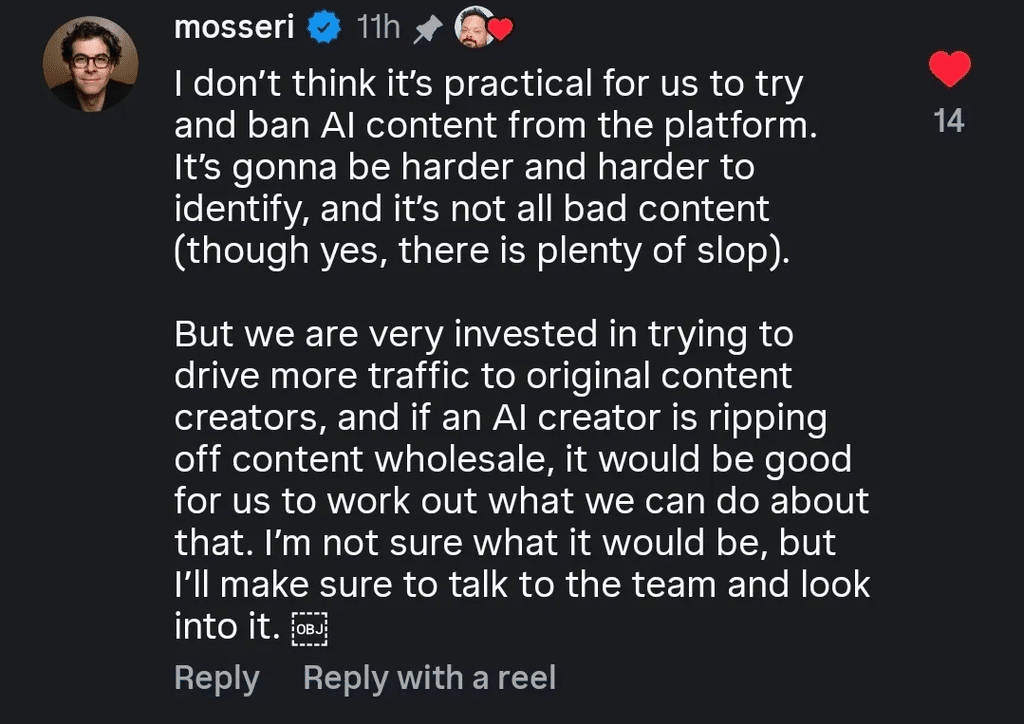
Mosseri addressed the issue again in his weekly Q&A, posted as a temporary Instagram Story, where he said the platform does not suppress content simply for being AI-generated. “We do not throttle the reach of AI content just for being AI content. Our idea with ranking is to connect you with content that you like and not with content that you’re not interested in, whether or not it’s AI,” he said. “Now, there’s some great AI content, and there’s a lot of slop out there, and so, ideally, ranking is doing its thing, but obviously we make some mistakes sometimes.”
Mosseri said Instagram wants users to know when content was AI-generated and that the company is working on ways to improve transparency, including adding more labels and incentivizing creators to voluntarily tag AI-generated material.
A Pattern of Incremental Fixes
The comments extend a year of piecemeal moves by Instagram to manage AI disclosure without slowing adoption of its own generative tools. In May, the platform introduced a voluntary “AI creator” label for accounts that regularly use AI tools in production. In September, it went further, renaming the label “AI-generated profile” and tying disclosure to distribution for the first time: profiles built around a synthetic person that go unlabeled can lose eligibility for recommendation surfaces like Reels and Explore, though creators who simply use AI tools during production are exempt from the requirement.
That September policy followed reporting cited by TechCrunch on AI-generated influencer accounts promoting a dating app through unsolicited direct messages, and on AI-generated doctors and wellness figures making health claims to sell supplements.
Meta has also walked back AI features under outside pressure before. In July, it disabled an Instagram Stories tool that let users generate AI images by tagging other public accounts, days after CAA and SAG-AFTRA objected that the feature used people’s likenesses without documented consent.
Mosseri had previewed the stakes of this tension in a December outlook post, arguing that as AI-generated content scales, “authenticity is fast becoming a scarce resource” and that individual creators would grow more valuable as AI makes creative output easier to replicate. The unresolved question the artist complaint raises is whether Instagram’s current tools, copyright claims, and voluntary labels are enough to protect that value, or whether the platform’s own push to scale AI content creation is outrunning its ability to police what gets copied.
Subscribe to Our Newsletter
Check Out Our Podcast