




Technology
How NexTide Plans To Make Livestreaming Safe Enough For Big-Brand Advertising

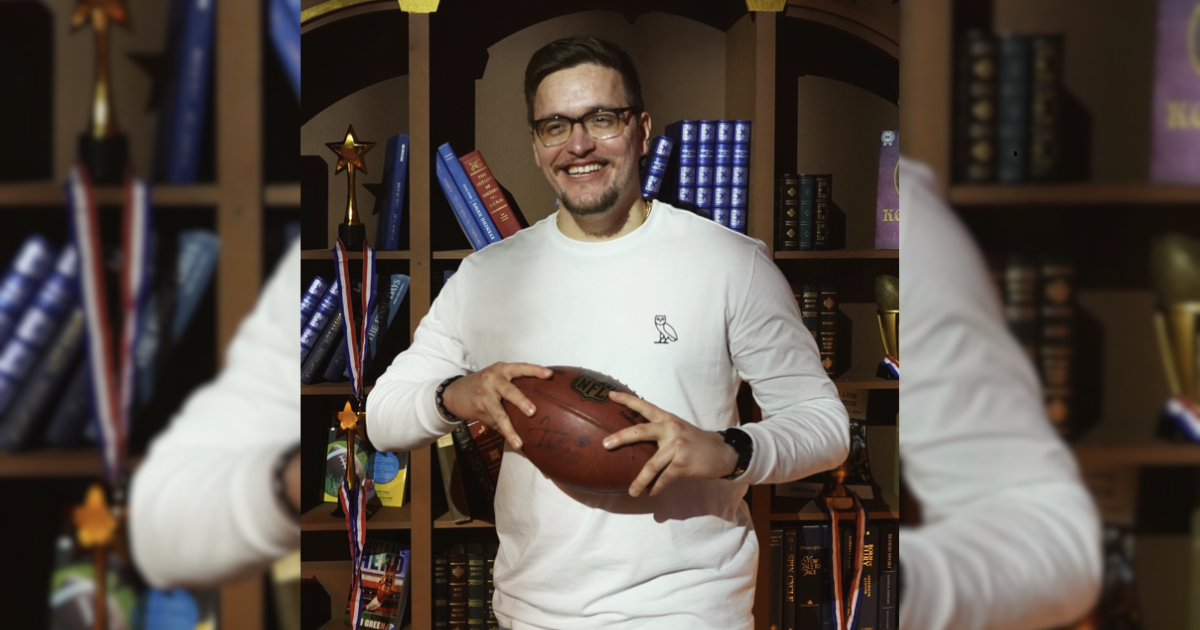
Alexander Guerrero believes livestreaming deserves the same legitimacy as television or digital display. As founder and CEO of NexTide, he’s building the infrastructure to make that possible by turning creator-led broadcasts into scalable, brand-safe media inventory.
Through his network, Alexander aims to solve a problem that’s long held the format back: trust. Brands have struggled to invest confidently in live platforms like Twitch or YouTube Live, wary of unpredictable content and limited measurement tools. “These big blue-chip brands are scared of livestreaming,” he says. “They don’t know what they’re walking into, and there’s no infrastructure to protect them.”
Alexander’s approach reflects a career spent bridging creativity and commerce. Before founding NexTide in 2024, he led partnerships at Enthusiast Gaming, helping develop “NFL Tuesday Night Gaming” and campaigns for Disney, State Farm, and Verizon.
The idea for NexTide emerged from a moment of burnout. Alexander and a colleague were managing a creator campaign when three talents dropped out on the day of a live activation. “We were tossing a football in the office, just exhausted,” he recalls. “We said, ‘There’s got to be an easier way to do this.’”
Along with co-founders Kyle Freedman, Jerome Aceti, and Matt Goodman, Alexander began exploring how to apply programmatic advertising fundamentals to livestreaming. The first version of NexTide’s platform enabled creators to display banner ads during streams; a simple step toward treating livestreams as digital inventory rather than bespoke influencer deals.
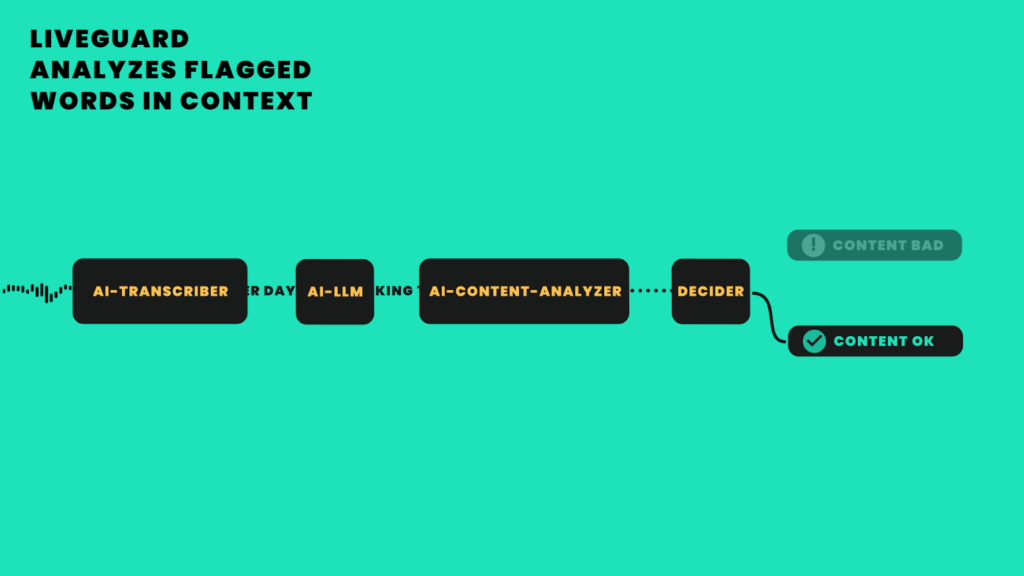
Six months of buyer focus groups and feedback confirmed their thesis: brands wanted to invest, but needed safety and standardization first. The turning point came with LiveGuard™, NexTide’s AI-powered brand safety platform. Launched in late 2025, it introduced the kind of infrastructure that had long been missing from the category.

Making Live Safe: The LiveGuard™ System
For advertisers, LiveGuard works in three layers: PreFlight, LiveOps, and PostFlight.
- PreFlight vets streamers’ recent content to ensure alignment with brand safety standards.
- LiveOps monitors broadcasts in real time, automatically pulling ads when language or topics cross pre-defined thresholds.
- PostFlight delivers detailed sentiment and engagement data, showing how audiences reacted in chat or voice to brand integrations.
“If someone starts going off on a tangent, LiveGuard detects it and yanks the ads in a second and a half,” Alexander explains. “We give brands total control over their comfort level. A Disney campaign can exclude profanity entirely, while an alcohol brand like Bacardi might allow more flexibility.”
Brands can also adjust filters by topic, from politics to competitive mentions, and even tone. A forthcoming feature will use voice analysis to detect rising tension or aggression, predicting when a stream may enter risky territory.
“We want to make livestreaming as safe and measurable as display or YouTube,” Alexander says. “But it has to be purpose-built for live, not copied from static media.”
Building Ads That Respect the Stream
Balancing brand control with creator authenticity has become NexTide’s central challenge. “We give creators full control over placement,” Alexander noted. “They decide where ads appear on their screen, as long as they’re legible.”
NexTide currently offers two primary formats. The Omni Banner acts like a persistent, creator-controlled display ad, while Immersive Frames are dynamic overlays triggered by voice or in-game moments. “Say a streamer says, ‘I’m taking a break,’ and suddenly Pepsi splashes across the screen,” Alexander says. “It’s interactive and fun, not disruptive.”
This contextual sensitivity extends to when ads appear. Immersive Frames are timed to coincide with pauses or transitions, avoiding key gameplay moments that audiences care about. “We never want to interrupt the experience,” Alexander adds.
Streamers as Publishers of Modern Culture
NexTide has already built a network of nearly 800 creators, with first- and third-party data on their audiences, including demographics and household income, as well as brand affinity. This allows NexTide to match creators with campaigns more precisely than typical influencer deals.
“When brands come to us, they often say, ‘We’ve bought Twitch ads before, but we don’t really know what results we’re getting,’” Alexander says. NexTide reframes the pitch: it’s not about targeting “gamers,” but about the 18-34 demographic that spends hours each day watching live content.
Creators benefit too. “For them, it’s unsold inventory,” he says. “They’re not doing talking points or sponsored scripts; just their regular content with our banner or chatbot panel. It’s easy revenue.”
Alexander emphasizes that NexTide avoids exclusive contracts. “We’re not an agency or a management firm,” he says. “We prefer flexibility and working with whoever fits best for the brand.”
Measuring Engagement in Real Time
NexTide campaigns are measured on impressions, engagement, and sentiment. Engagement includes clicks, chatbot triggers, and even chat reactions, such as “W sponsor.” The company’s analytics then interpret these reactions as indicators of awareness or favorability.
One example was NexTide’s campaign for the BET Awards, where viewers began spontaneously discussing the event in chat. “People were saying, ‘Are you going to the BET Awards?’ and ‘I love that they’re supporting Black creators,’” Alexander recalls. “That’s organic brand lift you can’t get from a banner on a website.”
For “Kingdom Come: Deliverance 2,” a streamer’s gameplay mishap unexpectedly triggered viral attention. “The clip got picked up by huge creators like Asmongold and Tyler1,” he says. “The brand paid for about four million impressions, but got another five million organically. We don’t guarantee earned media, but it’s built for it.”
A First-Time Founder’s Learning Curve
Despite his background in major campaigns for Disney, Verizon, and State Farm, Alexander found entrepreneurship humbling. “No one cares what you’ve done before,” he admits. “You email them from your new startup address, and it’s like they’ve never met you.”
Convincing brands to take a chance on a young company required persistence. “Every campaign we’ve run – State Farm, BET, NFL – gave us the proof we needed,” he says. “Now those same brands are coming back.”
Alexander credits NexTide’s progress to his team. “Our CTO (Chief Technical Officer) built systems used on the International Space Station. Our CPO (Chief Product Officer) is a brilliant AI scientist. And our talent lead, Shannon Larkin, knows everyone in this space,” he says. “I just want people to know how great they are.”
As 2026 approaches, NexTide’s focus remains on building the missing infrastructure for live media. Beyond LiveGuard, the company is developing new tools for measurement, targeting, and brand safety beyond audio, continuing its mission to make livestreaming a true line item on media plans.
“Everything we’re building is rooted in traditional media,” Alexander says. “But it’s made specifically for live, because if you’re a jack of all trades, you’re a master of none. We want to master live.”
Subscribe to Our Newsletter
Check Out Our Podcast