Meta Platforms has agreed to pay up to $18 billion over the next decade and impose sweeping restrictions on how teenagers use Instagram and Facebook, settling lawsuits with nearly all U.S. states over allegations that its platforms were designed to addict children.
The accord, reached during a federal trial that began August 18, mandates stricter age verification, a two-hour daily usage cap across both apps, a midnight-to-6 a.m. blackout, suppressed push notifications during school hours, an optional non-personalized feed, and limits on like counts and beauty filters for users under 18. A contingent portion of the payout (roughly $5 billion) depends on Snap, TikTok, and YouTube adopting comparable protections.
The settlement, already approved by a federal judge, could serve as a template for resolving thousands of additional lawsuits against social media companies, as governments worldwide move to restrict minors’ access to harmful content online. For brand marketers, the immediate question is how these constraints will reshape creator campaigns on Meta’s platforms.
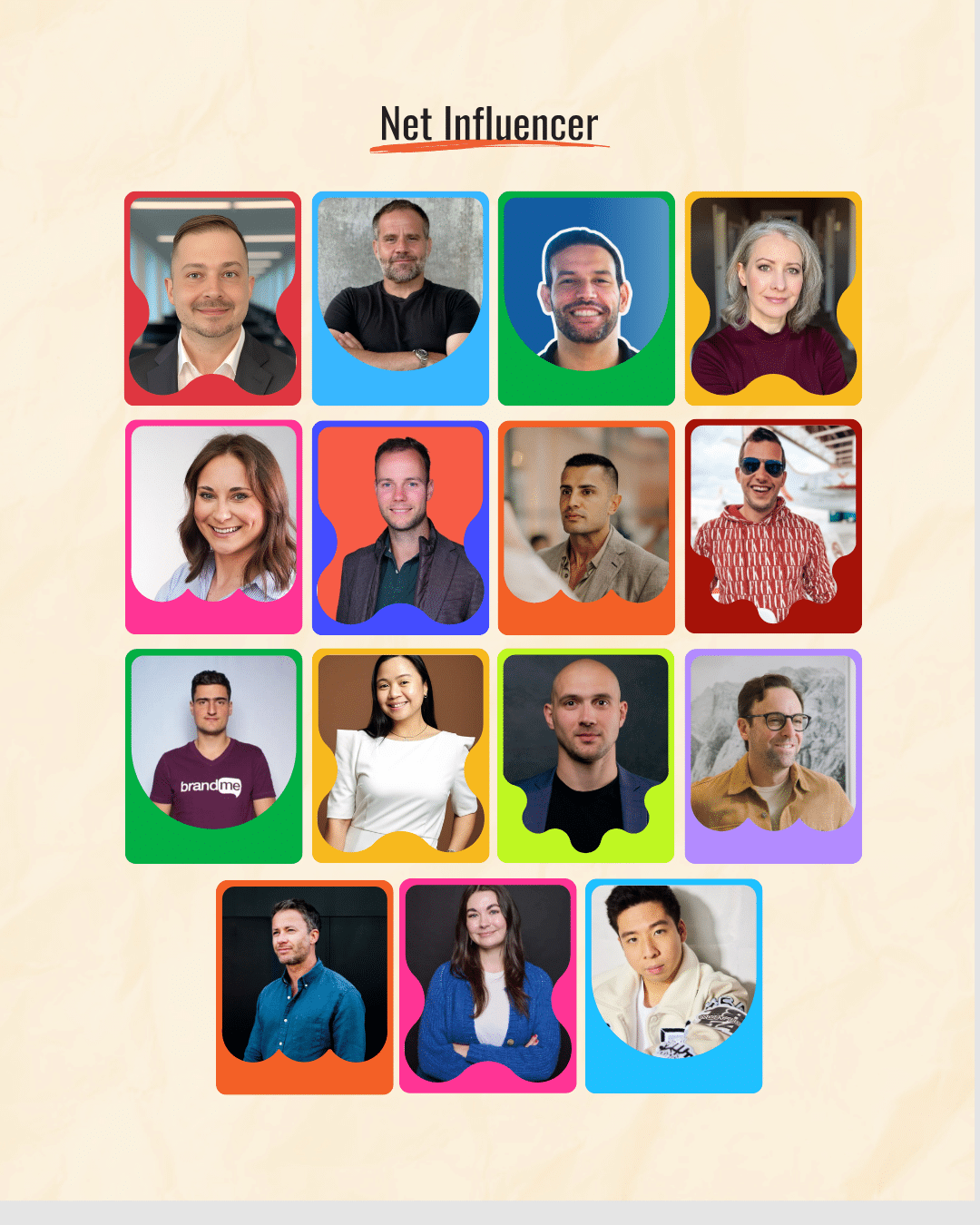
We asked 15 industry professionals to weigh in on what, if anything, they would adjust: budget, creator mix, platform strategy, or campaign briefs.
Everyone’s going to run the lost-reach math first. That number is smaller than it feels. Under-18 was never the buying audience.
The real change is upstream. To enforce a two-hour cap and a midnight curfew, Meta has to actually know how old its users are. Once age verification tightens, audience composition stops being a guess, and a lot of media kits that say “skews 18-24” will come back younger than advertised.
Worth saying though: none of this touches the creator side. The settlement gates the feed, not who’s in the content. A good chunk of what we do at VwD is screening creators for child safety signals across their posting history, and the pattern is consistent. The exposure usually sits in what a creator has already published, not in what the platform served. Age gates don’t fix that half.
So I’d move the brief, not the budget. Audit age composition across your roster. Put an age threshold into creator agreements. Vet the back catalog for child safety, not just the campaign post.
Nothing here changes what a brand should do tomorrow. It changes what teen attention costs a year from now.
Two hours a day. Midnight curfew. No notifications during school. That’s a supply cap on the most contested inventory in the market, and supply caps reprice everything downstream. Reach that was cheap because it was everywhere gets scarce, and the creators who built on under-18 audiences feel it long before the brands do.
I don’t love a government agreement redesigning a private company’s product, and I’ll take this trade every time. Kids aren’t a market segment.
The clause I’d read twice is the audits. Somebody outside the platform now checks whether the platform’s numbers are real. Every metric in this business gets graded by the house, and an outside grader outlasts any curfew.
What I’d actually move: brief for daytime, weight the mix toward creators with a verifiably adult audience, and stop paying teen-reach premiums on inventory that’s about to be rationed.
This settlement means more than restrictions on teen social media usage. This is the fourth major platform shock this year alone. TikTok was forced into a sale and retrained the algorithm, Australia’s under-16 social media ban (with New Zealand following suit this week), YouTube just changed how it counts views, and now Meta is capping teen usage. Different platforms and scenarios are all pointing to the same, inevitable conclusion: social platforms are unpredictable black boxes nobody controls, now under heavy government regulatory scrutiny.
What I’d move isn’t budget or platform mix, it’s which creators get prioritized in the first place. Creators who’ve built owned audiences and distribution beyond the algorithmic roulette, like newsletters, private communities, blogs optimized for evergreen Google search ranking and AI citations, aren’t just nice to have anymore. They’re increasingly necessary as these channels are additional ad inventory brands can buy into directly, immune to whatever regulators or algo updates do next.
If creators are the suppliers and brands are customers, creators must expand their product line beyond their “hero product” (social media). Demand for more stable, alternative channels will only grow as both brands and creators must diversify to offset their deep dependence on social media.
This settlement doesn’t kill Instagram marketing to teens, but it does make impressions harder to buy and engagement harder to fake. Curfews, session caps, and hidden like counts strip away the social proof a lot of creator campaigns are built on, and a non-personalized feed option means fewer of our impressions will be algorithmically matched to the audience we actually want.
Here’s what I’d move. Budget shifts toward creators with real owned audiences (email, Discord, YouTube subscribers) rather than IG reach alone, since that reach is about to get thinner and less targeted. Creator mix leans toward talent who publish where teens still show up in volume and where the rules haven’t landed yet. Platform bets stay diversified rather than IG first, at least until we see whether this expands past the settling states. And briefs change most of all: fewer KPIs tied to likes and late-night engagement windows, more tied to saves, shares, and actual conversion, since vanity metrics on Instagram just got a lot less trustworthy as a proxy for teen attention.
We aren’t recommending brands make immediate budget changes based on the announcement alone, as its effect on delivery will become clearer as Meta implements the required updates. More importantly, the overall impact, and how brands should respond, will depend partly on what Snap, TikTok, and YouTube do next. If the restrictions remain concentrated on Meta, some teen attention and advertiser investment may move to other platforms. If the settlement’s industry-wide adoption provisions lead to similar limits elsewhere, the total supply of teen social media inventory could contract.
For now, we’re recommending brands establish a baseline by documenting reach, frequency, CPM, placement, time of day, and conversion quality across the 13 to 17 and 18 to 24 age groups. It’s also worth determining which campaigns and outcomes rely most heavily on teen delivery or youth-led creator discovery.
The $17B is the headline. The move that matters is the open letter Meta sent TikTok and YouTube the same day.
30% of that payout only lands if the others adopt the same rules. Meta just turned its own settlement into an industry standard. Plan for these constraints everywhere, not just on Instagram.
The direct media hit is smaller than the panic suggests. Teens are under 10% of Meta’s U.S. user base. Parents can lift the two-hour cap. Non-personalized feeds are opt-in. It still needs court approval. Nobody should be repricing their Instagram strategy this week.
What actually changes is what attention is worth. Strip out the features built to stretch sessions and time-spent stops meaning much. Fewer minutes, more intent. If you’re still buying on impressions, you’re measuring the wrong thing right as supply tightens.
If this holds, we lose a few things that work really well with teen audiences: late-night posting, push notifications, and likes as social proof. We’re already rethinking how we brief creators so the content doesn’t rely on that stuff, and we’re testing how a non-personalized feed performs before we’re forced into it anyway.
On budget, we’re leaning a bit more toward platforms not touched by this yet. But the real question is whether TikTok, Snap, and YouTube follow suit. If they do, this isn’t a workaround anymore, it changes how creator content gets made across the board.
I don’t think the takeaway here is that brands should start pulling youth budgets from Instagram. If anything, the bigger change is that attention from younger users is going to become harder to earn, which makes strong creators more valuable, not less.
If teenagers are spending less time in the app, getting fewer notifications, and potentially seeing less personalized feeds, brands can’t rely as heavily on the algorithm to carry mediocre content. The creator and the content actually have to be good enough that someone chooses to watch.
For brands targeting younger audiences, I’d shift the creator mix toward people with real communities and audiences that follow them across multiple platforms, rather than creators whose value is heavily tied to Instagram reach alone.
I also wouldn’t rush to move budget from Instagram to TikTok or YouTube. If similar rules ultimately hit those platforms too, you’ve just moved the same problem somewhere else. I’d rather invest in creators who can move audiences across platforms than overinvest in any one platform.
For brands primarily targeting adults, I wouldn’t change much yet.
I don’t think brands should react by immediately pulling budget from Instagram. They should react by becoming more intentional about how they reach younger audiences.
If teens have less time on the platform, fewer notifications and more control over personalized feeds, attention becomes even scarcer. That makes creator selection and content relevance more important, not less. Brands can’t rely as heavily on algorithms to manufacture reach; creators with genuine communities and content people actively choose to watch will become more valuable.
I would recommend looking at audience composition much more closely, diversifying creator and platform mix where appropriate, and briefing creators for content that earns attention rather than simply interrupts it.
I also wouldn’t rush to shift budget from Meta to TikTok or YouTube, because this settlement could ultimately signal a broader industry standard. The bigger change is not necessarily where brands spend, but how intelligently they earn attention from younger audiences.
This feels like a massive cultural shift, but I think the biggest impact is that brands can no longer treat youth attention as unlimited and predictable inventory. If these changes take effect, reduced usage, fewer notifications, and less personalization may lower reach and frequency among younger audiences, but brands should not respond by forcing more content into a smaller window.
For marketers, this may mean that they have to be more strategic with the Meta platforms for content. I would suggest to diversify the creator mix, build age-appropriate strategies, and measure depth of trust rather than impressions alone. Brands should also brief creators more responsibly, especially when content reaches minors: no manipulative urgency, unhealthy comparisons, or tactics designed simply to prolong attention.
I see this settlement as part of a larger global shift. Although its immediate scope is American and still subject to court approval, youth safety standards will likely influence expectations elsewhere. There is an opportunity to build creator marketing that respects young audiences.
My takeaway: brands need to give people a stronger reason to actively choose them.
If the window for reaching younger audiences becomes smaller, more controlled and potentially less personalized, chasing views for the sake of views becomes even less valuable.
I wouldn’t necessarily cut Instagram budgets immediately. I’d change where the money goes.
Less focus on vanity metrics. More investment in people audiences intentionally want to find, follow and hear from.
That means doubling down on creator partnerships, UGC, recognizable in-house hosts and brand representatives, smart integrations, and – in the right cases – long-term celebrity partnerships.
The goal should be to make brands more human and recognizable, rather than depending on the algorithm to repeatedly put a logo or product in front of someone.
If discovery becomes harder and attention windows shrink, brand affinity and intentional attention become more valuable.
The winning question changes from: “How do we get another million impressions?” to: “How do we become someone this audience would willingly search for, follow and come back to?”
This headline and the $ amount keep getting all the attention; however, none of these guardrails are new ideas. Age verification, usage caps, chronological feed options, hiding likes should have been table stakes for years. Responsible creator marketing has always been possible and it’s my belief the platforms have merely lacked the will to build the infrastructure until it was forced upon them.
For the brands we work with, the tactical impact is small.
What does change is the fact that a standard that should have always been upheld is now elevating into the zeitgeist as mandatory.
This raises the bar on how creators and brands handle minors, both in the audience and in the content. If you are briefing creators whose audiences skew young, disclosure discipline and age-appropriate messaging stop being nice-to-haves and become standard. This is a good thing and healthier platforms will be more trusted, and trust is the entire currency of influence.
When control shifts back to the person, the value of a creator changes. Right now a lot of creator budgets are essentially buying algorithmic distribution. When personalization pulls back and things stop being pushed at you, who you actively choose to follow becomes the whole game. Creators become trust sources. That’s the real shift brands need to get ahead of. The ones that realign early, toward relationship rather than raw reach, are the ones that come out in a better position.
The inventory will shrink eventually, so the market will reprice. Brands will stop asking creators for volume and start paying for quality of attention. The creators who win are the ones users actively choose to spend part of their two hours with. That’s a healthier creator economy. It rewards connection over reach, and it puts real value back into what it means to have built an audience. Earned attention has always been worth more. The market will start setting the price.
Paid media campaigns targeting audiences under 18 are already substantially limited due to platform and advertising regulations. Though the settlement may limit some of the “pester power” teens have with parents, the new policies likely won’t warrant a significant budget or strategy shift to other platforms. Instead, we’ll likely see more creative shifts as brands consider how to spend their ad dollars most effectively on this key platform with additional limits to younger audience targets. These new policies make it even more essential to invest in ads that drive authentic connection and can capture the attention of Gen Alpha, leaning into creator-led content with influencers who’ve built genuine relationships with younger audiences.
I started as a teen creator myself, so I find changes like this genuinely interesting rather than scary. We build creator campaigns around Gen Z and Gen Alpha by representing some of the top young talent, and nothing in this settlement changes what has always been true: the brands that win are the ones working with the right creators in front of the right audience. If teens have less time in the feed, the content that earns their attention matters more, and that rewards creators with real communities who teens actively choose to watch. Platforms evolve constantly, and the teams that treat each shift as a chance to sharpen their strategy come out ahead of the ones that panic.
I encourage creators to continue posting on Instagram, as it’s going to continue to be an essential platform. I’m doubling down on the fact that brands should know exactly who a creator’s audience is, because when attention is limited, relevance is the whole game.
Dragomir is a Serbian freelance blog writer and translator. He is passionate about covering insightful stories and exploring topics such as influencer marketing, the creator economy, technology, business, and cyber fraud.
















Meta Platforms has agreed to pay up to $18 billion over the next decade and impose sweeping restrictions on how teenagers use Instagram and Facebook, settling lawsuits with nearly all U.S. states over allegations that its platforms were designed to addict children.
The accord, reached during a federal trial that began August 18, mandates stricter age verification, a two-hour daily usage cap across both apps, a midnight-to-6 a.m. blackout, suppressed push notifications during school hours, an optional non-personalized feed, and limits on like counts and beauty filters for users under 18. A contingent portion of the payout (roughly $5 billion) depends on Snap, TikTok, and YouTube adopting comparable protections.
The settlement, already approved by a federal judge, could serve as a template for resolving thousands of additional lawsuits against social media companies, as governments worldwide move to restrict minors’ access to harmful content online. For brand marketers, the immediate question is how these constraints will reshape creator campaigns on Meta’s platforms.
We asked 15 industry professionals to weigh in on what, if anything, they would adjust: budget, creator mix, platform strategy, or campaign briefs.
Theo Ruzhynsky, Co-Founder, VwD
Everyone’s going to run the lost-reach math first. That number is smaller than it feels. Under-18 was never the buying audience.
The real change is upstream. To enforce a two-hour cap and a midnight curfew, Meta has to actually know how old its users are. Once age verification tightens, audience composition stops being a guess, and a lot of media kits that say “skews 18-24” will come back younger than advertised.
Worth saying though: none of this touches the creator side. The settlement gates the feed, not who’s in the content. A good chunk of what we do at VwD is screening creators for child safety signals across their posting history, and the pattern is consistent. The exposure usually sits in what a creator has already published, not in what the platform served. Age gates don’t fix that half.
So I’d move the brief, not the budget. Audit age composition across your roster. Put an age threshold into creator agreements. Vet the back catalog for child safety, not just the campaign post.
Budget stays put until a court signs off.
Josh Stein, CEO, Attention Capital
Nothing here changes what a brand should do tomorrow. It changes what teen attention costs a year from now.
Two hours a day. Midnight curfew. No notifications during school. That’s a supply cap on the most contested inventory in the market, and supply caps reprice everything downstream. Reach that was cheap because it was everywhere gets scarce, and the creators who built on under-18 audiences feel it long before the brands do.
I don’t love a government agreement redesigning a private company’s product, and I’ll take this trade every time. Kids aren’t a market segment.
The clause I’d read twice is the audits. Somebody outside the platform now checks whether the platform’s numbers are real. Every metric in this business gets graded by the house, and an outside grader outlasts any curfew.
What I’d actually move: brief for daytime, weight the mix toward creators with a verifiably adult audience, and stop paying teen-reach premiums on inventory that’s about to be rationed.
Daniel Caldas, Founder, Caldas Ecom
This settlement means more than restrictions on teen social media usage. This is the fourth major platform shock this year alone. TikTok was forced into a sale and retrained the algorithm, Australia’s under-16 social media ban (with New Zealand following suit this week), YouTube just changed how it counts views, and now Meta is capping teen usage. Different platforms and scenarios are all pointing to the same, inevitable conclusion: social platforms are unpredictable black boxes nobody controls, now under heavy government regulatory scrutiny.
What I’d move isn’t budget or platform mix, it’s which creators get prioritized in the first place. Creators who’ve built owned audiences and distribution beyond the algorithmic roulette, like newsletters, private communities, blogs optimized for evergreen Google search ranking and AI citations, aren’t just nice to have anymore. They’re increasingly necessary as these channels are additional ad inventory brands can buy into directly, immune to whatever regulators or algo updates do next.
If creators are the suppliers and brands are customers, creators must expand their product line beyond their “hero product” (social media). Demand for more stable, alternative channels will only grow as both brands and creators must diversify to offset their deep dependence on social media.
Sarah McNabb, Chief Marketing Officer, GigaStar
This settlement doesn’t kill Instagram marketing to teens, but it does make impressions harder to buy and engagement harder to fake. Curfews, session caps, and hidden like counts strip away the social proof a lot of creator campaigns are built on, and a non-personalized feed option means fewer of our impressions will be algorithmically matched to the audience we actually want.
Here’s what I’d move. Budget shifts toward creators with real owned audiences (email, Discord, YouTube subscribers) rather than IG reach alone, since that reach is about to get thinner and less targeted. Creator mix leans toward talent who publish where teens still show up in volume and where the rules haven’t landed yet. Platform bets stay diversified rather than IG first, at least until we see whether this expands past the settling states. And briefs change most of all: fewer KPIs tied to likes and late-night engagement windows, more tied to saves, shares, and actual conversion, since vanity metrics on Instagram just got a lot less trustworthy as a proxy for teen attention.
Danielle Schultz, Head of Social, PMG
We aren’t recommending brands make immediate budget changes based on the announcement alone, as its effect on delivery will become clearer as Meta implements the required updates. More importantly, the overall impact, and how brands should respond, will depend partly on what Snap, TikTok, and YouTube do next. If the restrictions remain concentrated on Meta, some teen attention and advertiser investment may move to other platforms. If the settlement’s industry-wide adoption provisions lead to similar limits elsewhere, the total supply of teen social media inventory could contract.
For now, we’re recommending brands establish a baseline by documenting reach, frequency, CPM, placement, time of day, and conversion quality across the 13 to 17 and 18 to 24 age groups. It’s also worth determining which campaigns and outcomes rely most heavily on teen delivery or youth-led creator discovery.
Tobias Hoss, Co-Founder, Senior Advisor, 30 Dishes
The $17B is the headline. The move that matters is the open letter Meta sent TikTok and YouTube the same day.
30% of that payout only lands if the others adopt the same rules. Meta just turned its own settlement into an industry standard. Plan for these constraints everywhere, not just on Instagram.
The direct media hit is smaller than the panic suggests. Teens are under 10% of Meta’s U.S. user base. Parents can lift the two-hour cap. Non-personalized feeds are opt-in. It still needs court approval. Nobody should be repricing their Instagram strategy this week.
What actually changes is what attention is worth. Strip out the features built to stretch sessions and time-spent stops meaning much. Fewer minutes, more intent. If you’re still buying on impressions, you’re measuring the wrong thing right as supply tightens.
Shawn Munir, Founder & CEO, Yamammi Influencer Marketing Agency LLC
If this holds, we lose a few things that work really well with teen audiences: late-night posting, push notifications, and likes as social proof. We’re already rethinking how we brief creators so the content doesn’t rely on that stuff, and we’re testing how a non-personalized feed performs before we’re forced into it anyway.
On budget, we’re leaning a bit more toward platforms not touched by this yet. But the real question is whether TikTok, Snap, and YouTube follow suit. If they do, this isn’t a workaround anymore, it changes how creator content gets made across the board.
AB Lieberman, Founder, Clicks Talent
I don’t think the takeaway here is that brands should start pulling youth budgets from Instagram. If anything, the bigger change is that attention from younger users is going to become harder to earn, which makes strong creators more valuable, not less.
If teenagers are spending less time in the app, getting fewer notifications, and potentially seeing less personalized feeds, brands can’t rely as heavily on the algorithm to carry mediocre content. The creator and the content actually have to be good enough that someone chooses to watch.
For brands targeting younger audiences, I’d shift the creator mix toward people with real communities and audiences that follow them across multiple platforms, rather than creators whose value is heavily tied to Instagram reach alone.
I also wouldn’t rush to move budget from Instagram to TikTok or YouTube. If similar rules ultimately hit those platforms too, you’ve just moved the same problem somewhere else. I’d rather invest in creators who can move audiences across platforms than overinvest in any one platform.
For brands primarily targeting adults, I wouldn’t change much yet.
Gerardo Sordo, CEO & Founder, BrandMe
I don’t think brands should react by immediately pulling budget from Instagram. They should react by becoming more intentional about how they reach younger audiences.
If teens have less time on the platform, fewer notifications and more control over personalized feeds, attention becomes even scarcer. That makes creator selection and content relevance more important, not less. Brands can’t rely as heavily on algorithms to manufacture reach; creators with genuine communities and content people actively choose to watch will become more valuable.
I would recommend looking at audience composition much more closely, diversifying creator and platform mix where appropriate, and briefing creators for content that earns attention rather than simply interrupts it.
I also wouldn’t rush to shift budget from Meta to TikTok or YouTube, because this settlement could ultimately signal a broader industry standard. The bigger change is not necessarily where brands spend, but how intelligently they earn attention from younger audiences.
Ace Gapuz, CEO, Blogapalooza Inc.
This feels like a massive cultural shift, but I think the biggest impact is that brands can no longer treat youth attention as unlimited and predictable inventory. If these changes take effect, reduced usage, fewer notifications, and less personalization may lower reach and frequency among younger audiences, but brands should not respond by forcing more content into a smaller window.
For marketers, this may mean that they have to be more strategic with the Meta platforms for content. I would suggest to diversify the creator mix, build age-appropriate strategies, and measure depth of trust rather than impressions alone. Brands should also brief creators more responsibly, especially when content reaches minors: no manipulative urgency, unhealthy comparisons, or tactics designed simply to prolong attention.
I see this settlement as part of a larger global shift. Although its immediate scope is American and still subject to court approval, youth safety standards will likely influence expectations elsewhere. There is an opportunity to build creator marketing that respects young audiences.
Andrii Salii, Audiovisual Producer, MIA Studio
My takeaway: brands need to give people a stronger reason to actively choose them.
If the window for reaching younger audiences becomes smaller, more controlled and potentially less personalized, chasing views for the sake of views becomes even less valuable.
I wouldn’t necessarily cut Instagram budgets immediately. I’d change where the money goes.
Less focus on vanity metrics. More investment in people audiences intentionally want to find, follow and hear from.
That means doubling down on creator partnerships, UGC, recognizable in-house hosts and brand representatives, smart integrations, and – in the right cases – long-term celebrity partnerships.
The goal should be to make brands more human and recognizable, rather than depending on the algorithm to repeatedly put a logo or product in front of someone.
If discovery becomes harder and attention windows shrink, brand affinity and intentional attention become more valuable.
The winning question changes from: “How do we get another million impressions?” to: “How do we become someone this audience would willingly search for, follow and come back to?”
Brandon Perlman, Founder & CEO, Social Studies, Inc.
This headline and the $ amount keep getting all the attention; however, none of these guardrails are new ideas. Age verification, usage caps, chronological feed options, hiding likes should have been table stakes for years. Responsible creator marketing has always been possible and it’s my belief the platforms have merely lacked the will to build the infrastructure until it was forced upon them.
For the brands we work with, the tactical impact is small.
What does change is the fact that a standard that should have always been upheld is now elevating into the zeitgeist as mandatory.
This raises the bar on how creators and brands handle minors, both in the audience and in the content. If you are briefing creators whose audiences skew young, disclosure discipline and age-appropriate messaging stop being nice-to-haves and become standard. This is a good thing and healthier platforms will be more trusted, and trust is the entire currency of influence.
Ben Moore, U.S. Managing Director, BeReal
When control shifts back to the person, the value of a creator changes. Right now a lot of creator budgets are essentially buying algorithmic distribution. When personalization pulls back and things stop being pushed at you, who you actively choose to follow becomes the whole game. Creators become trust sources. That’s the real shift brands need to get ahead of. The ones that realign early, toward relationship rather than raw reach, are the ones that come out in a better position.
The inventory will shrink eventually, so the market will reprice. Brands will stop asking creators for volume and start paying for quality of attention. The creators who win are the ones users actively choose to spend part of their two hours with. That’s a healthier creator economy. It rewards connection over reach, and it puts real value back into what it means to have built an audience. Earned attention has always been worth more. The market will start setting the price.
Hannah Cruz, Director, Account Management, Open Influence
Paid media campaigns targeting audiences under 18 are already substantially limited due to platform and advertising regulations. Though the settlement may limit some of the “pester power” teens have with parents, the new policies likely won’t warrant a significant budget or strategy shift to other platforms. Instead, we’ll likely see more creative shifts as brands consider how to spend their ad dollars most effectively on this key platform with additional limits to younger audience targets. These new policies make it even more essential to invest in ads that drive authentic connection and can capture the attention of Gen Alpha, leaning into creator-led content with influencers who’ve built genuine relationships with younger audiences.
Dylan Huey, CEO, REACH
I started as a teen creator myself, so I find changes like this genuinely interesting rather than scary. We build creator campaigns around Gen Z and Gen Alpha by representing some of the top young talent, and nothing in this settlement changes what has always been true: the brands that win are the ones working with the right creators in front of the right audience. If teens have less time in the feed, the content that earns their attention matters more, and that rewards creators with real communities who teens actively choose to watch. Platforms evolve constantly, and the teams that treat each shift as a chance to sharpen their strategy come out ahead of the ones that panic.
I encourage creators to continue posting on Instagram, as it’s going to continue to be an essential platform. I’m doubling down on the fact that brands should know exactly who a creator’s audience is, because when attention is limited, relevance is the whole game.
Subscribe to Our Newsletter
Check Out Our Podcast