Creator budgets tend to peak in Q4. Holiday campaigns, gifting activations, Black Friday and Cyber Monday pushes, and end-of-year spend all converge in a compressed window, driving creator rates and competition for top talent to their annual peak. For brands, a mismatch between strategy and execution costs more in this period than at any other in the calendar.
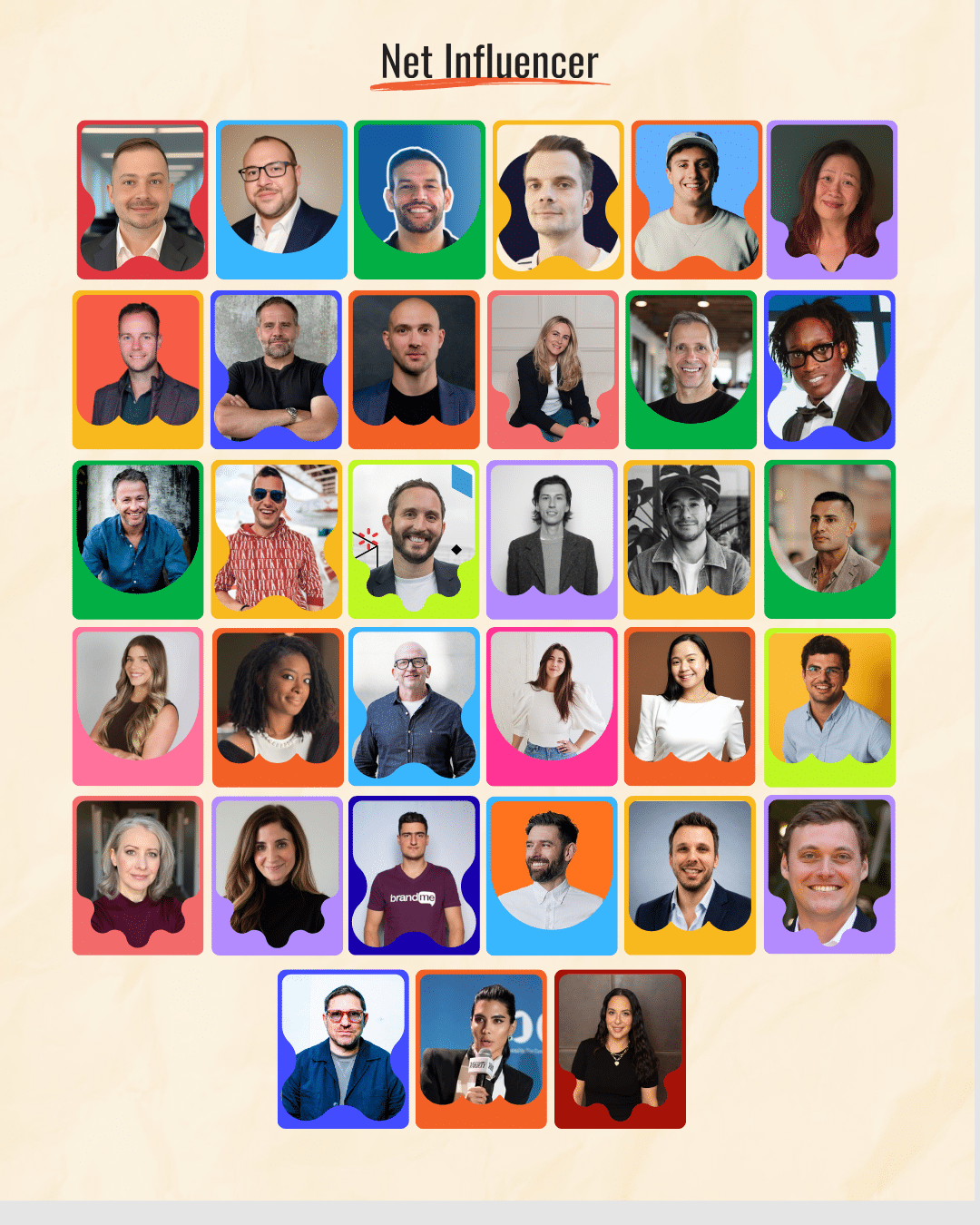
With planning for the season already underway, we asked 33 agency founders, brand executives and Creator Economy operators what the biggest mistake brands make with their Q4 creator programs.
Most brands vet their creators in October and then stop looking.
Q4 is the one stretch where a creator is posting constantly and juggling more partnerships at once than any other time of year, so the person you approved in October has a pretty different feed by December. Exclusivity gets broken mid-flight, usually by somebody else’s Black Friday code, and nobody catches it until the client does. The other one is gifting. Seeding lists are often the biggest group of creators a brand touches all year, and almost nobody vets them, because no money changed hands so it doesn’t feel like a partnership. The FTC doesn’t see it that way. Free product is a material connection.
Vet the whole list now, gifting included, then keep watching once the campaign is live.
The biggest mistake is designing and measuring it against the wrong goal.
Q4 is the one quarter where everyone wants immediate sales, so brands brief creators like it’s a direct response ad. The post goes up on Black Friday and the expectation is a conversion that week. But it is really hard to get someone to buy off a single creator activation, especially in the most crowded shopping window of the year. What usually happens is the content does its actual job – it introduces the product and builds familiarity – and the purchase lands in January.
So decide up front which program you’re running. If you genuinely need Q4 revenue, the execution and the CTA look one way: repeat exposure from a small set of creators, a real offer, real urgency (and you really should have started in Q3 seeding). If you’re building demand for Q1, the execution looks completely different, and you have to be patient enough to let those sales show up in Q1 and still count them.
Most Q4 disappointment isn’t bad creators. It’s a Q1 program that got graded on a Q4 scorecard.
The biggest mistake is not planning properly for Q4 overall across multiple areas and channels, including creator marketing, treating it as an isolated quarter. Q4 is the “playoffs” of the calendar year, and must be baked into brands’ yearly strategy from day zero.
Meta Ads CPMs typically rise 20-50% during Q4, spiking 50-80% during Black Friday week alone. Creator rates follow a similar supply and demand logic: demand for these calendar slots explodes, so brands pay a premium if they didn’t plan and lock in creator partnerships months in advance, beyond missing out on the accumulated trust and brand affinity creators would have built with their audience.
More revenue doesn’t mean success during this period if spending gets out of control to drive sales at the expense of margins. If not careful, revenue can become a vanity metric in its own right.
Q4 must be anchored by long-term goals: LTV, not one-off sales. CAC can be 5-25x more expensive than retention and driving repeat sales. However, brands can acquire customers at a loss during this period if they develop and nurture the relationship to maximize LTV, aiming for a 1.5:1 to 3:1 LTV to CAC ratio.
The biggest mistake brands make with Q4 creator programs is running the same sales-first playbook across every holiday, without recognizing that not every moment is a buying moment. Black Friday, Cyber Monday, and Christmas are genuinely commerce-driven – nearly 3 in 10 consumers say looking for deals is their top use of social/video content on Black Friday (28.9%) and Cyber Monday (27.7%) and Christmas splits almost evenly between deal-seeking (17.1%) and gift inspiration (17%).
Halloween and New Year’s Eve look completely different: for both, more consumers said they aren’t engaging in any shopping, gifting, or inspiration content at all than any single behavior we measured (14.9% and 19.3%, respectively) – more than those looking at decoration ideas or planning resolutions. Audiences show up to those moments for mood and culture, not a pitch – and brands that don’t make that distinction end up overspending on hard-sell content during the holidays least likely to convert on it.
The biggest mistake is treating Q4 like any other quarter and not adjusting creator incentives, and then communicating whatever you do decide far too late.
Creators only have so many slots in their November and December content calendars, and every brand they work with is fighting for the same ones. If your commission structure in Q4 looks identical to what it was in July, you’re asking a creator to pick you over brands who have actively made it worth more to them. Give them a reason. Raise commission rates for the BFCM window, add a flat bonus for posting, layer in tiered payouts for hitting sales thresholds. The specific mechanism matters less than there being a clear, elevated upside for choosing your brand.
The other half is timing. Lock your Q4 incentives in September or early October and tell your affiliates right away. Creators plan content weeks in advance, so an incentive they learn about the day before Black Friday is worthless, the slot is already committed to a brand that told them in October. Early communication is as much of a lever as the incentive itself.
One mistake brands make with Q4 creator programs is overlooking multicultural marketing and assuming everyone follows the same shopping calendar and social media habits.
With relatively high education, household income, and homeownership, the 7+ million Chinese diaspora in North America represents a powerful consumer segment. Yet brands often overlook a major Q4 sales moment: Singles’ Day, or Double 11, on November 11. While brands focus creator budgets around Black Friday, Double 11 is already a major shopping occasion among Chinese consumers worldwide, who may seek deals from Chinese and Asian retailers regardless of whether brands show up. Connecting Double 11 with Black Friday creates an even bigger opportunity. The question isn’t whether Double 11 will become a recognized marketing opportunity – it’s whether your brand will be an early mover or a follower.
The right timing also requires the right platform. As a powerhouse for lifestyle discovery and shopping inspiration among the global Chinese community with over 200 million monthly active users, RedNote is where trends emerge and purchase decisions are shaped by peer recommendations. Partnering with relevant RedNote creators can help brands build cultural relevance, trust, and product awareness across Double 11, Black Friday, and the broader holiday season.
The biggest mistake: brands treat Q4 as a campaign when it’s actually a land grab everyone else is running at the same time.
They show up in October chasing the same creators, at peak rates, with generic gifting and Black Friday asks that look identical to every other brand in the feed. The creator’s audience sees fifteen versions of the same sponsored post that month and tunes out all of them. You paid a premium to blend in.
The brands that win Q4 locked their creators in Q2 and Q3. Lower rates, real relationships, and content that’s had time to build familiarity before the buying window opens. By the time competitors are fighting over availability in October, they’ve already built trust the audience recognizes.
The second mistake is expecting cold audiences to convert at the exact moment everyone’s wallet is under attack. Q4 rewards the brands that warmed the audience earlier in the year. You can’t manufacture familiarity during the most crowded four weeks of the calendar.
Q4 isn’t where you build the relationship. It’s where you cash in the one you already built.
The biggest mistake is buying attention at the top of the market. Q4 rates peak because everybody shows up at once, bidding for the same creators in the same six weeks. That’s spot-market buying, and it’s the most expensive way to acquire anything.
So one brand pays surge pricing for the year’s most skeptical impression. The other collects on a position it built at a discount. Same creator, same audience, same holiday. The only difference is when the money showed up. The planning happening right now, in August, decides it all. Q4 is a delivery date. The price got set months earlier, and so did the trust.
The brands that win the quarter bought in Q2. Rates were sane. Nobody was competing. And they got something the December money can’t buy at any price: a summer’s worth of familiarity. By November, their mention reads as part of the show. The December arrival reads as an ad, because it is one, and audiences know exactly who just walked in.
The biggest mistake? Going all-in on one big creator and treating it as a one-off deal.
Especially in Q4, when rates and competition peak.
Instead, think partnership, portfolio, and trust.
Build relationships with creators for years, not one campaign. Grow with them and their audience.
And don’t underestimate smaller, niche creators. Their monthly active audience – not subscriber count – can be far more valuable because it’s already filtered around a specific interest. The tighter the niche and the stronger the brand fit, the better the signal.
Go deeper than views. Ask for retention, engagement, audience quality, and cross-platform reach. Then structure partnerships across multiple touchpoints: YouTube, Instagram, X, newsletters, podcasts, or even paid communities.
Most importantly, don’t over-script creators.
You’re not simply buying views. You’re renting the creator’s trust and reputation to access a highly selected audience.
That trust took years to build. Let creators communicate with their audience in the way that earned it in the first place.
Q4 creator programs often lack the frequency they need in order to be effective. Q4 is a noisy time on social and one-off posts from creators often get ignored due to this. That is why we like when brands work with a core group of creators who post about the brand more than once (our recommendation is three times). This shows a real relationship between the brand and the creator and builds deeper trust between the brand and the creator’s audience. When the creators post more than once it’s viewed less as a sponsored one-off post and more like a real recommendation from a friend, they clearly love the product if they keep talking about it.
Q4 is when creator budgets peak – holiday campaigns, gifting, Cyber Monday and end-of-year pushes all land at once. Rates and competition for creators rise accordingly, and the planning window is yesterday.
But here’s what complicates Q4: consumer behavior doesn’t align with how brands typically schedule campaigns. Consumers begin forming purchasing decisions in September, October and November yet they don’t convert until the final weeks of the season. This creates a critical timing gap.
Some brands front-load their creator spend early in the quarter and fail to maintain momentum. The biggest mistake is treating Q4 as a single sprint rather than a sustained campaign arc. You need to reach consumers early to plant the thought, but then reinforce that message throughout the five-week holiday push.
For creator programs, this means: seed your campaigns early to shape consumer thinking, then activate influencers strategically through the final stretch to drive conversion when people are actually ready to buy.
The biggest mistake brands make with their Q4 creator programs is treating Q4 as the plan, when it should be the peak of a plan that started in Q2. By the time September lands, the good creators are booked, rates have doubled and briefs are landing on desks that already have three campaigns queued behind them. Brands that show up in September competing for the same names are paying a tax for late planning, not buying better performance.
The other mistake is spending Q4 like it’s a media buy. Holiday campaigns, Black Friday, gifting drops, end-of-year pushes – they all get compressed into six weeks and briefed as separate activations. Creators are asked to switch tone three times in a month and audiences feel the whiplash. The brands landing real Q4 returns treat it as one continuous story with multiple beats, not four different campaigns fighting for the same feed.
The playbook that actually works is straightforward. Lock your Q4 creators in Q2. Brief the whole quarter as one narrative. Give creators room to do the thing they’re actually good at. Everything else is expensive noise.
The biggest mistake brands make with Q4 creator programs is chasing scale over trust. They’ll spend thousands on one big creator when, for the same price, or even less, they could work with 10 smaller creators who have a much stronger bond with their audience.
And then they overproduce the work. The content stops feeling real, stops feeling native, and people, especially Gen Z, can see straight through it. The brands that will cut through in Q4 are the ones that work with creators who still have a real voice and give them room to make something that feels human, not just a basic ad.
The biggest mistake brands make in Q4 is treating creators like media inventory instead of relationships they need to secure early.
Everyone knows Q4 is expensive. Rates go up, the best creators get booked, and suddenly every brand wants the same people at the same time. But then brands still wait until the campaign is completely finalized before they start creator outreach. By that point, they are either overpaying, settling for whoever is available, or trying to force creators into timelines that are completely unrealistic.
And I actually think brands over-focus on making everything feel “Q4.” Not every creator post needs a Christmas tree, a Black Friday hook, or some massive holiday concept. Sometimes the best move is simply locking in the right creator early, giving them a strong offer, and letting them make content that actually feels native to their audience.
The brands that win Q4 are usually the ones making decisions in August and September, not the ones with the fanciest November campaign deck.
Secure the talent early. Lock the budget early. Give creators room to do what they do best. Everything else becomes much easier.
Q4 is where bad creator planning gets expensive. Too many brands arrive with a campaign, a deadline and a creator wish list, then wonder why the best talent is booked out or costs twice as much.
The bigger mistake is expecting one creator to do everything. Awareness, consideration, conversion and brand love are different jobs. One person rarely does all of them well, whatever their following.
Planning should start with the objective, then work backwards into the right mix of creators for each role. That becomes even more important in Q4, when everyone is competing for the same attention at the same time.
If you leave that thinking until November, you are not really planning a creator campaign. You are shopping in an expensive panic.
The biggest mistake is treating creators as media you rent in November. A creator program is distribution, and distribution takes months to build. By the time Q4 briefs go out, strong creators are booked, rates have peaked, and every offer competing for their feed looks the same. The creators who drive Q4 revenue sell to audiences they’ve nurtured all year through email and community. If your first touchpoint with a creator’s audience is a Black Friday promo code, you’re buying their coldest attention at the highest price of the year.
The biggest mistake brands make with Q4 creator programs is the panic buy: treating partnerships like a last-minute football transfer window. When a brand waits until an urgent sales or content gap appears, it risks selecting for availability over audience fit, cultural credibility, or value, while also overpaying.
A professionalized creator ecosystem demands planning, rights management, and amplification. The solution is an opportunity map that outlines communities, creators, formats, cultural moments, and clear terms. This creates choices rather than decisions constrained by the calendar.
However, this raises a bigger strategic question: creator marketing cannot substitute for a proper cultural strategy. Before choosing a partner, brands must define the space they want to earn, and the audience need they can credibly meet. This clarity protects them from defaulting to the same creators, formats, and seasonal playbooks as everyone else.
Creativity and distinctiveness are the reasons a brand is remembered in the feed. Cultural relevance demands more than simply appearing in pop culture; it comes when brands make a credible contribution to a community. In Q4, the strongest programs will be the outcome of a broader strategy, not a tactical patch for a late commercial need.
The biggest mistake is treating Q4 like a bigger version of the rest of the year – same creators, same briefs, just more budget. It doesn’t work like that. Everyone’s competing for the same top-tier creators at the same time, so if you’re not locking in your roster by September, you’re either paying premium rates or settling for whoever’s left in November.
The other mistake is gifting without a clear ask. Sending product with no brief and hoping for organic content isn’t a strategy, it’s a wish. Creators need direction just as much in Q4 as any other time, if not more, because their inboxes are flooded with the same offer from ten other brands.
When holiday bookings come in last minute, it can be challenging to secure the slot for two reasons: fitting the post in with the current booked ads and retaining strong audience trust during a heavy ad season. During Q4, the creator may already be going live with 2x-4x their usual monthly ad cadence, so spacing the posts out by category (i.e., a milky toner versus a tinted SPF promotion) is going to be very intentional from our agency. The overarching goal is to retain audience trust while still conducting successful campaigns with our incredible brand partners.
Oftentimes, we’ll need to “Tetris” the calendar to spread out similar ad categories and make room for organic posts in between. A brand jumping into the fold a couple of weeks before, even as a favorite brand of the creator’s, may face scheduling or exclusivity issues, resulting in a more inflated rate than expected or unavailability on the preferred launch date.
If your favorite creator is on your radar for Q4, we recommend booking their calendar early, communicating the exact preferred time frame for launch, and sharing the product category we’re promoting.
The biggest mistake brands make with Q4 creator programs is waiting until the holiday rush to treat creators as a transactional media buy.
By the time Black Friday and holiday campaigns arrive, creator rates are higher, calendars are crowded, and every brand is competing for the same attention. The brands that win are the ones that have already identified which creators fit their audience, built relationships, and learned what content performs before Q4 budgets peak.
From a paid social perspective, creator content should also be planned with amplification in mind from the start. Too often, brands secure a creator, approve an organic deliverable, and only later ask whether it can be used in paid media. That limits scale and can create unnecessary negotiations around usage rights and timing.
Q4 creator strategy should start earlier, with creators viewed as long-term creative partners, not one-off holiday placements. Build a bench of proven talent, secure paid usage rights upfront, test content before the most competitive weeks, and use performance data to determine which creator assets deserve additional investment.
The goal is not simply more creator content in Q4. It is entering Q4 already knowing what works.
The biggest mistake brands make with Q4 creator programs is waiting too long to treat creator content like a performance asset. By the time many brands are finalizing briefs, creators are already mapping holiday content calendars and deciding which products and commerce destinations they will prioritize.
That delay is costly. Creator rates rise, competition intensifies, and commerce behavior becomes more fragmented. Recent URLgenius research found that creators are split across distinct ecosystems, with Amazon-first and TikTok Shop-first behaviors requiring different paths from content to checkout. The same research also found that paid amplification is now standard, with 86% of creators running paid promotion.
The strongest programs identify promising creator content early, build paid amplification into the plan, and make sure every click opens the right product in the right app or marketplace with attribution intact. Brands should also establish testing, measurement, and optimization frameworks before holiday traffic peaks, not after the first campaigns are already live.
Creator content should not be treated as a one-time holiday placement. It should be treated as a performance asset that can be tested, amplified, and optimized throughout the quarter.
Brands sleep on ShopMy. As an agency, we’ve been pushing our creators to consistently publish and share collections there, and it’s becoming more than just a link tool. It’s closer to its own social platform at this point.
What I like about it is the editorial layout option, where creators can add a product title and a sentence or two explaining why they recommend it. It reads like a quick blog post, and for followers, the experience feels curated and intentional versus a random string of affiliate links.
Consumers want to understand someone’s taste at scale, not one product recommendation at a time. ShopMy collections do that well, especially heading into the biggest shopping season of the year.
If brands really want to invest heavily into this approach, they should consider paying creators to build Collections featuring their products, ask for a certain number of placements within a popular Collection on their account, and have that Collection link shared across stories or newsletters. Brands can also run Opportunities directly through ShopMy for creators whose links are performing well during the campaign flight. There are a lot of ways to make these placements work harder than a standard affiliate push.
The biggest mistake brands make with Q4 creator programs is treating creators like seasonal media inventory – booking them too late, overloading them with rigid briefs, and expecting immediate results during the busiest period of the year.
Competition for attention intensifies in Q4, but so does competition for the right creators. We consistently see creator rates rise during the “-ber” months as demand increases and brands request faster turnaround times. By then, many creators are already managing full content calendars, existing brand commitments, and their own holiday storytelling.
This is why early planning is not merely operational – it is strategic. Brands should secure creator partners ahead of the seasonal rush, align expectations and timelines early, and give creators enough space to produce content that feels genuine to their communities.
The biggest mistake brands make in Q4 is treating creators like last-minute media inventory. By the time the brief lands, the best creators are booked, rates have climbed, and every brand is pushing the same holiday message.
Q4 isn’t won by shouting louder. It’s won by planning earlier and creating something people actually want to watch.
The strongest programs secure creators before the rush, build familiarity ahead of the sales period, and give them enough freedom to make the message feel native. If your first creator post appears on Black Friday, you’re not building trust – you’re renting attention at its most expensive.
The biggest mistake? Renting creators for Q4 instead of investing in them all year.
Brands parachute in every October chasing the same proven names for Black Friday and holiday gifting, and then act surprised when rates spike. Of course they spike. Everyone wants the same creators at the same time for the same three months.
The brands that win Q4 aren’t the ones with the biggest budget. They’re the ones who showed up in Q2, when nobody else was competing for that creator’s attention. By the time the holidays hit, that relationship already has trust built in, and trust is what actually sells product. A rushed partnership reads like an ad. A real one reads like a recommendation.
If your creator strategy only exists in Q4, you’re not building a program. You’re buying an auction.
Biggest mistake: Brands that treat Q4 creator programs like media buys instead of real partnerships. A one-off deal (i.e., pay for a post, measure reach, move on) undersells what’s actually there. Creators are some of the best storytellers you’ll ever work with, and they know exactly what will resonate with their own community. That’s not something you can script your way into.
Craft the partnership alongside the creator, not a list of deliverables handed down to them. Give them room, and they’ll know what it takes to help you win.
Don’t underestimate what that community can do for you.
The biggest mistake brands make with their Q4 creator programs is treating Q4 as a last-minute campaign window instead of a season that needs to be planned early.
By the time Black Friday and holiday briefs start landing, the best creators are already booked, rates are higher, and audiences are flooded with similar sponsored content. Brands then end up paying a premium for less attention.
We encourage brands to secure the right creator relationships early and think beyond one-off posts. Q4 works better when creators have time to build familiarity with the brand before the most competitive weeks arrive.
The brands that win Q4 are not necessarily the ones that spend the most – they’re the ones that plan earlier, build continuity, and give creators enough room to make the brand feel relevant when everyone else is competing for the same attention.
The biggest mistake is treating Q4 creator programs as isolated, bottom-funnel sales pushes rather than the payoff to a full year of brand building.
In Q4, feed noise and creator rates peak simultaneously. Dropping aggressive, cold sales content onto unprepared audiences turns brilliant creator partnerships into short-term transactional sales ads, deterring consumers while stripping away any long-term benefits for the brand.
Success in Q4 demands mid-funnel priming far before peak season hits.
Brands should brief creators to demonstrate how their offering solves a problem or pain point, with key “reasons to believe” weaved into content in a genuine, entertaining, and helpful way. Content that shows audiences why they need something, not that they should want something.
By the time holiday or Black Friday offers drop, these brands will have a warm, receptive audience, and the offer will feel like a genuine value exchange, not an unwanted sales pitch.
Q4 should never be the moment brands introduce themselves to a creator’s audience. It should be where they convert the trust they spent the rest of the year building.
The biggest mistake brands make with their Q4 creator programs is treating the season like a last-minute sales sprint. By then, brands are competing not only for reach, but also for space in creators’ calendars, audience attention, and the trust creators have built over time. When outreach starts in November for a December campaign, the strongest-fit creators may already be booked, rates are higher, and creators can end up with feeds overloaded with sponsored content, reducing the impact of every message.
The rush also weakens execution. Products arrive too late for meaningful testing, briefs and approvals are compressed, and brands are forced to work with whoever is available rather than the creators best aligned with the brand and its audience.
The same short-term mindset leads brands to underinvest throughout the year and expect Black Friday, gifting, and holiday campaigns to deliver both immediate sales and long-term brand awareness. Q4 performs better when familiarity and credibility have already been established.
The strongest programs start early: mapping the right creators, securing space in their calendars, and building a consistent presence before the holiday rush. Urgency may buy a post, but it rarely buys trust – and trust is what ultimately drives performance.
The biggest mistake brands make in Q4 is treating creator marketing as a last-minute media buy. By the time holiday budgets peak, the best creators are already booked, rates have risen, and rushed briefs tend to produce content that feels transactional. The strongest programs lock in creator relationships early, give creators enough freedom to make content their audiences actually want, and plan for what happens after the initial post. In Q4 especially, brands should be building a distribution strategy around creator content, not simply buying more of it.
The biggest mistake brands make in Q4 is treating it like a conversion event instead of a season of rituals.
People don’t experience the holidays as media. They experience them through what they come back to every year: songs, music videos, creators, traditions and shared moments that make the season feel like the season. Music is inseparable from how we experience the holidays. Certain songs and videos instantly transport us to a time, place or feeling. They don’t just soundtrack the season, they create it.
Yet when budgets peak, brands buy more creators instead of the right ones. Volume becomes the strategy. More partners, louder offers, all pointed at a conversion number. Creators end up as a distribution channel rather than a way into a ritual people already care about, and the fandom that made them worth buying never transfers.
The smartest brands find the creators, music and communities that naturally belong inside those rituals, get there early, and give them freedom to make something people actually want to spend time with.
The goal shouldn’t just be to show up during Q4. It should be to become part of what makes the holidays feel like the holidays.
The biggest mistake brands make in Q4 is treating creators as last-minute transactional megaphones rather than partners in building sustainable demand.
In the holiday rush, brands flood the market with rigid, one-off scripts, competing for inflated inventory on crowded feeds. They focus entirely on short-term conversion spikes, ignoring that audiences quickly tune out generic holiday pitches.
Winning brands lock in early, multi-format partnerships that build organic momentum before the noise peaks. By empowering brands to natively adapt core narratives for their specific communities, you convert transient holiday shoppers into loyal, year-round advocates rather than paying top dollar for brief seasonal noise.
The biggest holiday trap for brands isn’t spending too little; it’s putting every dollar into the same channel. Every Q4, competition explodes on social, and marketers keep spending in an increasingly crowded digital space. What we’ve proven through our LinkNYC Creator Network is that creator content hits differently when you bring it into the real world. Placing that content onto street-level screens transforms a quick scroll into a real-world connection. You aren’t just fighting the algorithm for attention anymore. You’re extending campaign impact directly into people’s daily commutes and local neighborhoods, right when standing out online is most difficult.
Dragomir is a Serbian freelance blog writer and translator. He is passionate about covering insightful stories and exploring topics such as influencer marketing, the creator economy, technology, business, and cyber fraud.












Creator budgets tend to peak in Q4. Holiday campaigns, gifting activations, Black Friday and Cyber Monday pushes, and end-of-year spend all converge in a compressed window, driving creator rates and competition for top talent to their annual peak. For brands, a mismatch between strategy and execution costs more in this period than at any other in the calendar.
With planning for the season already underway, we asked 33 agency founders, brand executives and Creator Economy operators what the biggest mistake brands make with their Q4 creator programs.
Theo Ruzhynsky, Co-Founder, VwD
Most brands vet their creators in October and then stop looking.
Q4 is the one stretch where a creator is posting constantly and juggling more partnerships at once than any other time of year, so the person you approved in October has a pretty different feed by December. Exclusivity gets broken mid-flight, usually by somebody else’s Black Friday code, and nobody catches it until the client does. The other one is gifting. Seeding lists are often the biggest group of creators a brand touches all year, and almost nobody vets them, because no money changed hands so it doesn’t feel like a partnership. The FTC doesn’t see it that way. Free product is a material connection.
Vet the whole list now, gifting included, then keep watching once the campaign is live.
Nick Cicero, CEO, Mondo Metrics
The biggest mistake is designing and measuring it against the wrong goal.
Q4 is the one quarter where everyone wants immediate sales, so brands brief creators like it’s a direct response ad. The post goes up on Black Friday and the expectation is a conversion that week. But it is really hard to get someone to buy off a single creator activation, especially in the most crowded shopping window of the year. What usually happens is the content does its actual job – it introduces the product and builds familiarity – and the purchase lands in January.
So decide up front which program you’re running. If you genuinely need Q4 revenue, the execution and the CTA look one way: repeat exposure from a small set of creators, a real offer, real urgency (and you really should have started in Q3 seeding). If you’re building demand for Q1, the execution looks completely different, and you have to be patient enough to let those sales show up in Q1 and still count them.
Most Q4 disappointment isn’t bad creators. It’s a Q1 program that got graded on a Q4 scorecard.
Daniel Caldas, Founder, Caldas Ecom
The biggest mistake is not planning properly for Q4 overall across multiple areas and channels, including creator marketing, treating it as an isolated quarter. Q4 is the “playoffs” of the calendar year, and must be baked into brands’ yearly strategy from day zero.
Meta Ads CPMs typically rise 20-50% during Q4, spiking 50-80% during Black Friday week alone. Creator rates follow a similar supply and demand logic: demand for these calendar slots explodes, so brands pay a premium if they didn’t plan and lock in creator partnerships months in advance, beyond missing out on the accumulated trust and brand affinity creators would have built with their audience.
More revenue doesn’t mean success during this period if spending gets out of control to drive sales at the expense of margins. If not careful, revenue can become a vanity metric in its own right.
Q4 must be anchored by long-term goals: LTV, not one-off sales. CAC can be 5-25x more expensive than retention and driving repeat sales. However, brands can acquire customers at a loss during this period if they develop and nurture the relationship to maximize LTV, aiming for a 1.5:1 to 3:1 LTV to CAC ratio.
Chris Beer, Senior Data Analyst, GWI
The biggest mistake brands make with Q4 creator programs is running the same sales-first playbook across every holiday, without recognizing that not every moment is a buying moment. Black Friday, Cyber Monday, and Christmas are genuinely commerce-driven – nearly 3 in 10 consumers say looking for deals is their top use of social/video content on Black Friday (28.9%) and Cyber Monday (27.7%) and Christmas splits almost evenly between deal-seeking (17.1%) and gift inspiration (17%).
Halloween and New Year’s Eve look completely different: for both, more consumers said they aren’t engaging in any shopping, gifting, or inspiration content at all than any single behavior we measured (14.9% and 19.3%, respectively) – more than those looking at decoration ideas or planning resolutions. Audiences show up to those moments for mood and culture, not a pitch – and brands that don’t make that distinction end up overspending on hard-sell content during the holidays least likely to convert on it.
Noah Tucker, Founder, Social Snowball
The biggest mistake is treating Q4 like any other quarter and not adjusting creator incentives, and then communicating whatever you do decide far too late.
Creators only have so many slots in their November and December content calendars, and every brand they work with is fighting for the same ones. If your commission structure in Q4 looks identical to what it was in July, you’re asking a creator to pick you over brands who have actively made it worth more to them. Give them a reason. Raise commission rates for the BFCM window, add a flat bonus for posting, layer in tiered payouts for hitting sales thresholds. The specific mechanism matters less than there being a clear, elevated upside for choosing your brand.
The other half is timing. Lock your Q4 incentives in September or early October and tell your affiliates right away. Creators plan content weeks in advance, so an incentive they learn about the day before Black Friday is worthless, the slot is already committed to a brand that told them in October. Early communication is as much of a lever as the incentive itself.
Tonia Au, Director of Media & PR, AV Communications
One mistake brands make with Q4 creator programs is overlooking multicultural marketing and assuming everyone follows the same shopping calendar and social media habits.
With relatively high education, household income, and homeownership, the 7+ million Chinese diaspora in North America represents a powerful consumer segment. Yet brands often overlook a major Q4 sales moment: Singles’ Day, or Double 11, on November 11. While brands focus creator budgets around Black Friday, Double 11 is already a major shopping occasion among Chinese consumers worldwide, who may seek deals from Chinese and Asian retailers regardless of whether brands show up. Connecting Double 11 with Black Friday creates an even bigger opportunity. The question isn’t whether Double 11 will become a recognized marketing opportunity – it’s whether your brand will be an early mover or a follower.
The right timing also requires the right platform. As a powerhouse for lifestyle discovery and shopping inspiration among the global Chinese community with over 200 million monthly active users, RedNote is where trends emerge and purchase decisions are shaped by peer recommendations. Partnering with relevant RedNote creators can help brands build cultural relevance, trust, and product awareness across Double 11, Black Friday, and the broader holiday season.
Tobias Hoss, Co-Founder, Senior Advisor, 30 Dishes
The biggest mistake: brands treat Q4 as a campaign when it’s actually a land grab everyone else is running at the same time.
They show up in October chasing the same creators, at peak rates, with generic gifting and Black Friday asks that look identical to every other brand in the feed. The creator’s audience sees fifteen versions of the same sponsored post that month and tunes out all of them. You paid a premium to blend in.
The brands that win Q4 locked their creators in Q2 and Q3. Lower rates, real relationships, and content that’s had time to build familiarity before the buying window opens. By the time competitors are fighting over availability in October, they’ve already built trust the audience recognizes.
The second mistake is expecting cold audiences to convert at the exact moment everyone’s wallet is under attack. Q4 rewards the brands that warmed the audience earlier in the year. You can’t manufacture familiarity during the most crowded four weeks of the calendar.
Q4 isn’t where you build the relationship. It’s where you cash in the one you already built.
Josh Stein, CEO, Attention Capital
The biggest mistake is buying attention at the top of the market. Q4 rates peak because everybody shows up at once, bidding for the same creators in the same six weeks. That’s spot-market buying, and it’s the most expensive way to acquire anything.
So one brand pays surge pricing for the year’s most skeptical impression. The other collects on a position it built at a discount. Same creator, same audience, same holiday. The only difference is when the money showed up. The planning happening right now, in August, decides it all. Q4 is a delivery date. The price got set months earlier, and so did the trust.
The brands that win the quarter bought in Q2. Rates were sane. Nobody was competing. And they got something the December money can’t buy at any price: a summer’s worth of familiarity. By November, their mention reads as part of the show. The December arrival reads as an ad, because it is one, and audiences know exactly who just walked in.
Andrii Salii, Audiovisual Producer, MIA Studio
The biggest mistake? Going all-in on one big creator and treating it as a one-off deal.
Especially in Q4, when rates and competition peak.
Instead, think partnership, portfolio, and trust.
Build relationships with creators for years, not one campaign. Grow with them and their audience.
And don’t underestimate smaller, niche creators. Their monthly active audience – not subscriber count – can be far more valuable because it’s already filtered around a specific interest. The tighter the niche and the stronger the brand fit, the better the signal.
Go deeper than views. Ask for retention, engagement, audience quality, and cross-platform reach. Then structure partnerships across multiple touchpoints: YouTube, Instagram, X, newsletters, podcasts, or even paid communities.
Most importantly, don’t over-script creators.
You’re not simply buying views. You’re renting the creator’s trust and reputation to access a highly selected audience.
That trust took years to build. Let creators communicate with their audience in the way that earned it in the first place.
Kirsten Baumberger, Founder, minisocial
Q4 creator programs often lack the frequency they need in order to be effective. Q4 is a noisy time on social and one-off posts from creators often get ignored due to this. That is why we like when brands work with a core group of creators who post about the brand more than once (our recommendation is three times). This shows a real relationship between the brand and the creator and builds deeper trust between the brand and the creator’s audience. When the creators post more than once it’s viewed less as a sponsored one-off post and more like a real recommendation from a friend, they clearly love the product if they keep talking about it.
Jim Silver, CEO, FamFluence Talent Management
Q4 is when creator budgets peak – holiday campaigns, gifting, Cyber Monday and end-of-year pushes all land at once. Rates and competition for creators rise accordingly, and the planning window is yesterday.
But here’s what complicates Q4: consumer behavior doesn’t align with how brands typically schedule campaigns. Consumers begin forming purchasing decisions in September, October and November yet they don’t convert until the final weeks of the season. This creates a critical timing gap.
Some brands front-load their creator spend early in the quarter and fail to maintain momentum. The biggest mistake is treating Q4 as a single sprint rather than a sustained campaign arc. You need to reach consumers early to plant the thought, but then reinforce that message throughout the five-week holiday push.
For creator programs, this means: seed your campaigns early to shape consumer thinking, then activate influencers strategically through the final stretch to drive conversion when people are actually ready to buy.
Abraham Charles, CEO & Co-Founder, each&everyone
The biggest mistake brands make with their Q4 creator programs is treating Q4 as the plan, when it should be the peak of a plan that started in Q2. By the time September lands, the good creators are booked, rates have doubled and briefs are landing on desks that already have three campaigns queued behind them. Brands that show up in September competing for the same names are paying a tax for late planning, not buying better performance.
The other mistake is spending Q4 like it’s a media buy. Holiday campaigns, Black Friday, gifting drops, end-of-year pushes – they all get compressed into six weeks and briefed as separate activations. Creators are asked to switch tone three times in a month and audiences feel the whiplash. The brands landing real Q4 returns treat it as one continuous story with multiple beats, not four different campaigns fighting for the same feed.
The playbook that actually works is straightforward. Lock your Q4 creators in Q2. Brief the whole quarter as one narrative. Give creators room to do the thing they’re actually good at. Everything else is expensive noise.
Ben Moore, Managing Director U.S., BeReal
The biggest mistake brands make with Q4 creator programs is chasing scale over trust. They’ll spend thousands on one big creator when, for the same price, or even less, they could work with 10 smaller creators who have a much stronger bond with their audience.
And then they overproduce the work. The content stops feeling real, stops feeling native, and people, especially Gen Z, can see straight through it. The brands that will cut through in Q4 are the ones that work with creators who still have a real voice and give them room to make something that feels human, not just a basic ad.
AB Lieberman, Founder, Clicks Talent
The biggest mistake brands make in Q4 is treating creators like media inventory instead of relationships they need to secure early.
Everyone knows Q4 is expensive. Rates go up, the best creators get booked, and suddenly every brand wants the same people at the same time. But then brands still wait until the campaign is completely finalized before they start creator outreach. By that point, they are either overpaying, settling for whoever is available, or trying to force creators into timelines that are completely unrealistic.
And I actually think brands over-focus on making everything feel “Q4.” Not every creator post needs a Christmas tree, a Black Friday hook, or some massive holiday concept. Sometimes the best move is simply locking in the right creator early, giving them a strong offer, and letting them make content that actually feels native to their audience.
The brands that win Q4 are usually the ones making decisions in August and September, not the ones with the fanciest November campaign deck.
Secure the talent early. Lock the budget early. Give creators room to do what they do best. Everything else becomes much easier.
Tom Stone, Co-Founder & Managing Partner, re:act
Q4 is where bad creator planning gets expensive. Too many brands arrive with a campaign, a deadline and a creator wish list, then wonder why the best talent is booked out or costs twice as much.
The bigger mistake is expecting one creator to do everything. Awareness, consideration, conversion and brand love are different jobs. One person rarely does all of them well, whatever their following.
Planning should start with the objective, then work backwards into the right mix of creators for each role. That becomes even more important in Q4, when everyone is competing for the same attention at the same time.
If you leave that thinking until November, you are not really planning a creator campaign. You are shopping in an expensive panic.
Pierre-Louis Jacob, Founder, pylo studio
The biggest mistake is treating creators as media you rent in November. A creator program is distribution, and distribution takes months to build. By the time Q4 briefs go out, strong creators are booked, rates have peaked, and every offer competing for their feed looks the same. The creators who drive Q4 revenue sell to audiences they’ve nurtured all year through email and community. If your first touchpoint with a creator’s audience is a Black Friday promo code, you’re buying their coldest attention at the highest price of the year.
Victor Hermann, Head of Social & Performance, mnstr
The biggest mistake brands make with Q4 creator programs is the panic buy: treating partnerships like a last-minute football transfer window. When a brand waits until an urgent sales or content gap appears, it risks selecting for availability over audience fit, cultural credibility, or value, while also overpaying.
A professionalized creator ecosystem demands planning, rights management, and amplification. The solution is an opportunity map that outlines communities, creators, formats, cultural moments, and clear terms. This creates choices rather than decisions constrained by the calendar.
However, this raises a bigger strategic question: creator marketing cannot substitute for a proper cultural strategy. Before choosing a partner, brands must define the space they want to earn, and the audience need they can credibly meet. This clarity protects them from defaulting to the same creators, formats, and seasonal playbooks as everyone else.
Creativity and distinctiveness are the reasons a brand is remembered in the feed. Cultural relevance demands more than simply appearing in pop culture; it comes when brands make a credible contribution to a community. In Q4, the strongest programs will be the outcome of a broader strategy, not a tactical patch for a late commercial need.
Shawn Munir, Founder and CEO, Yamammi Influencer Marketing Agency LLC
The biggest mistake is treating Q4 like a bigger version of the rest of the year – same creators, same briefs, just more budget. It doesn’t work like that. Everyone’s competing for the same top-tier creators at the same time, so if you’re not locking in your roster by September, you’re either paying premium rates or settling for whoever’s left in November.
The other mistake is gifting without a clear ask. Sending product with no brief and hoping for organic content isn’t a strategy, it’s a wish. Creators need direction just as much in Q4 as any other time, if not more, because their inboxes are flooded with the same offer from ten other brands.
Taylor Emmersen, Director of Creator Management, The Sociable Society
When holiday bookings come in last minute, it can be challenging to secure the slot for two reasons: fitting the post in with the current booked ads and retaining strong audience trust during a heavy ad season. During Q4, the creator may already be going live with 2x-4x their usual monthly ad cadence, so spacing the posts out by category (i.e., a milky toner versus a tinted SPF promotion) is going to be very intentional from our agency. The overarching goal is to retain audience trust while still conducting successful campaigns with our incredible brand partners.
Oftentimes, we’ll need to “Tetris” the calendar to spread out similar ad categories and make room for organic posts in between. A brand jumping into the fold a couple of weeks before, even as a favorite brand of the creator’s, may face scheduling or exclusivity issues, resulting in a more inflated rate than expected or unavailability on the preferred launch date.
If your favorite creator is on your radar for Q4, we recommend booking their calendar early, communicating the exact preferred time frame for launch, and sharing the product category we’re promoting.
Nicole Williams, Vice President of Paid Social, Attention Arc
The biggest mistake brands make with Q4 creator programs is waiting until the holiday rush to treat creators as a transactional media buy.
By the time Black Friday and holiday campaigns arrive, creator rates are higher, calendars are crowded, and every brand is competing for the same attention. The brands that win are the ones that have already identified which creators fit their audience, built relationships, and learned what content performs before Q4 budgets peak.
From a paid social perspective, creator content should also be planned with amplification in mind from the start. Too often, brands secure a creator, approve an organic deliverable, and only later ask whether it can be used in paid media. That limits scale and can create unnecessary negotiations around usage rights and timing.
Q4 creator strategy should start earlier, with creators viewed as long-term creative partners, not one-off holiday placements. Build a bench of proven talent, secure paid usage rights upfront, test content before the most competitive weeks, and use performance data to determine which creator assets deserve additional investment.
The goal is not simply more creator content in Q4. It is entering Q4 already knowing what works.
Scott Allan, Chief Marketing & Solutions Officer, URLgenius
The biggest mistake brands make with Q4 creator programs is waiting too long to treat creator content like a performance asset. By the time many brands are finalizing briefs, creators are already mapping holiday content calendars and deciding which products and commerce destinations they will prioritize.
That delay is costly. Creator rates rise, competition intensifies, and commerce behavior becomes more fragmented. Recent URLgenius research found that creators are split across distinct ecosystems, with Amazon-first and TikTok Shop-first behaviors requiring different paths from content to checkout. The same research also found that paid amplification is now standard, with 86% of creators running paid promotion.
The strongest programs identify promising creator content early, build paid amplification into the plan, and make sure every click opens the right product in the right app or marketplace with attribution intact. Brands should also establish testing, measurement, and optimization frameworks before holiday traffic peaks, not after the first campaigns are already live.
Creator content should not be treated as a one-time holiday placement. It should be treated as a performance asset that can be tested, amplified, and optimized throughout the quarter.
Regan Cleminson, CEO, Coastline Creatives
Brands sleep on ShopMy. As an agency, we’ve been pushing our creators to consistently publish and share collections there, and it’s becoming more than just a link tool. It’s closer to its own social platform at this point.
What I like about it is the editorial layout option, where creators can add a product title and a sentence or two explaining why they recommend it. It reads like a quick blog post, and for followers, the experience feels curated and intentional versus a random string of affiliate links.
Consumers want to understand someone’s taste at scale, not one product recommendation at a time. ShopMy collections do that well, especially heading into the biggest shopping season of the year.
If brands really want to invest heavily into this approach, they should consider paying creators to build Collections featuring their products, ask for a certain number of placements within a popular Collection on their account, and have that Collection link shared across stories or newsletters. Brands can also run Opportunities directly through ShopMy for creators whose links are performing well during the campaign flight. There are a lot of ways to make these placements work harder than a standard affiliate push.
Ace Gapuz, CEO, Blogapalooza Inc.
The biggest mistake brands make with Q4 creator programs is treating creators like seasonal media inventory – booking them too late, overloading them with rigid briefs, and expecting immediate results during the busiest period of the year.
Competition for attention intensifies in Q4, but so does competition for the right creators. We consistently see creator rates rise during the “-ber” months as demand increases and brands request faster turnaround times. By then, many creators are already managing full content calendars, existing brand commitments, and their own holiday storytelling.
This is why early planning is not merely operational – it is strategic. Brands should secure creator partners ahead of the seasonal rush, align expectations and timelines early, and give creators enough space to produce content that feels genuine to their communities.
Nicolas Bon, CEO, Clark Influence
The biggest mistake brands make in Q4 is treating creators like last-minute media inventory. By the time the brief lands, the best creators are booked, rates have climbed, and every brand is pushing the same holiday message.
Q4 isn’t won by shouting louder. It’s won by planning earlier and creating something people actually want to watch.
The strongest programs secure creators before the rush, build familiarity ahead of the sales period, and give them enough freedom to make the message feel native. If your first creator post appears on Black Friday, you’re not building trust – you’re renting attention at its most expensive.
Sarah McNabb, Chief Marketing Officer, GigaStar
The biggest mistake? Renting creators for Q4 instead of investing in them all year.
Brands parachute in every October chasing the same proven names for Black Friday and holiday gifting, and then act surprised when rates spike. Of course they spike. Everyone wants the same creators at the same time for the same three months.
The brands that win Q4 aren’t the ones with the biggest budget. They’re the ones who showed up in Q2, when nobody else was competing for that creator’s attention. By the time the holidays hit, that relationship already has trust built in, and trust is what actually sells product. A rushed partnership reads like an ad. A real one reads like a recommendation.
If your creator strategy only exists in Q4, you’re not building a program. You’re buying an auction.
Allison Yazdian, CEO, Uscreen
Biggest mistake: Brands that treat Q4 creator programs like media buys instead of real partnerships. A one-off deal (i.e., pay for a post, measure reach, move on) undersells what’s actually there. Creators are some of the best storytellers you’ll ever work with, and they know exactly what will resonate with their own community. That’s not something you can script your way into.
Craft the partnership alongside the creator, not a list of deliverables handed down to them. Give them room, and they’ll know what it takes to help you win.
Don’t underestimate what that community can do for you.
Gerardo Sordo, CEO & Founder, BrandMe
The biggest mistake brands make with their Q4 creator programs is treating Q4 as a last-minute campaign window instead of a season that needs to be planned early.
By the time Black Friday and holiday briefs start landing, the best creators are already booked, rates are higher, and audiences are flooded with similar sponsored content. Brands then end up paying a premium for less attention.
We encourage brands to secure the right creator relationships early and think beyond one-off posts. Q4 works better when creators have time to build familiarity with the brand before the most competitive weeks arrive.
The brands that win Q4 are not necessarily the ones that spend the most – they’re the ones that plan earlier, build continuity, and give creators enough room to make the brand feel relevant when everyone else is competing for the same attention.
Ben Morrison, Managing Partner, Strategy & Creative, Open Partners
The biggest mistake is treating Q4 creator programs as isolated, bottom-funnel sales pushes rather than the payoff to a full year of brand building.
In Q4, feed noise and creator rates peak simultaneously. Dropping aggressive, cold sales content onto unprepared audiences turns brilliant creator partnerships into short-term transactional sales ads, deterring consumers while stripping away any long-term benefits for the brand.
Success in Q4 demands mid-funnel priming far before peak season hits.
Brands should brief creators to demonstrate how their offering solves a problem or pain point, with key “reasons to believe” weaved into content in a genuine, entertaining, and helpful way. Content that shows audiences why they need something, not that they should want something.
By the time holiday or Black Friday offers drop, these brands will have a warm, receptive audience, and the offer will feel like a genuine value exchange, not an unwanted sales pitch.
Q4 should never be the moment brands introduce themselves to a creator’s audience. It should be where they convert the trust they spent the rest of the year building.
Fabio Gonçalves, Director of Talent, Viral Nation
The biggest mistake brands make with their Q4 creator programs is treating the season like a last-minute sales sprint. By then, brands are competing not only for reach, but also for space in creators’ calendars, audience attention, and the trust creators have built over time. When outreach starts in November for a December campaign, the strongest-fit creators may already be booked, rates are higher, and creators can end up with feeds overloaded with sponsored content, reducing the impact of every message.
The rush also weakens execution. Products arrive too late for meaningful testing, briefs and approvals are compressed, and brands are forced to work with whoever is available rather than the creators best aligned with the brand and its audience.
The same short-term mindset leads brands to underinvest throughout the year and expect Black Friday, gifting, and holiday campaigns to deliver both immediate sales and long-term brand awareness. Q4 performs better when familiarity and credibility have already been established.
The strongest programs start early: mapping the right creators, securing space in their calendars, and building a consistent presence before the holiday rush. Urgency may buy a post, but it rarely buys trust – and trust is what ultimately drives performance.
Max Eisendrath, CEO, Redflag AI
The biggest mistake brands make in Q4 is treating creator marketing as a last-minute media buy. By the time holiday budgets peak, the best creators are already booked, rates have risen, and rushed briefs tend to produce content that feels transactional. The strongest programs lock in creator relationships early, give creators enough freedom to make content their audiences actually want, and plan for what happens after the initial post. In Q4 especially, brands should be building a distribution strategy around creator content, not simply buying more of it.
Jarret Myer, CEO, UPROXX
The biggest mistake brands make in Q4 is treating it like a conversion event instead of a season of rituals.
People don’t experience the holidays as media. They experience them through what they come back to every year: songs, music videos, creators, traditions and shared moments that make the season feel like the season. Music is inseparable from how we experience the holidays. Certain songs and videos instantly transport us to a time, place or feeling. They don’t just soundtrack the season, they create it.
Yet when budgets peak, brands buy more creators instead of the right ones. Volume becomes the strategy. More partners, louder offers, all pointed at a conversion number. Creators end up as a distribution channel rather than a way into a ritual people already care about, and the fandom that made them worth buying never transfers.
The smartest brands find the creators, music and communities that naturally belong inside those rituals, get there early, and give them freedom to make something people actually want to spend time with.
The goal shouldn’t just be to show up during Q4. It should be to become part of what makes the holidays feel like the holidays.
Shahrzad Rafati, Founder & CEO, RHEI
The biggest mistake brands make in Q4 is treating creators as last-minute transactional megaphones rather than partners in building sustainable demand.
In the holiday rush, brands flood the market with rigid, one-off scripts, competing for inflated inventory on crowded feeds. They focus entirely on short-term conversion spikes, ignoring that audiences quickly tune out generic holiday pitches.
Winning brands lock in early, multi-format partnerships that build organic momentum before the noise peaks. By empowering brands to natively adapt core narratives for their specific communities, you convert transient holiday shoppers into loyal, year-round advocates rather than paying top dollar for brief seasonal noise.
Esther Raphael, CMO, Intersection
The biggest holiday trap for brands isn’t spending too little; it’s putting every dollar into the same channel. Every Q4, competition explodes on social, and marketers keep spending in an increasingly crowded digital space. What we’ve proven through our LinkNYC Creator Network is that creator content hits differently when you bring it into the real world. Placing that content onto street-level screens transforms a quick scroll into a real-world connection. You aren’t just fighting the algorithm for attention anymore. You’re extending campaign impact directly into people’s daily commutes and local neighborhoods, right when standing out online is most difficult.
Subscribe to Our Newsletter
Check Out Our Podcast