




Influencer
Bo Corley Is Betting on Royalties as the Next Model for Food Creators

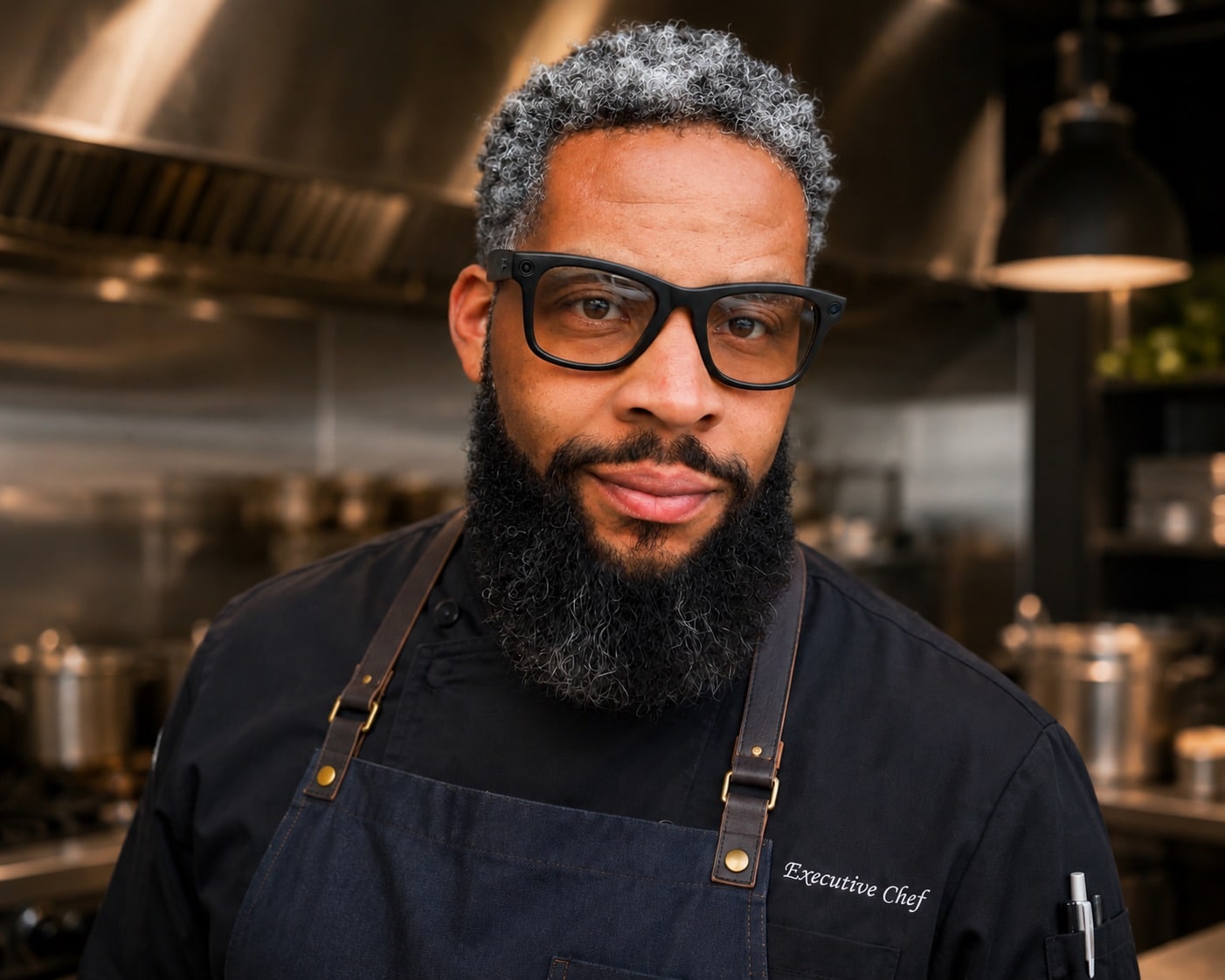
“You can have a million views and still not have a business,” says Emeus “Bo” Corley. After 11 years at AmTrust Financial Services, including four years as VP of Operations, Corley approaches the Creator Economy less as a content business than as a system with broken incentives. Now, as Chief Product Officer of food-tech company LeCuckoo Inc., he is applying that thinking to a compensation model designed to pay food creators royalties rather than one-time fees.
Bo operates as @bothegoattv across TikTok, Instagram, X, and YouTube. He is the author of “Dinner in One Take” and a panelist on social media strategy in the culinary industry, and serves as Chairman of the Chef Advisory Board and Chief Product Officer at LeCuckoo, the food-tech company behind LUC.cooking. The company has filed a patent application for what it describes as the world’s first comprehensive creator compensation model in food-tech.
Before becoming a creator, Bo rose through tech support and call center management at AmTrust to become VP of Operations, where he directed business across multiple departments. That experience shapes how he thinks about the Creator Economy now: less as a collection of individual creators and more as a system that can be redesigned.
“The corporate world taught me how to think in systems,” he says. “Content taught me how to think in attention. Those two things actually fit together really well.”
A VP’s Reading of an Influencer’s Balance Sheet
Bo’s operations background imposed a discipline most creators never develop: accounting for production costs, understanding contracts, building multiple revenue streams, and separating what can be repeated from what is simply fortunate.
“Somebody has to think about the infrastructure underneath it,” he says of the content machine. Most creators, he argues, never do, because their attention is fully absorbed by the creative work itself.
That orientation also shaped how Bo reads audience relationships. A creator who generates significant brand value from their content and walks away with only the contracted fee has not built a business. They have sold a moment. “Attention isn’t the same thing as ownership,” he says.
Praising Instead of Competing
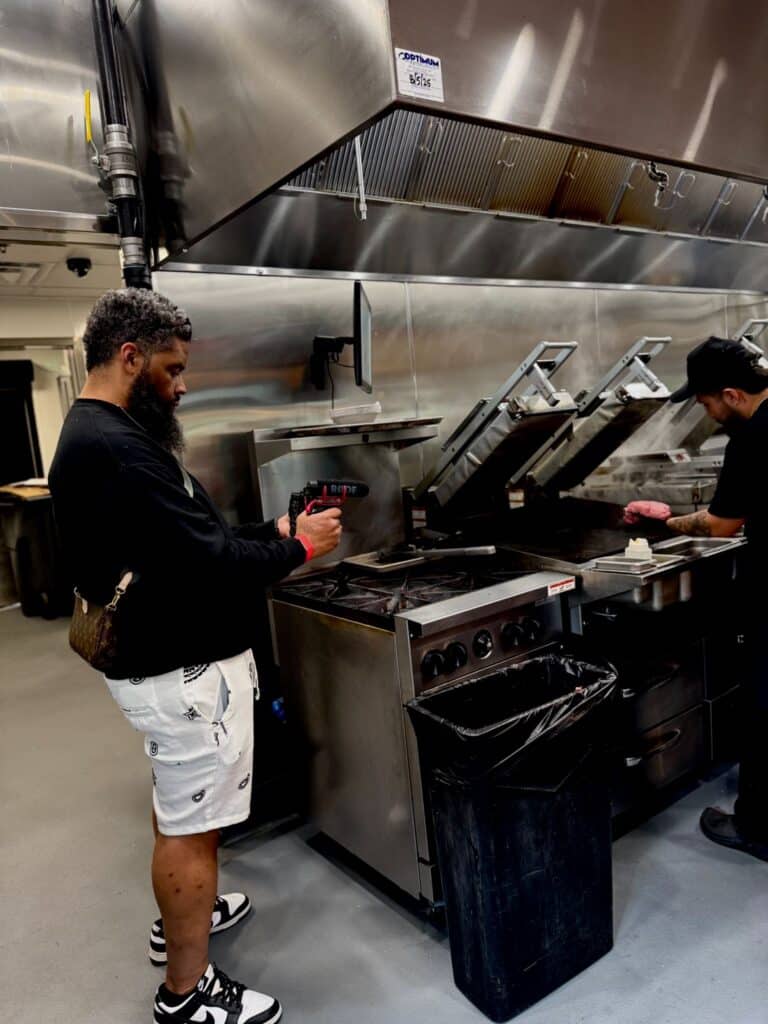
Before the corporate-to-creator narrative became central to Bo’s identity, he was building a following through culinary duets that praised other chefs.
“There was already enough negativity online,” he says. “If somebody was doing something cool, I wanted to say, ‘Hey, that’s badass.'” The internet rewards conflict; approval is not always as clickable. But Bo was building relationships, and some of the creators he originally praised became people he actually knew and respected.
“You don’t always have to compete with everybody in your industry,” he says. “Sometimes, you can build the industry with them.”
That posture paid off when one duet went unexpectedly viral. What mattered more than the video itself was what happened next. People who arrived for that content began exploring the rest of his catalog, deciding whether they liked Bo, not just the food. “The viral video wasn’t really the business,” he says. “The viral video was the introduction.”
What Food Creator Saturation Actually Means
Food is one of the most crowded categories on every major platform. “There are a million people making steak videos,” Bo says. “There are a million people making recipes. There are a million people smoking brisket.”
The differentiator, in Bo’s view, is not technique but personality. “People don’t necessarily remember the exact recipe you made three months ago,” he says. “They remember how you made them feel.”
That philosophy produced “Air Punch,” one of his most recognizable in-video signatures. “It wasn’t designed as some massive brand strategy,” Bo says. “It’s just become part of the language of my content.” When viewers start recognizing a creator’s distinctive habits, they are investing in a relationship beyond the content itself, and that relationship is harder to replicate than any single recipe.
Platforms as Front Doors, Not Businesses
Not every piece of content in Bo’s catalog serves the same purpose, and he has stopped pretending otherwise. Some content drives reach. Some builds trust. Some cultivates community. Some generates revenue. “And some content is just there because it’s fun,” he says. “That’s important.”
He has become equally disciplined about the difference between platform distribution and the business itself. “I look at social media as the front door,” Bo says. “The real business has to exist beyond the algorithm.” The algorithm can change tomorrow, he argues. The ability to connect with an audience should not disappear with it.
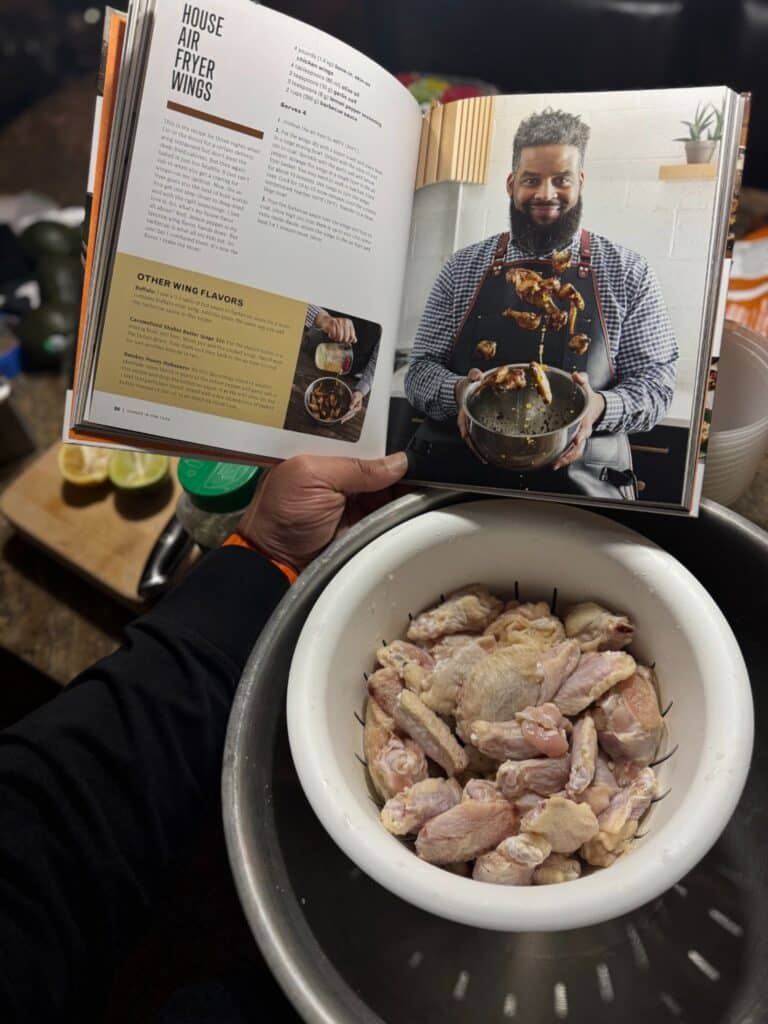
Publishing “Dinner in One Take” extended that logic. A book exists independent of any platform’s distribution decisions. “A book says, ‘I’m willing to put all of this into something permanent,'” he says. It opened commercial conversations that positioned Bo not just as a food creator but as an author, culinary personality, and business operator simultaneously, which was the point.
What Brands Keep Getting Wrong
Bo has built repeat partnerships with brands including Spiceology, Walmart, Hexclad, Oklahoma Joe, and Kroger. The through line in those relationships is a collaborative frame rather than a transactional one; he wants to understand what the brand is trying to accomplish and then communicate it in his own voice, not in the language of a corporate press release.
The common alternative is, in his observation, the most costly mistake brands make in the food and culinary creator space. “They’ll spend all this money finding somebody with an audience and then hand them a script that sounds nothing like them,” he says. Brands hired the creator because of the audience relationship, he argues. The question is whether you let them use it.
If he does not believe in the product, he declines. “My reputation is the thing I’m building,” he says. “So I have to protect that.”
The Royalty Bet
The argument Bo is making through his CPO role is an extension of everything he has said about creator economics. Creators are people who have built relationships with audiences, and those relationships generate ongoing value that a flat-fee payment captures only once.
“The biggest problem is that creators are often paid for the content they produce, instead of the value they create,” he says. “Those aren’t always the same thing.”
LeCuckoo’s patent application centers on a compensation mechanism that would allow food creators to participate in revenue tied to recipe and content performance after publication. Bo frames the shift plainly: instead of treating the creator as a vendor paid to deliver content once, you treat them as a partner in the economic value the content continues to generate.
The model draws a direct parallel to how other creative industries have resolved this question. “Music has royalties. Books have royalties. Patents have royalties,” he says. “Why shouldn’t food creators have mechanisms that allow them to participate in the economic value of their creative work?”
Whether the tracking can be made transparent, the economics understandable, and the system scalable remains the work ahead. But the direction is stated. “I’m betting on a world where creators aren’t just paid for the moment they publish something,” Bo says. “They’re compensated for the value they continue to create.”
Building the Economy He Believes In
Bo’s advice to creators considering leaving traditional employment is not aspirational. “It’s not freedom all the time,” he says. “Sometimes, it’s just a different kind of pressure.” When a traditional job has a bad week, the individual absorbs it. When a creator’s business has a bad month, there is no one coming in to fix it. “Build something before you burn something down,” he says.
What he is building now merges his corporate past and his creator present: a compensation model designed to let food creators participate in the ongoing value of what they make, not just the moment they publish. It is the same systems thinking he applied to call center operations, now applied to an industry whose underlying economics, he argues, have never been built right.
“If I can build a business around that, while creating a better economic model for the creators who come after me,” he says, “that’s the thing I’m really proud of.”
Subscribe to Our Newsletter
Check Out Our Podcast