






Influencer
Beyond The Heart Eyes: How Lani Reclaimed Her Voice In The Creator Economy

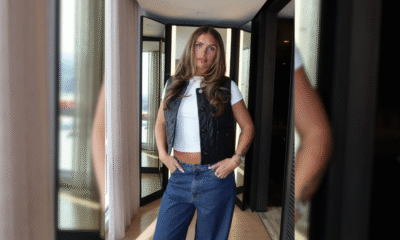
In a small bedroom during the height of the 2020 pandemic, Lani (LanoExe) started filming content that would eventually reach thousands. What began as emulating popular female streamers she admired quickly turned into dealing with a field that often reduces women to their appearance. While many creators chase views at any cost, Lani made the uncommon choice to prioritize being genuine over metrics.
“I wasn’t comfortable leaning into my looks anymore. I had too much to say,” Lani explains. “As a woman online, in a space dominated by men, I realized I also contributed to being typecast. That wasn’t the life I wanted anymore.”
Inspired by female streamers like Pokimane and Valkyrae, she entered the male-dominated world of streaming.
The challenges were immediate and personal. “You come into the industry being typecast. As a woman, especially in streaming, you’re expected to fall in line,” she shares. “Any success, views, or money, you’re written off as just a pretty face.”
This dismissive treatment extended beyond comments to actual safety concerns. “I’ve had threats since I was 15, 16. People would DM me on Twitch or social media, threatening to find me or cause physical harm,” Lani says.
A Safe Community Through Moderation
The harassment Lani experienced led her to develop a protective approach to community building. “I leaned into heavy moderation,” she says. “Some streamers chase views with rage bait or harmful dialogue. I doubled down on mods, filters, and the block button.”
This approach created a foundation for the meaningful content she wanted to share. “It’s not the best for Internet growth, but it gave me a community and brand I was proud of, and space to talk about topics that mattered.”
Initially, Lani admits she played into industry expectations: “I leaned into what people expected; just a pretty girl streamer who didn’t step on toes or say anything about representation.” But, as she continued creating, her perspective shifted. “After a couple of years I’d had enough. I started talking about topics that were important to me.”
From Objectification to Being Real
The catalyst for Lani’s transformation came after enduring a flood of inappropriate messages. “So many harassers from Reddit and old posts came into my DMs asking for explicit things,” she says.
The scale of this harassment forced clarity. “After hundreds of those comments in a few months, I realized I wasn’t comfortable leaning into my looks anymore. I had more important things to say.”
This realization extended to her own responsibility. “I had to take responsibility, too. I was young and naive, but I didn’t want to be reduced to just my body or face anymore.”
Audience Demographics and Business Opportunities
Lani’s shift toward genuine content changed both her audience and opportunities. At first, her strategy was clear but limiting: “I pandered to the male gaze. I thought I’d have a career as long as men followed me.”
This approach didn’t bring meaningful opportunities. “When my audience was mainly men, I got no brand deals,” she says. “I’d get heart-eyes emojis, but no real interaction.”
The few collaborations she had reinforced stereotypes: “I was typecast as a pretty Asian girl selling dating apps to men. That was all I was good for in the industry.”
Working with a new management team helped her pivot. “After I joined a new team, they helped me shift. Now my YouTube audience is 70-80% female, and I get consistent brand deals with gaming, esports, and make-up companies I actually care about.”
Her team played a crucial role in helping her redefine her goals. “When they saw potential in me, I thought about whether they’d be proud of my content. They asked me, ‘Do you really want a 50% male audience? You should aim for 80-90% female.’ And they explained why.”
The Personal Cost and Rewards
The transition wasn’t easy. “The hardest part was finding myself again. I had a system that worked just by leveraging my looks,” Lani admits. The immediate impact was stark: “My viewership dropped two-thirds. I lost 4,000-5,000 followers overnight. It was harsh finding my voice again.”
Beyond numbers, it affected relationships: “I lost friends and fans. People didn’t like that I stopped posting what they wanted.”
Despite the challenges, the rewards were clear. “Now that I’ve found my voice, I feel the most me I’ve ever been. My mental health is better, and I’m more joyful because I’m making content that says something.”
Audience feedback has reinforced her decision: “I get DMs from people saying, ‘You inspired me to stop leaning into looks-only content.’ Those comments make it worthwhile.”
Her relationship with her work improved, too: “Before, I was embarrassed to share what I did. Deep down, I knew it didn’t fulfill me. It went against my morals. I was exchanging my values for money.”
Now, she feels purpose: “Ever since the change, I’m so happy to talk about my content. My videos are about giving narrative power back to women in this industry.”
Advocacy and Representation
For Lani, reclaiming her platform means advocating for women. “I want to be a voice for women who feel trapped in an industry that profits off their bodies,” she says. This includes speaking on topics she once avoided: “It’s important I actively say I’m a feminist and talk about women’s health and gendered issues.”
Her growth reflects increased awareness: “At 18, I didn’t have the words or confidence to speak up. People just wanted me to model or do sex work. I never wanted that.”
Now she sees industry patterns more clearly: “I realize how messed up it was. Constant sexualization, even when we’re fully covered and say we don’t want it.”
Sharing Without Oversharing
While Lani advocates for being genuine, she emphasizes the importance of balance. “You need authentic pieces of yourself online,” she says. “That doesn’t mean oversharing every breakdown or detail of your day.”
Instead, she recommends a curated approach: “Share parts that are true, but not everything. Don’t put out things that could paint you in a bad light.”
This came from hard lessons: “When I started, I overshared every insecurity. Bad actors used that against me, leaving hate, threats, and threads targeting my weaknesses.” She learned from top streamers: “The biggest creators share just enough to connect, but not every detail about dating, family, or personal struggles.”
Sharing Her Disability Experience
Lani describes herself as a stroke survivor. She experienced a childhood stroke at age 10, which left her with a visible limp and some lasting mobility challenges. One key part of openness was discussing her disability. “It was scary. Back in 2020, 2021, the space was full of able-bodied, attractive people,” she recalls.
The first response was supportive: “When I talked about it at 16, the clip went viral. I got a lot of sympathy and support.” But continued discussion brought mixed reactions: “Over time, people got tired of it or reduced me to just my disability.”
Still, it built meaningful bonds: “I gained a whole new audience of disabled and chronically ill people. That community is something every creator deserves.”
Expanding into Financial Content and Education
As she grew, Lani added financial content. “After Covid, financial content exploded. We realized women were never taught finance, and it was taboo in creator spaces,” she says. She was inspired by other women influencers who were openly discussing money. “By 2022, I wanted transparency too,” she says.
It became personal as her earnings grew: “When I started seeing real paychecks, I realized I wanted to document my journey too.” She admires financial creators blending feminism and money: “Her First 100k, Tori Dunlap, blends feminism with finance. And Vivian, Your Rich BFF, went from Wall Street to online finance guru.”
Brand Partnerships: Building Meaningful Collaborations
As Lani’s content matured, so did her partnerships. One highlight came from Xbox: “To be handpicked by Xbox, a company I grew up with, was huge. They saw my voice and chose me for a speaking video.”
This deal was validating: “That partnership meant a lot.” Her management filters opportunities: “I made sure they knew my values before signing. They filter out offers, especially those from adult sites. I say no immediately – they don’t align with me.”
Being genuine comes from being whole: “The key is existing as a full person outside content. Let viewers see you have a life and interests off camera.”
Long-Term Future in Content Creation
Looking ahead, Lani is focused on deeper connections. “From what strategists say, getting people to connect with you matters most,” she says. “Long-form content helps build sustainable relationships.”
She’s already experimenting: “I’ve been uploading weekly YouTube vlogs; my workdays, college, and content creation.”
She identifies three pillars: “Virality, educational or helpful content, and personality-driven content that builds connection.” Her long-term goal is streaming: “I want to heal my relationship with streaming before I return. Long term, I want to stream again.”
In five years, she envisions: “I want to make it on YouTube, travel on brand trips, and maybe build my own company around social media or coaching.”
As for her short-term goals, they are specific: “I want to go on one brand trip, really lock in with YouTube, and grind by editing my own clips for a while.”
Advice for Creators Feeling Trapped
For creators stuck in niches, Lani advises: “Look at what makes you happiest, not the numbers. Write it down and have an honest sit-down with yourself.”
She encourages self-expression: “Be your own niche. Share curated parts of yourself. Don’t box yourself into a 9-to-5 or into an image people expect you to have. You choose what you put out.”
Her rebrand shows the value of being genuine: “With the power and passions you have, make the content you’d be proud of.”
Her final advice balances honesty with boundaries: “Trust your heart. Don’t monetize every hobby. I took a pay cut on Twitch to keep things like photography and reading offline. Stick to your morals; it pays off in the end.”