



Technology
Dimension Is Building AI to Run the TikTok Shop Operations That Decide Which Sellers Break Out

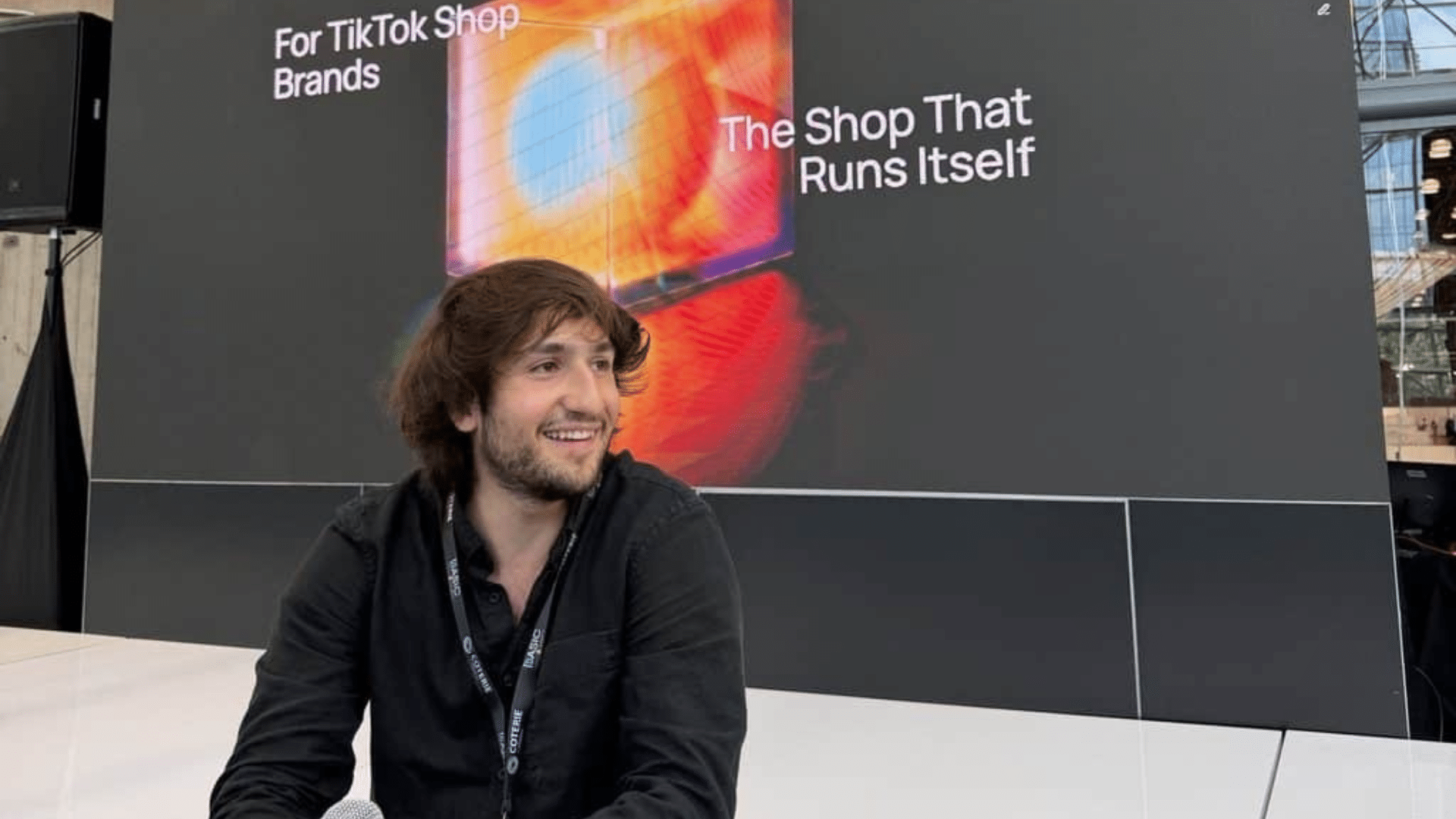
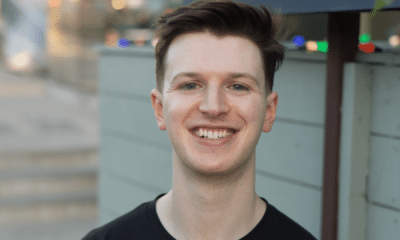
Ali Mirzaei says a TikTok Shop can sign the right affiliates, get strong content and run ads well and still never break out if its customer service score slips. Dimension, the Santa Monica startup he founded in 2024, sells SellerOS, an AI operating system built to handle the operational work behind those scores.
That operational load is what Ali ran into on his own shop, which he opened within two months of TikTok Shop’s 2023 U.S. launch and, by his account, took to number one for sales and growth rate within six months. He compares the platform to Shopify, Amazon and TikTok “having a baby,” with inventory, customer support, returns and marketing running through one channel.
SellerOS was the plan before Dimension existed, and it rests on two bets. The first is that TikTok Shop becomes what Ali calls “the ChatGPT of social commerce,” keeping its lead through its affiliate system as Meta and YouTube push into shopping. The second is that AI will become capable enough to act without prompts, making it possible to run TikTok Shop autonomously. “TikTok Shop is a massive operational problem because there are so many different pieces to it, and it’s so complex,” Ali says.
Dimension pitches the software mainly to agencies, though it is also built for brands running their own shops. The company reports running TikTok Shop for more than 50 brands, including Final Boss Sour, Liquid Death and Bones Coffee, taking four to number one in their categories and driving more than $100 million in sales. Backed by Science Inc., it announced a $1.65 million seed round in July.
Ali’s case for the agency focus is that Dimension’s own full-service team runs on the platform. “We’re our own case study, so we speak their language,” he says.
A Weak Support Score Can Cap a Shop’s Growth
That full-service work starts with how TikTok Shop grades sellers. Affiliates are the primary growth lever, according to Ali, but the platform also holds each shop to performance targets for customer support, fulfillment, violations, and returns. A brand can do the growth work well and still miss one unnoticed.
“It looks like you’re answering all the tickets; everything’s going well. That shop is never going to break out,” Ali says of a shop whose customer satisfaction KPI drops.
Returns show how specific the targets are. Refund requests need processing within 48 hours, per Ali, which means triaging whether each is legitimate and contacting the customer when information is missing. Faster shops benchmark higher against other brands.
The load grows with success. Ali notes that a shop can go from ten to tens of thousands of orders a day within a week, a pace that can break a supply chain. “When your shop breaks out, it gets even harder to meet all these KPIs,” he says. Final Boss Sour shows what happens when a shop answers a falling score with growth spending.
Final Boss Sour Was Overspending to Offset a Weak Score
Final Boss Sour had made $6,000 in its first three months on TikTok Shop when Ali took over from the third-party agency running it. Slow responses to support tickets were dragging down its score. “The worst part was that the agency was overcompensating for that by over-investing in growth,” Ali says. That meant heavy sampling, 50% affiliate commissions, and ads with a poor return.
Ali cut the commissions immediately because a viral video at that rate would have burned through the brand’s money. The agency also did not know about TikTok Shop’s 30-day lock period. Once a video takes off, lowering the commission does not stop that affiliate from earning 50% for at least 30 days, roughly the window in which Ali says a video saturates.
The growth came from affiliates the shop already had. Nobody was working with the small affiliates who drove the first $6,000, so Ali started messaging them and re-optimized the listings. “That pool of those small affiliates ended up driving all the growth that the shop got in the next two weeks,” he says.
Discounts played almost no part. Ali argues heavy discounting cannibalizes CPG brands because consumers learn to wait for a deal, so the brand sells at MSRP. He says its ads have returned five to six times spend or higher since. He reports driving more than $8 million in sales for the brand.
SellerOS Already Handles Most of the Audit Work
Dimension finds similar low-hanging fruit in almost every brand with traction it takes on, and SellerOS is built to repeat that audit. Ali estimates it already handles 70% to 80% of the audit and remediation work. A shop audit launches 10 specialized agents that each examine one part of the shop and report what to fix, and users can ask the platform’s AI Operator what is holding a shop back.
The “Shop Performance Score,” which Ali says any brand should watch “like a hawk” next quarter, gets checked daily, with a report and steps to fix it. Inventory and logistics stay with the brand, while the platform can handle support tickets and return processing.
Two tasks still need a person. The agent cannot edit product listings, so it drafts the copy and links the user to Seller Center, and it cannot yet set up promotions such as flash sales. “We still have smart band-aid solutions for those two gaps,” Ali says. According to the company, the $500 monthly price per shop covers every module and unlimited team members.
Dimension Grew to 50 Brands Without New Hires
Dimension’s own agency is the clearest test of that automation. Ali says it went from 16 brands to more than 50 since last year without hiring, with retention above 95% since the start of this year. One person runs affiliates for every brand, one handles ads and strategy, and one leads logistics and support.
“The reason this works is that our platform has basically automated the majority of all the work,” Ali says. “All we have to do is set it up and then check in on each brand.”
Other agencies can keep their own structure, including one built on account managers who each cover two to four brands. Brands already doing more than $20,000 a month on TikTok Shop usually see results within the first week or two, according to Ali. That is Dimension’s pitch to agencies: the workflows that let three operators cover 50 brands ship with the software.
SellerOS Keeps Humans Approving What Goes Out
Covering that many brands with that few people depends on what the software may do alone. SellerOS presents actions for approval, such as a reply to a negative review, and executes them when a user clicks approve, though users can switch workflows to run autonomously.
Dimension tested the opposite default with one agency, letting affiliate sample approvals run out of the box after a 72-hour preview window. According to Ali, the agency never saw the pending approvals, and over a weekend SellerOS approved a batch of samples for one of its brands. That created a trust problem because the brand had arranged to approve samples itself.
Dimension offered to cover the cost of the sampled goods. “When we actually looked at the work it did, it was like, these are actually pretty good,” Ali says. The company still switched the default off, and it says uncertain sample requests are flagged for review.
Brand-New Sellers Still Have to Learn the Platform
Keeping people in the loop also means SellerOS rewards users who engage with it. A team of one to three people that has never touched TikTok Shop can use it, Ali says, but it won’t work well unless they put in time to learn the platform with the AI Operator.
“If you’re not going to be proactive and ask the right questions, it’s still a little bit difficult,” he says. A brand-new shop also gives the agents little to optimize beyond setup and affiliate invites, which Ali expects to change within a month or two.
Dimension Is Racing Toward Shops That Run Themselves
The longer-term answer is the bet Ali made three years ago: AI that no longer waits to be prompted. He notes that more than half of U.S. consumers use AI while only about 2% to 3% of households pay for it, and he wants SellerOS to run 99% of a shop without anyone asking it anything.
That would cut the cost and expertise needed to sell on TikTok Shop “almost down to zero,” Ali says, so small brands can test the channel without spending heavily. He is aiming for three to six months.
“If we can pull this off, I think it’ll have ripple effects on the space,” he says.
Subscribe to Our Newsletter
Check Out Our Podcast