




Strategy
How Chipotle Built a Gen Alpha Creator Campaign Around an Order That Already Existed

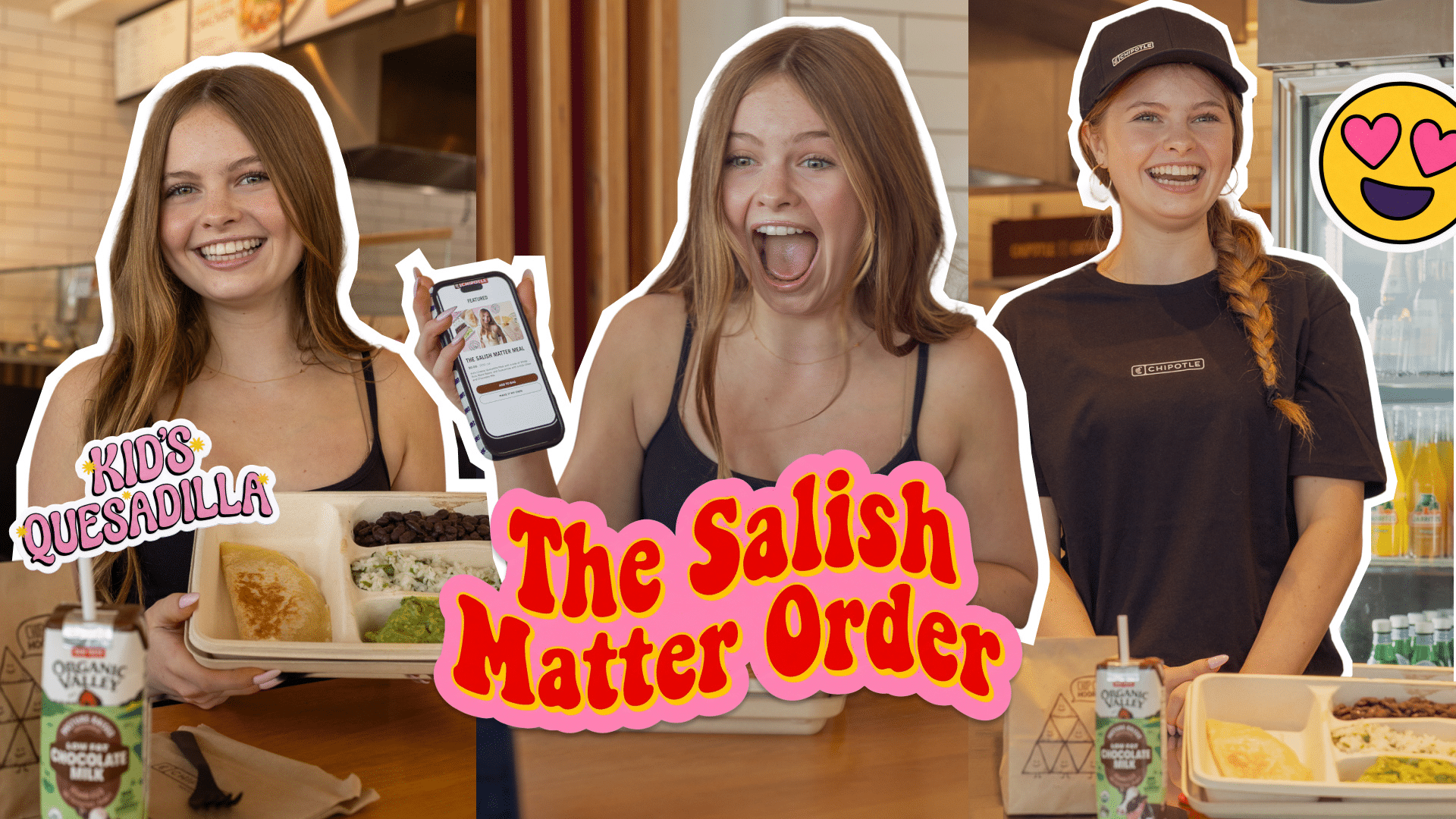
Chipotle’s latest creator campaign began not with a marketing brief but with a social listening report. Salish Matter, one of Gen Alpha’s most-followed creators, had been ordering the same Kid’s Cheese Quesadilla at Chipotle for years before the brand formalized anything. When the Salish Matter Order launched in August 2026, the product was unchanged.
The collaboration marks the first time Chipotle has built a creator spotlight around a Kid’s Meal and makes Salish the youngest creator the brand has featured with a digital menu item. Stephanie Sotelo Perdue, SVP of Brand Marketing at Chipotle’s Newport Beach, California headquarters, frames the partnership as a signal for how creator fandom can move from organic behavior into formal product strategy.
“What excited us about working with Salish was that the connection already existed,” Stephanie says. “She was a genuine Chipotle fan, so our opportunity was to take something she already loved and give her community a way to experience it themselves.”
Stephanie joined Chipotle in 2018 after more than 12 years at Taco Bell, where she led the launch of Doritos Locos Tacos and helped earn the brand Ad Age’s “Marketer of the Year” recognition in 2013. Her team manages calendar strategy, advertising, and creator and partnership programs for a company that now operates more than 4,200 restaurants and is expanding its focus on Gen Alpha diners and their families as a customer segment. The Salish collaboration surfaced through that structure. Chipotle’s social listening function had been flagging her organic content for years before any formal outreach began.
The Partnership Was Real Before the Contract
Formal conversations with Salish’s team started in the spring. In May, Salish served Chipotle quesadillas at a sold-out SUGARWRLD event in Santa Monica, a moment tied to the launch of her skincare brand rather than any Chipotle activation. The partnership formally kicked off in June, and the Salish Matter Order went live on August 19, roughly two and a half months later.
“This really started with Salish, not with a marketing brief,” Stephanie says. “She had featured Chipotle organically for years in content, which our social listening team flagged for our broader social and marketing teams.”
Beyond her audience reach, the specificity of the relationship was the asset. Salish’s community didn’t just know she liked Chipotle. They knew which order she always got. “It was the combination of genuine fandom and a highly engaged audience,” Stephanie says. “Chipotle was already part of her content and her routine, and her fans knew her specific order.”
The Product Already Existed
Creator collaborations often require a brand to manufacture something new. It could be a limited-time item, a signature flavor, or an altered recipe. The Salish Matter Order required none of that since the Kid’s Cheese Quesadilla with white rice, black beans, guac, kid’s chips, and chocolate milk was already on the menu.
“We didn’t create a Kid’s Meal for a Gen Alpha campaign,” Stephanie says. “We took Salish’s real order and made it easy for fans to find.”
This approach maps directly to Chipotle’s “For Real” brand premise, a positioning grounded in its 53-ingredient menu. Stephanie argues that the same logic governing the food program applies to creator relationships. “Sometimes the strongest marketing move is not to reinvent the behavior,” she says, “but to recognize it and make it easier for more people to join in.”
Building Long-Term Fandom, Not Just a Back-to-School Spike
The Salish Matter Order was backed by Datassential research indicating that Gen Alpha significantly influences where families choose to eat and develops brand preferences early. According to February 2026 data, 75% of Gen Alpha show an interest in learning about the food they eat. Stephanie is direct about where that research entered the decision process.
“We know Gen Alpha is already influencing family dining decisions and developing brand preferences early,” she says. “The research helped give additional context and validation to an opportunity we were seeing in the marketplace.”
The Kid’s Meal was an entry point, not a default. Stephanie describes the campaign’s near-term goal as driving trial but frames the longer-term ambition separately: “There’s a longer-term opportunity as well,” she says. “Introducing more families to the value and versatility of our Kid’s Meal and building a relationship with the next generation of Chipotle fans.”
Chipotle Built the Campaign to Convert Discovery Into Participation
The order is available nationally through the Chipotle app and website, but the brand deployed physical menu boards only in Los Angeles and Orange County. That concentration connects to the campaign’s contest structure: the “Ultimate Chipotle Creator Experience” offers five winning fans round-trip travel to Los Angeles, an in-restaurant lunch with Salish, and the opportunity to create content alongside her.
“The digital order allowed us to make the experience available nationally, while Los Angeles and Orange County gave us an opportunity to bring the partnership into the physical restaurant environment in a more focused way,” Stephanie says.
Each campaign element serves a distinct function. Salish’s social content creates discovery. The digital menu item makes ordering immediately actionable. The LA menu boards add a physical brand signal in a market connected to the creator. The contest sustains participation beyond the announcement. Chipotle has also reposted Salish’s content to its Instagram Stories to extend reach. “The Salish Matter Order gives fans something they can try,” Stephanie says. “The Ultimate Chipotle Creator Experience gives them something they can participate in. That distinction matters with a generation that doesn’t just consume content. They want to interact with and create their own.”
The campaign’s visual identity, featuring pink, yellow, stickers, and emoji-heavy design language, stands outside Chipotle’s typical aesthetic. “A collaboration should feel like both partners, not one brand simply placing its logo into someone else’s world,” Stephanie says. “We gave ourselves room to play with visual cues that felt recognizable and celebratory of Salish and her world, while still feeling unmistakably Chipotle.”
One Question Chipotle Uses to Vet Creator Partnerships
For brands evaluating similar creator collaborations, Stephanie’s standard comes down to one question: “Would this relationship exist if there weren’t a contract?”
“The best collaborations are rooted in authenticity,” she says. “And you need to be disciplined enough to not over-engineer it. Give the creator freedom to create content that feels authentic and natural to their audience. Social audiences are discerning and can tell when campaigns are forced.”
Chipotle’s near-term KPIs for the Salish campaign include digital orders, social engagement, and contest participation. The longer-term measure is whether the campaign builds familiarity and affinity with families. The two-month window was set to maintain a sense of occasion while giving Salish’s audience and families enough time to discover and try the order.
A Broader Conversation Than Chipotle Planned For
Chipotle reported that the collaboration has generated nearly 460 million earned media impressions, with conversation showing up across Instagram, TikTok, and YouTube. Stephanie notes that the topics driving that conversation extended beyond the menu item itself.
“A lot of the conversation became about how brands can engage Gen Alpha authentically, how creator relationships can move from social content into a real product experience, and what loyalty-building looks like with the next generation,” she says.
That expansion is, for Stephanie, the more meaningful signal. The Salish Matter Order runs for two months. The questions it raises about how brands build trust with younger audiences, and how creator relationships develop before any deal is signed, will outlast the promotion window.
“The relevance of the campaign was bigger than the item itself,” Stephanie says. “We were participating in a broader conversation about how younger consumers discover brands and influence family decisions.”
Subscribe to Our Newsletter
Check Out Our Podcast