YouTube has unveiled dynamic ad insertion for long-form videos, transforming how creators and brands approach sponsorships on the platform. This new feature will enable creators to swap, remove, or replace sponsor segments after videos are published, effectively turning their content libraries into a renewable source of advertising inventory.
According to an official blog, the platform is shifting from permanent "burned-in" sponsorships to swappable slots that creators can manage over time. YouTube's September 16 announcement revealed that this change will enable creators to "remove the sponsorship when the deal is complete, resell the slot to another brand or eventually sell the same slot to multiple brands in different markets – transforming your videos into living assets."
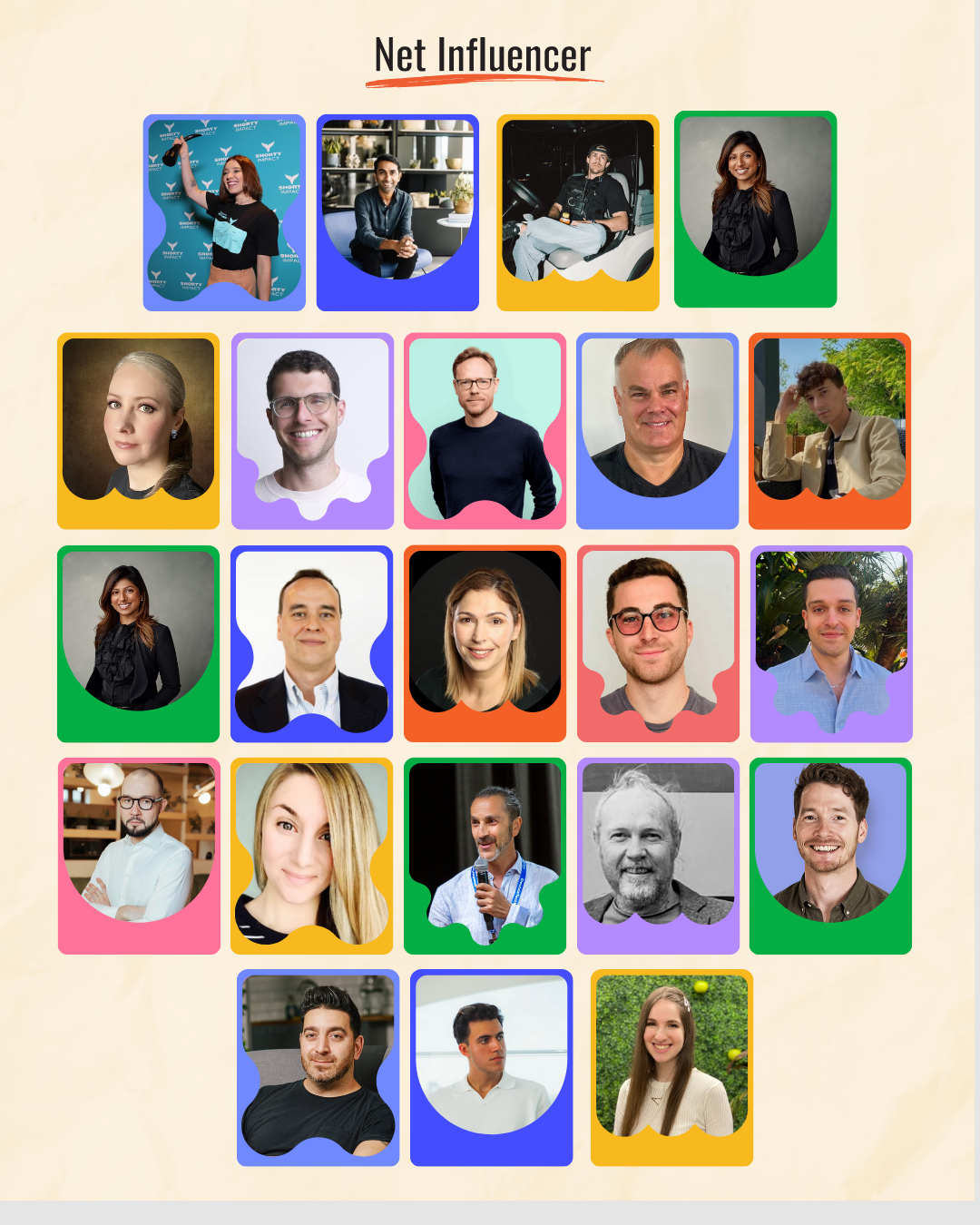
As part of this significant shift in creator monetization, we sought the insights of 21 industry experts on the potential impact of this feature on the creator economy. Each leader addressed a critical question: "How do you think this new feature will impact partnership deals for brands and creators?"
Their perspectives reveal how dynamic ad insertion may reshape sponsorship pricing models, deal structures, and the overall creator business landscape as YouTube begins testing this feature with select creators.
That’s a pretty big shift. For brands, it makes campaigns more flexible since sponsorships don’t have to be “one-and-done” tied to the initial upload. They can buy into a video months later or swap messaging if priorities change. For creators, it opens up an entirely new layer of inventory management: older content stays monetizable, and deals can be refreshed without needing a new upload.
The flip side is that it’ll probably change how partnerships are structured. Instead of just a flat fee for a static mid-roll, we’ll likely start to see pricing models that factor in how long a segment runs, how often it’s swapped, or whether a brand wants exclusivity. Boiling it all down, deals may start looking more like programmatic ad buys, but still carry the halo effect of creator endorsement. Overall, I think it’s a win for both sides – more efficiency for brands, more long-tail revenue for creators.
Ultimately, dynamic ad segments is a huge win for the YouTube ecosystem, because it vastly increases the value of the inventory on platform. One of the most unique, powerful parts of YouTube is the back catalogue of content and the extended life of content.
However, in the past, fixed placements means that the ad segments were stale and therefore less valuable for an advertiser. Now, even years later, relevant, valuable ads can be inserted which should help both creators and advertisers increase the cumulative value of a piece of content.
YouTube's announcement that it has introduced dynamic ad insertion for branded segments is massive news for the advertising industry and I expect that we will see the market embrace the opportunity very quickly. At Adelicious and Audioboom, we're watching carefully on behalf of all of our partners for more clarity on where and how this capability will be rolled out and waiting to hear directly from YouTube as to when this opens up to networks. For brands and creators alike, this move is yet another signal that the creator economy is no longer a niche, but rather it’s rewriting the rules of how advertising is bought, sold, and experienced. But also, let's not forget, this is exactly how other media has operated for decades and on podcasts for many years.
I think this is a really smart move and opens up new opportunities for creators to maximize the long-term value of their content. At the same time, I expect some brands will start specifying in agreements that their placement should remain live for the duration of the video’s lifecycle. Interestingly, that could create a new premium option where creators charge extra for guaranteed exclusivity ultimately adding another layer of value to brand partnerships.
The entire concept of a YouTube sponsorship deal just changed. For a decade, brands bought permanent placement in videos. Now with YouTube's dynamic ad integration, creators own renewable inventory. Brands rent attention.
Creators who move fast could multiply their sponsorship revenue from existing content. Brands who understand this shift will lock in their best partnerships before the market adjusts.
Podcasts proved this model. YouTube just brought it to 2.7 billion users. The negotiation playbook didn't evolve. It exploded.
This essentially transforms creators from one-time service providers into active portfolio managers of their content. Instead of "set it and forget it" sponsorships, creators can optimize revenue based on performance. When videos take off months later, creators can demand significantly higher rates.
From a brand perspective, this creates both opportunities and complexities. Brands can access high-performing content they may have initially missed. However, this means brands lose exclusivity and could find themselves watching competitors replace them in outperforming videos.
We're moving from relationship-based partnerships to a dynamic, performance-driven marketplace, almost like a Wall Street-style trading floor for sponsorship slots.
Competitively, this is a smart move by YouTube. While other platforms focus on viral moments, YouTube now offers sustained monetization of evergreen content, making every video a potential long-term revenue stream. Other platforms must respond or risk losing creators.
Dynamic ad insertion is huge. Before, once you did a brand deal it was locked in forever. Now creators can swap, resell, or update those old integrations, essentially turning their back catalog into new inventory. More control, more money, fewer conflicts. This is a total win for creators.
I see this as a real game-changer. For creators, dynamic ad insertion means those brand integrations don’t just live once – they become long-term inventory you can refresh, resell, and keep monetizing across your entire back catalog. For brands, it’s a huge win too: you’re not locked into evergreen integrations that age out, and you can swap in campaigns that tie directly to what’s happening in culture right now.
My hunch is deals will start to look more like licensing windows, with brands buying time-bound exposure instead of permanent integrations. That not only gives brands more flexibility, but also increases the long-term value of a creator’s catalog since every sponsorship slot is now an asset that can be repackaged. It feels like the closest thing we’ve seen to programmatic buying inside native creator content.
This feature is a win for both brands and creators. It strengthens creators’ business models, making them less dependent on flat ad deals. Brands will gain greater transparency and be able to leverage data to make decisions tailored to the sales funnel and achieve business goals. Overall, the new feature turns YouTube into a digital marketplace, with content driving sales, just as we already see on TikTok and Twitch. YouTube is simply reflecting and accelerating the growing trend of in-platform shopping.
Creators are becoming more integral to the success of marketing campaigns and YouTube’s new dynamic ad feature only further proves this. The ability to swap or update sponsorship slots gives creators the flexibility to pursue the most authentic partnerships while also meeting rising demand for influencer marketing. For brands, it keeps campaigns timely, relevant, and impactful without losing reach. At Amaze, we see firsthand how much creators value tools that give them more control and freedom to deliver high-quality, audience-first experiences, making this innovation a win for both sides and a meaningful step forward for the creator economy.
I see dynamic ad insertion turning creator sponsorships from one and done into living inventory. For example, imagine a fitness creator whose January routine surges every New Year. A vitamin brand can rotate a fresh offer on December 26 without a new upload and the audience stays with the story!
For marketers, the buy changes shape. Pricing moves toward rights to a slot based on impressions and time with refresh options. Packaging expands from a single episode to reserving a position across the back catalog. Performance becomes iterative as brands split test reads, localize creative, and tune frequency inside the same video.
The operating model has to catch up. Contracts should spell out where the segment runs, how long it stays live, who can swap it, and how conflicts are handled. Keep a simple change log that legal and procurement can check. Use a clear disclosure line that persists after each swap. Protect trust by capping refreshes per asset, asking for creator rereads when possible, and enforcing contextual fit. If news breaks, pause quickly and reset.
Treat creator integrations like living inventory. The teams that rewrite the rules first will own the shelf. AND content stays relevant and lives longer.
The ability for creators to monetize better and smarter is always welcomed in my book, and this move by YouTube certainly fits into that category. Whether it's refreshing evergreen content with new partnerships or having ads someone else has found for you dynamically inserted, these are incredible tools for creators to have at their disposal. Event sponsorship, for example, is huge. On my own podcast on YouTube, the two sponsored placements currently in place are events. However, after those events conclude, the ads aren't just interruptions to the content; they are completely useless to everyone. With new people discovering the pod all the time and diving into the back catalogue – that is a big issue, so happy to see this innovation.
All of this is YouTube positioning itself for two things:
Becoming the go-to place for TV
Making the platform more attractive to advertisers.
By mimicking how traditional TV and entertainment programming sell ad space, they’re giving brands a familiar way to buy integrations. The fact that this has been done on podcasts a long time too is a dovetail for success in that space too.
For partnerships, the impact is huge: more brands will enter the market, drawn by the chance to get onto “TV” with a set amount of guaranteed real estate.
This is interesting news. Over the years we've seen our best returns (as a brand) from Creator Integrations when a) we've worked with creators for whom our service is a huge value add, and b) those creators have seamlessly integrated the messaging of the sponsorship into the native editorial content – more 'advertorial' style content, if you like.
This move will force creators to create more traditional advertising style content that is less authentic to the content itself and to 'chapter' it, which will allow more bots and more actual viewers to skip the content. In turn this will lead to less of a return for brands looking to reach niche audiences.
Just some initial thoughts. I'm glad that YouTube is working on ways to help creators earn more money but this may, in the long term, drive down value / fees for sponsored integrations.
In my view, dynamic ad insertion will shift YouTube sponsorships in a big way:
• Creators with lower U.S. audiences will finally start landing deals with U.S. brands, since advertisers can now buy impressions instead of being locked into a one-off integration. • More Fortune 500 brands will move into YouTube, similar to how they adopted DAI in podcasts – which should drive CPMs higher. • Renewal deal sizes will get larger, because once a partnership proves successful, brands can scale by buying against a creator’s back catalog on an impression basis. • Deal structures overall will start to look much more like podcast advertising, giving creators more predictable revenue and brands a cleaner way to scale.
YouTube’s dynamic ad insertion for branded segments is a game-changer for both creators and brands. With the ability to make post-publish updates to sponsorship slots, brands can run seasonal or short-term campaigns. The risk of running outdated content permanently embedded in a creator's video is now gone. This flexibility means that messaging can evolve, which is ideal for product updates, new promotions, or shifting audience trends. For creators, it opens up a longer monetization window as evergreen videos can now attract new brand deals long after their original release, turning older content into ongoing revenue opportunities. It also streamlines the partnership process, creating more opportunities for collaboration since campaigns are no longer limited by fixed content or messaging. Ultimately, this feature will enhance the strategic value of partnerships, allowing brands to stay relevant while empowering creators to maximize the lifespan of their content.
First of all, I think this is a very clever change for both YouTube and creators. It allows YouTube to keep content monetizable and relevant over time, while giving creators more flexibility to manage sponsorships, monetize their back catalog, and avoid outdated ads running in videos that are still being viewed.
In terms of partnerships, the impact can go both ways depending on strategy. On the positive side, creators can sell slots in content that has already proven successful without needing to recreate or re-edit. Brands benefit as well; they can not only promote their ads in new content, but also appear in older videos that are still relevant and deliver strong results. This opens the door to new deal structures, where brands can see performance from both new and past content. For instance, a creator can now promote an ad across all their videos, or suggest strong older campaigns that are still driving views.
On the negative side, there are challenges. Evergreen or past-content slots risk being mismatched with the actual video, which could harm brand relevance. Since ads are geotargeted and dynamically allocated, creators need to ensure placements remain legally compliant and contextually appropriate across different regions. If the strategy isn’t well executed, dynamically inserted ads may feel disconnected from the content, potentially damaging the brand partnership.
In short, it’s a positive and promising change, but smaller creators in particular may struggle, since not all have the resources or teams to strategically manage these slots.
YouTube’s introduction of dynamic ad insertion reflects two broader industry trends. First, creator platforms are prioritizing tools that give creators flexibility in monetizing their content. Second, brand sponsorships can be volatile, so ownership is critical.
This reflects what we’ve heard from Kajabi creators. They want tools that make sense for how they run their business. We recently launched our largest product upgrade in company history, equipping creators with 10 new tools to scale their businesses. This included comment-to-DM automations and conversion-optimized checkouts that make it easier to monetize their content and generate additional revenue.
We’re also seeing that creators are moving away from putting all their eggs in the brand sponsorship basket – data reveals the average Kajabi creator has five revenue streams. They’re diversifying their income by introducing their own products, which means their businesses aren’t at the mercy of sponsor budgets or brand perception.
We are excited about YouTube’s new dynamic ad insertion for branded segments because it changes the game for both creators and brands. Being able to swap or update sponsorship slots after a video goes live means creators can keep their content fresh and relevant, and brands can jump onto videos that are already performing well. It gives everyone more flexibility, better ROI, and makes partnerships easier to manage, which lines up perfectly with how we treat live event ambassadors. Everyone wants to be a part of something growing, why not let creators join in on this.
This is one of the most exciting things to happen in influencer marketing and the creator economy in the last 10 years. It’s such a powerful move from YouTube to reclaim their leadership in the space!
For brands, CPMs will take over as the standard (just like in podcasting) replacing flat rates. That makes influencer campaigns more predictable, measurable, and tied directly to impressions rather than one-off mentions.
Negotiations between brands and creators will evolve too, moving away from one-time deals toward scalable, ongoing inventory buys, where creators function more like media owners.
This shift positions creators as true media networks, and I expect significant ad dollars to move from programmatic TV into this space. For creators producing evergreen content, this is going to be a long-term revenue engine and a real schling schling moment!
YouTube can potentially 10x the brand deal economy with this move. TikTok has spark codes, Meta has partnership ads and this will be YouTube's way of getting advertisers to spend more paid media dollars on creator content. It's a gift to the audiences too – this should mean we all get to see way more creator-starring YouTube ads vs AI generated ads that are already flooding platforms.
Nii A. Ahene is the founder and managing director of Net Influencer, a website dedicated to offering insights into the influencer marketing industry. Together with its newsletter, Influencer Weekly, Net Influencer provides news, commentary, and analysis of the events shaping the creator and influencer marketing space. Through interviews with startups, influencers, brands, and platforms, Nii and his team explore how influencer marketing is being effectively used to benefit businesses and personal brands alike.









YouTube has unveiled dynamic ad insertion for long-form videos, transforming how creators and brands approach sponsorships on the platform. This new feature will enable creators to swap, remove, or replace sponsor segments after videos are published, effectively turning their content libraries into a renewable source of advertising inventory.
According to an official blog, the platform is shifting from permanent "burned-in" sponsorships to swappable slots that creators can manage over time. YouTube's September 16 announcement revealed that this change will enable creators to "remove the sponsorship when the deal is complete, resell the slot to another brand or eventually sell the same slot to multiple brands in different markets – transforming your videos into living assets."
As part of this significant shift in creator monetization, we sought the insights of 21 industry experts on the potential impact of this feature on the creator economy. Each leader addressed a critical question: "How do you think this new feature will impact partnership deals for brands and creators?"
Their perspectives reveal how dynamic ad insertion may reshape sponsorship pricing models, deal structures, and the overall creator business landscape as YouTube begins testing this feature with select creators.
Sarah McNabb, CMO, GigaStar
That’s a pretty big shift. For brands, it makes campaigns more flexible since sponsorships don’t have to be “one-and-done” tied to the initial upload. They can buy into a video months later or swap messaging if priorities change. For creators, it opens up an entirely new layer of inventory management: older content stays monetizable, and deals can be refreshed without needing a new upload.
The flip side is that it’ll probably change how partnerships are structured. Instead of just a flat fee for a static mid-roll, we’ll likely start to see pricing models that factor in how long a segment runs, how often it’s swapped, or whether a brand wants exclusivity. Boiling it all down, deals may start looking more like programmatic ad buys, but still carry the halo effect of creator endorsement. Overall, I think it’s a win for both sides – more efficiency for brands, more long-tail revenue for creators.
Andy Cloyd, Co-Founder & CEO, Superfiliate
Ultimately, dynamic ad segments is a huge win for the YouTube ecosystem, because it vastly increases the value of the inventory on platform. One of the most unique, powerful parts of YouTube is the back catalogue of content and the extended life of content.
However, in the past, fixed placements means that the ad segments were stale and therefore less valuable for an advertiser. Now, even years later, relevant, valuable ads can be inserted which should help both creators and advertisers increase the cumulative value of a piece of content.
Andrew Goldsmith, President, Adelicious
YouTube's announcement that it has introduced dynamic ad insertion for branded segments is massive news for the advertising industry and I expect that we will see the market embrace the opportunity very quickly. At Adelicious and Audioboom, we're watching carefully on behalf of all of our partners for more clarity on where and how this capability will be rolled out and waiting to hear directly from YouTube as to when this opens up to networks. For brands and creators alike, this move is yet another signal that the creator economy is no longer a niche, but rather it’s rewriting the rules of how advertising is bought, sold, and experienced. But also, let's not forget, this is exactly how other media has operated for decades and on podcasts for many years.
Kevin Lenhart, Founder & CEO, TheShortCut Agency
I think this is a really smart move and opens up new opportunities for creators to maximize the long-term value of their content. At the same time, I expect some brands will start specifying in agreements that their placement should remain live for the duration of the video’s lifecycle. Interestingly, that could create a new premium option where creators charge extra for guaranteed exclusivity ultimately adding another layer of value to brand partnerships.
Monica Khan, Partner and Head of Digital, Stand Entertainment
The entire concept of a YouTube sponsorship deal just changed. For a decade, brands bought permanent placement in videos. Now with YouTube's dynamic ad integration, creators own renewable inventory. Brands rent attention.
Creators who move fast could multiply their sponsorship revenue from existing content. Brands who understand this shift will lock in their best partnerships before the market adjusts.
Podcasts proved this model. YouTube just brought it to 2.7 billion users. The negotiation playbook didn't evolve. It exploded.
Rodrigo Abdalla & Mel Tsiaprazis, Co-Founders, GYST (Get Your S*** Together)
This essentially transforms creators from one-time service providers into active portfolio managers of their content. Instead of "set it and forget it" sponsorships, creators can optimize revenue based on performance. When videos take off months later, creators can demand significantly higher rates.
From a brand perspective, this creates both opportunities and complexities. Brands can access high-performing content they may have initially missed. However, this means brands lose exclusivity and could find themselves watching competitors replace them in outperforming videos.
We're moving from relationship-based partnerships to a dynamic, performance-driven marketplace, almost like a Wall Street-style trading floor for sponsorship slots.
Competitively, this is a smart move by YouTube. While other platforms focus on viral moments, YouTube now offers sustained monetization of evergreen content, making every video a potential long-term revenue stream. Other platforms must respond or risk losing creators.
Eric Bogard, CEO, UnderCurrent Talent
Dynamic ad insertion is huge. Before, once you did a brand deal it was locked in forever. Now creators can swap, resell, or update those old integrations, essentially turning their back catalog into new inventory. More control, more money, fewer conflicts. This is a total win for creators.
Max Fleming, Founder & CEO, Motive
I see this as a real game-changer. For creators, dynamic ad insertion means those brand integrations don’t just live once – they become long-term inventory you can refresh, resell, and keep monetizing across your entire back catalog. For brands, it’s a huge win too: you’re not locked into evergreen integrations that age out, and you can swap in campaigns that tie directly to what’s happening in culture right now.
My hunch is deals will start to look more like licensing windows, with brands buying time-bound exposure instead of permanent integrations. That not only gives brands more flexibility, but also increases the long-term value of a creator’s catalog since every sponsorship slot is now an asset that can be repackaged. It feels like the closest thing we’ve seen to programmatic buying inside native creator content.
Michael Kuzminov, CEO, HypeFactory
This feature is a win for both brands and creators. It strengthens creators’ business models, making them less dependent on flat ad deals. Brands will gain greater transparency and be able to leverage data to make decisions tailored to the sales funnel and achieve business goals. Overall, the new feature turns YouTube into a digital marketplace, with content driving sales, just as we already see on TikTok and Twitch. YouTube is simply reflecting and accelerating the growing trend of in-platform shopping.
Danielle Pederson, CMO, Amaze
Creators are becoming more integral to the success of marketing campaigns and YouTube’s new dynamic ad feature only further proves this. The ability to swap or update sponsorship slots gives creators the flexibility to pursue the most authentic partnerships while also meeting rising demand for influencer marketing. For brands, it keeps campaigns timely, relevant, and impactful without losing reach. At Amaze, we see firsthand how much creators value tools that give them more control and freedom to deliver high-quality, audience-first experiences, making this innovation a win for both sides and a meaningful step forward for the creator economy.
Vahag Karayan, Co-Founder & CEO, BrandLens
I see dynamic ad insertion turning creator sponsorships from one and done into living inventory. For example, imagine a fitness creator whose January routine surges every New Year. A vitamin brand can rotate a fresh offer on December 26 without a new upload and the audience stays with the story!
For marketers, the buy changes shape. Pricing moves toward rights to a slot based on impressions and time with refresh options. Packaging expands from a single episode to reserving a position across the back catalog. Performance becomes iterative as brands split test reads, localize creative, and tune frequency inside the same video.
The operating model has to catch up. Contracts should spell out where the segment runs, how long it stays live, who can swap it, and how conflicts are handled. Keep a simple change log that legal and procurement can check. Use a clear disclosure line that persists after each swap. Protect trust by capping refreshes per asset, asking for creator rereads when possible, and enforcing contextual fit. If news breaks, pause quickly and reset.
Treat creator integrations like living inventory. The teams that rewrite the rules first will own the shelf. AND content stays relevant and lives longer.
Tony Carne, Co-Founder, Videreo
The ability for creators to monetize better and smarter is always welcomed in my book, and this move by YouTube certainly fits into that category. Whether it's refreshing evergreen content with new partnerships or having ads someone else has found for you dynamically inserted, these are incredible tools for creators to have at their disposal. Event sponsorship, for example, is huge. On my own podcast on YouTube, the two sponsored placements currently in place are events. However, after those events conclude, the ads aren't just interruptions to the content; they are completely useless to everyone. With new people discovering the pod all the time and diving into the back catalogue – that is a big issue, so happy to see this innovation.
Jake Kitchiner, Co-Founder, ChannelCrawler
All of this is YouTube positioning itself for two things:
Becoming the go-to place for TV
Making the platform more attractive to advertisers.
By mimicking how traditional TV and entertainment programming sell ad space, they’re giving brands a familiar way to buy integrations. The fact that this has been done on podcasts a long time too is a dovetail for success in that space too.
For partnerships, the impact is huge: more brands will enter the market, drawn by the chance to get onto “TV” with a set amount of guaranteed real estate.
Paul Sampson, Founder & CEO, Lickd
This is interesting news. Over the years we've seen our best returns (as a brand) from Creator Integrations when a) we've worked with creators for whom our service is a huge value add, and b) those creators have seamlessly integrated the messaging of the sponsorship into the native editorial content – more 'advertorial' style content, if you like.
This move will force creators to create more traditional advertising style content that is less authentic to the content itself and to 'chapter' it, which will allow more bots and more actual viewers to skip the content. In turn this will lead to less of a return for brands looking to reach niche audiences.
Just some initial thoughts. I'm glad that YouTube is working on ways to help creators earn more money but this may, in the long term, drive down value / fees for sponsored integrations.
Brandon Pourmorady, Founder, Adhesive Media
In my view, dynamic ad insertion will shift YouTube sponsorships in a big way:
• Creators with lower U.S. audiences will finally start landing deals with U.S. brands, since advertisers can now buy impressions instead of being locked into a one-off integration.
• More Fortune 500 brands will move into YouTube, similar to how they adopted DAI in podcasts – which should drive CPMs higher.
• Renewal deal sizes will get larger, because once a partnership proves successful, brands can scale by buying against a creator’s back catalog on an impression basis.
• Deal structures overall will start to look much more like podcast advertising, giving creators more predictable revenue and brands a cleaner way to scale.
Andrea Sarhis, Associate Director, Paid Social, Good Apple
YouTube’s dynamic ad insertion for branded segments is a game-changer for both creators and brands. With the ability to make post-publish updates to sponsorship slots, brands can run seasonal or short-term campaigns. The risk of running outdated content permanently embedded in a creator's video is now gone. This flexibility means that messaging can evolve, which is ideal for product updates, new promotions, or shifting audience trends. For creators, it opens up a longer monetization window as evergreen videos can now attract new brand deals long after their original release, turning older content into ongoing revenue opportunities. It also streamlines the partnership process, creating more opportunities for collaboration since campaigns are no longer limited by fixed content or messaging. Ultimately, this feature will enhance the strategic value of partnerships, allowing brands to stay relevant while empowering creators to maximize the lifespan of their content.
Edna Salcedo, Operations Lead, The Shorty Awards
First of all, I think this is a very clever change for both YouTube and creators. It allows YouTube to keep content monetizable and relevant over time, while giving creators more flexibility to manage sponsorships, monetize their back catalog, and avoid outdated ads running in videos that are still being viewed.
In terms of partnerships, the impact can go both ways depending on strategy. On the positive side, creators can sell slots in content that has already proven successful without needing to recreate or re-edit. Brands benefit as well; they can not only promote their ads in new content, but also appear in older videos that are still relevant and deliver strong results. This opens the door to new deal structures, where brands can see performance from both new and past content. For instance, a creator can now promote an ad across all their videos, or suggest strong older campaigns that are still driving views.
On the negative side, there are challenges. Evergreen or past-content slots risk being mismatched with the actual video, which could harm brand relevance. Since ads are geotargeted and dynamically allocated, creators need to ensure placements remain legally compliant and contextually appropriate across different regions. If the strategy isn’t well executed, dynamically inserted ads may feel disconnected from the content, potentially damaging the brand partnership.
In short, it’s a positive and promising change, but smaller creators in particular may struggle, since not all have the resources or teams to strategically manage these slots.
Ahad Khan, CEO, Kajabi
YouTube’s introduction of dynamic ad insertion reflects two broader industry trends. First, creator platforms are prioritizing tools that give creators flexibility in monetizing their content. Second, brand sponsorships can be volatile, so ownership is critical.
This reflects what we’ve heard from Kajabi creators. They want tools that make sense for how they run their business. We recently launched our largest product upgrade in company history, equipping creators with 10 new tools to scale their businesses. This included comment-to-DM automations and conversion-optimized checkouts that make it easier to monetize their content and generate additional revenue.
We’re also seeing that creators are moving away from putting all their eggs in the brand sponsorship basket – data reveals the average Kajabi creator has five revenue streams. They’re diversifying their income by introducing their own products, which means their businesses aren’t at the mercy of sponsor budgets or brand perception.
Alex Hilburn, Managing Partner, Surge Marketing
We are excited about YouTube’s new dynamic ad insertion for branded segments because it changes the game for both creators and brands. Being able to swap or update sponsorship slots after a video goes live means creators can keep their content fresh and relevant, and brands can jump onto videos that are already performing well. It gives everyone more flexibility, better ROI, and makes partnerships easier to manage, which lines up perfectly with how we treat live event ambassadors. Everyone wants to be a part of something growing, why not let creators join in on this.
Aurélie Sauthier, Co-Founder, Maison Made In
This is one of the most exciting things to happen in influencer marketing and the creator economy in the last 10 years. It’s such a powerful move from YouTube to reclaim their leadership in the space!
For brands, CPMs will take over as the standard (just like in podcasting) replacing flat rates. That makes influencer campaigns more predictable, measurable, and tied directly to impressions rather than one-off mentions.
Negotiations between brands and creators will evolve too, moving away from one-time deals toward scalable, ongoing inventory buys, where creators function more like media owners.
This shift positions creators as true media networks, and I expect significant ad dollars to move from programmatic TV into this space. For creators producing evergreen content, this is going to be a long-term revenue engine and a real schling schling moment!
Stephen Titus, Co-Founder, Faved
YouTube can potentially 10x the brand deal economy with this move. TikTok has spark codes, Meta has partnership ads and this will be YouTube's way of getting advertisers to spend more paid media dollars on creator content. It's a gift to the audiences too – this should mean we all get to see way more creator-starring YouTube ads vs AI generated ads that are already flooding platforms.