





Platform
TikTok Shop: 2026 Playbook For Creators

TikTok Shop is entering 2026 less like an influencer marketplace and more like a performance-driven distribution engine.
While early narratives framed the feature as a natural extension of creator monetization, platform data, creator case studies, and third-party analytics now point to a more fundamental shift: TikTok Shop is reorganizing the creator economy around transactions rather than audiences.
The result is a system where follower count has lost much of its historical power, creative polish can suppress performance, and sustained volume matters more than brand affinity. For creators willing to operate inside those constraints, TikTok Shop offers one of the lowest-friction paths to commerce the platform has ever deployed.
The Collapse of the Follower Moat
Historically, influencer commerce relied on reach. Audience size functioned as the primary gatekeeper for monetization, brand partnerships, and affiliate access. TikTok Shop weakens that gate.
While TikTok’s formal affiliate requirements still vary by market (typically between 1,000 and 5,000 followers), many creators bypass these thresholds by registering as individual sellers and linking their personal TikTok accounts through TikTok Shop Seller Center. Once linked, creators gain access to affiliate tools, including product tagging and the Product Marketplace, regardless of follower count.
This access compression has lowered the barrier to entry for first-time sellers and accelerated participation from creators who would previously have been excluded from commerce programs. It has also intensified competition. With the follower moat reduced, performance, not popularity, becomes the primary differentiator.
An Algorithm Built for Sales, Not Attention
TikTok Shop’s recommendation system does not operate the same way as TikTok’s traditional content feed. Distribution is influenced not only by engagement metrics such as watch time and comments, but by downstream commerce signals, including product clicks, cart additions, and completed purchases.
Videos that demonstrate higher conversion rates receive broader reach through TikTok’s commerce-focused recommendation layers. In effect, the algorithm reallocates attention toward content that closes transactions. Creators are ranked less on their ability to entertain and more on their ability to move units.
This dynamic reshapes creative incentives. Hooks are optimized for immediacy, demonstrations replace storytelling, and retention is measured by purchase intent rather than passive viewing.
Product Selection as the Core Growth Lever
Across earnings data and creator case studies, product selection emerges as the strongest determinant of TikTok Shop performance. High-converting products tend to share three characteristics: existing sales momentum, meaningful commission value, and a use case that can be demonstrated clearly on camera.
Within TikTok’s Product Marketplace, creators frequently filter listings by order volume, commission rate, seller rating, and refund eligibility. Products with at least 1,000 prior orders and commissions in the $3-$5 range per unit are most common among consistent earners. Refundable samples, where sellers reimburse creators after initial sales, are commonly used to reduce upfront testing costs while enabling authentic demonstrations.
Third-party analytics platforms such as Kalodata, FastMoss, and Shoplus add another layer of intelligence by identifying products with rising sales velocity and surfacing which videos are driving conversions. These tools allow creators to model market-validated formats rather than relying on intuition.
Shorter Product Lifecycles, Faster Turnover
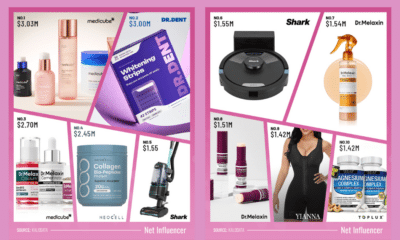
Platform data shows continued strength in categories such as beauty, fashion accessories, home organization, and practical consumer technology. Beauty, in particular, maintained a high purchase frequency throughout 2024 and 2025.
However, product lifecycles have shortened. Many high-performing items peak within two to three months; as saturation, competition, or declining novelty set in, conversion rates decline. This compression has shifted the creator strategy away from building long-term attachment to individual products and toward continuous sourcing and testing.
The implication is structural. TikTok Shop rewards creators who operate with speed and flexibility, not those who rely on a single evergreen SKU (Stock Keeping Unit).
Why Raw Content Outperforms Polished Ads
Despite the commercial nature of TikTok Shop, professionally produced videos consistently underperform informal, user-generated content. Research indicates that polished visuals can signal advertising intent, reducing trust and suppressing conversions.
High-performing videos typically follow a short-form structure: an immediate hook within the first three seconds, followed by a quick demonstration of use, transformation, or comparison. Introductions and feature lists are deprioritized. Video length under 30 seconds is associated with higher completion rates, which remain closely tied to distribution.
On-screen text plays a critical role given silent viewing behavior, while creators avoid placing overlays in areas of the frame that obstruct the interface. The emphasis is functional rather than aesthetic.
Volume as the Algorithm’s Preferred Input
Creator case studies consistently identify posting volume as the strongest controllable factor in TikTok Shop performance. Minimum benchmarks cited across sources include one video per day over a 90-day period, with higher-performing accounts often publishing three to five videos daily.
This volume allows TikTok’s systems to gather sufficient signal across products, hooks, and formats. Many creators exit the program before reaching that threshold, often within their first 30 videos, which limits the algorithm’s ability to learn and suppresses reach.
To sustain output, creators increasingly rely on content batching (generating scripts, filming, and editing in scheduled blocks) rather than producing content reactively.
Monetization, Compliance, and Layered Income
TikTok Shop affiliate commissions generally range from 10% to 20%, with higher rates appearing in select categories such as beauty and fashion accessories. Payments are issued biweekly after return windows close, reducing chargeback exposure.
Creators earning more than $600 annually are subject to U.S. tax reporting requirements, typically receiving a 1099-NEC or 1099-K. Research highlights the importance of expense tracking, quarterly estimated payments where applicable, and separating business and personal finances.
More established creators often layer additional revenue streams on top of affiliate income, including brand partnerships, Creator Rewards payouts, live shopping gifts, and subscription-based offerings.
A Commerce-First Creator Model
As TikTok Shop enters 2026, the platform is increasingly positioning creators as performance-driven distributors rather than brand-dependent influencers. Access pathways that do not require large audiences, a marketplace structured around measurable sales, and algorithmic incentives aligned with conversion collectively redefine success.
The data points to a commerce-native creator economy built on volume-based testing, rapid product turnover, and execution discipline. In that environment, influence is no longer assumed. It is earned transaction by transaction.