Tinashe Chaponda doesn’t buy the industry’s dominant take that follower count no longer matters and mega-creators have lost their edge. He says brands are paying for believing it.
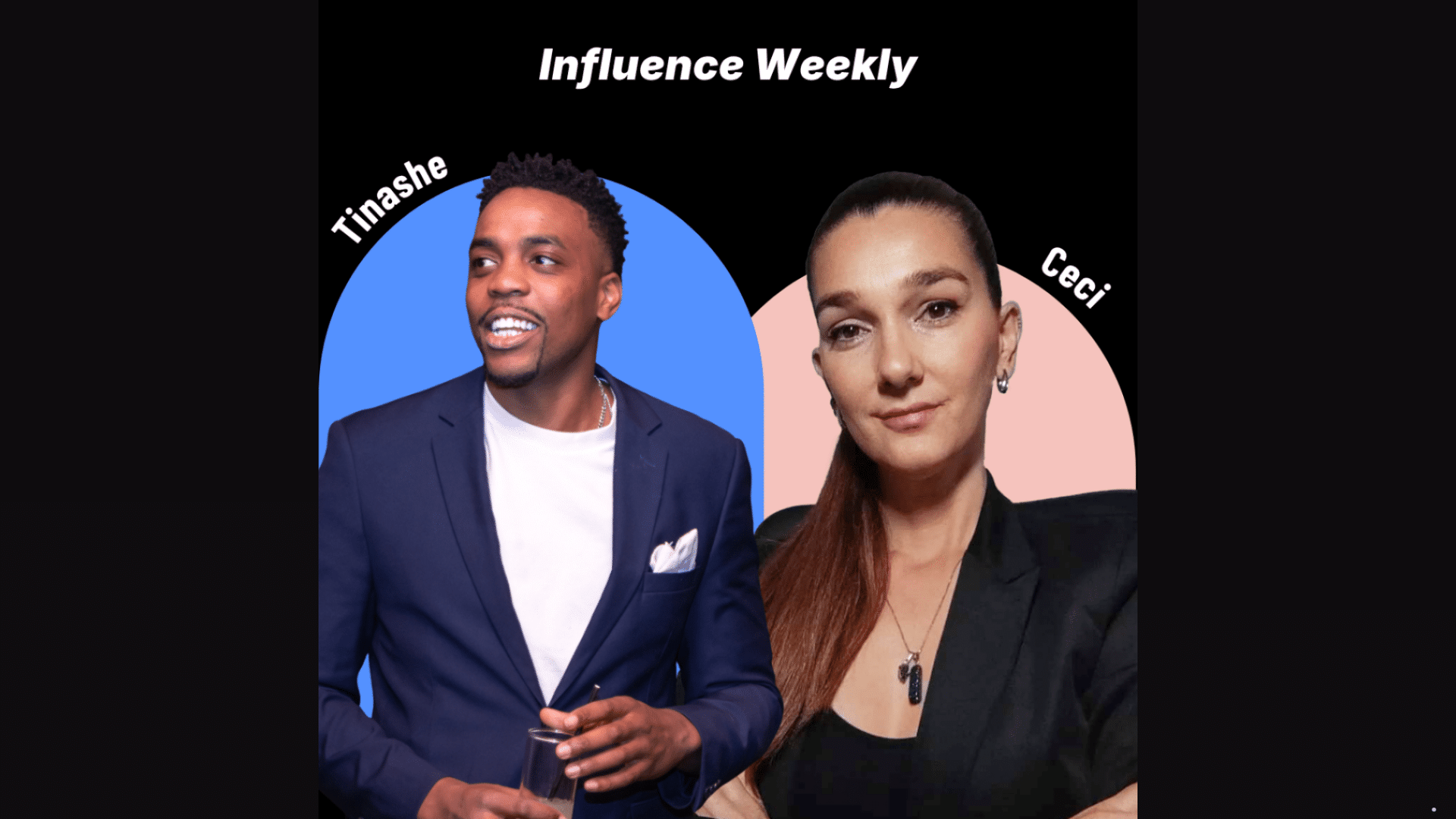
Tinashe, founder and CEO of SOSANI Studios, sat down with Net Influencer Senior Editor Ceci Carloni to push back on the industry’s arguments about celebrity partnerships and creator economics. Tinashe is a Forbes 30 Under 30 honoree in the Marketing and Advertising category and an Ad Age “Generation Next 2022” selection. SOSANI has run campaigns for Lexus, P&G, Cash App, Unilever, Warner Bros., and more than 200 other brands, working with talent including Khaby Lame, David Beckham, and Alicia Keys.
The conversation covered how celebrities have gone digital, why brands misuse the marketing funnel, what it actually means to buy into a creator’s business instead of renting a post, and why Tinashe believes brands hold more leverage in creator deals than they think.
1. The ‘Follower Count Is Dead’ Argument Has a Flaw
Tinashe disagrees with the consensus across the Creator Economy that follower count has become irrelevant and mega-creators no longer drive results.
“Even the celebrity and pro athlete space is catching up to the digital world today,” he said. Celebrities who previously relied on television and PR infrastructure are now showing up daily on social platforms, building audiences that have never encountered their traditional work.
Josh Peck is his go-to example. A generation of social media users knows Josh through his content, unaware of his Drake & Josh television career. Hilary Duff and Tamera Mowry have navigated the same transition.
The economic context matters too. When disposable income tightens, and purchases become more deliberate, brand recognition and credibility carry more weight. “Are you really going to be listening to the influencer or the celebrity who has all of this credibility and recognition?” Tinashe asked. Celebrity-founded brands like Hailey Bieber’s Rhode continue to validate the point. The institutional machinery of celebrity business, he argues, is something emerging creators still lack.
2. Brands Misuse Celebrities Across the Funnel
The problem is, in Tinashe’s view, not the celebrity. It is how brands deploy them.
“They typically don’t maximize or believe what a celebrity is willing to do for a partnership,” he said. Most brands assume a celebrity requires expensive production and delivers a single content format. In reality, one shoot can generate assets for every stage of the marketing funnel.
Top-of-funnel creators generate awareness and initial brand recognition. Bottom-of-funnel creators convert. Both are necessary, and the same campaign should use both, with paid media allocated accordingly. “Without top funnel to get audiences to trust you, no one’s going to listen to the converter,” he said.
Initial celebrity rate quotes are also more negotiable than most brand teams realize. “Someone could initially give you a $300,000, $200,000 quote, but if you position it properly, they can come back and agree to $100,000,” Tinashe said. The gap between sticker price and deal price depends on how the conversation is framed.
3. Whitelisting Is the Most Underused Tool in Creator Marketing
Most brands post creator content organically and stop there. That is precisely where the useful data disappears, according to Tinashe.
“They aren’t whitelisting the content,” he said. Whitelisting means a brand takes an influencer’s video and runs paid ad dollars behind it, amplifying reach beyond the creator’s organic following and capturing the granular performance data that ad platform accounts provide.
His analogy: organic influencer content is a performer in Times Square. Whitelisting is moving that performer into a stadium in Los Angeles, in front of targeted audiences with shared interests.
The practical payoff is data that actually informs decisions. Organic posts yield minimal insight. Whitelisted content generates video completion rates, CPM costs, and conversion data. That tells brands whether a specific creator is performing top-of-funnel or bottom-of-funnel. “You can’t have those conversations if brands aren’t even willing to put in the ad dollars behind the videos,” he said. TikTok shoppers and Amazon affiliate creators tend to be strong bottom-funnel performers. Identifying them requires GMV sales data, not follower counts.
4. Stop Buying Posts. Buy Into Creator Businesses.
Tinashe sees traditional Influencer Marketing as a rental agreement.
“Buying a post is like renting,” Tinashe said. He defines buying into a creator’s business differently: mapping the creator’s full ecosystem, their nonprofit, product line, memberships, and business ventures, then identifying where the brand can create genuine value without writing a talent check.
SOSANI applied this logic on “Khaby Is Coming to America,” a P&G campaign that brought Khaby Lame to New York, Miami, and New Orleans. David Beckham, Alicia Keys, and Stephen A. Smith all participated without charging a talent fee.
With Beckham a co-owner of Inter Miami CF, SOSANI pitched that the world’s biggest TikToker wanted to feature the club. Beckham agreed, motivated by promoting his team. Alicia Keys had a theater show. The campaign gave her a genuine moment with Khaby’s audience, and she later posted about the collaboration organically. Stephen A. Smith needed guests for his new podcast. The shoot took place at his studio.
The same logic scales down. A local business can offer a 15,000-follower creator free studio space or a production crew. Tinashe cited a Lexus dealership campaign where the production team filming a creator’s first professional-quality video was enough to reduce rates. “The fans are like, wow, you made it, you’re in a commercial,” he said. “But it costs us bare minimum.”
5. Most Brands Are Not Ready for a Celebrity
Before any celebrity conversation, Tinashe runs through three prerequisites.
First: is the core marketing engine operational? Search, paid media, and display should be running and measurable before influencer spend enters the budget.
Second: does the brand have a validated influencer program? “You want to try anywhere from 10 to 20 different categories with different creators and really lock in a key four to six that work for you,” he said. The celebrity should overlap with at least three or four of those proven categories.
Third: does the brand have the operational patience? Celebrities are businesses. Content changes that take one day with a micro-creator may require two weeks with a celebrity’s team.
He walked through a real case: a membership platform came to SOSANI wanting celebrity activations. His team identified a retention problem. Without a stable base of active resident creators, fans would arrive and leave. “Celebrity at this stage doesn’t make sense,” Tinashe told them. The recommendation was to build a consistent creator community first, before investing in names that would draw attention with nowhere to land it.
6. The Budget Rule: Start at 3% to 6%
How much should brands allocate to Influencer Marketing? Tinashe built his framework from five years of campaign data.
“Test anywhere from 3% to 6% of your full marketing budget,” he said. That range produces meaningful results without disrupting the existing media plan. Once brands have validated creator categories and consistent ROI, he recommends scaling to 8% to 15%.
He is direct about the minimums. A company with a $100,000 annual budget has $3,000 at three percent. That is not enough. “I would say at least $25,000 to $50,000 in a whole year.” For brands below that threshold, relationship-based approaches such as product exchange and personal outreach can replace paid placements, but they require major time investment.
“Influencer typically is an addition to your marketing and your media plan,” he said. Influencer spend is an accelerant, not a replacement, and it only amplifies what is already working.
7. The Industry Has the Power Dynamic Backwards
Tinashe reserved his most direct observation for last.
“The brands are the princess, not the creators,” he said. Without brand advertising investment, he added, Meta and YouTube would not be paying out creators.
He also pushed back on the industry-wide enthusiasm for long-term creator partnerships. “Without the core business of transactions, long-term partnerships don’t make sense for brands.”
His advice to CMOs: break down the silos between social and performance teams. Social teams run creator content. Performance teams run paid campaigns. Neither typically knows what the other has committed. The result is duplicated spend and missed amplification windows. “When you streamline it, it will actually also reduce budget spend,” he said. Social teams sometimes buy six months of media rights for paid amplification, while the performance team does not find out until month seven and pays a premium to extend. The fix, according to Tinashe, is not more celebrity budget. It is a cleaner system for moving creator content from production through paid distribution.
Tinashe’s argument is that brands hold more leverage than they recognize: they have more assets to offer creators, more room to negotiate rates, and more responsibility to define what success looks like before any deal is signed.
“The ones that are going to still be in this industry 10 years from now,” he said, “are the ones that are always going to be obsessed, end of day, with how we are growing a brand’s business.”
Listen to the full conversation on “The Big Three” podcast.
Cecilia Carloni, Interview Manager at Influence Weekly and writer for NetInfluencer. Coming from beautiful Argentina, Ceci has spent years chatting with big names in the influencer world, making friends and learning insider info along the way. When she’s not deep in interviews or writing, she's enjoying life with her two daughters. Ceci’s stories give a peek behind the curtain of influencer life, sharing the real and interesting tales from her many conversations with movers and shakers in the space.










Tinashe Chaponda doesn’t buy the industry’s dominant take that follower count no longer matters and mega-creators have lost their edge. He says brands are paying for believing it.
Tinashe, founder and CEO of SOSANI Studios, sat down with Net Influencer Senior Editor Ceci Carloni to push back on the industry’s arguments about celebrity partnerships and creator economics. Tinashe is a Forbes 30 Under 30 honoree in the Marketing and Advertising category and an Ad Age “Generation Next 2022” selection. SOSANI has run campaigns for Lexus, P&G, Cash App, Unilever, Warner Bros., and more than 200 other brands, working with talent including Khaby Lame, David Beckham, and Alicia Keys.
The conversation covered how celebrities have gone digital, why brands misuse the marketing funnel, what it actually means to buy into a creator’s business instead of renting a post, and why Tinashe believes brands hold more leverage in creator deals than they think.
1. The ‘Follower Count Is Dead’ Argument Has a Flaw
Tinashe disagrees with the consensus across the Creator Economy that follower count has become irrelevant and mega-creators no longer drive results.
“Even the celebrity and pro athlete space is catching up to the digital world today,” he said. Celebrities who previously relied on television and PR infrastructure are now showing up daily on social platforms, building audiences that have never encountered their traditional work.
Josh Peck is his go-to example. A generation of social media users knows Josh through his content, unaware of his Drake & Josh television career. Hilary Duff and Tamera Mowry have navigated the same transition.
The economic context matters too. When disposable income tightens, and purchases become more deliberate, brand recognition and credibility carry more weight. “Are you really going to be listening to the influencer or the celebrity who has all of this credibility and recognition?” Tinashe asked. Celebrity-founded brands like Hailey Bieber’s Rhode continue to validate the point. The institutional machinery of celebrity business, he argues, is something emerging creators still lack.
2. Brands Misuse Celebrities Across the Funnel
The problem is, in Tinashe’s view, not the celebrity. It is how brands deploy them.
“They typically don’t maximize or believe what a celebrity is willing to do for a partnership,” he said. Most brands assume a celebrity requires expensive production and delivers a single content format. In reality, one shoot can generate assets for every stage of the marketing funnel.
Top-of-funnel creators generate awareness and initial brand recognition. Bottom-of-funnel creators convert. Both are necessary, and the same campaign should use both, with paid media allocated accordingly. “Without top funnel to get audiences to trust you, no one’s going to listen to the converter,” he said.
Initial celebrity rate quotes are also more negotiable than most brand teams realize. “Someone could initially give you a $300,000, $200,000 quote, but if you position it properly, they can come back and agree to $100,000,” Tinashe said. The gap between sticker price and deal price depends on how the conversation is framed.
3. Whitelisting Is the Most Underused Tool in Creator Marketing
Most brands post creator content organically and stop there. That is precisely where the useful data disappears, according to Tinashe.
“They aren’t whitelisting the content,” he said. Whitelisting means a brand takes an influencer’s video and runs paid ad dollars behind it, amplifying reach beyond the creator’s organic following and capturing the granular performance data that ad platform accounts provide.
His analogy: organic influencer content is a performer in Times Square. Whitelisting is moving that performer into a stadium in Los Angeles, in front of targeted audiences with shared interests.
The practical payoff is data that actually informs decisions. Organic posts yield minimal insight. Whitelisted content generates video completion rates, CPM costs, and conversion data. That tells brands whether a specific creator is performing top-of-funnel or bottom-of-funnel. “You can’t have those conversations if brands aren’t even willing to put in the ad dollars behind the videos,” he said. TikTok shoppers and Amazon affiliate creators tend to be strong bottom-funnel performers. Identifying them requires GMV sales data, not follower counts.
4. Stop Buying Posts. Buy Into Creator Businesses.
Tinashe sees traditional Influencer Marketing as a rental agreement.
“Buying a post is like renting,” Tinashe said. He defines buying into a creator’s business differently: mapping the creator’s full ecosystem, their nonprofit, product line, memberships, and business ventures, then identifying where the brand can create genuine value without writing a talent check.
SOSANI applied this logic on “Khaby Is Coming to America,” a P&G campaign that brought Khaby Lame to New York, Miami, and New Orleans. David Beckham, Alicia Keys, and Stephen A. Smith all participated without charging a talent fee.
With Beckham a co-owner of Inter Miami CF, SOSANI pitched that the world’s biggest TikToker wanted to feature the club. Beckham agreed, motivated by promoting his team. Alicia Keys had a theater show. The campaign gave her a genuine moment with Khaby’s audience, and she later posted about the collaboration organically. Stephen A. Smith needed guests for his new podcast. The shoot took place at his studio.
The same logic scales down. A local business can offer a 15,000-follower creator free studio space or a production crew. Tinashe cited a Lexus dealership campaign where the production team filming a creator’s first professional-quality video was enough to reduce rates. “The fans are like, wow, you made it, you’re in a commercial,” he said. “But it costs us bare minimum.”
5. Most Brands Are Not Ready for a Celebrity
Before any celebrity conversation, Tinashe runs through three prerequisites.
First: is the core marketing engine operational? Search, paid media, and display should be running and measurable before influencer spend enters the budget.
Second: does the brand have a validated influencer program? “You want to try anywhere from 10 to 20 different categories with different creators and really lock in a key four to six that work for you,” he said. The celebrity should overlap with at least three or four of those proven categories.
Third: does the brand have the operational patience? Celebrities are businesses. Content changes that take one day with a micro-creator may require two weeks with a celebrity’s team.
He walked through a real case: a membership platform came to SOSANI wanting celebrity activations. His team identified a retention problem. Without a stable base of active resident creators, fans would arrive and leave. “Celebrity at this stage doesn’t make sense,” Tinashe told them. The recommendation was to build a consistent creator community first, before investing in names that would draw attention with nowhere to land it.
6. The Budget Rule: Start at 3% to 6%
How much should brands allocate to Influencer Marketing? Tinashe built his framework from five years of campaign data.
“Test anywhere from 3% to 6% of your full marketing budget,” he said. That range produces meaningful results without disrupting the existing media plan. Once brands have validated creator categories and consistent ROI, he recommends scaling to 8% to 15%.
He is direct about the minimums. A company with a $100,000 annual budget has $3,000 at three percent. That is not enough. “I would say at least $25,000 to $50,000 in a whole year.” For brands below that threshold, relationship-based approaches such as product exchange and personal outreach can replace paid placements, but they require major time investment.
“Influencer typically is an addition to your marketing and your media plan,” he said. Influencer spend is an accelerant, not a replacement, and it only amplifies what is already working.
7. The Industry Has the Power Dynamic Backwards
Tinashe reserved his most direct observation for last.
“The brands are the princess, not the creators,” he said. Without brand advertising investment, he added, Meta and YouTube would not be paying out creators.
He also pushed back on the industry-wide enthusiasm for long-term creator partnerships. “Without the core business of transactions, long-term partnerships don’t make sense for brands.”
His advice to CMOs: break down the silos between social and performance teams. Social teams run creator content. Performance teams run paid campaigns. Neither typically knows what the other has committed. The result is duplicated spend and missed amplification windows. “When you streamline it, it will actually also reduce budget spend,” he said. Social teams sometimes buy six months of media rights for paid amplification, while the performance team does not find out until month seven and pays a premium to extend. The fix, according to Tinashe, is not more celebrity budget. It is a cleaner system for moving creator content from production through paid distribution.
Tinashe’s argument is that brands hold more leverage than they recognize: they have more assets to offer creators, more room to negotiate rates, and more responsibility to define what success looks like before any deal is signed.
“The ones that are going to still be in this industry 10 years from now,” he said, “are the ones that are always going to be obsessed, end of day, with how we are growing a brand’s business.”
Listen to the full conversation on “The Big Three” podcast.
Subscribe to Our Newsletter
Check Out Our Podcast