



Tech
Jared Gutstadt Has Seen Creative Industries Democratized Before. He Thinks Podcasting Is Next

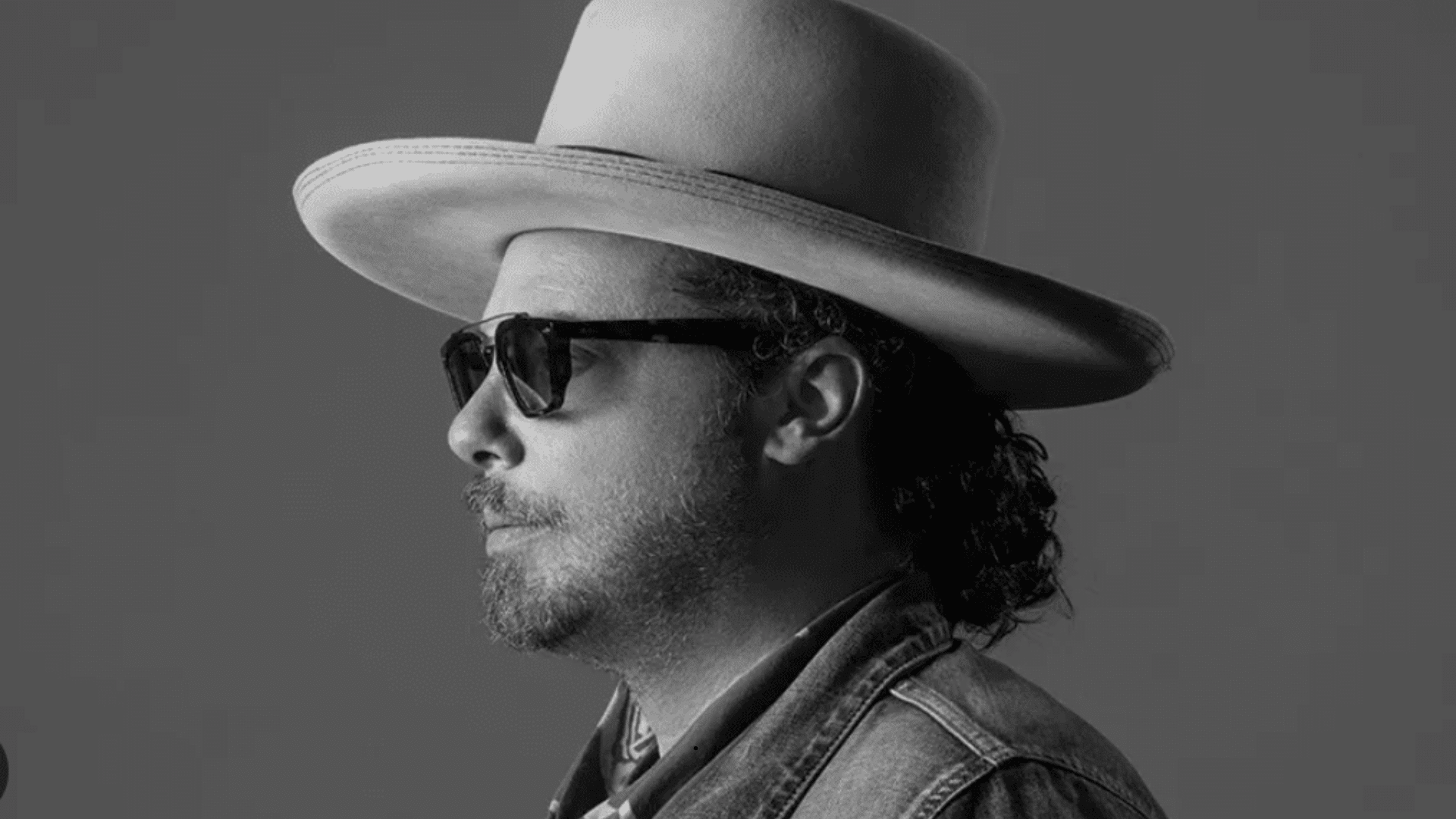
Jared Gutstadt spent the first half of 2026 building an AI platform that lets anyone launch a podcast in minutes. Then he stood in front of a room of creators at VidCon and said the real question was no longer what AI could do. It was whether it should.
It’s a question he doesn’t ask lightly. Jared built Jingle Punks into one of the music industry’s largest licensing companies before selling it twice, first to William Morris Endeavor, then to the Ontario Teachers’ Pension Plan. He later founded Audio Up, a scripted podcast and music production company that operated inside the existing podcast ecosystem. Now, as CEO of Rebel Audio, he’s building software designed to remove much of the production work that has traditionally kept podcasting out of reach for creators without dedicated teams.
The Nashville-based startup combines recording, editing, distribution, translation, and short-form clipping into a single workflow. Rebel Audio raised a $4.15 million seed round backed by advisor Mark Burnett, with podcaster Mike Majlak joining as Chief Creator in Residence, and opened its public beta last month following a launch event during CMA Fest.
Jared sees a familiar pattern. As music production became dramatically cheaper, video production followed. He believes podcasting is approaching the same turning point, where the cost of creating content falls, publishing accelerates, and competition shifts from production quality to earning attention.
“This might be the last technology wave of my lifetime that I could participate in as an entrepreneur,” he says.
A Royalty Check Taught Him How The Business Actually Works
Jared landed an internship at heavy.com in the early 2000s, the same week the company laid off roughly 150 employees, and stayed on by learning to edit, shoot on-camera segments, and, in his words, deliver the mail. “I learned how to learn, and I learned how to be useful in a digital environment that was collapsing,” he says.
His dream job was working on season three of “Chappelle’s Show.” Dave Chappelle left the production before Jared arrived, and the crew was told not to touch the already-edited footage. He slipped his own music into open slots anyway, left behind as other artists pulled their tracks rather than stay associated with a show its star had abandoned. A royalty check for that work arrived a year later. “That’s the aha moment,” he says.
That moment became Jingle Punks, built on cloud-based metadata instead of the CDs and hard drives licensing shops used at the time, he says. Jared calls his current run at founding a company “life in reverse.” The first time, he built a business with no idea what an exit even meant.
Podcasting Stopped Paying Advances Before AI Ever Showed Up
Between Jingle Punks and Rebel Audio, Jared ran Audio Up from inside the existing podcast system rather than around it. Early podcast platforms handed out six-figure advances the way labels once handed out record deals, and both models broke for the same reason. “People weren’t going to pay you $500,000, $600,000 to start an original show,” he says.
The money moved toward creators who had already built an audience elsewhere. “If you’ve built a huge creator following, iHeart, Audible, SiriusXM will consider upstreaming you,” he says, comparing it to how labels now wait for TikTok traction before signing an artist.
What was missing, in his telling, wasn’t a path for creators who had already broken out. It was a way in for everyone else. Producing even a basic show meant stitching together separate tools for editing, transcripts, and uploads. “There’s not one tool that’s meant for an everyday creator who doesn’t have a dedicated staff or ten hours a day to be acting like a production studio,” he says.
Rebel Audio Is Built To Remove Friction, Not Add Craft
Jared draws a hard line between “AI native,” how he describes Rebel Audio, and “AI powered,” a label he thinks makes people assume the content itself is machine-generated. “There are humans who are making the content,” he says. The platform is meant to compress the steps between an idea and a published episode, not to write the episode.
“Before AOL (America Online), there were 150 different ways to get on the internet,” he says. “They made it a big dumb button.” That’s his model for podcasting’s biggest opening. Rebel Audio’s most distinctive feature translates an episode into more than 30 languages in a cloned version of the creator’s own voice, an idea he traces to years in television watching game shows get remade market by market rather than dubbed. “I consider what we’ve built like a hot rod,” he says. “The engine has a lot of frontier models in it. A sequencing of those tools is what makes you unique.”
Pricing runs from $15 to $70 a month, with enterprise plans above that. “All podcasts looked and sounded the way all websites looked in 1.0,” he says. “Everything’s changing now.”
Jared Isn’t Convinced Frictionless Means Better
This is where his VidCon comment earns its weight. Some creators worry that frictionless production floods the market with volume, not voice. Jared doesn’t dismiss the fear, but he’s skeptical of who’s raising it loudest, arguing that the strongest objections tend to come from labels, studios, and agencies that feel like they’re losing power. He points to how Spotify’s host of uploads produced SoundCloud rappers, and how cheaper production tools are letting YouTube creators compete with studio budgets.
“The zone is going to be flooded, and the winners are going to end up rising to the top,” he says. “That’s what true democratization does.”
Jared doesn’t fully let himself off the hook, either. He describes scrolling his phone to the point of feeling physically ill, wary of a content economy that hands anyone a platform regardless of whether they’ve earned it. He points to a “whole universe of people teaching you how to be successful,” including “CEOs that have never run a company, or wellness experts that have never been in shape.”
The Launch Bet On Nashville Over Silicon Valley
Jared raised Rebel Audio’s seed round largely outside the traditional venture circuit. “I’m not your typical technical founder that a16z or Y Combinator loves,” he says. “I realized we were just going to strike out all day with those typical VCs.” He found funding instead through “Launch Tennessee,” a state-backed program, and built the company around Nashville instead.
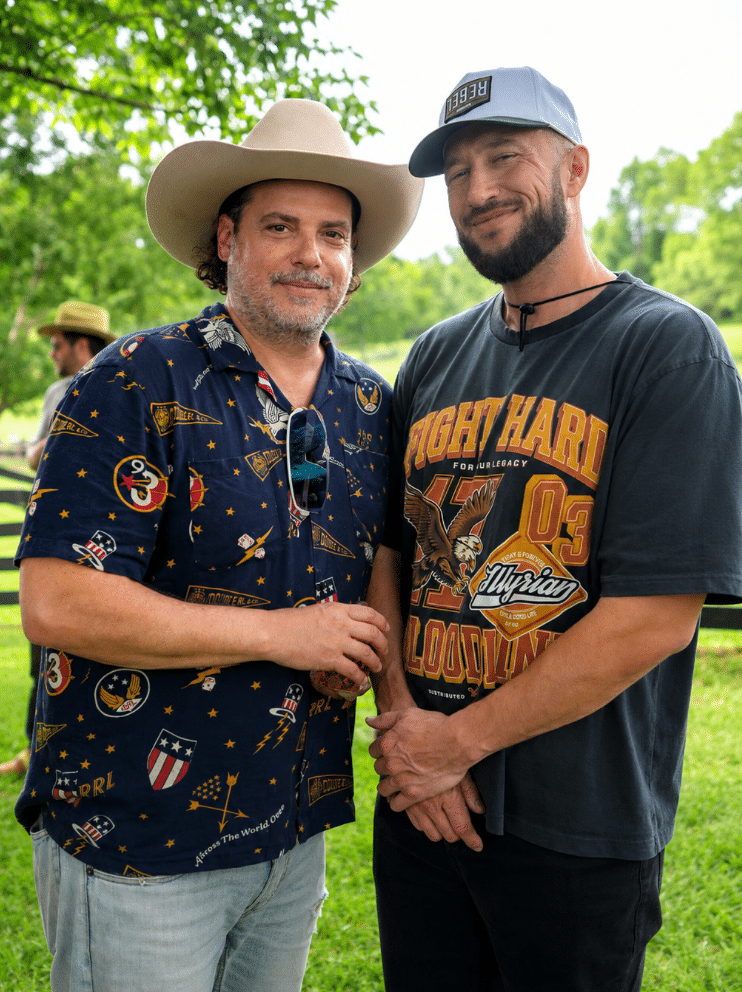
Photo: Jared Gutstadt & Mike Majlak at CMA Fest Party
He calls country music, in his words, “essentially a very elevated version of a Creator Economy,” where personalities matter as much as the songs. Convincing Mark Burnett, known for hit-driven shows like “Survivor” and “The Voice,” took some explaining, since Jared’s pitch was about “aggregating everything below the 1%,” not the next breakout hit. Burnett came aboard as an advisor, and podcaster Mike Majlak became Chief Creator in Residence.
Rebel Audio’s launch event at CMA Fest, called “Rebel Chateau,” doubled as a live experiment. Jared says he was struck watching fans mob Majlak the way he’d never seen with more traditional celebrities, evidence, in his view, that creators have replaced labels as the industry’s real brand ambassadors.
The Tools Get Commoditized. The Question Doesn’t.
Jared expects most of what makes Rebel Audio distinctive today to become standard within a few years. “Any functions or features that have been built in the past by other competitive companies will become commoditized,” he says.
His bet is that sequencing AI tools well, not owning any one of them, is what holds up, citing what CapCut did for TikTok editing as his model for podcasts.
Whether that future improves podcasting remains an open question.
Jared is building software that makes publishing easier than ever while acknowledging that easier publishing almost certainly means more competition, more noise, and more content. Like every previous wave of creative technology he has witnessed, the tools themselves won’t decide what deserves attention.
He calls AI “the next picks and shovels revolution” for media. Picks and shovels, after all, don’t decide what gets built with them.
Subscribe to Our Newsletter
Check Out Our Podcast