





Agency
How Street Poller Media Is Turning Street Interviews Into Performance Ad Infrastructure

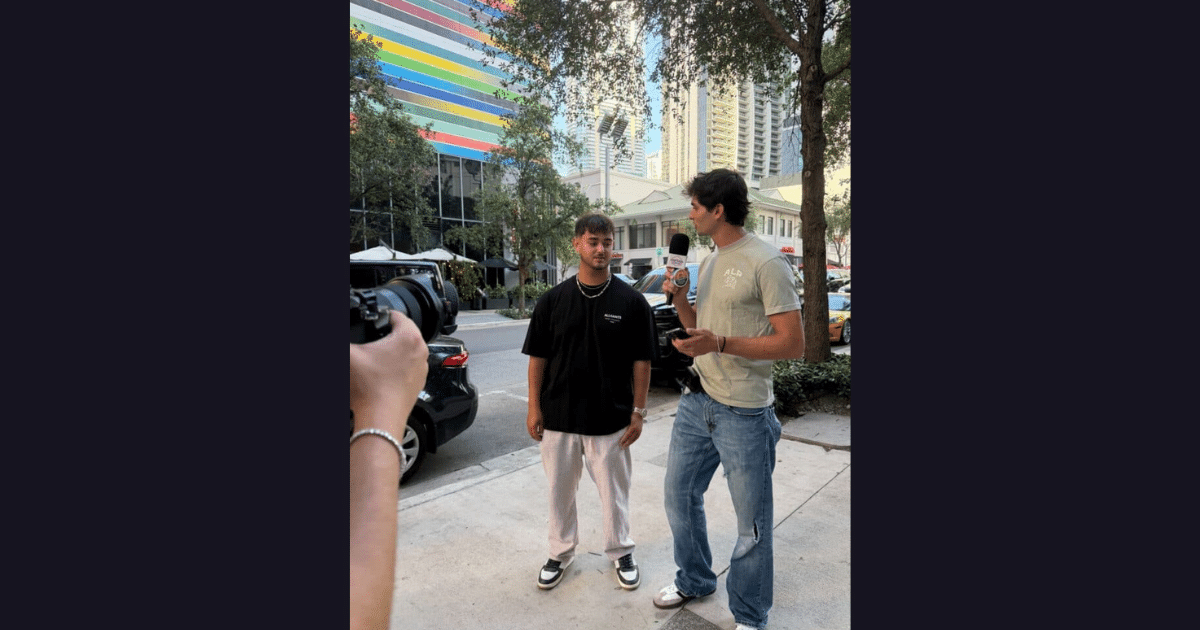
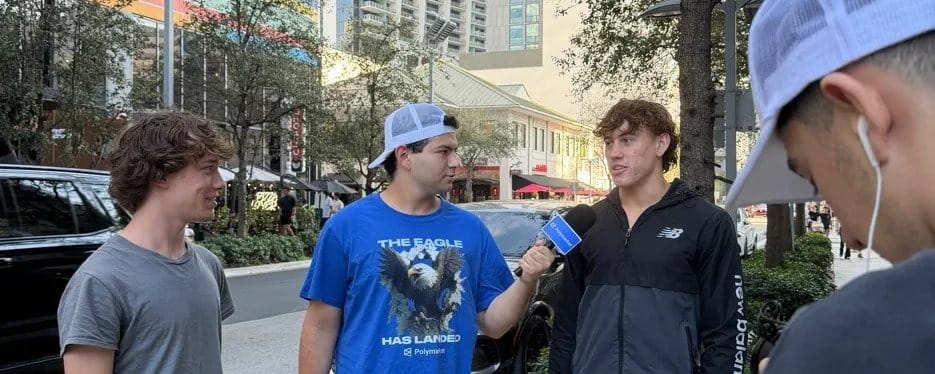
Street interview ads were not a recognized format when Shane Ginsberg began filming them in 2020. Six years and more than 300,000 videos later, his company, Street Poller Media, operates across five cities with a network of 150 on-demand interviewers and a client list of more than 500 brands.
The argument he is building toward: real people delivering unrehearsed reactions on the street outperform polished creative in paid media, and the format is becoming permanent advertising infrastructure.
Founded in November 2020, Miami-based Street Poller Media targets brands already running substantial paid media budgets, positioning itself not as a production vendor but as what Shane describes as a “distribution-first media company.” That framing defines how the company operates. Rather than delivering footage and exiting, it manages media buying, social posting, and whitelisted ad placement on behalf of clients, keeping content active inside the brand’s own channels.
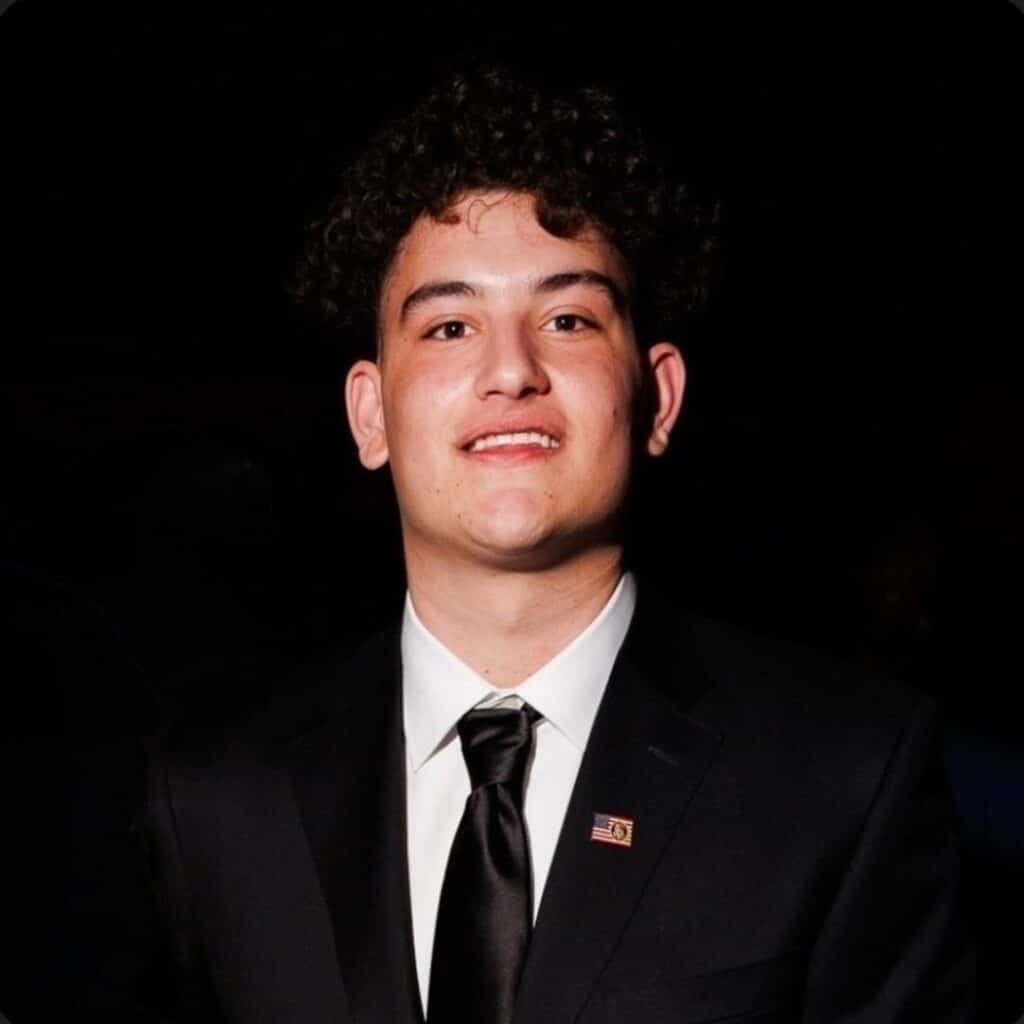
“We are big fans of brands owning their own real estate and their own distribution,” Shane says. Where a typical influencer post has a short lifespan, street interview content, as Street Poller structures it, remains in the brand’s ecosystem permanently, usable across landing pages, Instagram, TikTok, Facebook, YouTube, and as paid ad creative simultaneously.
The company traces back to a simpler bet. Shane dropped out before finishing eighth grade and started filming street polls organically in 2020, originally motivated by giving underrepresented perspectives an alternative to mainstream news. When a brand first paid him to adapt the format to advertising, the commercial logic became clear. He raised prices from $375 per video to $500, then $700, each time finding demand matched or exceeded supply. Polymarket became his first major brand client in April 2024, arriving by Instagram DM. That inbound model has since expanded into a 35-person operation.
Street Interviews Have a Long History. Brands Are Just Catching Up.
Shane is specific about where the format comes from. Street interviews have appeared on red carpets, in news segments, and in feature films for decades. What changed, in his telling, is that brands now have the platform infrastructure to deploy the format at commercial scale as paid creative.
“Street interview ads are now just being defined as a pillar of performance advertising, and Street Poller is pioneering it,” he says. The claim is self-referential, but the underlying logic is not: short-form vertical video platforms have made street interview content native to the same feeds where brand ads now compete.
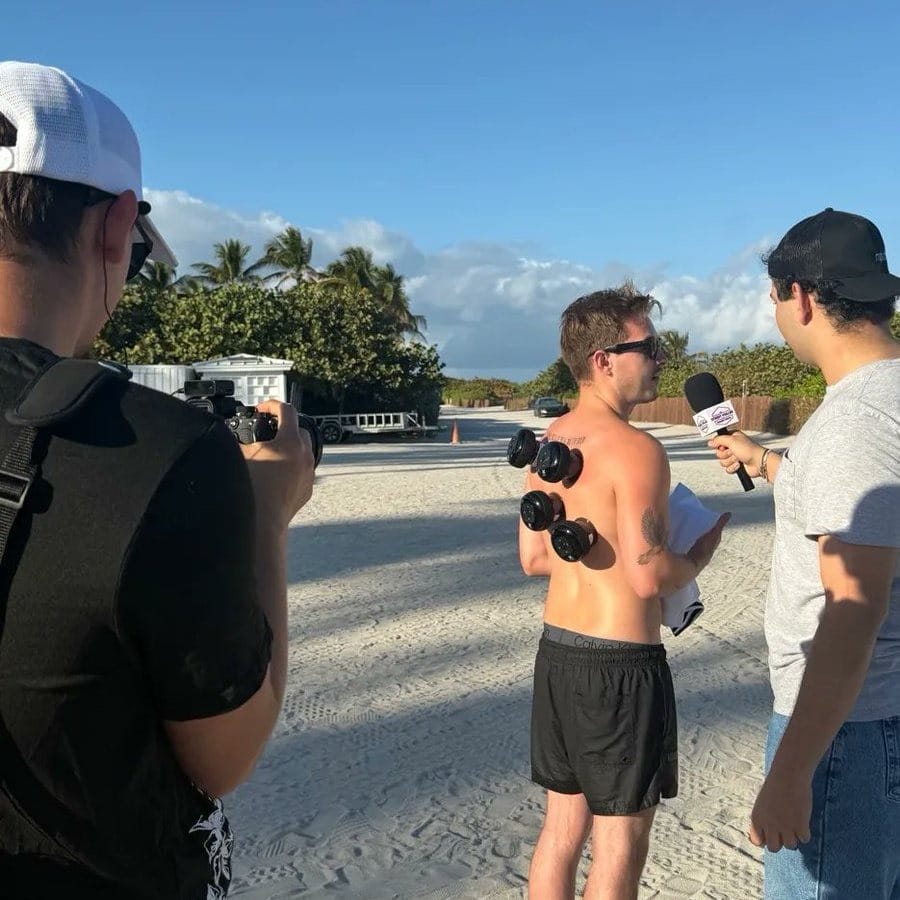
Street Poller’s clients span crypto, fintech, consumer packaged goods, and apps. Shane raised prices repeatedly as the company expanded, each increase followed by more clients rather than fewer. “It’s like gold,” he says of the format’s apparent scarcity value. “It’s a scarce asset.” The scarcity, in this case, is not the concept itself but the operational capacity to execute it at volume.
Shane estimates Street Poller could mobilize 150 interviewers for a brand within 24 hours and deliver 1,000 pieces of content within two weeks.
The Content Should Live With the Brand, Not Disappear From a Creator’s Feed
Shane’s critique of traditional Influencer Marketing is logistical rather than ideological. The problem, in his framing, is impermanence.
“If you go hire an ‘influencer’ or a ‘creator,’ they’re going to post that piece of content,” he says. “It’s going to live on their page for maybe 48 hours, and then they’re going to delete it or hide it from their page.” The result is a short-lived traffic boost that builds nothing durable for the brand.
Street Poller’s model inverts that dynamic by design. Every street interview ad it produces is handed to the brand to use permanently, across any channel and without expiration. For brands with internal infrastructure, Street Poller films and the client manages distribution. For those needing end-to-end service, the company handles media buying, whitelisting, and social account management across platforms.
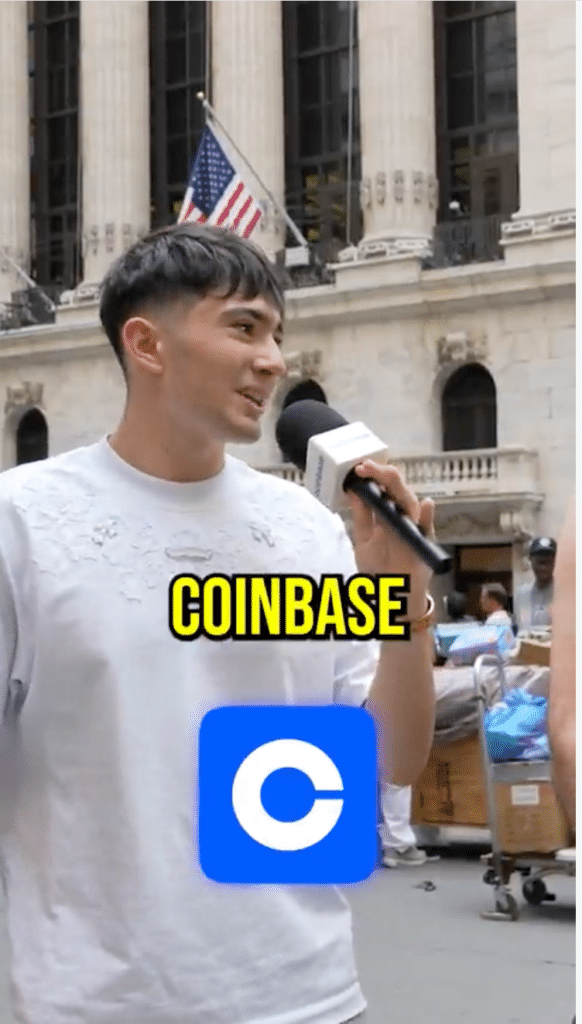
“The burger that you go get from McDonald’s, whether it’s a McDonald’s in North Carolina or a McDonald’s in Times Square, is gonna taste the same,” Shane says, drawing a direct analogy to his company’s operational model. “What you see is exactly what you get.” The signature yellow subtitle format, visible across all Street Poller campaigns, functions as a brand mark that signals consistency to clients before a single frame is filmed.
Eight Weeks Before a Poller Ever Touches a Brand
Operational consistency at scale requires training that the format’s organic origins did not demand. Street Poller runs an internal eight-week program, which Shane calls “Street Poller University,” before any new interviewer is deployed on a brand campaign. The curriculum covers field technique, how to elicit usable reactions from strangers, and how to maintain the format’s specific cadence and tone. “The way that you conduct the street poll is extremely important,” Shane says.
The interviewer network spans ages 18 to 56 and draws from a diverse range of racial, gender, and geographic backgrounds. Shane frames that diversity as a functional asset: different interviewers unlock different demographics and content registers for brand campaigns. Some pollers who joined out of high school earn between $8,000 and $10,000 per month through filming work, according to Shane.
The company’s internal structure has scaled alongside the poller network. Samantha McCarthy, the company’s Chief Content Officer, manages the poller network and leads creative strategy, visible as an on-screen presence in Street Poller’s owned content and a central operational force behind the scenes. Austin Handmaker runs sales. Jennifer Mudafar oversees operations and account management. Andrej Stomnaroski handles media buying. “I wouldn’t be here without my team,” Shane says.
Why Influencer Credibility Has Become a Liability
Street Poller also operates a clipping network of over 50 creators spanning politics, sports, crypto, and finance across X, Instagram, TikTok, and YouTube. But Shane is direct about its current constraints. Influencer credibility in categories like crypto and finance has eroded enough to suppress demand for that part of the business.
“No one trusts Kevin O’Leary for his opinion on crypto because he rug-pulled FTX,” Shane says, citing the influencer-promoted schemes that have made audiences skeptical of paid endorsements in volatile categories. The network is “not really activated as much as you would think,” he acknowledges.
The street interview format sidesteps that credibility problem by design. The persuasive weight comes from unaffiliated strangers rather than paid advocates, and the brand association is embedded in the question and the framing rather than in a creator’s personal endorsement. That structural difference, Shane argues, is why street interview ads continue to convert in categories where influencer campaigns have stalled.
The Algorithm Now Rewards What Street Poller Was Already Building
Street interview ads received algorithmic validation earlier this year. Shane cites Meta’s “Andromeda” update as shifting the platform to favor creative diversity, penalizing brands that run static or single-format ad campaigns regardless of volume.
“You can’t scale your way to trust,” Shane says. His broader point is that brands pumping high volumes of a single creative format face diminishing returns as audiences recognize and tune out familiar patterns. Founder ads depend on whether the founder registers as likable. UGC can be replicated, and Shane notes it can now be replaced by AI. Street interview ads, he argues, resist that compression because each one is inherently variable: different interviewees, different locations, different reactions.
“Our mission is to get these street polls in the hands of any business owner who’s spending money on Meta ads because they just don’t realize how much money they’re lighting on fire with bad creative,” he says.
Street Poller’s client base has grown largely through inbound demand since launch, according to Shane, a pattern he sees as validation of the format’s commercial pull rather than the company’s outbound salesmanship.
Street Interviews Have History. The Platform Is What’s Next.
Shane opened a New York office within the past six weeks and expects a Los Angeles location to follow within the next few months. The near-term plan is geographic expansion. The longer-term vision is more ambitious: a Street Poller Media platform, though Shane does not detail what that product would include.
The operating thesis behind both moves is rooted in the format’s durability. Street interviews have existed as a communication format for decades, and Street Poller has now compiled five years of commercial performance data across more than 500 brand campaigns, a body of evidence Shane argues competitors cannot replicate quickly.
“I can sit here and say that street interviews are a pillar of performance advertising,” he says, “but I don’t know if everyone believes that yet.” Closing that distance between conviction and category consensus, in his view, is what the next five years of Street Poller’s work will need to accomplish.
“It’s not a matter of if brands are going to need to work with us. It’s a matter of when.”
Subscribe to Our Newsletter
Check Out Our Podcast