Brand deals built the Creator Economy. They won’t sustain it.
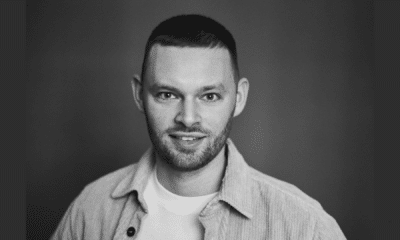
Danielle Pederson, Chief Marketing Officer at Amaze, sat down with Net Influencer Senior Editor Ceci Carloni to explain how creator monetization is entering a new phase.
Danielle leads marketing, growth, and creative services at Amaze, a platform that helps creators turn content moments into product businesses. She has spent 15 years working across marketing, commerce, and creator partnerships, including four years scaling Amaze’s global marketing before stepping into the CMO role.
The conversation covered the new wave of the Creator Economy, why most creators plateau on brand deals alone, what the infrastructure gap actually looks like, and how brands need to rethink what creators are worth.
1. The Creator Economy Has Entered Its Third Wave
Most conversations about creator monetization still center on brand deals and sponsorships. Danielle argues that framing is already outdated.
“The first wave was attention. Creators were really focused on building their audiences,” she said. “That second wave is more around the monetization side, brand deals, sponsorships. I think now we’re entering the third wave, which is ownership of the brand itself that a creator has built.”
The distinction matters. Attention without ownership limits a creator’s ability to build something durable. Brand deals pay once. Products compound.
“Creators are starting to really realize that attention without ownership really limits their ability to grow an actual business,” Danielle said.
2. Creators Who Only Chase Brand Deals Will Plateau
Brand deals aren’t going away, but they’re no longer enough. The business model has a ceiling.
“No matter how much potential they have, they’ll still make money, and that might be okay with them,” Danielle said. “But they won’t be able to really build something with real equity or long-term value.”
The problem is structural. Brand deals are transactional and unpredictable. Some months bring several; others bring none. Algorithms shift. Revenue fluctuates. Creators who haven’t built ownership into their business have no floor to stand on.
“Their brand as a creator won’t be able to evolve into an actual sustainable business,” she said.
3. Engagement Signals Are More Valuable Than Follower Counts
The industry still over-indexes on reach. Danielle thinks that’s a mistake.
“A smaller, highly engaged creator can drive a lot more revenue than a massive one with not a lot of engagement,” she said. “Those large 10 million follower numbers look really sexy to brands. But if the engagement rates are low, you’re probably not going to get as much out of it as you want.”
Engagement isn’t just a performance metric. It’s a product signal. Comments, content reactions, and fan behavior tell creators what their audiences actually want to buy. Creators who learn to read those signals and act on them quickly will outpace those chasing follower counts.
“The creators that are going to win will be the ones who can translate the signals they’re seeing from engagement into actual products quickly,” Danielle noted.
4. Creator Commerce Is Past the Idea Phase but Not Yet at Scale
Creator commerce has matured enough to prove itself. The problem is distribution across the long tail.
“Creator commerce is really past that idea phase, but we’re not yet able to scale that across the long tail of creators,” Danielle said. Larger creators with 3 to 5 million followers have agency access, established brand relationships, and the infrastructure to support product launches. Smaller creators with high engagement rates and real commercial potential are still largely underserved.
The infrastructure gap is two-fold. First, creators need speed to market, the ability to turn a viral moment into a sellable product before the trend fades. Second, they need intelligence about what to create. Most tools focus on execution, not insight.
“Understanding what to create in the first place is super important,” she said. “Most tools focus on that, not the insight behind what is actually going to sell.”
5. Speed and Simplicity Are What Make Creator Commerce Work
Two things determine whether a creator’s commerce effort succeeds or fails: how fast they can move and how simple the process is.
“Capitalizing on viral moments and acting on them as fast as possible,” because demand for trending topics changes on an hourly basis, Danielle explained. Overcomplicating the process kills momentum.
“If you understand your audience and you understand what they’re looking for, you can very quickly launch products without any real barriers,” she said.
Too many disconnected tools compound the problem. Fragmentation forces creators to constantly context-switch, slowing the execution of the model on which it depends.
6. Brands Need to Stop Treating Creators as Distribution Channels
The brand-creator relationship is shifting. Most brands haven’t caught up.
“Brands should start to think about creators no longer as just that distribution and additional reach, but more as operators and business owners themselves,” Danielle said. The best partnerships treat them that way, because the upside compounds.
“You’re going to get recurring reach and increased conversion rates because you’re able to target your audience more effectively,” she explained. A one-time content post and a tag don’t build anything lasting.
The leverage has also shifted. Creators own the audience relationship, which is exactly what brands want. “Creators are starting to notice that more and more,” Danielle said. Forward-thinking brands understand that creators are simultaneously a distribution channel, a product engine, and a data source.
7. The Next Few Years Will Produce Creator-Led Brands, Not Influencer Campaigns
Creator-led brands will eventually outnumber influencer campaigns. That shift is already underway.
“I think it will look more like traditional businesses and brands themselves, but powered by the individuals that started the ideas instead of companies,” Danielle said of where the Creator Economy is heading.
Data will drive the next phase. As creator platforms accumulate purchase behavior alongside social signals, brands will gain more precise targeting. Creators will gain more leverage. The transactional model, one campaign, one post, one payout, will give way to something that looks more like a real business partnership.
“The creators that are going to win, they’re not just going to be creating content,” Danielle said. “They’re building entire systems around the content and their audience.”
The Creator Economy has always been a story about attention. The next chapter is about what creators do with that attention once they have it. Ownership, not reach, is the new metric.
The infrastructure to support that shift is still catching up. Most tools optimize for execution. Few optimize for insight. Brands are still measuring the wrong things. But the direction is clear, and the creators who recognize that early will build something the next wave of platform shifts can’t erase.
The question isn’t whether creators will build brands. It’s which ones will move fast enough to own them.
Listen to the full conversation on “The Big Three” podcast.
David Adler is an entrepreneur and freelance blog post writer who enjoys writing about business, entrepreneurship, travel and the influencer marketing space.














Brand deals built the Creator Economy. They won’t sustain it.
Danielle Pederson, Chief Marketing Officer at Amaze, sat down with Net Influencer Senior Editor Ceci Carloni to explain how creator monetization is entering a new phase.
Danielle leads marketing, growth, and creative services at Amaze, a platform that helps creators turn content moments into product businesses. She has spent 15 years working across marketing, commerce, and creator partnerships, including four years scaling Amaze’s global marketing before stepping into the CMO role.
The conversation covered the new wave of the Creator Economy, why most creators plateau on brand deals alone, what the infrastructure gap actually looks like, and how brands need to rethink what creators are worth.
1. The Creator Economy Has Entered Its Third Wave
Most conversations about creator monetization still center on brand deals and sponsorships. Danielle argues that framing is already outdated.
“The first wave was attention. Creators were really focused on building their audiences,” she said. “That second wave is more around the monetization side, brand deals, sponsorships. I think now we’re entering the third wave, which is ownership of the brand itself that a creator has built.”
The distinction matters. Attention without ownership limits a creator’s ability to build something durable. Brand deals pay once. Products compound.
“Creators are starting to really realize that attention without ownership really limits their ability to grow an actual business,” Danielle said.
2. Creators Who Only Chase Brand Deals Will Plateau
Brand deals aren’t going away, but they’re no longer enough. The business model has a ceiling.
“No matter how much potential they have, they’ll still make money, and that might be okay with them,” Danielle said. “But they won’t be able to really build something with real equity or long-term value.”
The problem is structural. Brand deals are transactional and unpredictable. Some months bring several; others bring none. Algorithms shift. Revenue fluctuates. Creators who haven’t built ownership into their business have no floor to stand on.
“Their brand as a creator won’t be able to evolve into an actual sustainable business,” she said.
3. Engagement Signals Are More Valuable Than Follower Counts
The industry still over-indexes on reach. Danielle thinks that’s a mistake.
“A smaller, highly engaged creator can drive a lot more revenue than a massive one with not a lot of engagement,” she said. “Those large 10 million follower numbers look really sexy to brands. But if the engagement rates are low, you’re probably not going to get as much out of it as you want.”
Engagement isn’t just a performance metric. It’s a product signal. Comments, content reactions, and fan behavior tell creators what their audiences actually want to buy. Creators who learn to read those signals and act on them quickly will outpace those chasing follower counts.
“The creators that are going to win will be the ones who can translate the signals they’re seeing from engagement into actual products quickly,” Danielle noted.
4. Creator Commerce Is Past the Idea Phase but Not Yet at Scale
Creator commerce has matured enough to prove itself. The problem is distribution across the long tail.
“Creator commerce is really past that idea phase, but we’re not yet able to scale that across the long tail of creators,” Danielle said. Larger creators with 3 to 5 million followers have agency access, established brand relationships, and the infrastructure to support product launches. Smaller creators with high engagement rates and real commercial potential are still largely underserved.
The infrastructure gap is two-fold. First, creators need speed to market, the ability to turn a viral moment into a sellable product before the trend fades. Second, they need intelligence about what to create. Most tools focus on execution, not insight.
“Understanding what to create in the first place is super important,” she said. “Most tools focus on that, not the insight behind what is actually going to sell.”
5. Speed and Simplicity Are What Make Creator Commerce Work
Two things determine whether a creator’s commerce effort succeeds or fails: how fast they can move and how simple the process is.
“Capitalizing on viral moments and acting on them as fast as possible,” because demand for trending topics changes on an hourly basis, Danielle explained. Overcomplicating the process kills momentum.
“If you understand your audience and you understand what they’re looking for, you can very quickly launch products without any real barriers,” she said.
Too many disconnected tools compound the problem. Fragmentation forces creators to constantly context-switch, slowing the execution of the model on which it depends.
6. Brands Need to Stop Treating Creators as Distribution Channels
The brand-creator relationship is shifting. Most brands haven’t caught up.
“Brands should start to think about creators no longer as just that distribution and additional reach, but more as operators and business owners themselves,” Danielle said. The best partnerships treat them that way, because the upside compounds.
“You’re going to get recurring reach and increased conversion rates because you’re able to target your audience more effectively,” she explained. A one-time content post and a tag don’t build anything lasting.
The leverage has also shifted. Creators own the audience relationship, which is exactly what brands want. “Creators are starting to notice that more and more,” Danielle said. Forward-thinking brands understand that creators are simultaneously a distribution channel, a product engine, and a data source.
7. The Next Few Years Will Produce Creator-Led Brands, Not Influencer Campaigns
Creator-led brands will eventually outnumber influencer campaigns. That shift is already underway.
“I think it will look more like traditional businesses and brands themselves, but powered by the individuals that started the ideas instead of companies,” Danielle said of where the Creator Economy is heading.
Data will drive the next phase. As creator platforms accumulate purchase behavior alongside social signals, brands will gain more precise targeting. Creators will gain more leverage. The transactional model, one campaign, one post, one payout, will give way to something that looks more like a real business partnership.
“The creators that are going to win, they’re not just going to be creating content,” Danielle said. “They’re building entire systems around the content and their audience.”
The Creator Economy has always been a story about attention. The next chapter is about what creators do with that attention once they have it. Ownership, not reach, is the new metric.
The infrastructure to support that shift is still catching up. Most tools optimize for execution. Few optimize for insight. Brands are still measuring the wrong things. But the direction is clear, and the creators who recognize that early will build something the next wave of platform shifts can’t erase.
The question isn’t whether creators will build brands. It’s which ones will move fast enough to own them.
Listen to the full conversation on “The Big Three” podcast.
Subscribe to Our Newsletter
Check Out Our Podcast