







Influencer
How Chef Bae® Turned a Payday Cookbook Preorder Into a Southern Food Business She Owns

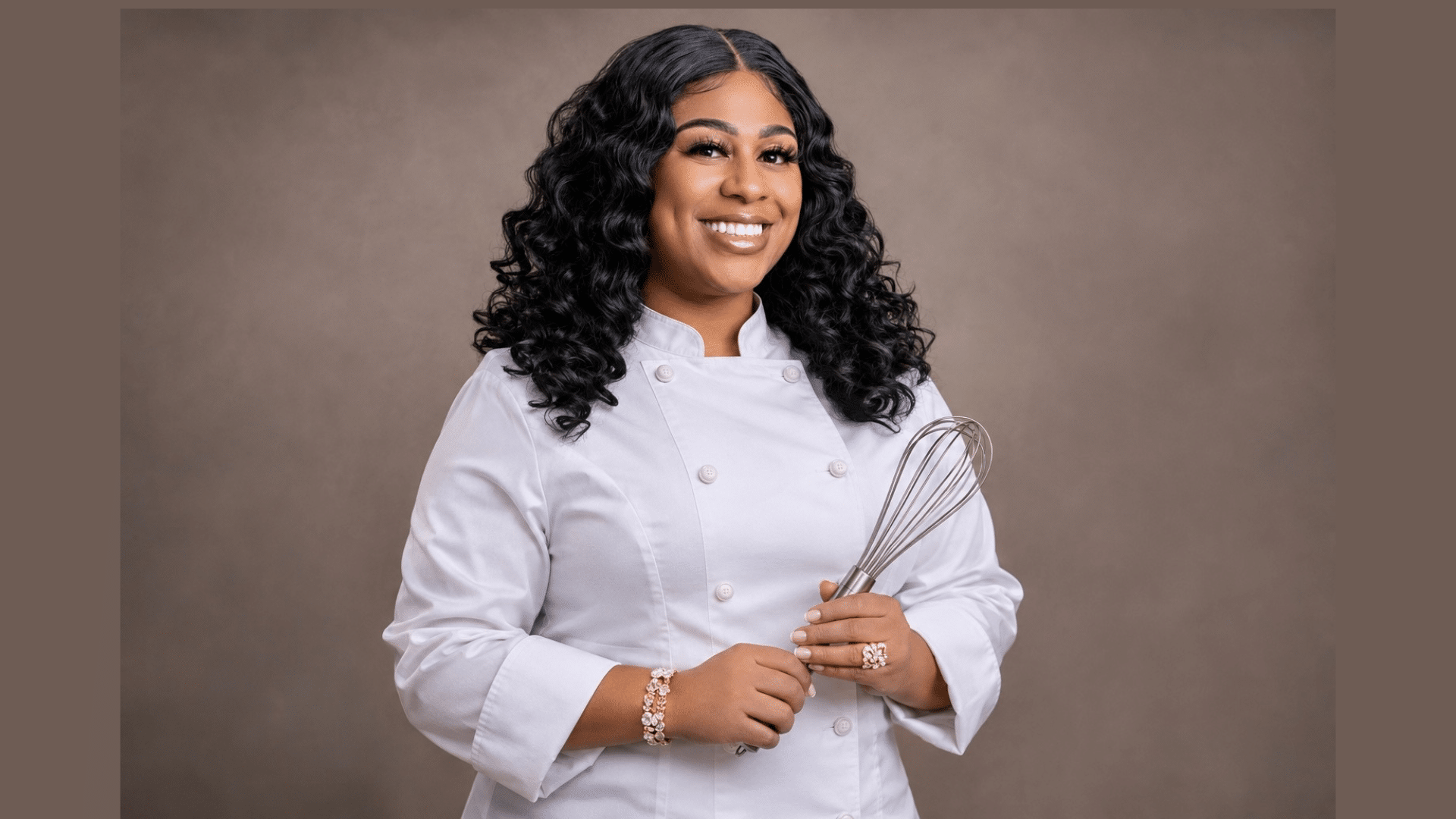
Sherri Smith, professionally known as Chef Bae®, was so tired of eating chicken thighs in the days before payday that she stopped second-guessing the soul food cookbook she had already finished and opened preorders. Two came in the first night. By her account, the book brought in about $20,000 the following month, and it became the first product of the business she has built on things she owns.
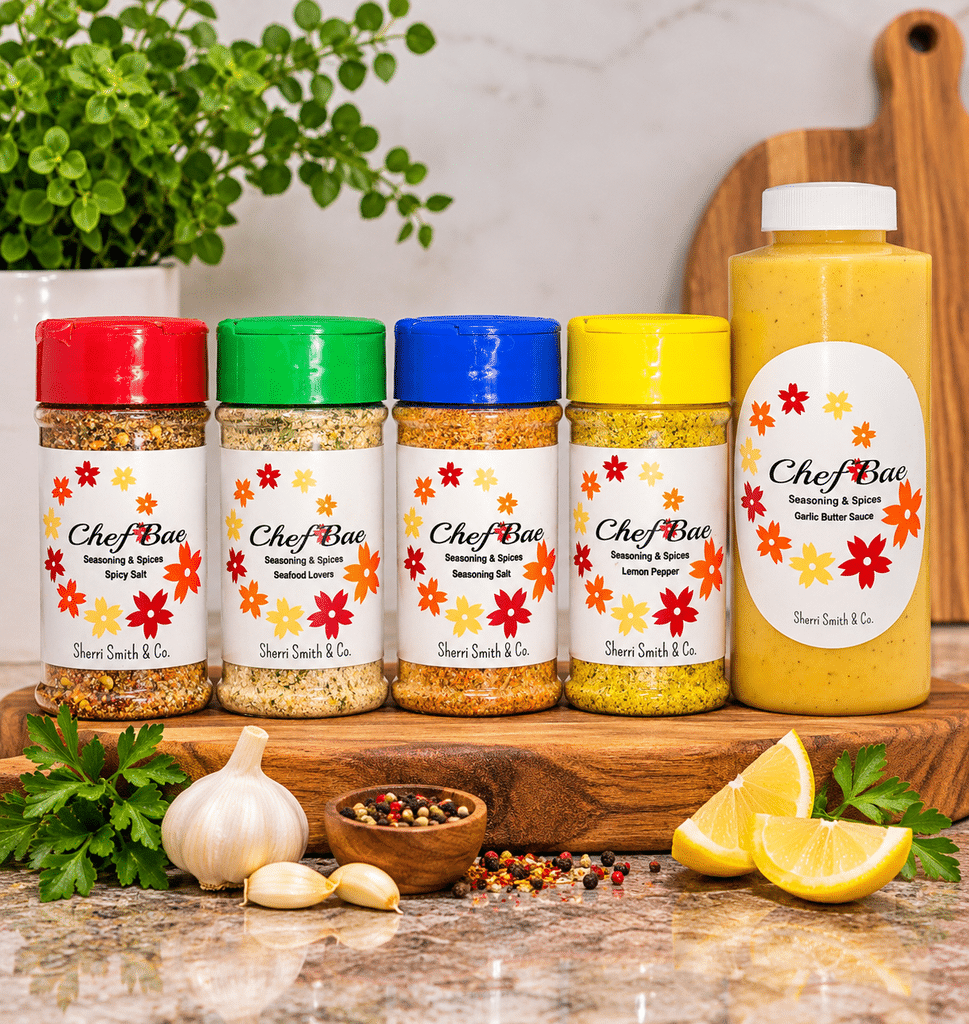
The business runs under that professional name, which she holds as a registered trademark, and the Cleveland-born, Atlanta-based chef now reaches a combined audience of more than 3 million across YouTube, Instagram, TikTok, and Facebook. Her digital cookbooks, which now include Southern Plates & Good Vibes, sit alongside signature seasonings, sauces, garlic butter, culinary education, catering, and private chef work.
Each of those lines grew from one decision she made once she had an audience. “I didn’t want to solely depend on social media, and I wanted to create opportunities or products that would continue to grow outside of my social media,” Sherri says.
A Grandmother’s Flavor Lessons and a Corporate Résumé Came First
Sherri’s cooking predates any platform. She sold plates as a teenager, and she has written that cooking became therapy after she lost her grandmother, the woman who taught her to work a kitchen by hand.
“My grandmother gave me a lot of things that you just can’t buy,” Sherri says. Those lessons about which flavors “mesh well with others,” she adds, later determined what went into her seafood and all-purpose seasonings.
The business instincts came from elsewhere. Before cooking paid the bills, Sherri worked at a law firm and in workers’ compensation insurance underwriting, and she holds a business degree with a specialization in real estate. She credits those jobs with teaching her customer service, marketing, and how to read trends.
She sees that training as an area of opportunity for many of her peers. “With this generation, a lot of us, this is our first time stepping outside of traditional job or career roles,” she says. “So a lot of times it’s easy to get caught up in just the craft itself.” Her answer is study that extends past the stove. “I firmly believe in continuing your education. And it’s not just for your craft.”
Going Viral Before There Were Enough Hands to Pack the Orders
The cookbook’s early sales arrived faster than any system to handle them. “Me and my husband were manually pushing out emails all night until I was able to figure out how to fulfill it automatically,” Sherri recalls.
Physical products multiplied the problem. “I think the most difficult part initially was going viral and not having enough hands on deck to fulfill the orders,” she says. The couple worked through the night and called in friends and family to help.
The longer-term fix was a regulated facility. The business partnered with a local commissary kitchen, a shared prep space where Sherri can blend seasonings and cook under inspection. “The health inspector comes out and reviews everything and gives you a grade,” she says.
The operation remains family-based, now with a team that handles physical and digital products and the packing and labeling behind them. That structure carried the business through her high-risk pregnancies, when her husband took over seasoning production and post office runs or delegated what he could not cover. “My husband is a phenomenal supporter, and he was able to take on the roles that I was not able to,” she says.
Facebook Leads Her Sales While Instagram Keeps Changing
Facebook and Instagram together send Sherri the most paying customers, and Facebook, where she has more followers, currently ranks first. She attributes part of that to the platform’s own ambitions. “Facebook is probably number one at the moment, especially because they’re trying to be more competitive with other platforms,” she says.
Her posting schedule follows where her audience shows up, and she treats platform shifts as something creators detect early. “As creators, we feel those changes before anyone feels them and we have to pivot,” she says of Instagram’s recent updates. She calls juggling every platform “a task in itself” for someone who is both a creator and a business owner, and she reads uneven results as a measure of effort. “Whatever platform that you put all your energy into, that’s kind of where you see the push,” she says.
What turns a viewer into a buyer, in her view, is care that shows up on the plate before she says anything. “You can just put the plate right there, and a person can tell that was made with love,” Sherri says. For a business that sells recipes and seasonings, the food on screen is the pitch.
A Couple Thousand Dollars Secured the Name Chef Bae®
Creators, Sherri argues, often get so absorbed in their work that the legal back end goes untended, and years later someone else owns their slogan or phrase. “As a creator, you’re so submerged into the craft of cooking or creating music or playing that sport,” she says.
Her own filing cost little at the time. “It was just a small amount of a couple thousand dollars to get the trademark,” Sherri says. As the name grew more popular, she came to believe others “may want to use it.” Today, the mark separates her from peers with similar names. “It helps me protect my identity, which has been a very important part of my journey,” she says.
Ownership also sets the terms of her brand negotiations. Any deal touching seasonings, sauces, or cookbooks gets added stipulations, she says, “just so that way I’m not overshadowing myself.” Everything else is open to negotiation, which means her product lines double as a filter on which partnerships fit.
Becoming Her Own Publicist for the Brand Deals Still Ahead
Sherri says platform monetization, memberships, and website sales now give her a steady flow of income. Brand partnerships are the line she is still building, and the lesson there cuts against a creative’s instinct to wait. “Sometimes, as a creative, you think these companies will see me, and they will come to me,” she says. “What I personally learned is that you have to be an advocate for yourself. And that means sometimes being your own PR.”
She reached out to others early in her career before relying on her own marketing, and she now wants partners whose products could integrate with hers. A typical deal starts from a brand’s concept and becomes a reel of about 60 seconds or a short video of two to three minutes, built around her ideas.
Industry events feed that pipeline. At a recent Minecraft event, the general manager introduced her to the chefs who catered it, and they are now social media friends. She compares the circuit to high school. “When you go to high school, you don’t realize that these are the same people that you’re going to see for the rest of your life,” she says. “We hype each other up, we educate each other.”
Keeping Chef Bae® in the Family and in Every Kitchen
Sherri sees Chef Bae® growing into something commercial, “something that is in everyone’s kitchen,” with her husband and daughters, Journee and Jaliyah, part of it. “I literally had nothing at all,” she says of the start. She has since been offered money for the trademark and the rights to the name. “I happily and proudly [declined] because I have so much faith and courage and love in my business,” she says.
That confidence extends to AI, which can now produce a recipe in seconds. She suggests using it to organize schedules and set reminders, and argues that developing a recipe that actually tastes delicious is “something that AI can’t take from you.” What lasts, she says, is a community that feels “like they’re at the table with you eating dinner,” and the belonging that comes from cooking from the heart.
“That’s what separates AI from the chef,” Sherri says.
Subscribe to Our Newsletter
Check Out Our Podcast