Clipping, the practice of cutting long-form audio and video into short clips distributed across thousands of creator-run pages, has become an increasingly common distribution tool for record labels, movie studios, and streaming platforms with deep content catalogs to draw from.
Campaigns are typically performance-based. Brands pay only once a post clears a minimum view threshold, and agencies review submissions before releasing payment. The model also carries unresolved risks, including a legal gray area around rights to reposted footage, disclosure practices that vary by agency, and clips landing on pages the brand never vets.
Media companies have a built-in advantage: an existing supply of footage worth clipping. So we asked 26 Creator Economy executives whether that advantage can be replicated by brands outside entertainment, including those selling physical products that don’t have a catalog to work from.
Of course clipping has a role, but most brands do it wrong. If a brand’s own reach is a shaky proxy for sales, the clipping Wild West is shooting blindfolded while dizzy. One clipper marketplace said it has banned over 20K clippers for buying views.
Clipping is the top of the top of the funnel, generating the most fleeting attention you’ll ever get. Unless you’re selling a low-ticket impulse buy or running a Godfather offer, reach or sales you can’t attribute shouldn’t be the goal. Microconversions should be the objective instead, moving people one stage further down the funnel.
That changes the pricing model from CPM to CPL (Cost Per Lead). For example, a campaign with 500K views and 20 qualified leads at $100 each beats one with 7M junk views and 6 leads. The shift from buying reach to buying leads anchors the campaign to a tangible, measurable asset, tracked with a unique branded short link per clipper.
For DTC brands, the answer to “what do we clip?” is existing winner UGC and creator content they already own or have the rights to use. Test new hooks and overlay CTAs instead of wasting budget testing new content.
Clipping is the most underrated distribution tool in creator marketing right now. Studios and labels figured it out first because they were sitting on huge catalogs, but a brand doesn’t need its own catalog to benefit. It can borrow one.
When a physical-product brand sponsors a long-form creator, the integration usually lives once, inside one video, and fades after a week. Clipping changes that. That 60-second product moment can be cut, re-captioned, and spread across dozens of short-form accounts, reaching people who will never watch the full episode. The sponsorship keeps paying off long after the upload date.
The brands that win will build clip rights into their creator deals up front, pay clippers on performance, and keep disclosure attached to every cut. Clipping also gives brands a cheap testing lab: whichever cut performs best tells you which message to put paid spend behind. For a product you can hold in your hand, a great 20-second demo traveling across 50 accounts can be worth more than the original video.
Clipping is the reach engine of creator marketing, and it’s no longer just a media-company play. Studios and labels got there first because they have a catalog with moments already baked in, and clippers are the fastest way to get those moments in front of people who will never visit the official channel. The model is the split: clippers own the moment in real time, and the brand’s official content carries the conversation in the weeks after.
For brands with a physical product, clipping kind of exists as UGC today, because a product shot doesn’t travel. A moment does. What we see changing is brands building their own IP – a live event, a show, a series, a personality who shows up every week – and then treating clippers as the distribution layer for it. We saw Red Bull do this on the Streamer Games, where the streamers’ own Red Bull-driven content was seeded on clipping networks and carried a meaningful share of the reach. The clip becomes the product demo, and it compounds.
The number we watch is the split between what the brand published and what everyone else published about it. Media companies routinely see the second number dwarf the first. Most brands have never had a second number. Clipping is how you get one. You stop renting attention and start owning it, but you have to give people something to clip first.
Clipping is a distribution arbitrage, and it only works if you have something worth clipping.
Media companies win here because they’re sitting on catalogs people already want to watch. The clip isn’t an ad. It’s a good scene that happens to carry a title card. That’s why it travels.
Most product brands don’t have that. They have advertising. Nobody clips an ad, and paying for distribution of something nobody wants is just a worse media buy with a Creator Economy label on it.
So the honest answer: clipping is downstream of owning content, not a shortcut around it. Brands that build real IP, a show, a founder doing long-form, a documented product story, generate clippable material as a byproduct. Brands that don’t are paying clippers to launder an ad through someone else’s account.
The useful test: would anyone clip this for free? If no, you’re not running a clipping program. You’re running paid distribution with extra steps.
Worth naming the tradeoff too. The moment you pay for volume, you lose control of context. For a physical product brand, a clip landing next to the wrong thing is a bigger problem than a missed impression.
Clipping has a role, but it is a distribution role, not a stand-in for creator marketing.
Media companies can clip because the catalog is the product. A cut of a song, a scene, or a stream can send someone back to the product being sold. A physical-product brand does not have that shortcut. The product has to be held, used, and believed. Faceless clip accounts are built to multiply an existing asset, not to demonstrate one.
That still leaves a real business need. Once a brand has source content with a hook: a founder explaining the product, a customer result, a launch film, a creator already using it, clipping can carry that asset into feeds the brand account could not easily reach. The brand pays for verified views, not for a promised post. It belongs after the creative is already working, and it should be measured by reach, not by orders.
It does not replace UGC, seeding, or affiliate. Those require a point of view, on-camera proof, and a path from attention to trial. Brands that fund clipping before they have that proof mostly buy reach they cannot connect to revenue. Brands that clip what already converts can make one strong asset work harder than a single owned post ever will.
Clipping can drive reach, which is why media companies with deep catalogs have embraced it. But brands should understand what they give up in exchange. When a video is re-edited and posted across dozens of newly created third-party accounts, the views and engagement live on those accounts, not the brand’s.
That credit matters more than most people realize. When a video does well on a brand’s own handle, the platform learns that the account makes content people want, and that lift carries over to everything else the brand posts. That’s the halo effect. Clipping spreads that momentum across accounts the brand doesn’t own, so a breakout moment doesn’t build a lasting audience.
The more durable approach is to get the original content, as published, in front of new audiences through creators people already trust. The brand keeps control of the story and every view builds on its own channel instead of someone else’s.
Clipping is typically referring to finding the best moments out of long-form content (e.g., a 30-minute podcast). But it’s also highly relevant for pulling “soundbites” out of UGC videos to create hero videos. For example, let’s say you’re a supplement brand that helps with getting to sleep easier. You might take five 30-second UGC videos and clip 2-3-second soundbites of creators mentioning better sleep and stitch them together in a hero mashup. It’s the same process as cutting a podcast into a 15-second ad – finding the right moments and extracting them to create an entirely new asset.
Clipping has a role well beyond media. I mostly think of it as a distribution layer.
Studios have obvious source material: scenes, performances, interviews. A brand with a physical product has to create moments worth clipping in the first place. A demo that actually shows something. A creator using the product naturally. A founder explaining why it exists. A customer reaction. An event people want to watch.
Once you have that, clipping gets useful. One piece of content gives you dozens or hundreds of small tests. You see which moments travel, then put more distribution and spend behind the ones that do.
Clip views are the easy number to report. For a product brand, I care more about what happens after someone watches: search, site traffic, sales, repeat purchase, people following the brand directly.
So yes, I’d use clipping for physical products. But the source material has to do real work. If the moment doesn’t make the product more credible or desirable on its own, giving it more distribution won’t fix it.
What started as a way to work around platform advertising restrictions has become a must-have in content distribution.
As Ed Elson puts it, “the clips are the content.” Top talent and brands, from Shannon Sharpe and the Rams to TBPN, are increasingly using clips as a core distribution and monetization strategy.
For brands, the opportunity is real, but two questions matter: can you own the channels and audience you’re building, and if you’re distributing through hundreds of third-party pages, can you guarantee brand safety?
That matters even more for physical-product and blue-chip brands. A crypto, gaming or prediction-market advertiser can tolerate environments that a major consumer brand cannot.
Clipping absolutely belongs in the creative mix. The next phase is figuring out how to scale it without giving up control of the audience or where the brand appears.
Yes, there’s absolutely a place for clipping in creator marketing, and we’re already seeing it come up in campaigns. But IP, ownership and usage rights are really important considerations here. The contract needs to be very clear about who owns the content, what rights are being granted, and should account for any derivative works or future clipping – particularly if that wasn’t the original purpose of the partnership. If a brand is providing clipped or third-party content for a creator to use, we’d also want the agreement to make clear that the brand is responsible for having secured the appropriate rights, and that liability for misuse sits with the brand. From the creator side, infringement can also be difficult to track and action. It’s hard to police and can have real implications for a creator’s business and future partnerships. Ultimately, creators and their management need to be asking these questions upfront to protect their image and likeness, and the longevity of their personal brand.
It has the ability to extend the life of long-form content produced in the YouTube or streamer space into assets that fill your communication plan. Advertisers have been doing it for ages with old spots that adapt into new campaigns.
Clipping does the following really well so I’m not surprised that it has become a broader phenomenon:
1) Get more content ROI from your production, sponsorship, collabs and partnerships. It’s an especially great way to use a global asset bank or creative archive.
2) A/B testing on steroids: Media contextual buying will allow for A-Z not just A/B testing with enough 3s opens/different clips.
3) Feeds the algorithm’s desire for consistent video assets which improves performance.
4) Fantastic way to use endorsement content or sport relationship assets. Being able to edit a bunch of fresh brand-relevant videos. Upping the opportunity for virality through the best edit.
The one caution: Own or have rights to whatever you clip.
Clipping is a distribution strategy, not a content strategy. It only works when there’s something worth cutting up. It should play a role in creator marketing, but not if you’re asking people to clip a company keynote. Brands need to focus on creating long-form content worth watching first. Once people start clipping that content on their own, that’s the signal to pour fuel on the fire with a paid campaign.
Clipping has a real role in creator marketing, and it isn’t limited to media companies. Clipping is an organic distribution layer built on social proof: people believe what they see others sharing.
Start with the proof. Movies and TV shows clip their best moments, people share them and talk about the show, and viewership rises. In music, rappers get clipped from streams and songs get cut into short-form videos, sending new listeners back to the artist. Streamers do the same to reach newer audiences, since most people now live on short-form apps. In every case, clipping works like a user acquisition funnel that pulls people in from every angle.
Now apply it to physical products. Brands can place products inside organic moments on live streams and long-form content: a streamer drinking a beverage, wearing a brand, or using a gadget mid-game. Founder podcasts and product reviews work the same way, producing quotable moments clippers can cut and spread. The product becomes part of the moment, so when it’s clipped, the product travels with it, and viewers see it as content, not an ad.
The payoff is multiplication. One stream, podcast, or review can produce dozens of clips, so a single piece keeps surfacing in feeds long after it ends.
Clipping doesn’t replace good creative, but for brands with moments worth clipping, it’s a cost-effective way to multiply reach.
Clipping is already one of the main ways viewers discover live creators, but brands with physical products have yet to tap into it.
As more people find live content through short-form feeds, we’re seeing this in streaming growth: Twitch had its biggest month ever in August, with 1.56B hours watched, and Dan Clancy has credited short-form clips as a major driver. We noticed the same at Streams Charts, with more viewers discovering streams through TikTok or Shorts rather than browsing directly to a channel.
For brands, the opportunity is to get more value from moments they are already sponsoring. A sponsored stream earns value when the creator uses the product – like a snack during a subathon – yet that moment ends with the broadcast. Clipping gives it a second life, putting that product moment into feeds the original stream may never reach.
For physical products, this can be especially powerful: a real person using a product in an unscripted moment can feel more authentic than a polished ad. Therefore, I’d see clipping as an extra layer for creator partnerships. Brands could pay for verified clip views, while paid clips should be clearly labeled and reported separately from stream metrics.
Clipping can play a useful but limited role alongside creator marketing: extending distribution and testing which moments earn attention. Its value comes from circulation, not necessarily recommendation, so I would not treat it as a substitute for creator-led storytelling or endorsement.
View counts are incomplete. They may show that a clip traveled, but not whether it reached new people, appeared in the right environment, or created interest in the brand.
When creator content is distributed through third-party accounts, the necessary rights should be explicitly granted, not assumed. Agreements should define where clips may appear, how long they can remain live, whether they can be boosted, disclosure requirements, account or content exclusions, and the commercial terms for that use.
The performance model also requires guardrails: the clip earning the most views may be the most controversial, not the one that best protects the creator or brand.
For physical products, clipping is less proven. I would test it only when the underlying content is worth watching before the product message appears. It can support awareness and creative learning, but it should not be confused with the trust behind a creator recommendation.
Clipping has become a shortcut for rapid reach, tapping into a classic phase of underpaid attention. For creators and emerging brands, leveraging external clipper networks delivers high-volume visibility at low costs.
However, for established media companies and major IP owners, relying blindly on open clipping models carries significant structural risks:
Platform algorithms increasingly penalize non-original content, risking devaluation of both the clip and the original video.
High view counts often mask a void in demographical data, unique reach, and conversion metrics needed to justify ROI to CMOs.
Undisclosed paid ads and automated networks face imminent tightening from regulators and the platforms.
The current arbitrage window will inevitably close as platforms enforce stricter detection, advertising compliance tightens, and pricing standardizes. The path forward is not avoiding clipping but maturing it. Major (media) brands must move from high-risk external bounty networks toward controlled, high-quality distribution: utilizing in-house clipping teams and vetted, verified (partner) channels that balance massive reach with long-term brand integrity.
Clipping is a massive shortcut for both brands and creators because it turns one long video into a continuous stream of content. Instead of constantly shooting new material, you can just slice up the most engaging moments and use them as everyday content for TikTok, Reels, or Shorts. For brands, this is a no-brainer for the budget. A single production shoot goes from being just one long video to dozens of shorter ads and posts, meaning they get way more value out of every dollar they spend.
The catch is that creators need to be smart about how their content is being chopped up. If you’re a creator filming a long video for a brand, you can’t just let them clip it up and use it forever for free. You have to make sure your contract clearly covers UGC usage rights and extra usage fees. Since these short clips can easily be turned into paid ads that run for months, you need to get paid fairly for that extra exposure.
Most brands don’t have a content problem, they have a distribution problem. They make one good video, post it once, and pray. Clipping ends the praying.
Clipping is a distribution model. Streamers and studios got there first because they were sitting on valuable content. A physical product brand doesn’t have it, so it has to produce it: founder content, podcasts, street interviews, the stuff people actually watch. Once that exists, clipping turns it into hundreds of native posts on accounts the brand would never reach through its own channels. Clipping replaces hope with distribution you actually control. What it won’t do is save a brand that just clips its generic ads. Nobody shares an ad.
Clipping is one of the best entry points into a brand or creator ecosystem.
Its job is not simply to generate views. It is to reach people who would never intentionally search for your company, product, or five-hour podcast, and give them a low-friction reason to care.
Discovery behavior has changed. Most people will not invest deeply before they know something is relevant. They may watch seven or ten short clips first, compare perspectives, see something forwarded in a group chat or community, and only then decide which creator, brand, or long-form piece deserves more attention.
That makes clipping the top of the funnel: a wide net for discovery, qualification, and repeated exposure.
For physical products, I think it becomes even more valuable. Online shopping removes touch, weight, texture, fit, scale, and real-world context. Short creator-led videos can partially restore that experience.
A real person holding, wearing, testing, or using the product can communicate things a product page never will.
So yes, clipping absolutely has a role beyond media companies. For physical brands especially, it can turn product experience into scalable discovery.
Clipping gives marketers more chances to reach people, but it also changes how they need to make the original content. The source material should contain distinct, memorable moments that can stand on their own and speak to different audiences, while still working together as one cohesive piece.
That matters for product brands too. The product doesn’t need to be the focus of every clip. It can benefit from being associated with the creator, the conversation, and the culture around it. The creative challenge is making one piece of content work both as a whole and as a collection of smaller moments. Get that right, and one partnership can keep generating value long after the original post goes live.
Video clips have become the atomic unit of online content. People now live inside short-form algorithms and consume the majority of their information through short-form clips. A lot of the time the conversation around clipping boils down to a comparison between it and paid social. People want to understand which one is superior. The truth is that both are important, play different roles, and they should work in tandem. Clipping is a more cost-efficient, top-of-funnel form of marketing, but it is not a substitute for paid social’s targeting, attribution, or predictability. The most effective marketing campaigns we have seen are when clipping is used as a more efficient way to build the awareness layer that paid social then retargets against. As the industry evolves, it is important that clipping agencies understand the role clipping plays in a brand’s broader marketing strategy and how it can be leveraged to enhance the performance of other marketing spend.
For product brands, I wouldn’t start with “what can we clip?” I’d start with “what questions are actually stopping someone from buying?”
If you sell supplements, skincare or household products, people ask pretty basic things: “What is the best X for Y?”, “Is this right for me?”, “How is it different?”, “How do I use it?”, “Which one should I buy?”
Get a credible creator to answer those properly in a longer YouTube video, then clip the best answers into Shorts, Reels and TikToks.
Now creators can also tag Amazon products directly in YouTube videos and Shorts. So one good creator video can do three jobs: clips win attention, product tags can drive sales, and the original video keeps working as a searchable source AI systems can discover and cite later.
Clipping can absolutely play a role beyond media companies. We see the biggest opportunity not as simply cutting long-form content into shorter pieces, but as turning creator content into a scalable distribution engine.
For brands with physical products, a single creator collaboration can generate dozens of moments: product demonstrations, reactions, comparisons, tutorials, testimonials or cultural hooks that can then be adapted and distributed across different creators, formats and communities.
The key is that clipping still needs to feel native. Consumers can immediately tell when a brand is simply recycling an ad. The strongest clips preserve the creator’s voice while adapting the content to how people actually discover products on each platform.
We believe this is part of a broader shift in creator marketing: brands are moving away from thinking about one creator producing one piece of content and toward treating every collaboration as a library of creative assets that can be continuously tested, redistributed and optimized.
Clipping is the new distribution layer for entertainment. It’s already reshaping how content moves across music, film and television, sports, gaming and the Creator Economy. Instead of relying solely on owned channels or a handful of large creators, the best moments can be distributed across hundreds of independent pages and communities, reaching audiences where they already consume content. The same model applies to brands and physical products: creator integrations, reactions, live moments and UGC can all become distributed media, with performance determining what scales. Clipping isn’t just repurposing content. It’s how culture gets distributed at scale.
Clipping can be a powerful discoverability lever, but it also comes with compliance challenges. While more and more clippers and short-form creators are being paid for their content through platforms, most don’t properly disclose that they’re being paid for what they produce, putting their responsibility and the advertiser’s at risk.
Clipping works because it matches how people discover content now. Most people aren’t going to sit through an entire podcast or long-form episode without a reason to, but a great clip gives them just enough to get interested and want to see more. What’s especially interesting is the incentive structure around it. If people can actually make money creating clips that perform, you suddenly have a huge group of people incentivized to find the best moments, package them in the most compelling way and get them in front of as many people as possible. It essentially turns clipping into a distributed marketing engine for the original content.
Dragomir is a Serbian freelance blog writer and translator. He is passionate about covering insightful stories and exploring topics such as influencer marketing, the creator economy, technology, business, and cyber fraud.













Clipping, the practice of cutting long-form audio and video into short clips distributed across thousands of creator-run pages, has become an increasingly common distribution tool for record labels, movie studios, and streaming platforms with deep content catalogs to draw from.
Campaigns are typically performance-based. Brands pay only once a post clears a minimum view threshold, and agencies review submissions before releasing payment. The model also carries unresolved risks, including a legal gray area around rights to reposted footage, disclosure practices that vary by agency, and clips landing on pages the brand never vets.
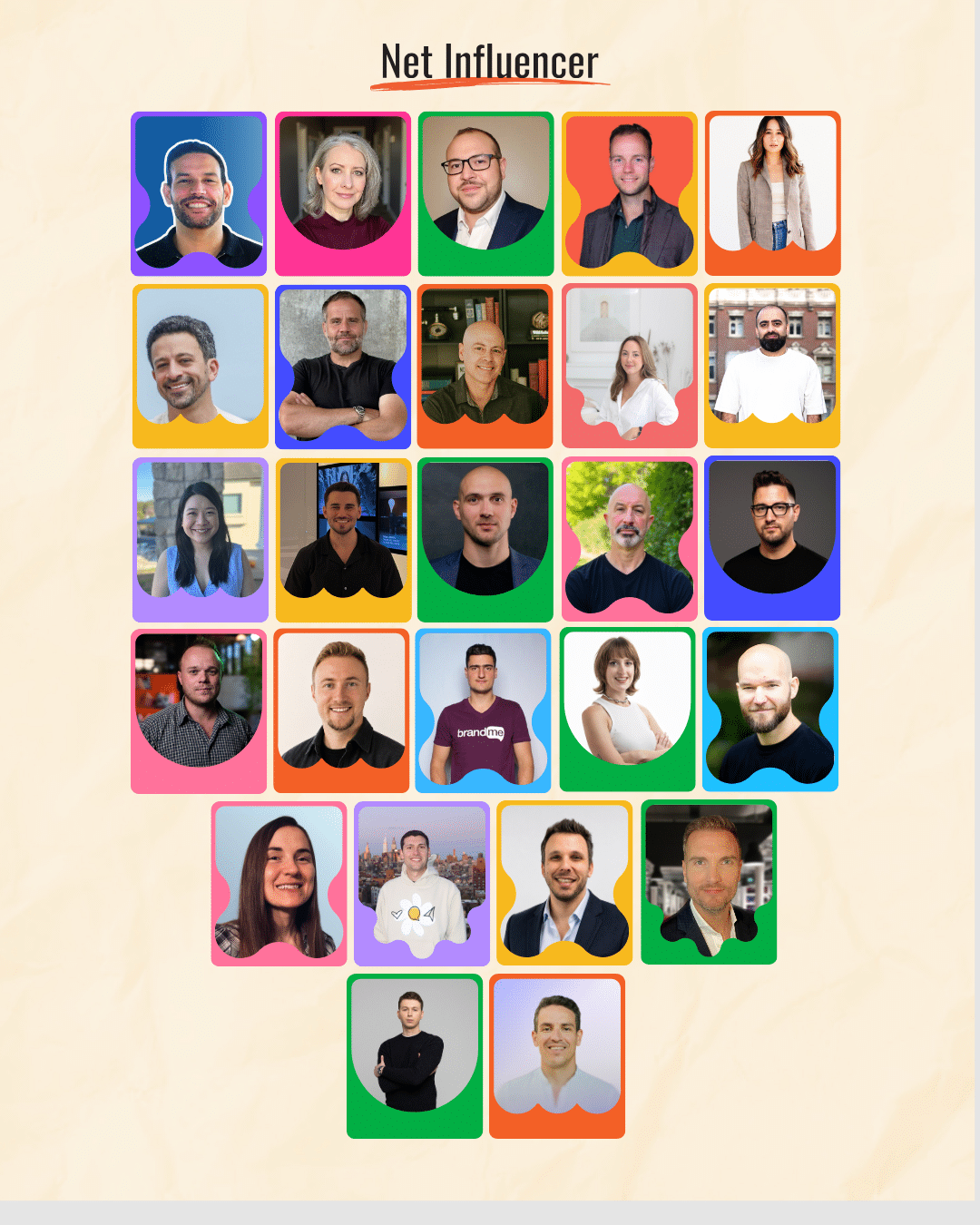
Media companies have a built-in advantage: an existing supply of footage worth clipping. So we asked 26 Creator Economy executives whether that advantage can be replicated by brands outside entertainment, including those selling physical products that don’t have a catalog to work from.
Daniel Caldas, Founder, Caldas Ecom
Of course clipping has a role, but most brands do it wrong. If a brand’s own reach is a shaky proxy for sales, the clipping Wild West is shooting blindfolded while dizzy. One clipper marketplace said it has banned over 20K clippers for buying views.
Clipping is the top of the top of the funnel, generating the most fleeting attention you’ll ever get. Unless you’re selling a low-ticket impulse buy or running a Godfather offer, reach or sales you can’t attribute shouldn’t be the goal. Microconversions should be the objective instead, moving people one stage further down the funnel.
That changes the pricing model from CPM to CPL (Cost Per Lead). For example, a campaign with 500K views and 20 qualified leads at $100 each beats one with 7M junk views and 6 leads. The shift from buying reach to buying leads anchors the campaign to a tangible, measurable asset, tracked with a unique branded short link per clipper.
For DTC brands, the answer to “what do we clip?” is existing winner UGC and creator content they already own or have the rights to use. Test new hooks and overlay CTAs instead of wasting budget testing new content.
Sarah McNabb, Chief Marketing Officer, GigaStar
Clipping is the most underrated distribution tool in creator marketing right now. Studios and labels figured it out first because they were sitting on huge catalogs, but a brand doesn’t need its own catalog to benefit. It can borrow one.
When a physical-product brand sponsors a long-form creator, the integration usually lives once, inside one video, and fades after a week. Clipping changes that. That 60-second product moment can be cut, re-captioned, and spread across dozens of short-form accounts, reaching people who will never watch the full episode. The sponsorship keeps paying off long after the upload date.
The brands that win will build clip rights into their creator deals up front, pay clippers on performance, and keep disclosure attached to every cut. Clipping also gives brands a cheap testing lab: whichever cut performs best tells you which message to put paid spend behind. For a product you can hold in your hand, a great 20-second demo traveling across 50 accounts can be worth more than the original video.
Nick Cicero, Founder, Mondo Metrics
Clipping is the reach engine of creator marketing, and it’s no longer just a media-company play. Studios and labels got there first because they have a catalog with moments already baked in, and clippers are the fastest way to get those moments in front of people who will never visit the official channel. The model is the split: clippers own the moment in real time, and the brand’s official content carries the conversation in the weeks after.
For brands with a physical product, clipping kind of exists as UGC today, because a product shot doesn’t travel. A moment does. What we see changing is brands building their own IP – a live event, a show, a series, a personality who shows up every week – and then treating clippers as the distribution layer for it. We saw Red Bull do this on the Streamer Games, where the streamers’ own Red Bull-driven content was seeded on clipping networks and carried a meaningful share of the reach. The clip becomes the product demo, and it compounds.
The number we watch is the split between what the brand published and what everyone else published about it. Media companies routinely see the second number dwarf the first. Most brands have never had a second number. Clipping is how you get one. You stop renting attention and start owning it, but you have to give people something to clip first.
Tobias Hoss, Co-Founder, Senior Advisor, 30 Dishes, Copyright Capital, TopFan, Talentir
Clipping is a distribution arbitrage, and it only works if you have something worth clipping.
Media companies win here because they’re sitting on catalogs people already want to watch. The clip isn’t an ad. It’s a good scene that happens to carry a title card. That’s why it travels.
Most product brands don’t have that. They have advertising. Nobody clips an ad, and paying for distribution of something nobody wants is just a worse media buy with a Creator Economy label on it.
So the honest answer: clipping is downstream of owning content, not a shortcut around it. Brands that build real IP, a show, a founder doing long-form, a documented product story, generate clippable material as a byproduct. Brands that don’t are paying clippers to launder an ad through someone else’s account.
The useful test: would anyone clip this for free? If no, you’re not running a clipping program. You’re running paid distribution with extra steps.
Worth naming the tradeoff too. The moment you pay for volume, you lose control of context. For a physical product brand, a clip landing next to the wrong thing is a bigger problem than a missed impression.
Lisa Wendland, Head of Media, Blue Wheel
Clipping has a role, but it is a distribution role, not a stand-in for creator marketing.
Media companies can clip because the catalog is the product. A cut of a song, a scene, or a stream can send someone back to the product being sold. A physical-product brand does not have that shortcut. The product has to be held, used, and believed. Faceless clip accounts are built to multiply an existing asset, not to demonstrate one.
That still leaves a real business need. Once a brand has source content with a hook: a founder explaining the product, a customer result, a launch film, a creator already using it, clipping can carry that asset into feeds the brand account could not easily reach. The brand pays for verified views, not for a promised post. It belongs after the creative is already working, and it should be measured by reach, not by orders.
It does not replace UGC, seeding, or affiliate. Those require a point of view, on-camera proof, and a path from attention to trial. Brands that fund clipping before they have that proof mostly buy reach they cannot connect to revenue. Brands that clip what already converts can make one strong asset work harder than a single owned post ever will.
Ian Ettinger, Co-founder, Daisy
Clipping can drive reach, which is why media companies with deep catalogs have embraced it. But brands should understand what they give up in exchange. When a video is re-edited and posted across dozens of newly created third-party accounts, the views and engagement live on those accounts, not the brand’s.
That credit matters more than most people realize. When a video does well on a brand’s own handle, the platform learns that the account makes content people want, and that lift carries over to everything else the brand posts. That’s the halo effect. Clipping spreads that momentum across accounts the brand doesn’t own, so a breakout moment doesn’t build a lasting audience.
The more durable approach is to get the original content, as published, in front of new audiences through creators people already trust. The brand keeps control of the story and every view builds on its own channel instead of someone else’s.
Brian Dutt, CEO, BeeRoll
Clipping is typically referring to finding the best moments out of long-form content (e.g., a 30-minute podcast). But it’s also highly relevant for pulling “soundbites” out of UGC videos to create hero videos. For example, let’s say you’re a supplement brand that helps with getting to sleep easier. You might take five 30-second UGC videos and clip 2-3-second soundbites of creators mentioning better sleep and stitch them together in a hero mashup. It’s the same process as cutting a podcast into a 15-second ad – finding the right moments and extracting them to create an entirely new asset.
Josh Stein, CEO, Attention Capital
Clipping has a role well beyond media. I mostly think of it as a distribution layer.
Studios have obvious source material: scenes, performances, interviews. A brand with a physical product has to create moments worth clipping in the first place. A demo that actually shows something. A creator using the product naturally. A founder explaining why it exists. A customer reaction. An event people want to watch.
Once you have that, clipping gets useful. One piece of content gives you dozens or hundreds of small tests. You see which moments travel, then put more distribution and spend behind the ones that do.
Clip views are the easy number to report. For a product brand, I care more about what happens after someone watches: search, site traffic, sales, repeat purchase, people following the brand directly.
So yes, I’d use clipping for physical products. But the source material has to do real work. If the moment doesn’t make the product more credible or desirable on its own, giving it more distribution won’t fix it.
Kevin McClain, Founder, Workfriends
What started as a way to work around platform advertising restrictions has become a must-have in content distribution.
As Ed Elson puts it, “the clips are the content.” Top talent and brands, from Shannon Sharpe and the Rams to TBPN, are increasingly using clips as a core distribution and monetization strategy.
For brands, the opportunity is real, but two questions matter: can you own the channels and audience you’re building, and if you’re distributing through hundreds of third-party pages, can you guarantee brand safety?
That matters even more for physical-product and blue-chip brands. A crypto, gaming or prediction-market advertiser can tolerate environments that a major consumer brand cannot.
Clipping absolutely belongs in the creative mix. The next phase is figuring out how to scale it without giving up control of the audience or where the brand appears.
Samantha Walters, VP of Talent Experience, Shine Talent Group
Yes, there’s absolutely a place for clipping in creator marketing, and we’re already seeing it come up in campaigns. But IP, ownership and usage rights are really important considerations here. The contract needs to be very clear about who owns the content, what rights are being granted, and should account for any derivative works or future clipping – particularly if that wasn’t the original purpose of the partnership. If a brand is providing clipped or third-party content for a creator to use, we’d also want the agreement to make clear that the brand is responsible for having secured the appropriate rights, and that liability for misuse sits with the brand. From the creator side, infringement can also be difficult to track and action. It’s hard to police and can have real implications for a creator’s business and future partnerships. Ultimately, creators and their management need to be asking these questions upfront to protect their image and likeness, and the longevity of their personal brand.
Jacquie Kostuk, VP, Strategy, FUSE Create
It has the ability to extend the life of long-form content produced in the YouTube or streamer space into assets that fill your communication plan. Advertisers have been doing it for ages with old spots that adapt into new campaigns.
Clipping does the following really well so I’m not surprised that it has become a broader phenomenon:
1) Get more content ROI from your production, sponsorship, collabs and partnerships. It’s an especially great way to use a global asset bank or creative archive.
2) A/B testing on steroids: Media contextual buying will allow for A-Z not just A/B testing with enough 3s opens/different clips.
3) Feeds the algorithm’s desire for consistent video assets which improves performance.
4) Fantastic way to use endorsement content or sport relationship assets. Being able to edit a bunch of fresh brand-relevant videos. Upping the opportunity for virality through the best edit.
The one caution: Own or have rights to whatever you clip.
Jared Naylor, SVP, Audience Development & Publishing, Shorthand Studios
Clipping is a distribution strategy, not a content strategy. It only works when there’s something worth cutting up. It should play a role in creator marketing, but not if you’re asking people to clip a company keynote. Brands need to focus on creating long-form content worth watching first. Once people start clipping that content on their own, that’s the signal to pour fuel on the fire with a paid campaign.
Akhil Sarin, Chief Marketing Officer, KICK
Clipping has a real role in creator marketing, and it isn’t limited to media companies. Clipping is an organic distribution layer built on social proof: people believe what they see others sharing.
Start with the proof. Movies and TV shows clip their best moments, people share them and talk about the show, and viewership rises. In music, rappers get clipped from streams and songs get cut into short-form videos, sending new listeners back to the artist. Streamers do the same to reach newer audiences, since most people now live on short-form apps. In every case, clipping works like a user acquisition funnel that pulls people in from every angle.
Now apply it to physical products. Brands can place products inside organic moments on live streams and long-form content: a streamer drinking a beverage, wearing a brand, or using a gadget mid-game. Founder podcasts and product reviews work the same way, producing quotable moments clippers can cut and spread. The product becomes part of the moment, so when it’s clipped, the product travels with it, and viewers see it as content, not an ad.
The payoff is multiplication. One stream, podcast, or review can produce dozens of clips, so a single piece keeps surfacing in feeds long after it ends.
Clipping doesn’t replace good creative, but for brands with moments worth clipping, it’s a cost-effective way to multiply reach.
Nazar Babenko, Product Manager, Streams Charts
Clipping is already one of the main ways viewers discover live creators, but brands with physical products have yet to tap into it.
As more people find live content through short-form feeds, we’re seeing this in streaming growth: Twitch had its biggest month ever in August, with 1.56B hours watched, and Dan Clancy has credited short-form clips as a major driver. We noticed the same at Streams Charts, with more viewers discovering streams through TikTok or Shorts rather than browsing directly to a channel.
For brands, the opportunity is to get more value from moments they are already sponsoring. A sponsored stream earns value when the creator uses the product – like a snack during a subathon – yet that moment ends with the broadcast. Clipping gives it a second life, putting that product moment into feeds the original stream may never reach.
For physical products, this can be especially powerful: a real person using a product in an unscripted moment can feel more authentic than a polished ad. Therefore, I’d see clipping as an extra layer for creator partnerships. Brands could pay for verified clip views, while paid clips should be clearly labeled and reported separately from stream metrics.
Fabio Gonçalves, Director of Talent, Viral Nation
Clipping can play a useful but limited role alongside creator marketing: extending distribution and testing which moments earn attention. Its value comes from circulation, not necessarily recommendation, so I would not treat it as a substitute for creator-led storytelling or endorsement.
View counts are incomplete. They may show that a clip traveled, but not whether it reached new people, appeared in the right environment, or created interest in the brand.
When creator content is distributed through third-party accounts, the necessary rights should be explicitly granted, not assumed. Agreements should define where clips may appear, how long they can remain live, whether they can be boosted, disclosure requirements, account or content exclusions, and the commercial terms for that use.
The performance model also requires guardrails: the clip earning the most views may be the most controversial, not the one that best protects the creator or brand.
For physical products, clipping is less proven. I would test it only when the underlying content is worth watching before the product message appears. It can support awareness and creative learning, but it should not be confused with the trust behind a creator recommendation.
Jonatan de Boer, Partner, 3Rivers
Clipping has become a shortcut for rapid reach, tapping into a classic phase of underpaid attention. For creators and emerging brands, leveraging external clipper networks delivers high-volume visibility at low costs.
However, for established media companies and major IP owners, relying blindly on open clipping models carries significant structural risks:
Platform algorithms increasingly penalize non-original content, risking devaluation of both the clip and the original video.
High view counts often mask a void in demographical data, unique reach, and conversion metrics needed to justify ROI to CMOs.
Undisclosed paid ads and automated networks face imminent tightening from regulators and the platforms.
The current arbitrage window will inevitably close as platforms enforce stricter detection, advertising compliance tightens, and pricing standardizes. The path forward is not avoiding clipping but maturing it. Major (media) brands must move from high-risk external bounty networks toward controlled, high-quality distribution: utilizing in-house clipping teams and vetted, verified (partner) channels that balance massive reach with long-term brand integrity.
Josephine Wong, Chief Revenue Officer, POP.STORE
Clipping is a massive shortcut for both brands and creators because it turns one long video into a continuous stream of content. Instead of constantly shooting new material, you can just slice up the most engaging moments and use them as everyday content for TikTok, Reels, or Shorts. For brands, this is a no-brainer for the budget. A single production shoot goes from being just one long video to dozens of shorter ads and posts, meaning they get way more value out of every dollar they spend.
The catch is that creators need to be smart about how their content is being chopped up. If you’re a creator filming a long video for a brand, you can’t just let them clip it up and use it forever for free. You have to make sure your contract clearly covers UGC usage rights and extra usage fees. Since these short clips can easily be turned into paid ads that run for months, you need to get paid fairly for that extra exposure.
Turan Selvi, Founder, CEO, Clipster
Most brands don’t have a content problem, they have a distribution problem. They make one good video, post it once, and pray. Clipping ends the praying.
Clipping is a distribution model. Streamers and studios got there first because they were sitting on valuable content. A physical product brand doesn’t have it, so it has to produce it: founder content, podcasts, street interviews, the stuff people actually watch. Once that exists, clipping turns it into hundreds of native posts on accounts the brand would never reach through its own channels. Clipping replaces hope with distribution you actually control. What it won’t do is save a brand that just clips its generic ads. Nobody shares an ad.
Andrii Salii, Media Producer, MIA Studio
Clipping is one of the best entry points into a brand or creator ecosystem.
Its job is not simply to generate views. It is to reach people who would never intentionally search for your company, product, or five-hour podcast, and give them a low-friction reason to care.
Discovery behavior has changed. Most people will not invest deeply before they know something is relevant. They may watch seven or ten short clips first, compare perspectives, see something forwarded in a group chat or community, and only then decide which creator, brand, or long-form piece deserves more attention.
That makes clipping the top of the funnel: a wide net for discovery, qualification, and repeated exposure.
For physical products, I think it becomes even more valuable. Online shopping removes touch, weight, texture, fit, scale, and real-world context. Short creator-led videos can partially restore that experience.
A real person holding, wearing, testing, or using the product can communicate things a product page never will.
So yes, clipping absolutely has a role beyond media companies. For physical brands especially, it can turn product experience into scalable discovery.
Erick Brownstein, Co-President, Shareability
Clipping gives marketers more chances to reach people, but it also changes how they need to make the original content. The source material should contain distinct, memorable moments that can stand on their own and speak to different audiences, while still working together as one cohesive piece.
That matters for product brands too. The product doesn’t need to be the focus of every clip. It can benefit from being associated with the creator, the conversation, and the culture around it. The creative challenge is making one piece of content work both as a whole and as a collection of smaller moments. Get that right, and one partnership can keep generating value long after the original post goes live.
Tristan Heiner, CEO, Lost Clips
Video clips have become the atomic unit of online content. People now live inside short-form algorithms and consume the majority of their information through short-form clips. A lot of the time the conversation around clipping boils down to a comparison between it and paid social. People want to understand which one is superior. The truth is that both are important, play different roles, and they should work in tandem. Clipping is a more cost-efficient, top-of-funnel form of marketing, but it is not a substitute for paid social’s targeting, attribution, or predictability. The most effective marketing campaigns we have seen are when clipping is used as a more efficient way to build the awareness layer that paid social then retargets against. As the industry evolves, it is important that clipping agencies understand the role clipping plays in a brand’s broader marketing strategy and how it can be leveraged to enhance the performance of other marketing spend.
Andri Sadlak, Founder & CEO, Agentic Commerce Architect, ARTAN AI
For product brands, I wouldn’t start with “what can we clip?” I’d start with “what questions are actually stopping someone from buying?”
If you sell supplements, skincare or household products, people ask pretty basic things: “What is the best X for Y?”, “Is this right for me?”, “How is it different?”, “How do I use it?”, “Which one should I buy?”
Get a credible creator to answer those properly in a longer YouTube video, then clip the best answers into Shorts, Reels and TikToks.
Now creators can also tag Amazon products directly in YouTube videos and Shorts. So one good creator video can do three jobs: clips win attention, product tags can drive sales, and the original video keeps working as a searchable source AI systems can discover and cite later.
That’s where clipping gets really interesting.
Gerardo Sordo, CEO & Founder, BrandMe
Clipping can absolutely play a role beyond media companies. We see the biggest opportunity not as simply cutting long-form content into shorter pieces, but as turning creator content into a scalable distribution engine.
For brands with physical products, a single creator collaboration can generate dozens of moments: product demonstrations, reactions, comparisons, tutorials, testimonials or cultural hooks that can then be adapted and distributed across different creators, formats and communities.
The key is that clipping still needs to feel native. Consumers can immediately tell when a brand is simply recycling an ad. The strongest clips preserve the creator’s voice while adapting the content to how people actually discover products on each platform.
We believe this is part of a broader shift in creator marketing: brands are moving away from thinking about one creator producing one piece of content and toward treating every collaboration as a library of creative assets that can be continuously tested, redistributed and optimized.
Anthony Pisano, Founder & CEO, GameTune (Software)
Clipping is the new distribution layer for entertainment. It’s already reshaping how content moves across music, film and television, sports, gaming and the Creator Economy. Instead of relying solely on owned channels or a handful of large creators, the best moments can be distributed across hundreds of independent pages and communities, reaching audiences where they already consume content. The same model applies to brands and physical products: creator integrations, reactions, live moments and UGC can all become distributed media, with performance determining what scales. Clipping isn’t just repurposing content. It’s how culture gets distributed at scale.
Rémy Chapot, CEO, The Node
Clipping can be a powerful discoverability lever, but it also comes with compliance challenges. While more and more clippers and short-form creators are being paid for their content through platforms, most don’t properly disclose that they’re being paid for what they produce, putting their responsibility and the advertiser’s at risk.
Megan Duong, CEO & Co-Founder, Plot
Clipping works because it matches how people discover content now. Most people aren’t going to sit through an entire podcast or long-form episode without a reason to, but a great clip gives them just enough to get interested and want to see more. What’s especially interesting is the incentive structure around it. If people can actually make money creating clips that perform, you suddenly have a huge group of people incentivized to find the best moments, package them in the most compelling way and get them in front of as many people as possible. It essentially turns clipping into a distributed marketing engine for the original content.
Subscribe to Our Newsletter
Check Out Our Podcast