






Influencer
Matt Kahla Built A $20M Business By Treating Content Creation Like A System, Not A Personality

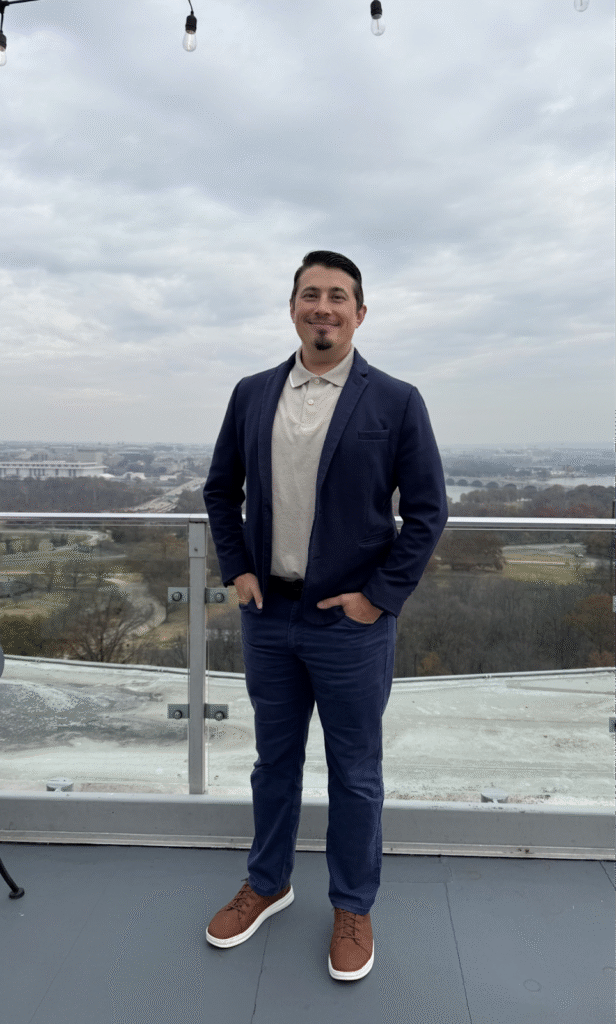
Matt Kahla does not describe himself as a viral creator. He does not chase trends, lean on viral audio, or package products inside glossy, overproduced videos. Instead, Matt approaches content the way a marketer or operator would: as a repeatable system built around trust, buyer intent, and distribution.
That approach has helped him turn short-form tech content into more than $20 million in gross merchandise value (GMV), including a single TikTok Shop video that generated more than $1 million in sales in one day. Today, Matt runs a high-output, platform-diversified content operation across TikTok, YouTube, Instagram, and Facebook, publishing dozens of videos daily and working with brands that value long-term performance over short-term spikes.
“I don’t hard-sell anybody,” Matt says. “I tell the audience a story, and if they want to purchase, it’s up to them.”
That philosophy, shaped by years in marketing leadership roles before he ever posted a TikTok, has become the foundation of a creator business that sits somewhere between media, commerce, and performance marketing.
From Marketing Director to Creator
Matt did not enter the creator economy with the ambition to quit his job or build a media company. When he started posting on TikTok in 2020, he was working full-time in marketing and eventually rose to director-level roles. Content creation began as a side project during the early months of the COVID-19 pandemic.
“I did it for free for three years,” he says. “Absolutely free.”
At the time, TikTok was still widely perceived as a platform for dance trends and short-lived entertainment. Matt was skeptical. “I thought it was kind of stupid at first,” he admits. But, as the platform grew, he noticed something familiar: people were asking questions, searching for information, and engaging in ways that resembled traditional marketing funnels.
Matt leaned into what he already knew. He applied SEO thinking to hashtags, created custom naming conventions so viewers could find his past reviews, and treated every post as a long-term asset rather than a one-day performance.
“If I posted today, it didn’t really matter for today,” he says. “It mattered for later.”
Early content focused on gaming and consumer tech, including PlayStation 5 accessories, during a period when the console was nearly impossible to find. Viewers asked questions. Matt answered them. Over time, an audience formed around his calm, explanatory style.
Why TikTok Shop Changed Everything
For three years, content remained a passion project, but that changed in 2023. When TikTok Shop launched in the U.S., Matt was one of the first seven creators invited into the program.
“From July 6th of 2023, everything changed,” he says. “In five days, I was making what I would normally make as a marketing director.”
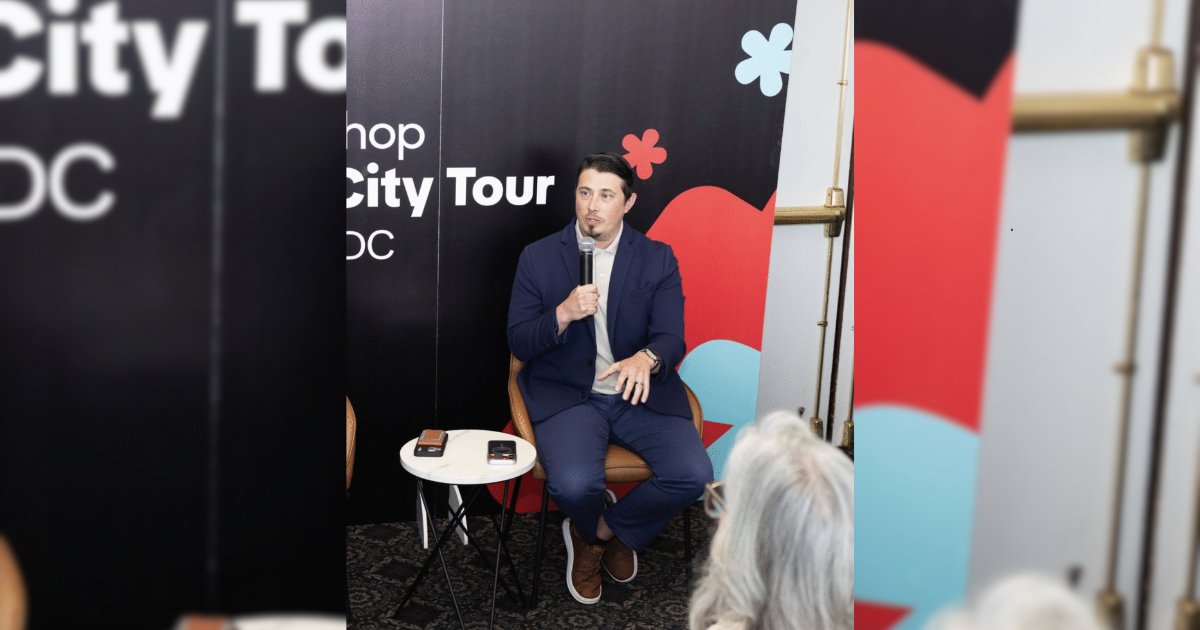
The early days of TikTok Shop felt experimental, but the signals were clear. Matt and a small group of early creators were invited to TikTok’s offices in Culver City, where it became obvious that commerce was becoming a core pillar of the platform.
TikTok Shop did more than unlock monetization for Matt. It validated his system-driven approach to content. He reports that videos that focused on clarity, product fit, and trust consistently outperformed trend-based posts. Sales often lagged days or weeks after publishing, reinforcing his belief that creator marketing operates on delayed impact, not instant conversion.
“I don’t really care what my video does today,” he says. “Let’s look at it a week from today.”
Minimalist Content, Maximum Output
Matt’s videos are simple on purpose. No trending audio. No cinematic transitions. Often, the product remains in the box.
“I wanted it to feel like I was talking to a friend on FaceTime,” he says.
For his first two years, much of his content was faceless. Viewers saw his hands, heard his voice, and watched products demonstrated without spectacle. Over time, something unexpected happened. Audiences began responding not just to the product, but to Matt himself.
“I used to think I was the side character,” he says. “Now, I realize I’m the main character presenting a side character.”
That realization coincided with an increase in output. Today, Matt publishes 20-30 videos per day on TikTok alone, with additional reach from repurposed content across Instagram, YouTube, and Facebook.
His production process is intentionally loose. He builds his environment around products he already uses, films opportunistically throughout the day, and edits minimally. “I made it so raw that there’s not a lot of editing,” he says. “I can just shoot, talk about it, and post.”
The $1 Million Dollar Chair
The video that generated more than $1 million in a single day did not feature a dramatic unboxing or polished demo. Instead, it featured a chair, still in its box.
“My audience really loves it when I review a box,” Matt says, laughing.
The chair was discounted heavily and fit loosely within his tech and gaming category. Matt presented it the same way he presents everything else: explaining features, avoiding hype, and letting the viewer decide.
“I didn’t expect anything from that chair,” he says.
Sales built over time. The video resurfaced in feeds. The discount held. Trust did the rest.
“I think it was 50-50,” he says, reflecting on the success. “They trusted me, and it was a good product on a good sale.”
Category Discipline and Audience Trust
One of Matt’s strongest convictions is that creators should stay close to their category, but not be constrained by platform labels. His content centers on tech, gaming, and electronics, but he defines that category based on audience expectation, not marketplace taxonomy.
“TikTok would label that chair as furniture,” he says. “My audience knows it’s a gaming chair.”
That distinction matters. According to Matt, when creators stray too far from what their audience expects, conversion drops. When they chase high-paying categories they don’t care about, authenticity erodes.
“I never chased the money,” Matt says. “I chased what I like.”
This mindset extends to brand partnerships. Matt avoids exclusivity, resists hard-sell scripts, and prefers long-term relationships over one-off campaigns. “If a brand tells me I have to sell at the end, that’s a deal breaker,” he says.
Scaling Beyond TikTok
Platform risk became real in early 2025, when TikTok faced renewed regulatory pressure in the United States. Matt responded by accelerating growth on other platforms.
Today, he has approximately 700,000 followers on TikTok, 120,000 on Instagram, 76,000 subscribers on YouTube, and a growing Facebook audience. Each platform serves a different function.
“My Instagram audience is more loyal,” he says. “TikTok brings new people every time.”
Content is strategically repurposed, with pricing and deliverables anchored to primary platforms, and secondary distribution offered as added value to brands.
Working With Brands, Without Losing the Audience
Matt believes many brands still misunderstand creator-led commerce. In his view, mass outreach, rigid briefs, and unrealistic expectations undermine performance before a video ever goes live.
“If brands trusted creators more, they would see better results,” he says.
His ideal partnership starts with creative freedom and mutual understanding. He prefers sending a raw cut first, then refining collaboratively. Overly scripted campaigns, he says, are immediately obvious to viewers.
“My audience knows how I talk,” he says. “If it doesn’t sound like me, they scroll.”
What to Expect from Matt in 2026?
After years of non-stop output, Matt is beginning to recalibrate. Turning 40 has prompted him to think more intentionally about sustainability.
“I don’t want to be doing this every single day forever,” he says.
The next phase includes fewer sales-focused posts, more original content, and deeper brand relationships. While he has considered launching his own product, he remains hesitant.
“I don’t want to lock myself into one thing,” he says. “I like being able to talk about everything.”
For now, Matt is focused on refining the system he has built. One that treats content as infrastructure, trust as currency, and consistency as the real differentiator.
“I did this for free for three years,” he says. “It’s not a get-rich-quick scheme. But if you talk about what you’re passionate about, people feel it.”
Checkout Our Latest Podcast