Youth social media regulation is accelerating around the world. Lawmakers in the United States, Canada, the United Kingdom, Australia, and several European countries have introduced or advanced measures that would restrict how minors access social media platforms or interact with certain platform features.
For brands that have built creator strategies around reaching young audiences, the implications extend beyond compliance. If platform access itself becomes increasingly restricted by age, what does that mean for the future of youth marketing?
We asked 24 Creator Economy executives, marketers, and platform strategists how brands should prepare.
The brands scrambling to protect their teen reach are solving the wrong problem. Australia’s ban has been live for months, and kids are still on the platforms, and not a single company has been fined. These laws don’t delete your audience. They delete your deniability. The moment regulation lands, every campaign that touches under-16s stops being a marketing decision and becomes a legal one, and regulators have made it clear they see influencers as media channels to be held accountable, issuing Australia’s first formal warning to a creator within days of its new gambling rules.
So stop asking “how do we keep reaching teens?” and start asking “can we prove who we’re reaching?” That answer lives in your creator contracts: audience-age data, compliance clauses, exit rights – none of which exist in most briefs today. Meanwhile, the smartest brands are quietly migrating the relationship itself: messaging apps sit outside the UK ban entirely, as do communities, email, and gaming. And they’re remembering the oldest truth in youth marketing – teens drive the trend, parents sign the receipt.
The window matters: the UK’s rules hit in Spring 2027. Paperwork beats panic, and it’s cheaper too.
What brands should already be doing, regardless of this, is diversifying their budgets across paid and organic channels. How disruptive the ban feels will depend on the brand. Those who put too many eggs in the social media basket may consider this a crisis. Those that had social media as one piece of their marketing pie will treat it as another market shift to adapt to.
And let’s face it, if a business collapses from losing direct access to feeds of children under-16, that’s questionable to say the least.
Australia is the live preview, and the trend is reallocation, not collapse. Budgets are shifting to CTV, gaming, family-focused channels, and branded search lift as a core metric. The increased weight of brand-related searches feeds directly into an evergreen discovery flywheel strategy: content optimized for SEO and GEO, earning long-term free eyeballs on Google search, and AI modes/overviews and LLMs. The open web isn’t a closed, heavily regulated ecosystem like social platforms will be.
One crucial detail matters more than any immediate impact: platforms may permanently lose this generation’s habit formation. Kids who never grew up on algo feeds may not get sucked into them after 16 either.
The biggest mistake brands are making is preparing for the loss of a channel instead of building a connection that can survive without it.
As a Context Planner, and a father to two 14-year-olds, I know for a fact young people are not going to stop discovering, sharing, or falling deep into oddly specific worlds. I saw it when I took my daughter to see Sam and Colby at the Mall of America. A community built on YouTube showed up IRL and completely took over the mall.
We applied similar thinking to the NBA’s Creator’s Court, borrowing the oddly satisfying formats younger audiences already loved and flipping them into basketball storytelling. And I’m jealous of what Ross did with Kismet, turning social micro-drama into an episodic YouTube show.
Different executions, same lesson: stop building for the feed and start building around what holds attention, creates belonging and gives audiences something to carry with them.
Most brands think the problem is losing reach. The real problem is losing the shortcut they’ve relied on to create relevance. Bottom line: brands win when they build for the connection, not the channel.
Brands should stop treating under-16 social media restrictions as a targeting problem and start treating them as a distribution problem. The brands that get ahead will build youth relevance through broader ecosystems: family creators, educators, gaming communities, sports, entertainment partnerships, live events, retail experiences, and content designed to be shared by parents or older siblings. They should also invest in owned audiences, including email, apps, communities, and loyalty programs, rather than relying entirely on platforms to deliver young consumers.
The biggest mistake brands are making is assuming these laws will simply reduce reach. The real disruption will be attribution. Even where young people continue seeing content indirectly, brands may no longer be able to target, retarget, or measure them in the same way.
This will not kill youth marketing, but it will punish brands that built their strategy around cheap access, precise targeting, and direct-response creator campaigns. The winners will be the brands that create cultural relevance people actively seek out, rather than depending on algorithms to place it in front of them.
The kids are alright, and they aren’t going anywhere. Our ability to measure them is.
The marketer in me thought: this is a measurement problem, not a reach problem.
It’s the same conversation we had when TikTok was exploding. Brands would look at those massive audience numbers and ask, “How many of those 20-year-olds are actually 12-year-olds who lied about their age?”
The parent in me thought: my teenagers will find a way around this by Tuesday. Just like they changed their birthdays on TikTok. Just like many of us lied about our birth year to get into chat rooms in 1998.
Brands should plan for that reality. Australia is a good case study. After teen accounts were restricted, follow-up research found little meaningful change in teens’ overall social media use. Teenagers don’t disappear. They’re still watching, still influencing culture, and still buying – or, more accurately, telling us what to buy for them.
Ultimately, this feels like a parenting issue far more than a marketing one. I say that as someone who is doing the parenting thing imperfectly on most weeknights.
From a marketing perspective, though, the playbook changes.
If you need to reach younger audiences, strengthen your relationship with parents. We’re the ones with the credit cards ordering the DoorDash and buying the sneakers from the creators our kids are obsessed with.
Then shift more of the budget from targeting to creative. I may be biased, but when you can’t precisely slice an audience, the work has to do the heavy lifting. Honestly, that was always true.
Finally, invest more in channels that don’t depend on digital IDs: live events, sports, schools, community programs, and other environments where young audiences still show up in measurable ways without relying on platform-level targeting.
Social channels are rented, not owned. TikTok went dark for 170 million American users for 14 hours in January 2025. No warning. Algorithms shift too, and you find out when your reach does.
Now add the courts. In March 2026, a Los Angeles jury found Meta and YouTube liable for designing products that got a young user addicted. That’s a different legal reality than the one most brands built their social strategy on.
Paid media (obviously) works and I’m not telling anyone to pull back. But know that paid reach on any social platform is rented, not owned. You’re paying for access on someone else’s terms, and those terms can shift at any moment. The real question is what you’ve built that doesn’t depend on that lease, things like community, creator relationships built on actual trust, and owned channels.
If your answer is nothing, you’ve got work to do. The regulatory pressure isn’t going away, and brands who’ve only ever rented are the ones who’ll feel it first.
Most brands are reading the under-16 ban exactly backwards.
They’re panicking about the short term and sleeping on the long term. Enforcement is leaky. VPNs work. Millions of kids will keep their accounts past day one, Australia already proved that. So reach doesn’t vanish overnight, brands exhale, and nothing changes in the playbook.
That’s the trap. The real disruption isn’t this quarter’s numbers. It’s that an entire generation is now being raised to expect gated, verified, parent-mediated access. The always-on direct line to young audiences that brands built their entire strategy around is closing for good, just slowly enough that most won’t react until it’s gone.
If your growth depends on reaching under-16s through platform algorithms, a government can reprice that overnight. You don’t own that audience. You never did. You rented it.
What to do now: build relationships you actually keep. Parents as the real gatekeepers. Owned channels, email, communities, first-party data. Formats that live where families already are.
The brands that move now do it as strategy. The ones that wait do it as damage control.
The proposed under-16 restrictions should be a catalyst for brands to build more resilient creator strategies – not simply look for new ways to reach younger audiences. Brands should be doing four things now: auditing creator programs to ensure they’re built around age-appropriate partnerships and compliant content; reducing dependence on any single platform by building creator programs that can activate across multiple channels; measuring creator marketing against meaningful business outcomes rather than platform-specific metrics; and rethinking creator selection by investing in creators who have built trusted relationships with age-appropriate audiences and can influence purchase decisions responsibly.
The reality is that regulations, algorithms, and consumer behaviors will continue to evolve. The brands that will come out ahead are those that treat creator marketing as a long-term, accountable growth channel – one built on trust, diversified distribution, measurable performance, and the flexibility to adapt as the landscape continues to change.
The real question isn’t how brands survive an under-16 ban, it’s why the Creator Economy needs one drawn for it. Classical advertising built its own guardrails decades ago: watershed rules, ASA codes, age-appropriate placement. Governments would rather take guidance from an industry than legislate over it. Social and creator marketing hasn’t done that work, and that’s exactly why a blanket ban becomes the only option left.
So what should brands do right now? Show the due diligence a regulator has no reason to trust exists. That means platforms and the activation layer around them, us included, actually stepping into these decisions instead of leaving age and suitability to the algorithm: verifying who’s really being reached, vetting the content sitting next to a campaign, building the same duty of care into a TikTok partnership that a media buyer builds into a TV slot.
Do that convincingly, and we stop reacting to legislation and start proving the ecosystem can police itself. The only way there is building a Creator Economy that’s genuinely fair to brands, creators and the people on the other side of the screen.
Brands chasing under-16 audiences need to treat this as a trust problem, not a targeting one. Parents and regulators are done assuming platforms will police themselves. The smart move is shifting budget toward creators whose audiences are already 18 and up.
What most brands miss is how fast this moves. Once one major market locks in age-gating, platforms roll it out everywhere rather than run separate systems per region – so brands still chasing under-16 audiences through influencers will get caught off guard, not by a law, but by the platform itself.
The biggest mistake brands can make is assuming this is just another targeting challenge. It’s a fundamental shift in how they build relationships with the next generation.
Brands that rely heavily on creators to reach under-16 audiences need to start investing in ecosystems they actually own, such as communities, newsletters, websites and experiences that don’t depend on social platform access. At the same time, they should broaden their creator strategies to focus on creators who resonate with older audiences and families, not just teens.
The brands that will come out ahead are the ones that stop chasing reach and start building trust. Regulations will continue to evolve, but authentic relationships, transparency and value-driven content will always be more resilient than any platform-specific strategy.
As the founder of a group of Influencer Marketing agencies, this may sound counterintuitive: I believe stronger social media protections for children under-16 are a step in the right direction.
As a mother of teenagers, I see how difficult it is for young people to disconnect from platforms designed to capture and retain attention. We cannot place the full responsibility on children and expect developing minds to resist some of the most sophisticated engagement systems ever created.
Social media can provide connection, creativity and community. But growing evidence also raises concerns about compulsive use, disrupted sleep, harmful content and the effects of constant comparison.
Brands should not treat under-16 restrictions as a compliance problem or look for loopholes to preserve the same targeting strategies. They should see this as an opportunity to redesign how they build relationships with young audiences.
That means investing in age-appropriate experiences, involving parents and communities, diversifying beyond algorithmic feeds, and applying stricter standards to creators, content, data and persuasive design.
What most brands underestimate is that this will not only reduce reach. It will disrupt targeting, measurement, creator strategies and cultural relevance.
The brands that move first will not simply replace a channel. They will earn the trust of the next generation.
WhatsApp. WhatsApp is not part of the ban. Move your younger audiences to a WhatsApp group, and focus on broadcasting and building community there. WhatsApp is about to explode.
The biggest mistake brands can make is treating this as a media-buying problem instead of a trust and audience evolution problem.
We’re already seeing marketers ask a different question: not “How do we keep reaching under-16 audiences?” but “How do we build relevance that naturally reaches the next generation without depending on underage targeting?”
The winners will invest in creators whose audiences age with them, strengthen first-party relationships, create content that parents and older Gen Z actually choose to share, and diversify beyond a single social platform. This is also the moment to rethink measurement – focusing less on raw reach and more on influence across purchase decision-makers.
Most brands underestimate how disruptive this could become. Many still assume they can simply replace restricted inventory with another platform or creator. But if regulation continues globally, the change isn’t about where content is distributed – it’s about fundamentally changing who can be reached, how trust is built, and what responsible creator marketing looks like over the next decade.
What many brands get wrong is assuming under-16 restrictions will suddenly wipe out a significant portion of their reach. The reality is that, for most brands, under-16s are not their primary commercial audience. If brands are panicking about losing scale, they’re probably focusing on the wrong issue. The bigger challenge isn’t audience loss, it’s that these changes will expose media strategies that have relied too heavily on broad reach rather than genuine influence.
To get ahead, brands need to look beyond surface-level media metrics and invest in a deeper understanding of channel dynamics, consumer behavior, creator effectiveness and cultural context. The success will be for those brands that use richer data to identify where authentic influence exists, rather than simply chasing impressions.
In Australia, where social media restrictions are already reshaping the landscape, the strongest brands aren’t forcing generalist playbooks onto specialist social channels. They’re partnering with creators whose established communities are built on credibility, authenticity and trust, ensuring their brand strategy is aligned with the right voices rather than the biggest audiences.
Navigating this regulated environment is complex and as regulation evolves, Influencer Marketing will require greater specialisation. A nuanced understanding of the relationships between channel, consumer, context and content will become even more important, making specialist influencer expertise increasingly valuable in translating deeper data into real brand equity.
I think most brands are getting this wrong because they’re overestimating how disruptive it’ll actually be.
Yes, under-16 restrictions are moving from debate to legislation, and I actually think that’s a positive. Kids should be outside, not glued to an iPad watching YouTube all day. But it’s also going to be incredibly difficult to police with a generation that’s grown up around technology.
The mistake brands make is focusing on whether teenagers can still access social platforms, instead of asking whether their entire growth strategy relies on borrowed audiences.
Brands should assume regulation will only get tighter. That means investing now in owned communities, CRM, loyalty and creators whose audiences naturally skew 18+, rather than trying to find the next loophole.
The brands that struggle won’t be the ones that lose access to under-16s. They’ll be the ones that realise they never actually owned their audience in the first place. The brands that win will be the ones building relationships that are bigger than any one platform, algorithm or policy change.
The biggest mistake brands make is treating the rules about social media for under-16s as a matter of compliance. They are a distribution shift.
As age-gating becomes more common, brands that depend on TikTok, Instagram, YouTube, livestreams, and creator communities to reach young people may lose access to the platforms where discovery happens. The impact will be felt beyond just buying ad space: choosing creators, measuring audience size, targeting, attributing success and building communities will all become more difficult.
Brands should do these things now: reduce their use of any single platform, build direct relationships with audiences where the law allows, and invest in content that can be used across different platforms and formats. Creator strategies should also become less dependent on direct access to under-18s and more focused on reaching parents, families, older audiences, and broader cultural conversations.
The key is to plan for this. Different countries will have different age limits, ways to check age, and rules for the platforms. What works in one place might not work in another.
Most importantly, brands should stop thinking that the change will happen slowly. Regulation can change how things are sold very quickly. The brands that are best prepared will not necessarily be the ones with the biggest creator budgets, but those with the strongest understanding of where their audiences can be reached legally next.
I think brands are asking the wrong question. It’s less about, “How do we keep reaching under-16s?” and more about, “Who actually has the buying power of this age demo?”
For most categories, kids aren’t actually the customer. They’re an important voice in the decision, but parents are still the ones saying yes at checkout. If access to younger audiences becomes more restricted, the brands that come out ahead will be the ones building trust with the adults making the purchase while still creating products, content, and culture that younger audiences can actually connect with.
I also think some brands are overestimating how disruptive these changes will actually be because they’ve confused attention with influence.
Social media is one way culture spreads, but it isn’t the only way. Trends still move through school halls, sports teams, friend groups, families, and everyday conversations. Great creators and campaigns don’t just generate impressions. They shape preferences and build credibility. That won’t disappear with new legislation.
The playbook is simply evolving (isn’t it always?). The brands that get ahead will be the ones that stop optimizing for the easiest audience to reach and start building strategies around the people who ultimately drive the decision.
The brands that get ahead of this are the ones treating it as an opportunity, not a headache. If under-16 restrictions are coming, that’s your sign to build real relationships with parents and older teens now, not scramble later. Start thinking about how your content and community hold up without relying on younger users to drive engagement. Diversify where your audience lives too; don’t put all your eggs in one platform’s basket. The brands who wait until the rules change to figure this out are going to be playing catch-up. The ones paying attention now are going to look like they saw it coming.
As under-16 social media restrictions continue to evolve, brands need to rethink how they approach creator marketing. Instead of trying to reach younger audiences directly, they’ll find more value in partnering with trusted 18+ creators who naturally influence families, younger siblings, and Gen Z culture. Groups like The Sorority Girlz are a great example. They’re Gen Z creators who produce authentic, family-friendly content that resonates across multiple age groups without being targeted at children. The brands that succeed won’t be the ones chasing the next viral trend, they’ll be the ones investing in long-term creator relationships, building communities, and earning trust. This shift isn’t just about compliance; it’s about creating a sustainable creator strategy that can adapt as regulations and platforms continue to change.
Regulation is moving fast, and brands need to treat age assurance as core to the product experience from the start. Users should feel it working quietly in the background, built into the journey itself.
The brands who get ahead of this will build identity verification directly into signup. That means live liveness checks that confirm a real person is present. It means age estimation technology that is accurate enough to hold up under scrutiny. It means re-verification triggers that catch inconsistencies quietly, without turning the experience into a series of hoops.
The bar users expect keeps rising too. Young adult audiences want to feel like the person they are talking to is real. Identity assurance done well becomes something users trust and barely notice.
My advice for brands building or refreshing their platforms now: partner with providers who specialize in this, rather than trying to build it from scratch. Speed matters, and so does getting it right the first time. The technology exists to verify identity seamlessly at signup and keep checking quietly after that. Brands that adopt it early will be ready before regulation forces their hand.
Brands that get ahead of this should first reconsider if their product should serve the under-16 audience at all – and if the answer is yes, then how? Media and content companies need age-appropriate safeguards built in from day one, before regulation forces the issue. A consumer makeup brand doesn’t need its own platform for teens. It needs to know where that audience goes once these restrictions land, and meet them there responsibly. Building for young people now means building safer products first.
Most brands with young audiences are still optimizing for reach on platforms they do not control. That is the exposure.
As under-16 access becomes restricted, the problem is not simply losing a channel. It is losing an audience relationship that existed entirely inside that channel, with no permission-based connection, no first-party destination, and no way to continue it.
The brands that will thrive in a more restricted environment are already building the handoff from social to direct, measurable experiences: creator content that leads to an age-appropriate experience in the brand’s app or site; QR codes that connect offline discovery to a product in the app or a relevant marketplace; and links that preserve continuity and attribution from discovery to action.
What most brands get wrong is viewing this as a media-buying adjustment: simply removing under-16 targeting, shifting the spend and continuing as before. The disruption will go further, changing how trends emerge, how creators build influence and where audiences go next.
Resilience is not just about reducing exposure. It is a reason to build more deliberate journeys between discovery and action now, while the rules are still being written, instead of scrambling to adapt later.
Brands should be planning for this shift now, not waiting for legislation to be finalized. As age-based social media restrictions continue to expand, the way brands reach younger audiences will fundamentally change. The smartest brands will diversify their strategies by investing in age-appropriate, trusted platforms that prioritize safety and meaningful engagement.
Dragomir is a Serbian freelance blog writer and translator. He is passionate about covering insightful stories and exploring topics such as influencer marketing, the creator economy, technology, business, and cyber fraud.













Youth social media regulation is accelerating around the world. Lawmakers in the United States, Canada, the United Kingdom, Australia, and several European countries have introduced or advanced measures that would restrict how minors access social media platforms or interact with certain platform features.
For brands that have built creator strategies around reaching young audiences, the implications extend beyond compliance. If platform access itself becomes increasingly restricted by age, what does that mean for the future of youth marketing?
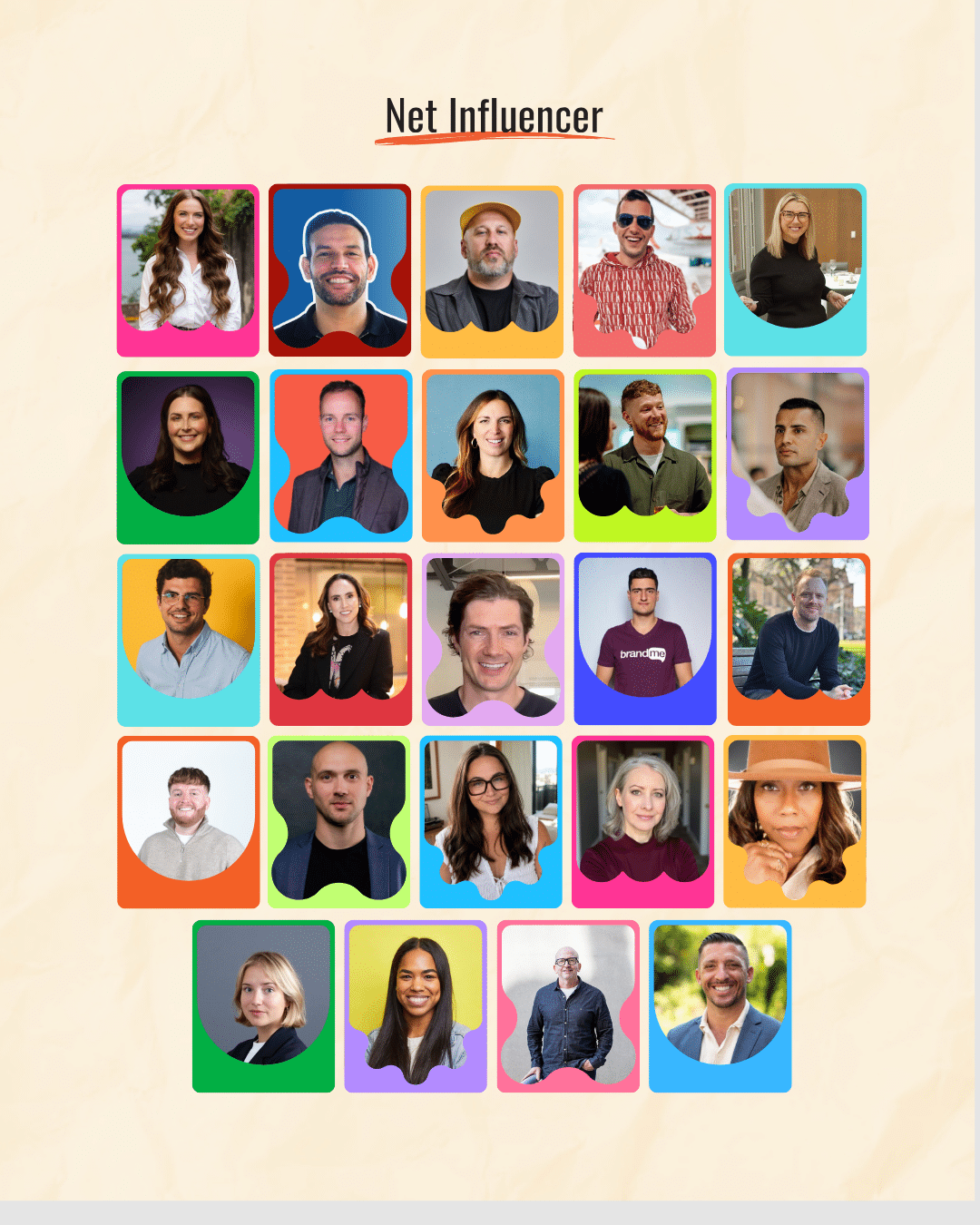
We asked 24 Creator Economy executives, marketers, and platform strategists how brands should prepare.
Kate Fleming, Director of Influencer Strategy, PartnerCentric
The brands scrambling to protect their teen reach are solving the wrong problem. Australia’s ban has been live for months, and kids are still on the platforms, and not a single company has been fined. These laws don’t delete your audience. They delete your deniability. The moment regulation lands, every campaign that touches under-16s stops being a marketing decision and becomes a legal one, and regulators have made it clear they see influencers as media channels to be held accountable, issuing Australia’s first formal warning to a creator within days of its new gambling rules.
So stop asking “how do we keep reaching teens?” and start asking “can we prove who we’re reaching?” That answer lives in your creator contracts: audience-age data, compliance clauses, exit rights – none of which exist in most briefs today. Meanwhile, the smartest brands are quietly migrating the relationship itself: messaging apps sit outside the UK ban entirely, as do communities, email, and gaming. And they’re remembering the oldest truth in youth marketing – teens drive the trend, parents sign the receipt.
The window matters: the UK’s rules hit in Spring 2027. Paperwork beats panic, and it’s cheaper too.
Daniel Caldas, Founder, Caldas Ecom
What brands should already be doing, regardless of this, is diversifying their budgets across paid and organic channels. How disruptive the ban feels will depend on the brand. Those who put too many eggs in the social media basket may consider this a crisis. Those that had social media as one piece of their marketing pie will treat it as another market shift to adapt to.
And let’s face it, if a business collapses from losing direct access to feeds of children under-16, that’s questionable to say the least.
Australia is the live preview, and the trend is reallocation, not collapse. Budgets are shifting to CTV, gaming, family-focused channels, and branded search lift as a core metric. The increased weight of brand-related searches feeds directly into an evergreen discovery flywheel strategy: content optimized for SEO and GEO, earning long-term free eyeballs on Google search, and AI modes/overviews and LLMs. The open web isn’t a closed, heavily regulated ecosystem like social platforms will be.
One crucial detail matters more than any immediate impact: platforms may permanently lose this generation’s habit formation. Kids who never grew up on algo feeds may not get sucked into them after 16 either.
Evan Auerbach, Director of Context Planning, Translation
The biggest mistake brands are making is preparing for the loss of a channel instead of building a connection that can survive without it.
As a Context Planner, and a father to two 14-year-olds, I know for a fact young people are not going to stop discovering, sharing, or falling deep into oddly specific worlds. I saw it when I took my daughter to see Sam and Colby at the Mall of America. A community built on YouTube showed up IRL and completely took over the mall.
We applied similar thinking to the NBA’s Creator’s Court, borrowing the oddly satisfying formats younger audiences already loved and flipping them into basketball storytelling. And I’m jealous of what Ross did with Kismet, turning social micro-drama into an episodic YouTube show.
Different executions, same lesson: stop building for the feed and start building around what holds attention, creates belonging and gives audiences something to carry with them.
Most brands think the problem is losing reach. The real problem is losing the shortcut they’ve relied on to create relevance. Bottom line: brands win when they build for the connection, not the channel.
Abraham Lieberman, Founder, Clicks Talent
Brands should stop treating under-16 social media restrictions as a targeting problem and start treating them as a distribution problem. The brands that get ahead will build youth relevance through broader ecosystems: family creators, educators, gaming communities, sports, entertainment partnerships, live events, retail experiences, and content designed to be shared by parents or older siblings. They should also invest in owned audiences, including email, apps, communities, and loyalty programs, rather than relying entirely on platforms to deliver young consumers.
The biggest mistake brands are making is assuming these laws will simply reduce reach. The real disruption will be attribution. Even where young people continue seeing content indirectly, brands may no longer be able to target, retarget, or measure them in the same way.
This will not kill youth marketing, but it will punish brands that built their strategy around cheap access, precise targeting, and direct-response creator campaigns. The winners will be the brands that create cultural relevance people actively seek out, rather than depending on algorithms to place it in front of them.
Heather Freiser, Partner, Lighthouse Creative
The kids are alright, and they aren’t going anywhere. Our ability to measure them is.
The marketer in me thought: this is a measurement problem, not a reach problem.
It’s the same conversation we had when TikTok was exploding. Brands would look at those massive audience numbers and ask, “How many of those 20-year-olds are actually 12-year-olds who lied about their age?”
The parent in me thought: my teenagers will find a way around this by Tuesday. Just like they changed their birthdays on TikTok. Just like many of us lied about our birth year to get into chat rooms in 1998.
Brands should plan for that reality. Australia is a good case study. After teen accounts were restricted, follow-up research found little meaningful change in teens’ overall social media use. Teenagers don’t disappear. They’re still watching, still influencing culture, and still buying – or, more accurately, telling us what to buy for them.
Ultimately, this feels like a parenting issue far more than a marketing one. I say that as someone who is doing the parenting thing imperfectly on most weeknights.
From a marketing perspective, though, the playbook changes.
If you need to reach younger audiences, strengthen your relationship with parents. We’re the ones with the credit cards ordering the DoorDash and buying the sneakers from the creators our kids are obsessed with.
Then shift more of the budget from targeting to creative. I may be biased, but when you can’t precisely slice an audience, the work has to do the heavy lifting. Honestly, that was always true.
Finally, invest more in channels that don’t depend on digital IDs: live events, sports, schools, community programs, and other environments where young audiences still show up in measurable ways without relying on platform-level targeting.
Caitlin Mitchell, Executive Director of Social Strategy, LERMA
Social channels are rented, not owned. TikTok went dark for 170 million American users for 14 hours in January 2025. No warning. Algorithms shift too, and you find out when your reach does.
Now add the courts. In March 2026, a Los Angeles jury found Meta and YouTube liable for designing products that got a young user addicted. That’s a different legal reality than the one most brands built their social strategy on.
Paid media (obviously) works and I’m not telling anyone to pull back. But know that paid reach on any social platform is rented, not owned. You’re paying for access on someone else’s terms, and those terms can shift at any moment. The real question is what you’ve built that doesn’t depend on that lease, things like community, creator relationships built on actual trust, and owned channels.
If your answer is nothing, you’ve got work to do. The regulatory pressure isn’t going away, and brands who’ve only ever rented are the ones who’ll feel it first.
Tobias Hoss, Co-Founder, Senior Advisor, 30 Dishes, Copyright Capital, TopFan, Talentir
Most brands are reading the under-16 ban exactly backwards.
They’re panicking about the short term and sleeping on the long term. Enforcement is leaky. VPNs work. Millions of kids will keep their accounts past day one, Australia already proved that. So reach doesn’t vanish overnight, brands exhale, and nothing changes in the playbook.
That’s the trap. The real disruption isn’t this quarter’s numbers. It’s that an entire generation is now being raised to expect gated, verified, parent-mediated access. The always-on direct line to young audiences that brands built their entire strategy around is closing for good, just slowly enough that most won’t react until it’s gone.
If your growth depends on reaching under-16s through platform algorithms, a government can reprice that overnight. You don’t own that audience. You never did. You rented it.
What to do now: build relationships you actually keep. Parents as the real gatekeepers. Owned channels, email, communities, first-party data. Formats that live where families already are.
The brands that move now do it as strategy. The ones that wait do it as damage control.
Kristina Coughlin, General Manager, Trevant, a Fluent Company
The proposed under-16 restrictions should be a catalyst for brands to build more resilient creator strategies – not simply look for new ways to reach younger audiences. Brands should be doing four things now: auditing creator programs to ensure they’re built around age-appropriate partnerships and compliant content; reducing dependence on any single platform by building creator programs that can activate across multiple channels; measuring creator marketing against meaningful business outcomes rather than platform-specific metrics; and rethinking creator selection by investing in creators who have built trusted relationships with age-appropriate audiences and can influence purchase decisions responsibly.
The reality is that regulations, algorithms, and consumer behaviors will continue to evolve. The brands that will come out ahead are those that treat creator marketing as a long-term, accountable growth channel – one built on trust, diversified distribution, measurable performance, and the flexibility to adapt as the landscape continues to change.
Lewis Girvin, Growth Lead, Refluenced
The real question isn’t how brands survive an under-16 ban, it’s why the Creator Economy needs one drawn for it. Classical advertising built its own guardrails decades ago: watershed rules, ASA codes, age-appropriate placement. Governments would rather take guidance from an industry than legislate over it. Social and creator marketing hasn’t done that work, and that’s exactly why a blanket ban becomes the only option left.
So what should brands do right now? Show the due diligence a regulator has no reason to trust exists. That means platforms and the activation layer around them, us included, actually stepping into these decisions instead of leaving age and suitability to the algorithm: verifying who’s really being reached, vetting the content sitting next to a campaign, building the same duty of care into a TikTok partnership that a media buyer builds into a TV slot.
Do that convincingly, and we stop reacting to legislation and start proving the ecosystem can police itself. The only way there is building a Creator Economy that’s genuinely fair to brands, creators and the people on the other side of the screen.
Shawn Munir, Founder & CEO, Yamammi Influencer Marketing LLC
Brands chasing under-16 audiences need to treat this as a trust problem, not a targeting one. Parents and regulators are done assuming platforms will police themselves. The smart move is shifting budget toward creators whose audiences are already 18 and up.
What most brands miss is how fast this moves. Once one major market locks in age-gating, platforms roll it out everywhere rather than run separate systems per region – so brands still chasing under-16 audiences through influencers will get caught off guard, not by a law, but by the platform itself.
Nicolas Bon, CEO, Clark Influence
The biggest mistake brands can make is assuming this is just another targeting challenge. It’s a fundamental shift in how they build relationships with the next generation.
Brands that rely heavily on creators to reach under-16 audiences need to start investing in ecosystems they actually own, such as communities, newsletters, websites and experiences that don’t depend on social platform access. At the same time, they should broaden their creator strategies to focus on creators who resonate with older audiences and families, not just teens.
The brands that will come out ahead are the ones that stop chasing reach and start building trust. Regulations will continue to evolve, but authentic relationships, transparency and value-driven content will always be more resilient than any platform-specific strategy.
Natalia Serna, CEO & Founder, Goldfish Group
As the founder of a group of Influencer Marketing agencies, this may sound counterintuitive: I believe stronger social media protections for children under-16 are a step in the right direction.
As a mother of teenagers, I see how difficult it is for young people to disconnect from platforms designed to capture and retain attention. We cannot place the full responsibility on children and expect developing minds to resist some of the most sophisticated engagement systems ever created.
Social media can provide connection, creativity and community. But growing evidence also raises concerns about compulsive use, disrupted sleep, harmful content and the effects of constant comparison.
Brands should not treat under-16 restrictions as a compliance problem or look for loopholes to preserve the same targeting strategies. They should see this as an opportunity to redesign how they build relationships with young audiences.
That means investing in age-appropriate experiences, involving parents and communities, diversifying beyond algorithmic feeds, and applying stricter standards to creators, content, data and persuasive design.
What most brands underestimate is that this will not only reduce reach. It will disrupt targeting, measurement, creator strategies and cultural relevance.
The brands that move first will not simply replace a channel. They will earn the trust of the next generation.
Gary Garofalo, CEO, LoudCrowd
WhatsApp. WhatsApp is not part of the ban. Move your younger audiences to a WhatsApp group, and focus on broadcasting and building community there. WhatsApp is about to explode.
Gerardo Sordo, CEO & Founder, BrandMe
The biggest mistake brands can make is treating this as a media-buying problem instead of a trust and audience evolution problem.
We’re already seeing marketers ask a different question: not “How do we keep reaching under-16 audiences?” but “How do we build relevance that naturally reaches the next generation without depending on underage targeting?”
The winners will invest in creators whose audiences age with them, strengthen first-party relationships, create content that parents and older Gen Z actually choose to share, and diversify beyond a single social platform. This is also the moment to rethink measurement – focusing less on raw reach and more on influence across purchase decision-makers.
Most brands underestimate how disruptive this could become. Many still assume they can simply replace restricted inventory with another platform or creator. But if regulation continues globally, the change isn’t about where content is distributed – it’s about fundamentally changing who can be reached, how trust is built, and what responsible creator marketing looks like over the next decade.
Bryce Coombe, Managing Director, Hypetap
What many brands get wrong is assuming under-16 restrictions will suddenly wipe out a significant portion of their reach. The reality is that, for most brands, under-16s are not their primary commercial audience. If brands are panicking about losing scale, they’re probably focusing on the wrong issue. The bigger challenge isn’t audience loss, it’s that these changes will expose media strategies that have relied too heavily on broad reach rather than genuine influence.
To get ahead, brands need to look beyond surface-level media metrics and invest in a deeper understanding of channel dynamics, consumer behavior, creator effectiveness and cultural context. The success will be for those brands that use richer data to identify where authentic influence exists, rather than simply chasing impressions.
In Australia, where social media restrictions are already reshaping the landscape, the strongest brands aren’t forcing generalist playbooks onto specialist social channels. They’re partnering with creators whose established communities are built on credibility, authenticity and trust, ensuring their brand strategy is aligned with the right voices rather than the biggest audiences.
Navigating this regulated environment is complex and as regulation evolves, Influencer Marketing will require greater specialisation. A nuanced understanding of the relationships between channel, consumer, context and content will become even more important, making specialist influencer expertise increasingly valuable in translating deeper data into real brand equity.
Remy Beaumont, Founder, Z MEDIA
I think most brands are getting this wrong because they’re overestimating how disruptive it’ll actually be.
Yes, under-16 restrictions are moving from debate to legislation, and I actually think that’s a positive. Kids should be outside, not glued to an iPad watching YouTube all day. But it’s also going to be incredibly difficult to police with a generation that’s grown up around technology.
The mistake brands make is focusing on whether teenagers can still access social platforms, instead of asking whether their entire growth strategy relies on borrowed audiences.
Brands should assume regulation will only get tighter. That means investing now in owned communities, CRM, loyalty and creators whose audiences naturally skew 18+, rather than trying to find the next loophole.
The brands that struggle won’t be the ones that lose access to under-16s. They’ll be the ones that realise they never actually owned their audience in the first place. The brands that win will be the ones building relationships that are bigger than any one platform, algorithm or policy change.
Andrii Salii, YouTube Strategist, MIA Studio
The biggest mistake brands make is treating the rules about social media for under-16s as a matter of compliance. They are a distribution shift.
As age-gating becomes more common, brands that depend on TikTok, Instagram, YouTube, livestreams, and creator communities to reach young people may lose access to the platforms where discovery happens. The impact will be felt beyond just buying ad space: choosing creators, measuring audience size, targeting, attributing success and building communities will all become more difficult.
Brands should do these things now: reduce their use of any single platform, build direct relationships with audiences where the law allows, and invest in content that can be used across different platforms and formats. Creator strategies should also become less dependent on direct access to under-18s and more focused on reaching parents, families, older audiences, and broader cultural conversations.
The key is to plan for this. Different countries will have different age limits, ways to check age, and rules for the platforms. What works in one place might not work in another.
Most importantly, brands should stop thinking that the change will happen slowly. Regulation can change how things are sold very quickly. The brands that are best prepared will not necessarily be the ones with the biggest creator budgets, but those with the strongest understanding of where their audiences can be reached legally next.
Hannah Lawrence, Director of Brand Strategy, The Digital Dept.
I think brands are asking the wrong question. It’s less about, “How do we keep reaching under-16s?” and more about, “Who actually has the buying power of this age demo?”
For most categories, kids aren’t actually the customer. They’re an important voice in the decision, but parents are still the ones saying yes at checkout. If access to younger audiences becomes more restricted, the brands that come out ahead will be the ones building trust with the adults making the purchase while still creating products, content, and culture that younger audiences can actually connect with.
I also think some brands are overestimating how disruptive these changes will actually be because they’ve confused attention with influence.
Social media is one way culture spreads, but it isn’t the only way. Trends still move through school halls, sports teams, friend groups, families, and everyday conversations. Great creators and campaigns don’t just generate impressions. They shape preferences and build credibility. That won’t disappear with new legislation.
The playbook is simply evolving (isn’t it always?). The brands that get ahead will be the ones that stop optimizing for the easiest audience to reach and start building strategies around the people who ultimately drive the decision.
Sarah McNabb, Chief Marketing Officer, GigaStar
The brands that get ahead of this are the ones treating it as an opportunity, not a headache. If under-16 restrictions are coming, that’s your sign to build real relationships with parents and older teens now, not scramble later. Start thinking about how your content and community hold up without relying on younger users to drive engagement. Diversify where your audience lives too; don’t put all your eggs in one platform’s basket. The brands who wait until the rules change to figure this out are going to be playing catch-up. The ones paying attention now are going to look like they saw it coming.
Gigi Harville, CEO & Founder, The Paul Harville Group
As under-16 social media restrictions continue to evolve, brands need to rethink how they approach creator marketing. Instead of trying to reach younger audiences directly, they’ll find more value in partnering with trusted 18+ creators who naturally influence families, younger siblings, and Gen Z culture. Groups like The Sorority Girlz are a great example. They’re Gen Z creators who produce authentic, family-friendly content that resonates across multiple age groups without being targeted at children. The brands that succeed won’t be the ones chasing the next viral trend, they’ll be the ones investing in long-term creator relationships, building communities, and earning trust. This shift isn’t just about compliance; it’s about creating a sustainable creator strategy that can adapt as regulations and platforms continue to change.
Alexandra Ryabova, Head of Operations, Wizz App
Regulation is moving fast, and brands need to treat age assurance as core to the product experience from the start. Users should feel it working quietly in the background, built into the journey itself.
The brands who get ahead of this will build identity verification directly into signup. That means live liveness checks that confirm a real person is present. It means age estimation technology that is accurate enough to hold up under scrutiny. It means re-verification triggers that catch inconsistencies quietly, without turning the experience into a series of hoops.
The bar users expect keeps rising too. Young adult audiences want to feel like the person they are talking to is real. Identity assurance done well becomes something users trust and barely notice.
My advice for brands building or refreshing their platforms now: partner with providers who specialize in this, rather than trying to build it from scratch. Speed matters, and so does getting it right the first time. The technology exists to verify identity seamlessly at signup and keep checking quietly after that. Brands that adopt it early will be ready before regulation forces their hand.
Cydney Adams, Head of Product, SaySo
Brands that get ahead of this should first reconsider if their product should serve the under-16 audience at all – and if the answer is yes, then how? Media and content companies need age-appropriate safeguards built in from day one, before regulation forces the issue. A consumer makeup brand doesn’t need its own platform for teens. It needs to know where that audience goes once these restrictions land, and meet them there responsibly. Building for young people now means building safer products first.
Scott Allan, Chief Marketing & Solutions Officer, URLgenius
Most brands with young audiences are still optimizing for reach on platforms they do not control. That is the exposure.
As under-16 access becomes restricted, the problem is not simply losing a channel. It is losing an audience relationship that existed entirely inside that channel, with no permission-based connection, no first-party destination, and no way to continue it.
The brands that will thrive in a more restricted environment are already building the handoff from social to direct, measurable experiences: creator content that leads to an age-appropriate experience in the brand’s app or site; QR codes that connect offline discovery to a product in the app or a relevant marketplace; and links that preserve continuity and attribution from discovery to action.
What most brands get wrong is viewing this as a media-buying adjustment: simply removing under-16 targeting, shifting the spend and continuing as before. The disruption will go further, changing how trends emerge, how creators build influence and where audiences go next.
Resilience is not just about reducing exposure. It is a reason to build more deliberate journeys between discovery and action now, while the rules are still being written, instead of scrambling to adapt later.
Zak Ringelstein, Founder and CEO, Zigazoo
Brands should be planning for this shift now, not waiting for legislation to be finalized. As age-based social media restrictions continue to expand, the way brands reach younger audiences will fundamentally change. The smartest brands will diversify their strategies by investing in age-appropriate, trusted platforms that prioritize safety and meaningful engagement.
Subscribe to Our Newsletter
Check Out Our Podcast