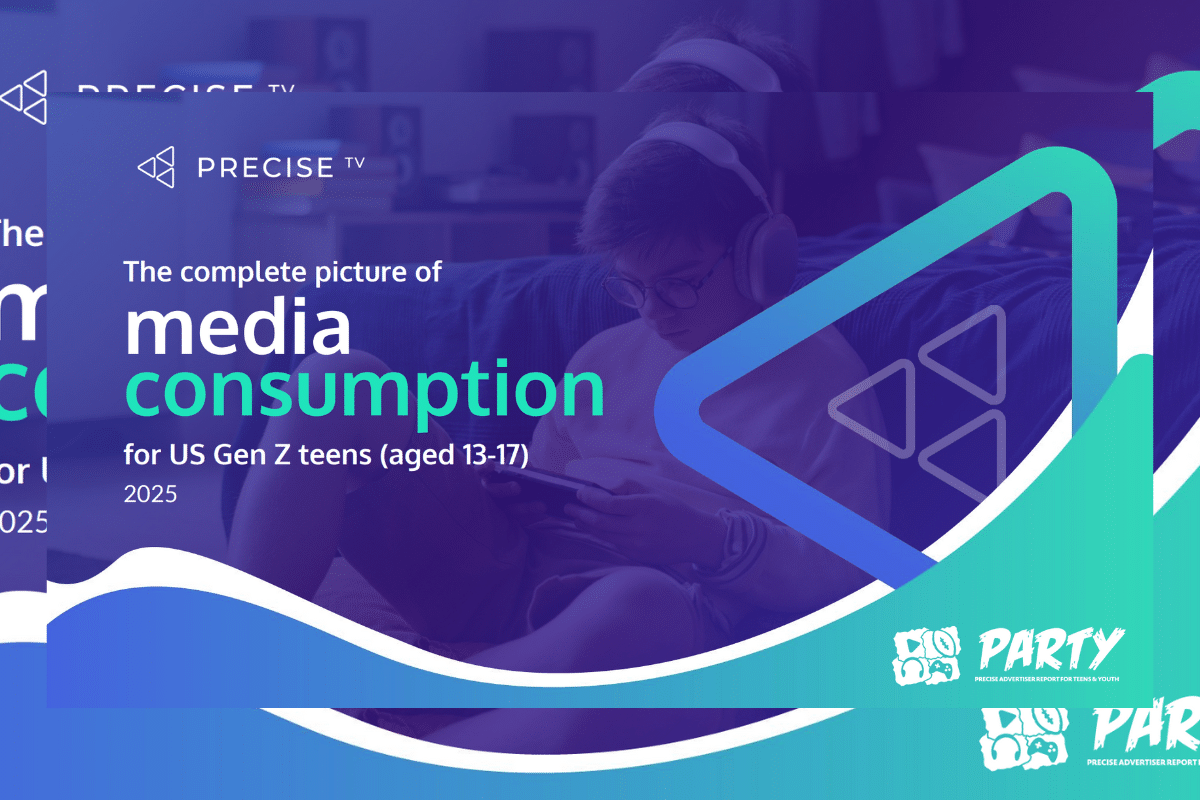
New research from video ad tech platform Precise TV reveals fresh opportunities for content creators and marketers targeting Gen Z, with implications for monetization and campaign timing. The 2025 “PARTY (Precise Advertiser Report, Teens & Youth)” survey, which included 1,000 American teens aged 13-17 and their parents, uncovers three interconnected trends that demand attention from creator economy professionals.
YouTube Shorts Drives Higher Purchase Conversion Than Competitors
The data shows teen engagement with short-form video advertising is significant, with 60% of boys and 55% of girls watching YouTube Shorts ads. More importantly, these views convert to purchases at higher rates than competing platforms. According to the report, 51% of teen boys report making purchases after watching YouTube Shorts ads compared to just 44% for TikTok ads. Similarly, 43% of teenage girls report making purchases following YouTube Shorts ads, versus 41% after TikTok ads.
This conversion advantage appears to stem from YouTube’s established credibility as a platform for product discovery. The report indicates that overall, 18% of teens discovered products they requested from parents through YouTube, the highest rate of any platform surveyed.
The viewing statistics supporting this opportunity include:
66% of teens regularly watch YouTube Shorts
89% watch Shorts alone
23% co-view Shorts content with parents
18% of teens report watching Shorts for 1.5+ hours daily
For creators, these metrics suggest that short-form video on YouTube may offer stronger monetization potential through affiliate marketing, product placements, and sponsored content, particularly in categories where teens influence family purchasing decisions.
The Household Influence Multiplier
Beyond personal purchases, the research reveals that teens exert substantial influence over family purchasing decisions across a wide spectrum of categories:
Clothing/shoes (61%)
Food/beverages (53%)
Entertainment choices (51%)
Restaurant selection (45%)
Family games (40%)
Electronics (38%)
Vacation planning (37%)
Attractions/days out (35%)
Beauty/cosmetics (30%)
Big-ticket purchases (15%)
This extensive influence creates a “household influence multiplier” effect. Content that resonates with teens can indirectly access the much larger family spending pool across multiple categories, extending far beyond products specifically marketed to teenagers.
This finding directly connects to the platform data, as parents confirm YouTube’s influence, with 38% reporting that YouTube advertisements influenced their teens’ recent purchases. This creates significant opportunities for category-specific content strategies:
For food/beverage content: Focus on how teens can influence family meal planning and grocery shopping
For electronics/tech: Create content that helps teens make informed recommendations to parents
For travel/experiences: Develop content showcasing family-friendly destinations that appeal to teen interests
The co-viewing data reinforces these opportunities, with 47% of parents watching content with their teens several times a week and 25% doing so daily, predominantly on YouTube (61% of co-viewing occurs on the platform).
Rethinking Holiday Marketing Timelines
The report challenges traditional holiday marketing calendars with fresh data on when families begin their holiday shopping process:
53% of parents begin holiday shopping for teens before October
36% of teens create wish lists at least three months before holidays
20% of teens start wish lists earlier than three months before the holidays
42% of parents plan to increase holiday spending on teens compared to 2024
This finding is directly connected to the teen influence data, as early wish list creation appears to have a significant impact on parental purchasing patterns. Creators who align content calendars with these early planning cycles can capture attention during the critical decision-making phase rather than merely the transaction phase.
The report suggests parents use YouTube for gift inspiration across multiple categories:
Hobbies (33%)
Tech devices (31%)
Video games (30%)
Beauty/personal care (30%)
For creators, this necessitates developing category-specific holiday content much earlier than traditionally assumed. Given these findings, an effective holiday content strategy might include:
July-August: Early trend spotting and category exploration content
August-September: Gift guides and product comparisons when wish lists are being formed
September-October: Specific product recommendation content when parents begin shopping
November-December: Last-minute gift ideas and availability updates
Metrics for Creator Impact
These three interconnected findings suggest that creators should adopt new measurement approaches to fully capture the economic impact of their content. Traditional engagement metrics, such as views, likes, and comments, fail to capture the full value chain created when content influences teen-driven family purchases across various platforms and categories.
As Precise TV notes, creators need to track conversion rates by platform, looking beyond basic engagement to identify which specific platforms drive the highest purchase conversion rates for sponsored content. The significant gap between YouTube Shorts (51% boys, 43% girls) and TikTok (44% boys, 41% girls) demonstrates how platform-specific conversion tracking can reveal hidden monetization opportunities that engagement metrics alone might miss.
Category influence metrics represent another crucial measurement evolution. Different purchase categories offer varying degrees of teen influence, from clothing/shoes (61%) to big-ticket purchases (15%). Creators should develop tracking mechanisms that recognize how content influences these different purchase categories, prioritizing high-influence categories like food/beverages (53%), which offer a broader household impact.
The extended decision-making process for seasonal purchases, particularly holiday gifts, necessitates adjusting attribution windows accordingly. With 53% of parents starting their holiday shopping before October and 36% of teens creating wish lists at least three months before the holidays, creators can expand campaign measurement timeframes to capture the full impact of early-season content on eventual purchasing decisions.
Finally, co-viewing value assessment offers a unique measurement opportunity. Creators should quantify the incremental value of content that successfully engages both teens and parents simultaneously, leveraging teens who co-view with parents. This dual-audience content may generate significantly higher conversion rates by influencing both the advocate (teen) and decision-maker (parent) simultaneously, creating immediate purchase opportunities that bypass the typical influence cycle.
All images are credited to Precise TV. Get the full report here.
Dragomir is a Serbian freelance blog writer and translator. He is passionate about covering insightful stories and exploring topics such as influencer marketing, the creator economy, technology, business, and cyber fraud.














New research from video ad tech platform Precise TV reveals fresh opportunities for content creators and marketers targeting Gen Z, with implications for monetization and campaign timing. The 2025 “PARTY (Precise Advertiser Report, Teens & Youth)” survey, which included 1,000 American teens aged 13-17 and their parents, uncovers three interconnected trends that demand attention from creator economy professionals.
YouTube Shorts Drives Higher Purchase Conversion Than Competitors
The data shows teen engagement with short-form video advertising is significant, with 60% of boys and 55% of girls watching YouTube Shorts ads. More importantly, these views convert to purchases at higher rates than competing platforms. According to the report, 51% of teen boys report making purchases after watching YouTube Shorts ads compared to just 44% for TikTok ads. Similarly, 43% of teenage girls report making purchases following YouTube Shorts ads, versus 41% after TikTok ads.
This conversion advantage appears to stem from YouTube’s established credibility as a platform for product discovery. The report indicates that overall, 18% of teens discovered products they requested from parents through YouTube, the highest rate of any platform surveyed.
The viewing statistics supporting this opportunity include:
For creators, these metrics suggest that short-form video on YouTube may offer stronger monetization potential through affiliate marketing, product placements, and sponsored content, particularly in categories where teens influence family purchasing decisions.
The Household Influence Multiplier
Beyond personal purchases, the research reveals that teens exert substantial influence over family purchasing decisions across a wide spectrum of categories:
This extensive influence creates a “household influence multiplier” effect. Content that resonates with teens can indirectly access the much larger family spending pool across multiple categories, extending far beyond products specifically marketed to teenagers.
This finding directly connects to the platform data, as parents confirm YouTube’s influence, with 38% reporting that YouTube advertisements influenced their teens’ recent purchases. This creates significant opportunities for category-specific content strategies:
The co-viewing data reinforces these opportunities, with 47% of parents watching content with their teens several times a week and 25% doing so daily, predominantly on YouTube (61% of co-viewing occurs on the platform).
Rethinking Holiday Marketing Timelines
The report challenges traditional holiday marketing calendars with fresh data on when families begin their holiday shopping process:
This finding is directly connected to the teen influence data, as early wish list creation appears to have a significant impact on parental purchasing patterns. Creators who align content calendars with these early planning cycles can capture attention during the critical decision-making phase rather than merely the transaction phase.
The report suggests parents use YouTube for gift inspiration across multiple categories:
For creators, this necessitates developing category-specific holiday content much earlier than traditionally assumed. Given these findings, an effective holiday content strategy might include:
Metrics for Creator Impact
These three interconnected findings suggest that creators should adopt new measurement approaches to fully capture the economic impact of their content. Traditional engagement metrics, such as views, likes, and comments, fail to capture the full value chain created when content influences teen-driven family purchases across various platforms and categories.
As Precise TV notes, creators need to track conversion rates by platform, looking beyond basic engagement to identify which specific platforms drive the highest purchase conversion rates for sponsored content. The significant gap between YouTube Shorts (51% boys, 43% girls) and TikTok (44% boys, 41% girls) demonstrates how platform-specific conversion tracking can reveal hidden monetization opportunities that engagement metrics alone might miss.
Category influence metrics represent another crucial measurement evolution. Different purchase categories offer varying degrees of teen influence, from clothing/shoes (61%) to big-ticket purchases (15%). Creators should develop tracking mechanisms that recognize how content influences these different purchase categories, prioritizing high-influence categories like food/beverages (53%), which offer a broader household impact.
The extended decision-making process for seasonal purchases, particularly holiday gifts, necessitates adjusting attribution windows accordingly. With 53% of parents starting their holiday shopping before October and 36% of teens creating wish lists at least three months before the holidays, creators can expand campaign measurement timeframes to capture the full impact of early-season content on eventual purchasing decisions.
Finally, co-viewing value assessment offers a unique measurement opportunity. Creators should quantify the incremental value of content that successfully engages both teens and parents simultaneously, leveraging teens who co-view with parents. This dual-audience content may generate significantly higher conversion rates by influencing both the advocate (teen) and decision-maker (parent) simultaneously, creating immediate purchase opportunities that bypass the typical influence cycle.
All images are credited to Precise TV.
Get the full report here.
Subscribe to Our Newsletter
Check Out Our Podcast