




Platform
YouTube Caught AI Enhancing Shorts Without Creator Consent, Promises Opt-Out After Backlash

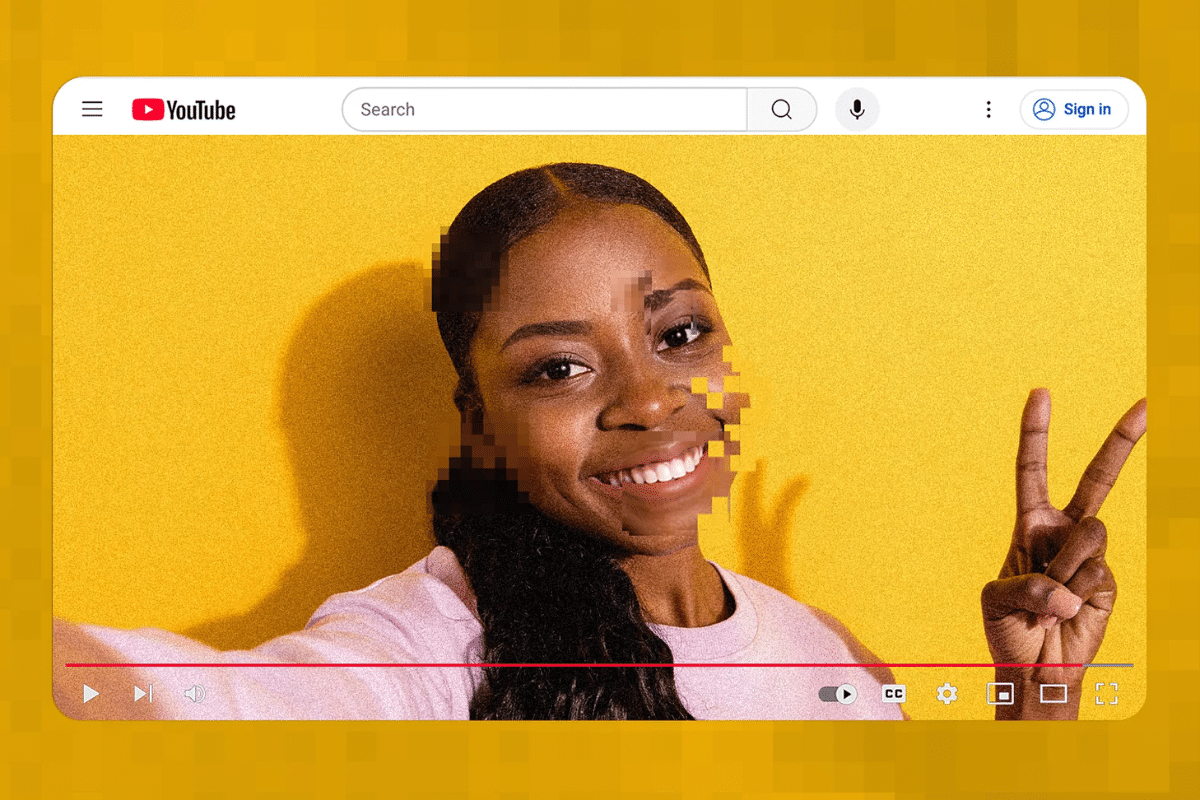
YouTube has admitted to using machine learning to enhance creators’ Shorts videos without their knowledge or consent, following weeks of mounting criticism from content creators. The controversy began when musician and YouTuber Rick Beato noticed unusual changes to a clip of his interview with Pearl Jam guitarist Mike McCready on YouTube Shorts.
“I was like, ‘man, my hair looks strange’,” Beato told the BBC. “And the closer I looked, it almost seemed like I was wearing makeup.” Initially questioning whether he was imagining things, Beato discovered his videos had been subtly altered.
Fellow music YouTuber Rhett Shull investigated his own content and found similar artifacts. “If I wanted this terrible over-sharpening, I would have done it myself,” Shull said. “I think that deeply misrepresents me and what I do and my voice on the internet.”
YouTube’s Response and Rationale
After complaints dating back to at least June, YouTube finally acknowledged the alterations. “We’re running an experiment on select YouTube Shorts that uses traditional machine learning technology to unblur, denoise and improve clarity in videos during processing,” explained Rene Ritchie, YouTube’s Head of Editorial and Creator Liaison, in a post on X.
YouTube likened these enhancements to computational photography used in smartphones, suggesting the changes were meant to improve the scrolling experience by making videos clearer and more visually consistent. However, the platform’s decision to implement these changes without notification has raised concerns about creative ownership.
Following the backlash, YouTube has committed to building an opt-out feature, though no timeline has been provided. This controversy emerges amid broader concerns about AI and consent in the creator economy, including recent revelations about Google using YouTube videos to train its AI models without providing creators an opt-out option.
Samuel Woolley, the Dietrich Chair of Disinformation Studies at the University of Pittsburgh, highlighted the fundamental difference between smartphone enhancements and YouTube’s approach: “You can make decisions about what you want your phone to do, and whether to turn on certain features. What we have here is a company manipulating content from leading users that is then being distributed to a public audience without the consent of the people who produce the videos.”
Subscribe to Our Newsletter
Check Out Our Podcast