Whitelisting and creator-originated paid media are increasingly positioned as the performance layer of the Creator Economy. By allowing brands to run ads directly through a creator’s handle on platforms such as TikTok (Spark Ads) and Instagram (Partnership Ads), campaigns retain the native feel and trust of influencer content while unlocking the targeting, measurement, and scale of paid media.
The budget shift reflects that momentum. In 2026, more than half of brands plan to increase creator investment, with whitelisting emerging as a core tactic. Recent research found that 100% of surveyed enterprise marketers plan to use content beyond creators’ own handles, 81% said it outperforms brand-created assets, and paid social (94%) now leads distribution channels.
As this hybrid model moves from experimentation to operational priority, the focus is shifting from proving effectiveness to executing at scale.
To discover where operational strain may surface, we asked 36 agency leaders, talent managers, and technology operators a central question: What’s the biggest operational or technical friction you’re encountering as brands shift spend toward creator-originated ads, and how are you solving it?
The biggest friction is that creator-originated ads are still being operated on infrastructure built for brand-originated media. Whitelisting and Spark Ads unlock performance, but they introduce complexity around permissions, account access, data ownership, creative iteration, and revenue attribution. Operationally, the tension sits between speed and governance. Brands want to move fast, creators want control over their channels, and legal and finance teams want clean tracking and compliance. When those layers are not aligned, scale breaks. The solution is building repeatable systems, not one-off workarounds. Clear usage rights upfront, shared dashboards, predefined iteration cycles, and payout logic that reflects performance incentives. Treat creator ads as a joint operating model, not a tactical add-on. When the operational backbone is clean, whitelisting stops being a hack for better CPMs and becomes a scalable performance engine.
The biggest friction isn’t technical. It’s control. As brands shift spend into creator-originated ads, many still approach the work like traditional production. Long decks. Heavy scripting. Multiple approval layers for a 30-second asset. Creator ads outperform because they feel native. But when brands over-direct, they strip out the very thing that drives engagement: the creator’s instinct. We regularly see brands hand over 30 to 40 page briefs for short-form content. The result is polished, compliant content that underperforms because it no longer sounds or feels like the creator. Creators understand their pacing, tone, hooks, and audience behavior better than any brand deck ever will. The way we solve this is simple: Align on outcomes, not scripts. Set guardrails, not storyboards. Approve key messages, not dialogue. Move fast with tight feedback loops. When brands shift from control to collaboration, performance improves, production speeds up, and the content actually works.
I honestly think creators and talent managers need to be less precious about whitelisting and paid usage when the structure actually benefits both sides. What we’re seeing right now is that boosted content, especially when it’s tied to an influencer’s handle but run as a dark ad, consistently performs better than organic alone. It gives the brand better targeting, better scale, and often better conversion, while still leveraging the creator’s voice and credibility. The issue isn’t that brands should take advantage of creators. It’s that too many negotiations are framed defensively instead of strategically. If the goal is performance, then we should be asking how to build the strongest campaign together, not how to restrict distribution out of fear. When structured properly with clear timelines, fair compensation, and defined parameters, whitelisting and paid amplification are not threats. They’re tools. The creators who understand that are the ones building longer, more scalable partnerships instead of one-off posts.
We are seeing a shift where creators with real audiences and hard-earned reputations are being treated as UGC creators. Their rates are being pushed down while brands and agencies hide the paid media budget behind the campaigns. In traditional media, talent is compensated based on the media spend behind their work. In the Creator Economy, that spend is hidden from the talent. Creators and managers must guess what to charge, while their name, likeness, and audience are used to fuel paid ads. Platforms now benefit from this budget, in a world where creators are already not being paid for their organic views. It is not sustainable for creators who bring the eyeballs to the platform yet make nothing from it, and are now told that whitelisting without transparency is good exposure.
The biggest friction is not creative. It is governance at paid media speed. When brands move into whitelisting or Spark Ads, they are no longer just sponsoring a post. They are attaching paid budget and brand liability to a creator’s broader presence. A profile that looks safe during onboarding can shift once ads are live. New posts appear. Old content resurfaces. Comment sections evolve. Tone can change during amplification. Operationally, ownership is fragmented. Creators control accounts. Agencies manage media buying. Brands carry the reputational risk. There is rarely a unified, real-time view once content turns into paid media. The real tension is speed versus control. Paid teams want to launch quickly. Legal and brand safety need structure and oversight. The solution is continuous monitoring, post-level visibility during amplification, and clear audit trails so brands can respond quickly if risk shifts after launch.
One of the biggest operational frictions is ensuring creator content meets paid media production standards from the start. As brands shift toward whitelisting and Spark Ads, they expect creator content to perform like professionally produced ad creative, often in 4K and formatted precisely for paid distribution. The challenge is that many creators are used to shooting for organic performance, not paid amplification. Small technical missteps like incorrect aspect ratios, framing, lighting, audio quality, or exporting settings can lead to reshoots and delays. We’re solving this by proactively educating talent before filming begins. We provide clear technical specifications, platform-specific requirements, and brand expectations upfront. We also review briefs in detail with creators to align on framing, hooks, and deliverables before they ever press record. That front-end alignment significantly reduces friction, avoids costly reshoots, and ensures the content is built for both organic and paid success from day one.
I’d say budget variables are the biggest hurdle to navigate. This addition to the campaign means a 10%-30% premium for the media rights, depending on the creator, and the time period that the content is available for paid media usage. This variableness means even more coordination between brand, agency, and the creator’s team to work out the additional details and can often be on a case-by-case basis, meaning even longer turnaround times. The solve? Be organized and upfront with both the brand and creator.
Biggest friction was setup time. On Meta whitelisting, the ad itself is rarely the problem, it’s the back and forth to get permissions done. Brands need the right access, creators need to approve it correctly, and one small mismatch turns into days of delays. Then launch dates slip, testing slows down, and everyone’s stuck chasing screenshots in DMs. We fixed it by turning whitelisting into a built-in workflow inside our platform. Brands request access in one place, creators approve it with clear steps, and we track status so you can see what’s pending without bugging people. We also standardize what info we collect up front (handles, page access, ad account details) so you don’t get hit with “wait, wrong account” halfway through.
The biggest friction? The communication breakdown between paid media teams, influencer teams, and creators. Everyone’s operating in silos, which creates chaos when you’re trying to get creator ads live. At Creator Match, we’ve become the central touchpoint that connects all these groups. We offer step-by-step support for the whitelisting process on each platform – who needs access, when, and how to troubleshoot the inevitable issues. Most importantly, we have to stay constantly up to date because LinkedIn, Meta, and TikTok love changing their processes. What worked last month might be completely different today. We also proactively track and renew usage rights before they expire. Nothing kills momentum faster than pulled creative because permissions lapsed. It’s not sexy work, but fixing these operational pain points is what actually moves the needle for brands.
There is no industry framework that makes licensing usage rights for creator-originated ads effective, performance-linked, and fair – for either side. Brands buy blanket rights upfront regardless of performance. Creators get flat fees whether their content reaches 10,000 or 10 million people. The result is overspend on one side and undervaluation on the other – with no infrastructure connecting rights to what actually happens in market, and true performance data.
TrueRights has built licensing technology that changes this. Performance-tied rights – usage rights linked directly to delivery. Brands only pay for the exposure they actually get. Creators are compensated fairly for the performance they genuinely drive. Optimized rights purchasing – no more over-buying broad rights packages. Purchase exactly what you need across the specific digital placements you’re running – whitelisted ads, Spark Ads, paid social, programmatic. Fair value exchange – transparent, real-time licensing ensuring talent are paid proportionally to impact and advertisers aren’t wasting budget on unused rights. When you’re whitelisting and spark-adding at scale, knowing exactly what media you can run, where, and what it should cost isn’t a nice-to-have. It’s infrastructure. That’s what we’ve built.
The biggest friction we encounter at Two West is unapproved edits to creator content once it’s handed off for paid amplification. Brands or their media buyers sometimes run cutdowns or variations that weren’t part of the original approval, and in some cases aren’t even permitted under the agreement. It’s less about bad intent and more about the reality of running paid campaigns at scale, where tracking what was actually approved gets lost in the shuffle. The result is clients seeing ads of themselves they never approved or fans sending them versions they didn’t know existed. On our end, we push to build protections into every deal: explicit approval rights on all ad variations, no cutdowns without written consent, and mandatory raw file requests so content isn’t ripped from social at lower quality. But the broader operational challenge remains. Every platform has a different permissions workflow with no centralized system, so managing access and revoking permissions is still manual and reactive.
The biggest friction is that standard whitelisting only offers demographic targeting to creator followers. These are still cold audiences without purchase intent data. We solve this with our advanced whitelisting workflow by building a full-fledged e-commerce infrastructure, part of our monetization ecosystem. When creators have their socials’ tracking pixels installed on their own platforms, they’re also building behavioral audiences, like product page visits, cart adds, checkout initiations, and purchases. Now, when brands run whitelisted ads from the creator’s handle, pixel access would be shared so they can layer behavioral filters on top of demographics. For example, not just women 18-35 in the U.S., but women 18-35 in the U.S. who added products to cart in the last 14 days. The operational friction isn’t technical – it’s getting creators to invest in business infrastructure, allowing them to 2-4x brand deals, and creating new revenue streams through direct-to-audience monetization, which will generate the data making it possible in the first place.
From the talent management side, the biggest friction is brands treating whitelisting as unlimited usage instead of paid media built on a creator’s likeness, trust, and ad account access. Creator-originated ads carry real value and risk, and deals break when brands push for perpetual or open-ended rights. We solve this by pricing usage intentionally with defined windows, platforms, and spend caps so expectations are aligned before campaigns go live. From the marketing agency side, the friction is balancing speed with discipline. Brands want to test quickly, but without structure that often leads to overspending before performance is proven. Our role is to negotiate test-friendly terms, secure efficient usage, and design controlled paid experiments. Once we identify which creator videos actually perform, we help brands double down with confidence instead of burning budget on unproven creative.
Honestly, the biggest friction we’re seeing isn’t creative quality. It’s the operational layer behind it. When brands move budget into whitelisting or Spark Ads, the first thing that breaks is permissions. Getting creators to correctly grant ad access inside Meta or TikTok sounds simple, but at scale it becomes messy fast. Wrong ad accounts, expired access, missing IDs. We’ve solved a lot of that with really clear step-by-step Looms and an ops function that handles setup before the content ever goes live. The second friction point is asset management. Content gets lost across emails, DMs, Google Drive. Paid teams can’t move quickly if they’re hunting for files. So we treat creator content like a production pipeline, with structured collection and naming conventions.
One issue we see often is misalignment between the influencer team and the paid media team. Creative that performs well organically doesn’t always translate to paid without adjustments for hook timing, pacing, structure – or even the deadline of when the asset itself is needed. We try to solve for these gaps in a couple different ways. One option is to build editing rights into contracts so that the paid team can cut the raw, creator-made footage into optimized ad units. The other option is to treat organic and paid content requests as distinctly different scopes. We brief talent to create one asset designed for their feed and an additional version built specifically for paid amplification. There’s a real need for communication and trust in this process. The creator themselves and the influencer team managing the campaign are going to know what will work best for social feeds from an organic POV. The paid team is going to have a wealth of knowledge and data regarding what works best for their ads. Rather than pit these teams against each other, it’s important to come together to create a campaign that can satisfy all goals.
From our experience working with established brands in the Philippines, the biggest friction with whitelisting and creator-originated ads is actually operational alignment and clarity. Campaigns require tighter coordination across creators, brands, and media teams, especially around access permissions, usage rights, and performance expectations. We address this by prioritizing clear contractual terms, creator education, and structured onboarding before campaigns begin. When creators understand how their content will be amplified through paid media, execution becomes smoother and results improve. The technical tools exist, but the real work is building trust and process discipline. As more brands shift toward creator-led media, success will depend not just on media buying capability, but on having strong creator relationships and governance frameworks in place.
The biggest friction in whitelisting campaigns is operational alignment between brands, creators, and agencies – especially around access permissions, content approvals, and compliance with platform policies. Many creators are unfamiliar with Meta or TikTok whitelisting setup, which slows timelines, and brands often underestimate the legal and contractual nuances around usage rights, paid media spend, and regional ad regulations. At Clicks Talent, we solve this by standardizing onboarding workflows, pre-approved contract clauses for usage rights, and clear step-by-step creator guides for account access and Spark Ads setup. We also assign a campaign manager to coordinate between all parties and ensure approvals happen quickly. The result is faster launches, fewer compliance issues, and better performance because ads stay authentic while remaining fully controlled and measurable for the brand.
The biggest friction is strategic misalignment from the start. Most brands treat whitelisting as an afterthought. They’ll secure boosting rights almost as a checkbox, then never actually deploy them. The results are paid budgets that go nowhere and organic content that underperforms because it was never built with amplification in mind. When you know content is going to be boosted, the creative has to be conceived a little differently. Hook structure, CTA placement, pacing, all of it changes when paid distribution is part of the plan from day one. What we’ve done is bake boosting strategy into creator campaigns at the briefing stage. Before anything goes out, we’re mapping which content will be whitelisted, against what audience, and toward what objective. The brands see the strongest ROI when they stop treating boosting as a media buy and start treating it as a creative decision.
Since creator-originated ads are an emerging space many traditional influencer agreements lack clear language on whitelisting rights and term length. The best way to combat this is going into your engagement with the creator with clear expectations on where you plan to use the content, and for how long. Negotiating this up front reduces friction later on of getting access, ensuring the creator doesn’t turn off access mid-run, and allows for a better cost-per-asset when negotiated upfront. minisocial includes whitelisting/Spark Code access in all micro-influencer projects to ensure brands are covered from the start.
The biggest friction isn’t creative or permissions – it’s that most brands have no idea how much revenue creator campaigns are actually driving because their tracking is broken on mobile. Creator ad traffic is overwhelmingly mobile, where iOS App Tracking Transparency, Safari’s cookie restrictions, ad blockers, and now iOS is stripping unique click identifiers which are compounding signal loss. Brands still relying on client-side pixels are flying blind – campaigns that perform well look like they’re failing. We built an in-house attribution layer that bypasses browser signal loss entirely. For one client, our system improved add-to-cart tracking by over 250% in the first week – not because performance changed, but because we could finally see it. Over 750 add-to-carts, 5%+ CTR, and attributable revenue that was previously invisible. At Virality Boost, we own the attribution layer. We’re also building additional tools to help brands leverage their own campaign data to maximize influencer ROI. More soon.
From a talent representation standpoint, the biggest friction with creator-originated ads is the lack of transparency and control once content moves into paid media. Performance data, especially lower-funnel metrics like CPA and ROAS, lives inside the brand’s ad account, so creators are often evaluated (or asked for makegoods) based on results they don’t have visibility into and can’t directly influence. Media buying strategy, targeting, budget allocation, and optimization play a major role in outcomes, yet that context isn’t always shared. There’s also operational friction around paid usage compliance. While contracts define duration windows, there’s no automated system for talent reps to monitor when ads go live or are turned off, which can lead to ads running beyond their contracted duration. To address this, we’re tightening contract language, requiring reporting transparency, and setting clearer performance accountability standards upfront.
When you start to scale your creator marketing efforts you may be managing relationships with dozens of creators and have hundreds of pieces of content. Finding the right ones and knowing if you have usage rights for those assets is sometimes a daunting task. At partnrup.ai we’re working hard to assign usage expiration dates to all pieces of content and providing in-app ways to request and accept Spark Codes on TikTok to streamline this process for brands. With a few clicks you should have everything you need to start running media and optimizing your campaigns.
I’ve worked in advertising and content for 15 years so far. Here’s the biggest thing that we have to solve daily: most brands are not shifting their budgets towards influencers fast enough to keep up with shifting consumer perception. Across performance marketing, standard ads are increasing in cost, integrating influencer to aid (not replace) is essential. This is no longer the era of dipping toes and tests. Brands not approaching influencer selection, costs and deployment with the operational maturity that now exists is a massive cause of campaign failure. We solve this by heavily educating and involving our brands who are new to Influencer Marketing. But where we are really driving brands forward is by fully integrating influencers; we execute 360°-campaigns with content creation, UGC, influencer, paid media (PPC + social & OOH) – working with in-house teams to properly integrate. From organic to ads, landing pages and even email.
As brands shift into creator-originated ads, the biggest friction isn’t creative quality, it’s operational scale. Managing usage rights, ad permissions, creator onboarding, and asset delivery across dozens (if not hundreds) of creators quickly becomes messy. Internal teams lose visibility into what’s live, what’s approved, what can be reused, and ultimately what is working and what they need more of to fuel their ad account. The way Superfiliate is solving this is by systematizing the workflow. We centralize contracting and usage terms upfront, utilize one-click permissions, and use structured briefs so assets are launch-ready the moment access is granted. On the paid side, we treat creator ads as an engine, not one-off collaborations. That means clear asset tracking, and rapid launch cycles so weak ads get filtered and winners scale. The brands that win aren’t just finding better creators. They’re building infrastructure that makes creator ads easy to deploy at insanely high volumes.
The biggest friction has historically been creator onboarding into paid ecosystems – connecting to Meta Ads, exchanging Business Manager IDs, and managing permissions at scale. It’s not strategically complex, but it becomes operationally heavy when running high-volume creator-originated ad programs. The infrastructure hasn’t always kept pace with the strategy. Newer solutions like Superfiliate’s Meta Ads integration are reducing that friction through one-click authentication and in-platform, real-time reporting. That visibility is critical. When influencer and paid teams share data and KPIs, creator-originated ads shift from an add-on tactic to a scalable performance channel. In 2026, operational alignment will be the differentiator. Separately, “usage fees” shouldn’t be a primary barrier. Usage rights can – and should – be structured into initial negotiations. When managed correctly, they’re a standard line item, not a friction point. The real challenge isn’t creator willingness. It’s systems and internal alignment, and both are solvable.
Spark Code management is the bottleneck no one talks about enough. Collecting codes, tracking authorization windows, catching expirations before your best-performing ads go dark – it’s all manual, living in email threads and spreadsheets. When you’re running 20+ creator partnerships, something always slips. We started using InfluenceFlow recently and honestly can’t believe how well it solves for this. It centralizes the entire Spark Code workflow – collection, real-time authorization tracking, expiration alerts, and performance reporting for whitelisted content – all in one place. It’s taken a process that used to eat hours every week and turned it into something we barely have to think about.
The main challenge in scaling creator-led media isn’t the content but the operational complexity. Managing five creators on one platform is straightforward, but it becomes a logistical challenge with 50 across multiple platforms. Most tools are designed for individual influencers rather than enterprise-level coordination, leading to issues with account connectivity, integration, and consistent measurement. At Whalar, we address this by centralizing permission oversight, aligning audiences and tracking, and optimizing creator content as precisely as any paid media strategy. Our measurement framework consolidates performance data to link real business outcomes with structured attribution, allowing brands to compare creator-led media performance against other paid channels and demonstrate measurable impact at scale.
As brands continue shifting spend toward creator-originated ads, we’re running into a fundamental friction: most of this content was not designed for paid distribution. Creator content often performs very well in organic environments, where the audience already understands who the creator is or has some baseline familiarity with the brand. But when that same content is distributed to cold audiences, it’s suddenly expected to do a very different job: introduce, contextualize, and persuade, all at once. Without clear brand cues, structured messaging, or early value propositions, it lacks the scaffolding needed to convert net-new users. The solution isn’t optimizing it after the fact, it’s involving paid media strategy earlier in the process. By collaborating with creators upfront, brands can preserve authenticity while building in the signals required for performance at scale beyond warm audiences.
Brands are right to shift spend toward creator-originated ads – we consistently see stronger performance across the funnel regardless of optimization. People are more likely to engage with or act on recommendations when they’re delivered by other people, not brands. The greatest challenge I’m seeing is around creator fees for whitelisting usage. Influencers typically charge by the month and often add a premium for whitelisting access. At the same time, brand paid media flights rarely run for months-on-end concurrently. That disconnect creates inefficiency and unnecessary cost pressure. Savvy brands are solving this by negotiating non-concurrent usage terms. This allows them to respect the usage duration agreed upon, while allowing flexibility across seasonal or planned media windows. The tradeoff is that it requires tighter communication and meticulous tracking of paid usage to ensure contracts are honored. As creator ads become core to media strategy, operational precision matters just as much as creative.
Two major challenges stand out. First is creator quality. The space is largely driven by smaller creators who are still developing their production skills and performance mindset, and many treat it as side income. That often leads to inconsistent output. We tackle this by coaching emerging talent, educating them on what high-performing content truly looks like – from structure to delivery and conversion mechanics. Creators who consistently meet our standards are flagged as top performers and prioritized for long-term partnerships. Second is scaling production. When strong creators are limited, scaling assets without sacrificing performance is difficult. Our solution is modular production: we break each video into components and have the same creator record multiple variations. This allows us to test combinations while keeping variables controlled. By isolating variables and testing methodically, we generate meaningful data to pinpoint the strong and weak elements, and scale what actually works.
As brands scale creator-originated ads, the biggest friction isn’t creative, it’s infrastructure. Running Spark Ads or whitelisted ads across dozens or hundreds of creators quickly becomes operationally complex. Managing permissions, Business Manager access, expired Spark Codes, usage rights, and disclosure compliance creates bottlenecks that slow down what should be a performance channel. The second challenge is fragmentation. Organic performance sits in one place, paid performance in another. Media teams optimize against ROAS, influencer teams optimize against engagement, and no one has a unified view of which creators and creative patterns are truly driving incremental impact. We solve this by treating influencer and paid as one system. Our platform automates permissions and asset tracking, connects organic content directly into paid workflows, and layers performance intelligence on top. Every asset is screened for hook structure, pacing, and trend signals, so learnings from one wave of creator ads directly improve the next.
The biggest friction brands face is producing the volume of diverse Partnership Ads needed to scale on Meta. Most brands need 50-100 fresh creatives every month but can’t justify paying influencer fees upfront before knowing what performs. We solve this by building Instagram creator communities that function as an ad-creative supply chain. We recruit influencers to produce affiliate content on pure performance, no upfront fees. Each community generates 300-500 organic videos monthly. We use affiliate and engagement data to identify what’s working, then funnel the top 50+ videos into the ad account as Partnership Ads. Once affiliate revenue offsets the community investment, you have a self-funding creative engine producing high-volume, diverse Partnership Ads at net zero cost.
A common friction point we encounter is the technical learning curve from creators, particularly on Meta, where the back-end authorization and process can be different depending upon how the post originally goes live. To avoid technical delays (especially under tight deadlines), we take a proactive approach by providing platform-specific, step-by-step guides (Meta, TikTok, LinkedIn, etc) along with clear workflows for each platform’s tools. This has helped ensure proper permissions and full FTC (Federal Trade Commission) compliance from the start.
Working with creators and specifically with whitelisting and Spark Ads introduces dependencies that sit entirely outside your control. Unlike normal campaign setup where you’re able to gather all your resources and then build towards launch, every step of this process requires coordination across teams and partners that are working at different speeds and with very different priorities. The only way I’ve found to work through that is working around it by overexplaining everything. Tighter briefing documents, earlier access requests than you think you need, and check-ins that double as relationship touchpoints. You learn to pad timelines intelligently and, as much as possible, have contingency plans ready for the launches that may need a little more runway. The reality is that operational discipline on the brand and agency side carries a lot of weight in making these formats work. Navigating that complexity effectively has become one of the more underrated skills in paid social.
The biggest constraint in creator-originated ads is understanding where the workflow of the influencer marketer and the paid media buyer starts and ends. We built software that is a shared workspace between the influencer marketer and the paid media buyer, so that the creator can be discovered/contacted, briefed, deliver their assets, connect their ad account, and ultimately the buyer can put spend behind those final deliverables all in one place.
The biggest friction in creator-originated ads isn’t performance – it’s control. Brands assume creator ads will just work, but operational chaos kills scale: inconsistent permissions, vague usage rights, messy ad account structures, and creators protecting raw assets. We’ve seen high-performing TikTok videos stall because whitelisting access was delayed for days, missing the algorithmic momentum window. We’ve also seen blended campaign structures distort learning when creator handles weren’t isolated from brand ads, leading to misattributed ROAS and poor scaling decisions. Our solution is structural discipline. We lock usage rights (paid, cutdowns, cross-platform) upfront, require ad access before content goes live, and build dedicated campaign layers for creator-originated traffic to preserve clean data. We also negotiate raw file delivery to unlock iteration velocity for media buyers. Creator ads don’t fail because of creativity – they fail because of weak operational systems. When structure is tight, they outperform almost every other paid format.
Jonathan is a South African content creator, photographer and videographer with 25 years of experience in journalism and print media design. He is interested in new developments in AI content creation and covers a broad spectrum of topics within the creator economy.










Whitelisting and creator-originated paid media are increasingly positioned as the performance layer of the Creator Economy. By allowing brands to run ads directly through a creator’s handle on platforms such as TikTok (Spark Ads) and Instagram (Partnership Ads), campaigns retain the native feel and trust of influencer content while unlocking the targeting, measurement, and scale of paid media.
The budget shift reflects that momentum. In 2026, more than half of brands plan to increase creator investment, with whitelisting emerging as a core tactic. Recent research found that 100% of surveyed enterprise marketers plan to use content beyond creators’ own handles, 81% said it outperforms brand-created assets, and paid social (94%) now leads distribution channels.
As this hybrid model moves from experimentation to operational priority, the focus is shifting from proving effectiveness to executing at scale.
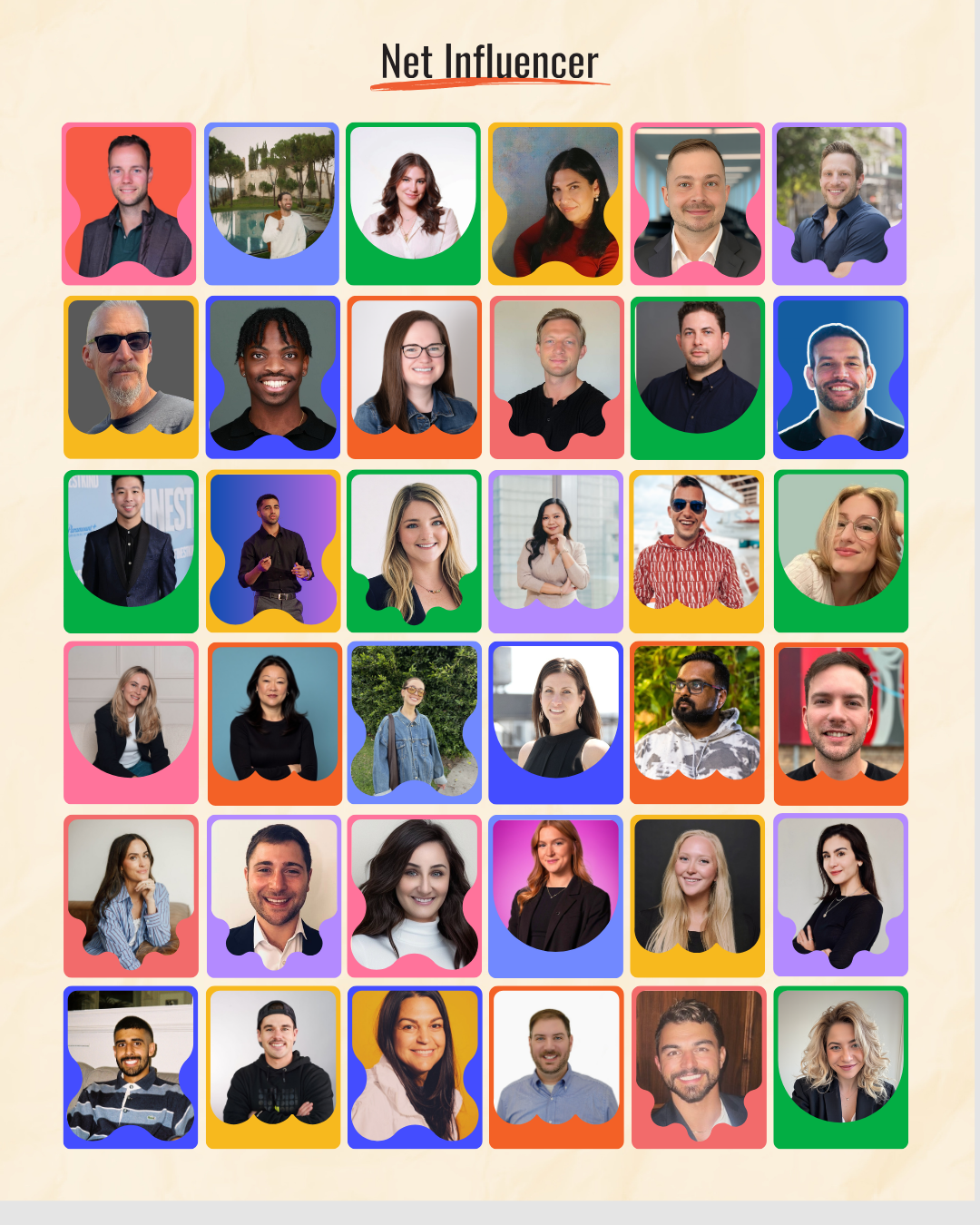
To discover where operational strain may surface, we asked 36 agency leaders, talent managers, and technology operators a central question: What’s the biggest operational or technical friction you’re encountering as brands shift spend toward creator-originated ads, and how are you solving it?
Tobias Hoss, Chief Business Officer, Lunar X
The biggest friction is that creator-originated ads are still being operated on infrastructure built for brand-originated media. Whitelisting and Spark Ads unlock performance, but they introduce complexity around permissions, account access, data ownership, creative iteration, and revenue attribution. Operationally, the tension sits between speed and governance. Brands want to move fast, creators want control over their channels, and legal and finance teams want clean tracking and compliance. When those layers are not aligned, scale breaks. The solution is building repeatable systems, not one-off workarounds. Clear usage rights upfront, shared dashboards, predefined iteration cycles, and payout logic that reflects performance incentives. Treat creator ads as a joint operating model, not a tactical add-on. When the operational backbone is clean, whitelisting stops being a hack for better CPMs and becomes a scalable performance engine.
Andrew Spalter, Founder & CEO, East Goes Global
The biggest friction isn’t technical. It’s control. As brands shift spend into creator-originated ads, many still approach the work like traditional production. Long decks. Heavy scripting. Multiple approval layers for a 30-second asset. Creator ads outperform because they feel native. But when brands over-direct, they strip out the very thing that drives engagement: the creator’s instinct. We regularly see brands hand over 30 to 40 page briefs for short-form content. The result is polished, compliant content that underperforms because it no longer sounds or feels like the creator. Creators understand their pacing, tone, hooks, and audience behavior better than any brand deck ever will. The way we solve this is simple: Align on outcomes, not scripts. Set guardrails, not storyboards. Approve key messages, not dialogue. Move fast with tight feedback loops. When brands shift from control to collaboration, performance improves, production speeds up, and the content actually works.
Gigi Robinson, Founder, Hosts of Influence®
I honestly think creators and talent managers need to be less precious about whitelisting and paid usage when the structure actually benefits both sides. What we’re seeing right now is that boosted content, especially when it’s tied to an influencer’s handle but run as a dark ad, consistently performs better than organic alone. It gives the brand better targeting, better scale, and often better conversion, while still leveraging the creator’s voice and credibility. The issue isn’t that brands should take advantage of creators. It’s that too many negotiations are framed defensively instead of strategically. If the goal is performance, then we should be asking how to build the strongest campaign together, not how to restrict distribution out of fear. When structured properly with clear timelines, fair compensation, and defined parameters, whitelisting and paid amplification are not threats. They’re tools. The creators who understand that are the ones building longer, more scalable partnerships instead of one-off posts.
Naomi Lennon, Founder & CEO, Global Talent Strategy
We are seeing a shift where creators with real audiences and hard-earned reputations are being treated as UGC creators. Their rates are being pushed down while brands and agencies hide the paid media budget behind the campaigns. In traditional media, talent is compensated based on the media spend behind their work. In the Creator Economy, that spend is hidden from the talent. Creators and managers must guess what to charge, while their name, likeness, and audience are used to fuel paid ads. Platforms now benefit from this budget, in a world where creators are already not being paid for their organic views. It is not sustainable for creators who bring the eyeballs to the platform yet make nothing from it, and are now told that whitelisting without transparency is good exposure.
Theo Ruzhynsky, Co-Founder, VwD
The biggest friction is not creative. It is governance at paid media speed. When brands move into whitelisting or Spark Ads, they are no longer just sponsoring a post. They are attaching paid budget and brand liability to a creator’s broader presence. A profile that looks safe during onboarding can shift once ads are live. New posts appear. Old content resurfaces. Comment sections evolve. Tone can change during amplification. Operationally, ownership is fragmented. Creators control accounts. Agencies manage media buying. Brands carry the reputational risk. There is rarely a unified, real-time view once content turns into paid media. The real tension is speed versus control. Paid teams want to launch quickly. Legal and brand safety need structure and oversight. The solution is continuous monitoring, post-level visibility during amplification, and clear audit trails so brands can respond quickly if risk shifts after launch.
Jake Rosen, CEO, Jake Rosen Entertainment
One of the biggest operational frictions is ensuring creator content meets paid media production standards from the start. As brands shift toward whitelisting and Spark Ads, they expect creator content to perform like professionally produced ad creative, often in 4K and formatted precisely for paid distribution. The challenge is that many creators are used to shooting for organic performance, not paid amplification. Small technical missteps like incorrect aspect ratios, framing, lighting, audio quality, or exporting settings can lead to reshoots and delays. We’re solving this by proactively educating talent before filming begins. We provide clear technical specifications, platform-specific requirements, and brand expectations upfront. We also review briefs in detail with creators to align on framing, hooks, and deliverables before they ever press record. That front-end alignment significantly reduces friction, avoids costly reshoots, and ensures the content is built for both organic and paid success from day one.
Keith Pape, CEO, YellowPike Media
I’d say budget variables are the biggest hurdle to navigate. This addition to the campaign means a 10%-30% premium for the media rights, depending on the creator, and the time period that the content is available for paid media usage. This variableness means even more coordination between brand, agency, and the creator’s team to work out the additional details and can often be on a case-by-case basis, meaning even longer turnaround times. The solve? Be organized and upfront with both the brand and creator.
Elijah Khasabo, Co-Founder, Vidovo
Biggest friction was setup time. On Meta whitelisting, the ad itself is rarely the problem, it’s the back and forth to get permissions done. Brands need the right access, creators need to approve it correctly, and one small mismatch turns into days of delays. Then launch dates slip, testing slows down, and everyone’s stuck chasing screenshots in DMs. We fixed it by turning whitelisting into a built-in workflow inside our platform. Brands request access in one place, creators approve it with clear steps, and we track status so you can see what’s pending without bugging people. We also standardize what info we collect up front (handles, page access, ad account details) so you don’t get hit with “wait, wrong account” halfway through.
Tara Knight, COO, Creator Match
The biggest friction? The communication breakdown between paid media teams, influencer teams, and creators. Everyone’s operating in silos, which creates chaos when you’re trying to get creator ads live. At Creator Match, we’ve become the central touchpoint that connects all these groups. We offer step-by-step support for the whitelisting process on each platform – who needs access, when, and how to troubleshoot the inevitable issues. Most importantly, we have to stay constantly up to date because LinkedIn, Meta, and TikTok love changing their processes. What worked last month might be completely different today. We also proactively track and renew usage rights before they expire. Nothing kills momentum faster than pulled creative because permissions lapsed. It’s not sexy work, but fixing these operational pain points is what actually moves the needle for brands.
Benjamin Woollams, Founder & CEO, TrueRights
There is no industry framework that makes licensing usage rights for creator-originated ads effective, performance-linked, and fair – for either side. Brands buy blanket rights upfront regardless of performance. Creators get flat fees whether their content reaches 10,000 or 10 million people. The result is overspend on one side and undervaluation on the other – with no infrastructure connecting rights to what actually happens in market, and true performance data.
TrueRights has built licensing technology that changes this. Performance-tied rights – usage rights linked directly to delivery. Brands only pay for the exposure they actually get. Creators are compensated fairly for the performance they genuinely drive. Optimized rights purchasing – no more over-buying broad rights packages. Purchase exactly what you need across the specific digital placements you’re running – whitelisted ads, Spark Ads, paid social, programmatic. Fair value exchange – transparent, real-time licensing ensuring talent are paid proportionally to impact and advertisers aren’t wasting budget on unused rights. When you’re whitelisting and spark-adding at scale, knowing exactly what media you can run, where, and what it should cost isn’t a nice-to-have. It’s infrastructure. That’s what we’ve built.
Adam Krasner, Founder & Talent Manager, Two West
The biggest friction we encounter at Two West is unapproved edits to creator content once it’s handed off for paid amplification. Brands or their media buyers sometimes run cutdowns or variations that weren’t part of the original approval, and in some cases aren’t even permitted under the agreement. It’s less about bad intent and more about the reality of running paid campaigns at scale, where tracking what was actually approved gets lost in the shuffle. The result is clients seeing ads of themselves they never approved or fans sending them versions they didn’t know existed. On our end, we push to build protections into every deal: explicit approval rights on all ad variations, no cutdowns without written consent, and mandatory raw file requests so content isn’t ripped from social at lower quality. But the broader operational challenge remains. Every platform has a different permissions workflow with no centralized system, so managing access and revoking permissions is still manual and reactive.
Daniel Caldas, Founder, Caldas Ecom
The biggest friction is that standard whitelisting only offers demographic targeting to creator followers. These are still cold audiences without purchase intent data. We solve this with our advanced whitelisting workflow by building a full-fledged e-commerce infrastructure, part of our monetization ecosystem. When creators have their socials’ tracking pixels installed on their own platforms, they’re also building behavioral audiences, like product page visits, cart adds, checkout initiations, and purchases. Now, when brands run whitelisted ads from the creator’s handle, pixel access would be shared so they can layer behavioral filters on top of demographics. For example, not just women 18-35 in the U.S., but women 18-35 in the U.S. who added products to cart in the last 14 days. The operational friction isn’t technical – it’s getting creators to invest in business infrastructure, allowing them to 2-4x brand deals, and creating new revenue streams through direct-to-audience monetization, which will generate the data making it possible in the first place.
Dylan Huey, CEO, REACH
From the talent management side, the biggest friction is brands treating whitelisting as unlimited usage instead of paid media built on a creator’s likeness, trust, and ad account access. Creator-originated ads carry real value and risk, and deals break when brands push for perpetual or open-ended rights. We solve this by pricing usage intentionally with defined windows, platforms, and spend caps so expectations are aligned before campaigns go live. From the marketing agency side, the friction is balancing speed with discipline. Brands want to test quickly, but without structure that often leads to overspending before performance is proven. Our role is to negotiate test-friendly terms, secure efficient usage, and design controlled paid experiments. Once we identify which creator videos actually perform, we help brands double down with confidence instead of burning budget on unproven creative.
Sambhav Chadha, Director & Co-Founder, Augmentum Media
Honestly, the biggest friction we’re seeing isn’t creative quality. It’s the operational layer behind it. When brands move budget into whitelisting or Spark Ads, the first thing that breaks is permissions. Getting creators to correctly grant ad access inside Meta or TikTok sounds simple, but at scale it becomes messy fast. Wrong ad accounts, expired access, missing IDs. We’ve solved a lot of that with really clear step-by-step Looms and an ops function that handles setup before the content ever goes live. The second friction point is asset management. Content gets lost across emails, DMs, Google Drive. Paid teams can’t move quickly if they’re hunting for files. So we treat creator content like a production pipeline, with structured collection and naming conventions.
Ashlie Finch, VP of Brand Strategy, The Digital Dept.
One issue we see often is misalignment between the influencer team and the paid media team. Creative that performs well organically doesn’t always translate to paid without adjustments for hook timing, pacing, structure – or even the deadline of when the asset itself is needed. We try to solve for these gaps in a couple different ways. One option is to build editing rights into contracts so that the paid team can cut the raw, creator-made footage into optimized ad units. The other option is to treat organic and paid content requests as distinctly different scopes. We brief talent to create one asset designed for their feed and an additional version built specifically for paid amplification. There’s a real need for communication and trust in this process. The creator themselves and the influencer team managing the campaign are going to know what will work best for social feeds from an organic POV. The paid team is going to have a wealth of knowledge and data regarding what works best for their ads. Rather than pit these teams against each other, it’s important to come together to create a campaign that can satisfy all goals.
Ace Gapuz, Chief Executive Officer, Blogapalooza Inc.
From our experience working with established brands in the Philippines, the biggest friction with whitelisting and creator-originated ads is actually operational alignment and clarity. Campaigns require tighter coordination across creators, brands, and media teams, especially around access permissions, usage rights, and performance expectations. We address this by prioritizing clear contractual terms, creator education, and structured onboarding before campaigns begin. When creators understand how their content will be amplified through paid media, execution becomes smoother and results improve. The technical tools exist, but the real work is building trust and process discipline. As more brands shift toward creator-led media, success will depend not just on media buying capability, but on having strong creator relationships and governance frameworks in place.
AB Lieberman, CEO, Clicks Talent
The biggest friction in whitelisting campaigns is operational alignment between brands, creators, and agencies – especially around access permissions, content approvals, and compliance with platform policies. Many creators are unfamiliar with Meta or TikTok whitelisting setup, which slows timelines, and brands often underestimate the legal and contractual nuances around usage rights, paid media spend, and regional ad regulations. At Clicks Talent, we solve this by standardizing onboarding workflows, pre-approved contract clauses for usage rights, and clear step-by-step creator guides for account access and Spark Ads setup. We also assign a campaign manager to coordinate between all parties and ensure approvals happen quickly. The result is faster launches, fewer compliance issues, and better performance because ads stay authentic while remaining fully controlled and measurable for the brand.
Trish Seidel Startsman, Head of Client Success & Marketing Operations, Creator Match
The biggest friction is strategic misalignment from the start. Most brands treat whitelisting as an afterthought. They’ll secure boosting rights almost as a checkbox, then never actually deploy them. The results are paid budgets that go nowhere and organic content that underperforms because it was never built with amplification in mind. When you know content is going to be boosted, the creative has to be conceived a little differently. Hook structure, CTA placement, pacing, all of it changes when paid distribution is part of the plan from day one. What we’ve done is bake boosting strategy into creator campaigns at the briefing stage. Before anything goes out, we’re mapping which content will be whitelisted, against what audience, and toward what objective. The brands see the strongest ROI when they stop treating boosting as a media buy and start treating it as a creative decision.
Kirsten Baumberger, Founder, minisocial
Since creator-originated ads are an emerging space many traditional influencer agreements lack clear language on whitelisting rights and term length. The best way to combat this is going into your engagement with the creator with clear expectations on where you plan to use the content, and for how long. Negotiating this up front reduces friction later on of getting access, ensuring the creator doesn’t turn off access mid-run, and allows for a better cost-per-asset when negotiated upfront. minisocial includes whitelisting/Spark Code access in all micro-influencer projects to ensure brands are covered from the start.
Kim Murray, Founder, Virality Boost
The biggest friction isn’t creative or permissions – it’s that most brands have no idea how much revenue creator campaigns are actually driving because their tracking is broken on mobile. Creator ad traffic is overwhelmingly mobile, where iOS App Tracking Transparency, Safari’s cookie restrictions, ad blockers, and now iOS is stripping unique click identifiers which are compounding signal loss. Brands still relying on client-side pixels are flying blind – campaigns that perform well look like they’re failing. We built an in-house attribution layer that bypasses browser signal loss entirely. For one client, our system improved add-to-cart tracking by over 250% in the first week – not because performance changed, but because we could finally see it. Over 750 add-to-carts, 5%+ CTR, and attributable revenue that was previously invisible. At Virality Boost, we own the attribution layer. We’re also building additional tools to help brands leverage their own campaign data to maximize influencer ROI. More soon.
Veronica Melhado, Director of Campaign Management, Illuminate Social
From a talent representation standpoint, the biggest friction with creator-originated ads is the lack of transparency and control once content moves into paid media. Performance data, especially lower-funnel metrics like CPA and ROAS, lives inside the brand’s ad account, so creators are often evaluated (or asked for makegoods) based on results they don’t have visibility into and can’t directly influence. Media buying strategy, targeting, budget allocation, and optimization play a major role in outcomes, yet that context isn’t always shared. There’s also operational friction around paid usage compliance. While contracts define duration windows, there’s no automated system for talent reps to monitor when ads go live or are turned off, which can lead to ads running beyond their contracted duration. To address this, we’re tightening contract language, requiring reporting transparency, and setting clearer performance accountability standards upfront.
Jessica Thorpe, CEO, partnrup.ai
When you start to scale your creator marketing efforts you may be managing relationships with dozens of creators and have hundreds of pieces of content. Finding the right ones and knowing if you have usage rights for those assets is sometimes a daunting task. At partnrup.ai we’re working hard to assign usage expiration dates to all pieces of content and providing in-app ways to request and accept Spark Codes on TikTok to streamline this process for brands. With a few clicks you should have everything you need to start running media and optimizing your campaigns.
Arjun Shah, Paid Media Director, The Influencer Marketing Factory
I’ve worked in advertising and content for 15 years so far. Here’s the biggest thing that we have to solve daily: most brands are not shifting their budgets towards influencers fast enough to keep up with shifting consumer perception. Across performance marketing, standard ads are increasing in cost, integrating influencer to aid (not replace) is essential. This is no longer the era of dipping toes and tests. Brands not approaching influencer selection, costs and deployment with the operational maturity that now exists is a massive cause of campaign failure. We solve this by heavily educating and involving our brands who are new to Influencer Marketing. But where we are really driving brands forward is by fully integrating influencers; we execute 360°-campaigns with content creation, UGC, influencer, paid media (PPC + social & OOH) – working with in-house teams to properly integrate. From organic to ads, landing pages and even email.
Ryan Waranauskas, VP of Creator Media, Superfiliate
As brands shift into creator-originated ads, the biggest friction isn’t creative quality, it’s operational scale. Managing usage rights, ad permissions, creator onboarding, and asset delivery across dozens (if not hundreds) of creators quickly becomes messy. Internal teams lose visibility into what’s live, what’s approved, what can be reused, and ultimately what is working and what they need more of to fuel their ad account. The way Superfiliate is solving this is by systematizing the workflow. We centralize contracting and usage terms upfront, utilize one-click permissions, and use structured briefs so assets are launch-ready the moment access is granted. On the paid side, we treat creator ads as an engine, not one-off collaborations. That means clear asset tracking, and rapid launch cycles so weak ads get filtered and winners scale. The brands that win aren’t just finding better creators. They’re building infrastructure that makes creator ads easy to deploy at insanely high volumes.
Lily Comba, Founder + CEO, Superbloom
The biggest friction has historically been creator onboarding into paid ecosystems – connecting to Meta Ads, exchanging Business Manager IDs, and managing permissions at scale. It’s not strategically complex, but it becomes operationally heavy when running high-volume creator-originated ad programs. The infrastructure hasn’t always kept pace with the strategy. Newer solutions like Superfiliate’s Meta Ads integration are reducing that friction through one-click authentication and in-platform, real-time reporting. That visibility is critical. When influencer and paid teams share data and KPIs, creator-originated ads shift from an add-on tactic to a scalable performance channel. In 2026, operational alignment will be the differentiator. Separately, “usage fees” shouldn’t be a primary barrier. Usage rights can – and should – be structured into initial negotiations. When managed correctly, they’re a standard line item, not a friction point. The real challenge isn’t creator willingness. It’s systems and internal alignment, and both are solvable.
Seth Girsky, Founder, Word on the Block
Spark Code management is the bottleneck no one talks about enough. Collecting codes, tracking authorization windows, catching expirations before your best-performing ads go dark – it’s all manual, living in email threads and spreadsheets. When you’re running 20+ creator partnerships, something always slips. We started using InfluenceFlow recently and honestly can’t believe how well it solves for this. It centralizes the entire Spark Code workflow – collection, real-time authorization tracking, expiration alerts, and performance reporting for whitelisted content – all in one place. It’s taken a process that used to eat hours every week and turned it into something we barely have to think about.
Jaime Cohen, U.S. Head of Media, Whalar
The main challenge in scaling creator-led media isn’t the content but the operational complexity. Managing five creators on one platform is straightforward, but it becomes a logistical challenge with 50 across multiple platforms. Most tools are designed for individual influencers rather than enterprise-level coordination, leading to issues with account connectivity, integration, and consistent measurement. At Whalar, we address this by centralizing permission oversight, aligning audiences and tracking, and optimizing creator content as precisely as any paid media strategy. Our measurement framework consolidates performance data to link real business outcomes with structured attribution, allowing brands to compare creator-led media performance against other paid channels and demonstrate measurable impact at scale.
Heather Martin, Associate Director, Media, AntiSocial
As brands continue shifting spend toward creator-originated ads, we’re running into a fundamental friction: most of this content was not designed for paid distribution. Creator content often performs very well in organic environments, where the audience already understands who the creator is or has some baseline familiarity with the brand. But when that same content is distributed to cold audiences, it’s suddenly expected to do a very different job: introduce, contextualize, and persuade, all at once. Without clear brand cues, structured messaging, or early value propositions, it lacks the scaffolding needed to convert net-new users. The solution isn’t optimizing it after the fact, it’s involving paid media strategy earlier in the process. By collaborating with creators upfront, brands can preserve authenticity while building in the signals required for performance at scale beyond warm audiences.
Aundrea Leckie, Associate Director, Account Management, Open Influence
Brands are right to shift spend toward creator-originated ads – we consistently see stronger performance across the funnel regardless of optimization. People are more likely to engage with or act on recommendations when they’re delivered by other people, not brands. The greatest challenge I’m seeing is around creator fees for whitelisting usage. Influencers typically charge by the month and often add a premium for whitelisting access. At the same time, brand paid media flights rarely run for months-on-end concurrently. That disconnect creates inefficiency and unnecessary cost pressure. Savvy brands are solving this by negotiating non-concurrent usage terms. This allows them to respect the usage duration agreed upon, while allowing flexibility across seasonal or planned media windows. The tradeoff is that it requires tighter communication and meticulous tracking of paid usage to ensure contracts are honored. As creator ads become core to media strategy, operational precision matters just as much as creative.
Julia Salume, Head of Influencers & UGC, Moburst
Two major challenges stand out. First is creator quality. The space is largely driven by smaller creators who are still developing their production skills and performance mindset, and many treat it as side income. That often leads to inconsistent output. We tackle this by coaching emerging talent, educating them on what high-performing content truly looks like – from structure to delivery and conversion mechanics. Creators who consistently meet our standards are flagged as top performers and prioritized for long-term partnerships. Second is scaling production. When strong creators are limited, scaling assets without sacrificing performance is difficult. Our solution is modular production: we break each video into components and have the same creator record multiple variations. This allows us to test combinations while keeping variables controlled. By isolating variables and testing methodically, we generate meaningful data to pinpoint the strong and weak elements, and scale what actually works.
Sachin Bahia, Director of Paid Media, Kyra
As brands scale creator-originated ads, the biggest friction isn’t creative, it’s infrastructure. Running Spark Ads or whitelisted ads across dozens or hundreds of creators quickly becomes operationally complex. Managing permissions, Business Manager access, expired Spark Codes, usage rights, and disclosure compliance creates bottlenecks that slow down what should be a performance channel. The second challenge is fragmentation. Organic performance sits in one place, paid performance in another. Media teams optimize against ROAS, influencer teams optimize against engagement, and no one has a unified view of which creators and creative patterns are truly driving incremental impact. We solve this by treating influencer and paid as one system. Our platform automates permissions and asset tracking, connects organic content directly into paid workflows, and layers performance intelligence on top. Every asset is screened for hook structure, pacing, and trend signals, so learnings from one wave of creator ads directly improve the next.
Riley Cronin, President, ZeroTo1
The biggest friction brands face is producing the volume of diverse Partnership Ads needed to scale on Meta. Most brands need 50-100 fresh creatives every month but can’t justify paying influencer fees upfront before knowing what performs. We solve this by building Instagram creator communities that function as an ad-creative supply chain. We recruit influencers to produce affiliate content on pure performance, no upfront fees. Each community generates 300-500 organic videos monthly. We use affiliate and engagement data to identify what’s working, then funnel the top 50+ videos into the ad account as Partnership Ads. Once affiliate revenue offsets the community investment, you have a self-funding creative engine producing high-volume, diverse Partnership Ads at net zero cost.
Melissa Wood, SVP of Brand Partnerships, Shorthand Studios
A common friction point we encounter is the technical learning curve from creators, particularly on Meta, where the back-end authorization and process can be different depending upon how the post originally goes live. To avoid technical delays (especially under tight deadlines), we take a proactive approach by providing platform-specific, step-by-step guides (Meta, TikTok, LinkedIn, etc) along with clear workflows for each platform’s tools. This has helped ensure proper permissions and full FTC (Federal Trade Commission) compliance from the start.
Izak Marker, Media Director, Paid Social, Attention Arc
Working with creators and specifically with whitelisting and Spark Ads introduces dependencies that sit entirely outside your control. Unlike normal campaign setup where you’re able to gather all your resources and then build towards launch, every step of this process requires coordination across teams and partners that are working at different speeds and with very different priorities. The only way I’ve found to work through that is working around it by overexplaining everything. Tighter briefing documents, earlier access requests than you think you need, and check-ins that double as relationship touchpoints. You learn to pad timelines intelligently and, as much as possible, have contingency plans ready for the launches that may need a little more runway. The reality is that operational discipline on the brand and agency side carries a lot of weight in making these formats work. Navigating that complexity effectively has become one of the more underrated skills in paid social.
Anders Bill, Co-Founder & CPO, Superfiliate
The biggest constraint in creator-originated ads is understanding where the workflow of the influencer marketer and the paid media buyer starts and ends. We built software that is a shared workspace between the influencer marketer and the paid media buyer, so that the creator can be discovered/contacted, briefed, deliver their assets, connect their ad account, and ultimately the buyer can put spend behind those final deliverables all in one place.
Polina Zueva, Influencer Marketing Strategist, Self-Employed
The biggest friction in creator-originated ads isn’t performance – it’s control. Brands assume creator ads will just work, but operational chaos kills scale: inconsistent permissions, vague usage rights, messy ad account structures, and creators protecting raw assets. We’ve seen high-performing TikTok videos stall because whitelisting access was delayed for days, missing the algorithmic momentum window. We’ve also seen blended campaign structures distort learning when creator handles weren’t isolated from brand ads, leading to misattributed ROAS and poor scaling decisions. Our solution is structural discipline. We lock usage rights (paid, cutdowns, cross-platform) upfront, require ad access before content goes live, and build dedicated campaign layers for creator-originated traffic to preserve clean data. We also negotiate raw file delivery to unlock iteration velocity for media buyers. Creator ads don’t fail because of creativity – they fail because of weak operational systems. When structure is tight, they outperform almost every other paid format.
Subscribe to Our Newsletter
Check Out Our Podcast