TikTok’s long-running U.S. ownership saga is finally over, but for advertisers and brands, the uncertainty hasn’t disappeared. It has simply changed shape.
After years of regulatory standoffs, temporary shutdowns, and shifting deadlines, TikTok has finalized a deal that keeps the platform live for roughly 170 million American users. The same app remains on phones, creators are still posting, and campaigns are still running.
What’s changing isn’t the interface, but the infrastructure. Under the new U.S. joint venture, TikTok’s operations now sit under American ownership, U.S.-based data oversight, and a recommendation algorithm that will be retrained on U.S. user data. As detailed in recent reporting, those shifts are unlikely to arrive as dramatic product updates. Instead, they’re expected to surface gradually through content discovery, creator economics, commerce, moderation, and brand safety.
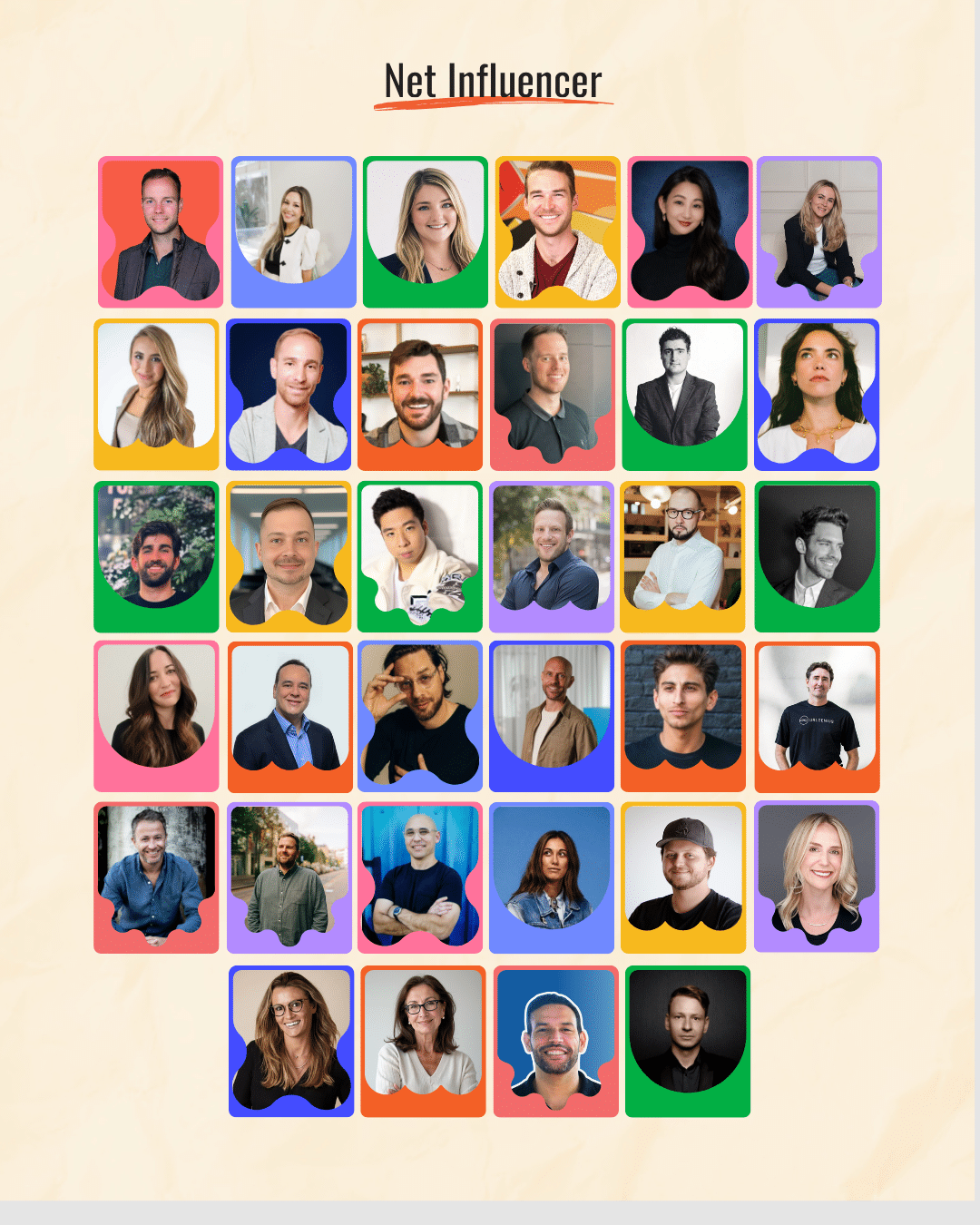
This roundtable brings together 34 professionals across agencies, creator platforms, technology companies, and brand-side operators to examine what comes next. With TikTok’s U.S. deal now in place, the real conversation isn’t about what changes overnight, but what may quietly shift over time.
Key question: What should advertisers, brands, and marketers be paying attention to right now, and why does it matter even if nothing seems different on the surface?
What looks stable on the surface is quietly reorganizing underneath. Platforms feel familiar, metrics still report, campaigns still ship. But the unit of value is shifting.
Attention is no longer the scarce asset, trust is. Audiences are self selecting into smaller, more intentional creator led ecosystems where influence is earned over time, not bought per impression. Creators are becoming distribution, brand, and relationship in one. Advertisers should pay close attention to who actually compounds trust across moments, not who spikes reach in a single campaign. Because when trust becomes the primary currency, media efficiency follows relationships, not budgets.
This matters even if nothing looks broken yet. Every major media shift feels incremental until the old model stops converting. The brands that win next are the ones reallocating early, from rented attention to owned relevance.
In my opinion, one thing matters more than anything else in this moment: diversification is no longer optional. This entire situation has been a wake-up call for brands and creators alike. No business should depend on a single platform for growth, visibility, or revenue. And even though TikTok may look and feel “normal” on the surface, there’s already hearsay that the algorithm is shifting and that some users are removing the app from their phones.
Smart businesses aren’t waiting to see what happens next. They’re using this moment to strengthen Instagram Reels, YouTube Shorts, email lists, and their own owned audiences so they aren’t vulnerable to the next disruption. Behind the scenes, this is the time for brands to pay attention, build backups, and double down on multi-platform strategies instead of assuming it’s business as usual.
New ownership often brings new priorities around ad products, data governance, and monetization – even if the surface experience feels unchanged. And it’s important to note here that both creators and audiences are already commenting that these changes are being felt in the wake of this deal. This matters for brands, and it also matters for creators. In my nearly 13 years in this industry, the one constant has been that platforms evolve, and some eventually fade.
Creators should be thinking seriously about diversification and building something they own – whether that’s an email list, a community, or another direct channel. At the same time, new platforms will continue to emerge. Marketers and creators need to stay informed, listen closely to audiences, and this is key: actually participate as consumers themselves! Moving with culture, and valuing creator and audience input, is how we weather whatever comes next.
Brands and advertisers should be paying attention to the rise of microdramas on TikTok. InStyle, Starbucks, KFC, and Estée Lauder are all leaning into this new format for brand promotion, and TikTok has even begun testing dedicated discovery channels to this new short episodic content format. Every time TikTok launches a new feature linked to content production it distributes this content at a much higher rate than legacy content formats on the platform. Brands can tap into this now for higher distribution and follower growth. Brand microdramas will be the content format to watch in 2026.
From an operator’s perspective, the TikTok US deal uncertainty creates near-term friction (budget hesitation, slower experimentation, and risk-averse internal approvals). But it does not change the underlying direction: creator-led commerce is becoming a mainstream performance channel.
Three things to watch:
Operational resilience – brands that build portable content pipelines (clear hero offers, repeatable scripts, fast iteration) will outperform brands that rely on “one big moment.”
Fulfillment + customer experience as a growth lever – faster delivery, stable inventory, and lower cancellation rates will increasingly determine conversion and platform support.
Deal structures will get more performance-based – more hybrid packages (affiliate + paid amplification + live), tighter measurement expectations, and stronger creative reuse across TikTok / Reels / Shorts.
Advice to brands right now: don’t freeze. Simplify to one hero offer per sprint, invest in creator supply and content velocity, and create a contingency plan that preserves creative, audiences, and measurement across platforms. The key isn’t predicting the deal outcome – it’s building a growth engine that wins either way.
With the U.S. TikTok deal in place brands can feel comfortable putting more energy into TikTok as a primary channel. When the future of TikTok was up in the air we heard from a lot of brands that they were worried about putting too many eggs into a basket that may just disappear overnight. Now that TikTok is here to stay, brands can (and should) start utilizing TikTok as a platform for both community engagement, and creator partnerships.
You’d be surprised how many brands still don’t have their own active TikTok account. Use TikTok as a place to highlight your loyal community, share fun behind the scenes, and show up in a way that your customer can resonate with. Plus the search feature on TikTok is so powerful. The first place I go when looking for reviews on a product is the TikTok search bar. Fill that space with the power of micro-influencers, and your own community-driven UGC
Advertisers and marketers should be watching the quiet signals, not the splashy headlines, especially around data governance, creator monetization, and what the algorithm is subtly choosing to reward. In the Creator Economy, this has always been the case: the brands that stay curious and flexible (instead of hitting the panic button) are the ones that adjust fastest and win long-term. Even if everything looks the same on the surface today, the brands paying attention now will be the ones ahead of the curve once those small shifts start to add up.
The TikTok spinoff shouldn’t have brands looking at things any differently than they do across all social platforms. As a brand you should have north star metrics you are focused on, which right now given the short form explosion and algorithm prioritization should be view metrics, engagements and saves/shares, and the performance of different content archetypes in paid media. Regardless of the noise surrounding TikTok, nothing should cloud the perception of marketers other than the actual data.
With the TikTok deal finalized, marketers have a new algorithm to contend with, which could change the approach they need to take for their creator and ad campaigns. While this won’t make much of a difference initially, as the algorithm diverges from the original ByteDance version, they will act like two different apps. This means that marketers will ultimately need to have two different strategic approaches and this impact will compound over time. The same will happen – albeit slower – for front-end UX as those will evolve over time and new features may be launched by their respective owners. We don’t anticipate any near-term changes for users or creators, but it’s something we may see in the long-term and should keep an eye out for in the months to come.
What will change over time is how TikTok behaves as a company. With more political and regulatory attention, it will focus more on stability, reliability, and clear rules – not just fast growth.
And this could be positive in the long run. Less uncertainty makes it easier for brands and publishers to plan budgets and think long term. It makes TikTok more predictable, less risky, and easier for marketers and investors to understand. And we have seen this before by the way: When platforms like YouTube and Instagram became more mature, the focus moved from fast testing to stability and reliability. Innovation did not stop, it just slowed down and became more careful. This often makes platforms more attractive for brands and investors.
By the way, I do not expect creators to leave the platform in large numbers. But if innovation slows down in the U.S., it could give other platforms a chance to create new viral moments. That said, just like Millennials stayed on Instagram, most TikTok users will likely stay loyal to TikTok.
What matters most right now isn’t what changes immediately, but what quietly recalibrates beneath the surface. When regulatory uncertainty is reduced, platforms tend to shift priorities over time – from governance and data practices to how algorithms evaluate trust, content quality, and brand safety.
For advertisers and marketers, this means paying attention to deeper performance signals, creator credibility, and long-term consistency, even if reach and engagement metrics appear unchanged today. Stability invites more investment, but it also raises expectations around accountability and measurable impact.
At BrandMe, where we operate both a technology platform and a personalized influencer management service, we’re already seeing brands move away from one-off activations toward scalable creator ecosystems built on data and human judgment.
The brands that succeed in this next phase will treat influencer marketing as a structured, ongoing system – not just a creative tactic – and will be better positioned as TikTok’s role in the media mix continues to evolve.
For brands and advertisers, this is less about panic and more about being prepared. The smartest move is to reduce over reliance on any single platform by investing in creators as genuine, long-term partners, diversifying their own channels, and building organic relationships with audiences that aren’t fully owned or dictated by an algorithm. Same applies to creators.
With the U.S. deal in place, TikTok can now be treated as a long-term ecosystem rather than a temporary platform surrounded by uncertainty. What advertisers and marketers should be paying attention to now is how the platform’s incentives begin to evolve. New ownership brings new priorities, which ultimately shapes who gets rewarded, how creators are positioned, and how brands are supported over time. Those shifts won’t show up as obvious feature changes, but they will influence distribution, monetization, and performance. Paying attention to these signals early allows brands, creators, and agencies to position themselves ahead of the curve rather than reacting later. This is the moment to stop optimizing only for short-term results and start aligning with the direction the platform is moving as it settles into its next phase.
On the surface, TikTok may feel unchanged. Same feeds, same creators, same performance levers. But the real shift is structural, and that’s what brands should be watching closely.
Once a platform enters a more formal U.S. oversight and ownership framework, the incentives quietly change. Content enforcement tightens, data handling becomes more scrutinized, and recommendation systems are pressured to be more explainable and defensible. That doesn’t happen overnight, but it compounds over time.
For advertisers, this matters because risk does not usually show up as a headline event. It shows up as subtle changes in reach volatility, creator eligibility, content suppression, and enforcement consistency. The brands that stay ahead are the ones investing now in deeper creator vetting, content context analysis, and scenario planning rather than assuming yesterday’s playbook will hold.
From my perspective, the biggest mistake brands can make right now is assuming nothing has changed just because the app still looks the same.
We are already seeing meaningful shifts. Creator engagement has declined across the board as the algorithm recalibrates. This is not isolated to individual creators or niches. It is systemic. As a talent manager, we have had to actively educate brands that performance drops are not a creator problem, they are a platform-wide reset. Everyone is now operating on a more level, but more competitive, playing field.
What matters is how brands respond. Those who panic and pull back will lose share of voice. Those who adapt by rethinking creative, frequency, creator mix, and measurement will win disproportionate attention.
This shift goes far beyond Influencer Marketing. Many brands have built their entire awareness engine on social distribution. If organic reach becomes less predictable, brands will need stronger creative, better storytelling, and more diversified attention strategies. The surface may look the same, but the leverage has moved.
Even if the app looks and feels the same, shifts in ownership and oversight often lead to gradual changes in strategies, ad products, and algorithmic incentives. Those changes do not show up in headlines right away, but they absolutely show up in performance over time. It’s important for creators to watch their analytics closely and be prepared to make shifts based on what they are seeing.
It’s still unclear how American-owned TikTok will remain global. Discussions among local U.S communities suggest the feed has shifted by favoring local over global content. TikTok has publicly stated that changes are only occurring at the data collection level. Nevertheless, if TikTok’s audience adapts to American-only content, the algorithms will follow suit, and creators and brands targeting a global audience should take additional steps.
For years, brands treated TikTok as a temporary experiment because the risk of a ban was so high. Now that the U.S. deal is final, the consensus is that the platform is finally a safe, stable bet for long-term investment. My perspective is more skeptical. This deal may have traded away the unique edge that made TikTok valuable. By isolating U.S. data and retraining the algorithm locally, we risk turning a global trend engine into a predictable domestic echo chamber. There is also a significant operational split we need to consider. While American entities now oversee data security, the commercial infrastructure, specifically TikTok Shop and advertising technology, remains under the original global ownership. I will be discussing why this dual structure creates hidden complexities for brands, as they must now navigate two different sets of interests to reach their customers.
What brands should be watching isn’t what’s changing on the surface, but what’s quietly shifting underneath: the recommendation engine. Even if TikTok looks the same, an algorithm retrained on U.S. user data will shape content discovery differently over time. That means the strategies brands have optimized for years may start delivering different results as the system learns and matures.
At the same time, user trust is in a fragile place. We’re already seeing emotional reactions, from confusion around updated privacy terms to users questioning whether they want to stay on the platform at all. That sentiment matters. When trust wobbles, performance and cultural relevance follow. For marketers, this is a moment to double down on social listening and contextual awareness, not just media efficiency. Even if nothing feels different today, the signals that shape tomorrow’s outcomes are already in motion.
Even if TikTok looks the same, smart brands know things can change behind the scenes. What gets shown, which creators grow, and how brands can sell may slowly shift. So brands shouldn’t depend on one app only. They should build real, long-term relationships with creators and track what actually leads to sales, not just views.
At GYST, we see that brands who test, learn, and work closely with creators do better over time. Nothing may look different today, but the rules of the game can change quietly – and the brands paying attention will win.
Both brands and creators are ultimately chasing the same thing: community. Mass reach alone doesn’t convert the way trust and repeat engagement do. What advertisers should be watching isn’t whether TikTok changes overnight, but whether it continues to support real community building over time, and whether those communities feel stable and safe. Subtle shifts in moderation, incentives, or distribution can quietly change how creators show up and how audiences engage. Even if the product looks the same on the surface, the underlying environment determines whether brands are investing in durable relationships or just renting attention. That distinction will matter more than ever in the next phase of the platform.
Shifts around TikTok’s future may further fragment viewing habits, which creates both challenges and opportunities for brands and creators. Our perspective at Epidemic Sound is that staying close to audience behavior and testing new platforms early is key to long-term success.
Brand recall relies on creating emotional connections with audiences, and engaging with modern culture is one of the most effective ways to do that. As culture increasingly starts online, with creator-led platforms at the epicenter, brands, advertisers, and marketers need to embrace the flexibility and experimentation that define today’s Creator Economy. Long-term relevance comes from adapting to change, meeting audiences where they are, and participating authentically in the cultural moments creators help shape.
The most important signal isn’t the deal structure, it’s operational continuity. With Adam Presser as CEO, we’re seeing leadership that understands both creator dynamics and advertiser needs, which matters more than policy headlines.
Advertisers should watch three things: whether top creators start hedging their content strategies, whether attribution and pixel tracking stay reliable, and whether TikTok Shop keeps expanding. If creators diversify away or measurement infrastructure wobbles, you’ll see performance impact before it shows up in official metrics.
Leadership stability helps. Now we watch whether the ecosystem acts like it’s business as usual or starts building contingency plans.
The underreported story is what this could mean for creator income diversification. TikTok Shop has trained hundreds of thousands of creators to treat social commerce as a primary revenue stream. Even the possibility of future algorithm or discovery changes is enough to prompt creators to think more defensively about where their income comes from.
The platforms competing for that business, Instagram, YouTube, and Amazon, each have different commission structures, linking requirements, and discovery algorithms. Creators who’ve built entire income models around one platform would face the steepest adjustment curve. Whether that happens depends on how smoothly the transition unfolds over time.
Social media looks stable on the surface: same platforms, same feeds, same ad products. But underneath, things are moving. People are tired. Tired of AI slop, performative content, and feeds that show them strangers instead of friends. That fatigue is changing what trust means. And trust is the thing that matters in 2026.
For advertisers, it signals that human content is still the default, and not only for the sake of the next viral moment. Real people are still making real things. Attention isn’t manufactured by endless scrolling, and your creative can feel native, fit in instead of sticking out. When an ad looks like real life, it works better. It builds equity instead of burning it. Smart brands are diversifying beyond the usual two platforms. But they’ll only move if the environment is credible, healthy, and built for actual connection.
Social media constantly changes. It always has. Even during the early days of Facebook, a slight change in the homepage layout was met with hands being thrown in the air and threats to leave the app. But it was mainly just threats. The users remained.
We don’t expect wholesale changes from TikTok under the U.S. leadership. So brands shouldn’t panic and abandon ship for other channels. We saw what happened with RedNote – migration fizzled out as fast as it started. But it is important to keep a watchful eye.
That being said, diversification is as important as ever. Brands need to be exploring other spaces such as Substack, working out how these alternative channels could work for them, while keeping it low stakes.
Meanwhile, keep one foot firmly planted in the places you know work for your brand, where your audience is and where you have had success. If it stops being valuable to your brand, that is the time to consider leaving the platform. But you need to ensure that you aren’t going in blind. Don’t be reactive. Pick the channel that will work best for you.
It’s about taking time to wait and let the dust settle.
The recent sale of TikTok serves as a clear reminder that if you don’t own your audience, you don’t own your business. Creators are currently at the mercy of third-party tech giants whose priorities can shift overnight due to a sale, a shutdown (like Vine), or a simple tweak to their content algorithm. When these platforms change hands or pivot, a creator’s predictable income and hard-earned reach can vanish. To build a sustainable career, creators must diversify by connecting with fans on channels they truly control. Whether it’s through a simple newsletter, a dedicated fan club, or a fully branded streaming platform, owning your first-party data is the only way to ensure your community remains yours, no matter who owns the latest trending app.
TikTok’s magic was its ability to be a cultural engine, not just a distribution platform. Its generative nature sparked new trends, slang, video formats, and jokes that often originated there before spreading everywhere else.
The U.S. deal will likely change what content the platform pushes over time and what creators feel incentivized to make. If TikTok increasingly favors safer, more advertiser-friendly content over the weird, creative content that defined it, that shift will shape what feels real versus fake.
On the surface, everything may look the same. But small changes to the algorithm over time may slowly shift the platform’s entire vibe. Culture is acutely sensitive to those changes, and if the engine no longer supports experimentation, it will likely re-emerge elsewhere.
Brands can’t assume TikTok’s cultural role will remain what it’s been. Brands that win long-term won’t be the ones with the best TikTok strategy, but those tracking where emergent culture is actually forming, regardless of platform.
With TikTok’s U.S. deal in place, nothing is going to feel different tomorrow. That’s the trap. The real shifts will be quiet and structural. Brands should be watching three things: how data gets governed, how aggressively monetization ramps up, and how the algorithm evolves.
As regulation tightens, performance “shortcuts” will disappear. Targeting will get narrower. That puts more pressure on creative, community, and real trust. At the same time, TikTok will need to prove long-term stability, which usually means more ads, more commerce, and more pay-to-play distribution. That changes who actually wins.
There’s also a risk the algorithm favors safer, more “brand-friendly” content over culture-driving ideas. When that happens, owned audiences and real creator relationships become the edge. Nothing may look different this year. But in a few years, the brands who invested in creators, first-party data, and portable storytelling will own leverage. Everyone else will just pay more for the same attention.
Marketers should dial up social listening and track the micro-communities their audiences actually belong to. On TikTok, niches are mass culture.
Brands still planning around broad demos are speaking to no one in particular. Marketers should identify the fandoms and hyper-specific lifestyle communities that drive real discovery, then create content that participates in those conversations. From there, marketers should track where those same audiences show up across other platforms to inform smarter diversification strategies.
As TikTok evolves post-deal, subtle shifts may not change the app’s surface experience, but they will determine which communities gain visibility and which creators rise. That matters because trust and relevance are built over time. Brands that understand where culture is forming (and show up early with authenticity) will be better prepared than those waiting for obvious signals that the platform has changed.
What I’m most interested to see play out this year is how trends and user behavior evolve as TikTok’s U.S. algorithm becomes increasingly trained on U.S.-only data. While TikTok remains a global platform, the For You experience in the U.S. is starting to feel more localized, shaped by domestic cultural signals, behaviors, and context rather than globally shared viral moments that once traveled at lightning speed.
As a result, we may see fewer universal trends and a stronger emphasis on content that resonates locally by region, community, or lived experience. For creators and brands, this means rethinking creative strategies that relied on global virality and instead prioritizing relevance, nuance, and cultural fluency within the U.S. market.
At the same time, global perspective becomes a real advantage. Understanding how trends emerge across different markets can help inform how ideas are adapted locally, allowing brands to stay culturally current while maintaining a cohesive global brand narrative.
Even with the TikTok U.S. deal now in place, brands shouldn’t mistake surface stability for strategic stability. The app may appear to be operating normally, but early signals suggest continued fluidity – including spikes in uninstalls among younger users, increased downloads of emerging alternatives like UpScrolled, and creators quietly expanding cross-posting across other platforms.
What matters most right now isn’t headlines/noise – it’s disciplined observation.
Marketers should watch three areas closely: distribution volatility (how predictable reach and performance remain), creator cross-posting behavior (are influencers hedging platform risk), and channel dependency (how much of a program relies on one algorithm).
Creators are diversifying fast, and audiences are fragmenting with them. Nothing may look dramatically different day-to-day, but resilient creator strategies are built for portability. The smartest brands are responding with disciplined risk management – diversifying their mix and building creator programs that aren’t tied to any one platform.
They should be obsessed with performance metrics, not just paying attention. While nothing changed on the surface, with the same app, account, and UX, TikTok’s algorithm is being retrained from scratch using only U.S. data. Engagement rates, content discovery, virality, trends, campaign ROI, and every metric could change completely. What worked for creators in 2025 may not work in 2026.
Beyond the potential performance shake-up, other important questions are up in the air: Will American creators remain discoverable to audiences worldwide? How will international campaigns perform under different algorithms? Will ad delivery and attribution be affected?
The industry should relentlessly compile data up to this shift for a comparison baseline when the transition is complete, and monitor metrics closely throughout this period. As this is effectively a live experiment on 170 million users, platform diversification, like Reels and Shorts, isn’t optional anymore, it’s risk management.
With TikTok’s U.S. deal in place, brands likely won’t see immediate changes in how the app works. What’s more likely are gradual changes in moderation, data handling, and how content gets distributed. Even if the feed looks the same, those changes can affect which creators keep getting reach. That’s why you should regularly pay attention to consistency, engagement quality, and performance trends instead of relying on old benchmarks. Teams find this monitoring easier with HypeAuditor, since they can track content performance in real time, spot unusual spikes or drops, and check engagement and audience quality in one place.
David Adler is an entrepreneur and freelance blog post writer who enjoys writing about business, entrepreneurship, travel and the influencer marketing space.








TikTok’s long-running U.S. ownership saga is finally over, but for advertisers and brands, the uncertainty hasn’t disappeared. It has simply changed shape.
After years of regulatory standoffs, temporary shutdowns, and shifting deadlines, TikTok has finalized a deal that keeps the platform live for roughly 170 million American users. The same app remains on phones, creators are still posting, and campaigns are still running.
What’s changing isn’t the interface, but the infrastructure. Under the new U.S. joint venture, TikTok’s operations now sit under American ownership, U.S.-based data oversight, and a recommendation algorithm that will be retrained on U.S. user data. As detailed in recent reporting, those shifts are unlikely to arrive as dramatic product updates. Instead, they’re expected to surface gradually through content discovery, creator economics, commerce, moderation, and brand safety.
This roundtable brings together 34 professionals across agencies, creator platforms, technology companies, and brand-side operators to examine what comes next. With TikTok’s U.S. deal now in place, the real conversation isn’t about what changes overnight, but what may quietly shift over time.
Key question: What should advertisers, brands, and marketers be paying attention to right now, and why does it matter even if nothing seems different on the surface?
Tobias Hoss, Chief Business Officer, Lunar X
What looks stable on the surface is quietly reorganizing underneath. Platforms feel familiar, metrics still report, campaigns still ship. But the unit of value is shifting.
Attention is no longer the scarce asset, trust is. Audiences are self selecting into smaller, more intentional creator led ecosystems where influence is earned over time, not bought per impression. Creators are becoming distribution, brand, and relationship in one.
Advertisers should pay close attention to who actually compounds trust across moments, not who spikes reach in a single campaign. Because when trust becomes the primary currency, media efficiency follows relationships, not budgets.
This matters even if nothing looks broken yet. Every major media shift feels incremental until the old model stops converting. The brands that win next are the ones reallocating early, from rented attention to owned relevance.
Katelyn Rhoades, Founder, enfluence Marketing Studio / Podcast Host, ‘Call Her Creator’
In my opinion, one thing matters more than anything else in this moment: diversification is no longer optional. This entire situation has been a wake-up call for brands and creators alike. No business should depend on a single platform for growth, visibility, or revenue. And even though TikTok may look and feel “normal” on the surface, there’s already hearsay that the algorithm is shifting and that some users are removing the app from their phones.
Smart businesses aren’t waiting to see what happens next. They’re using this moment to strengthen Instagram Reels, YouTube Shorts, email lists, and their own owned audiences so they aren’t vulnerable to the next disruption. Behind the scenes, this is the time for brands to pay attention, build backups, and double down on multi-platform strategies instead of assuming it’s business as usual.
Ashlie Finch, VP, Brand Strategy, The Digital Dept.
New ownership often brings new priorities around ad products, data governance, and monetization – even if the surface experience feels unchanged. And it’s important to note here that both creators and audiences are already commenting that these changes are being felt in the wake of this deal. This matters for brands, and it also matters for creators. In my nearly 13 years in this industry, the one constant has been that platforms evolve, and some eventually fade.
Creators should be thinking seriously about diversification and building something they own – whether that’s an email list, a community, or another direct channel. At the same time, new platforms will continue to emerge. Marketers and creators need to stay informed, listen closely to audiences, and this is key: actually participate as consumers themselves! Moving with culture, and valuing creator and audience input, is how we weather whatever comes next.
Brian Freeman, CEO & Founder, Creatorland
Brands and advertisers should be paying attention to the rise of microdramas on TikTok. InStyle, Starbucks, KFC, and Estée Lauder are all leaning into this new format for brand promotion, and TikTok has even begun testing dedicated discovery channels to this new short episodic content format. Every time TikTok launches a new feature linked to content production it distributes this content at a much higher rate than legacy content formats on the platform. Brands can tap into this now for higher distribution and follower growth. Brand microdramas will be the content format to watch in 2026.
Amora Zhao, VP of Operations, ZeroTo1
From an operator’s perspective, the TikTok US deal uncertainty creates near-term friction (budget hesitation, slower experimentation, and risk-averse internal approvals). But it does not change the underlying direction: creator-led commerce is becoming a mainstream performance channel.
Three things to watch:
Advice to brands right now: don’t freeze. Simplify to one hero offer per sprint, invest in creator supply and content velocity, and create a contingency plan that preserves creative, audiences, and measurement across platforms. The key isn’t predicting the deal outcome – it’s building a growth engine that wins either way.
Kirsten Baumberger, Founder, minisocial
With the U.S. TikTok deal in place brands can feel comfortable putting more energy into TikTok as a primary channel. When the future of TikTok was up in the air we heard from a lot of brands that they were worried about putting too many eggs into a basket that may just disappear overnight. Now that TikTok is here to stay, brands can (and should) start utilizing TikTok as a platform for both community engagement, and creator partnerships.
You’d be surprised how many brands still don’t have their own active TikTok account. Use TikTok as a place to highlight your loyal community, share fun behind the scenes, and show up in a way that your customer can resonate with. Plus the search feature on TikTok is so powerful. The first place I go when looking for reviews on a product is the TikTok search bar. Fill that space with the power of micro-influencers, and your own community-driven UGC
Paige Kosinski, Co-Founder, Odyssey Entertainment Group
Advertisers and marketers should be watching the quiet signals, not the splashy headlines, especially around data governance, creator monetization, and what the algorithm is subtly choosing to reward. In the Creator Economy, this has always been the case: the brands that stay curious and flexible (instead of hitting the panic button) are the ones that adjust fastest and win long-term. Even if everything looks the same on the surface today, the brands paying attention now will be the ones ahead of the curve once those small shifts start to add up.
Keith Bendes, Chief Strategy Officer, Linqia
The TikTok spinoff shouldn’t have brands looking at things any differently than they do across all social platforms. As a brand you should have north star metrics you are focused on, which right now given the short form explosion and algorithm prioritization should be view metrics, engagements and saves/shares, and the performance of different content archetypes in paid media. Regardless of the noise surrounding TikTok, nothing should cloud the perception of marketers other than the actual data.
Evan Wray, President, Later
With the TikTok deal finalized, marketers have a new algorithm to contend with, which could change the approach they need to take for their creator and ad campaigns. While this won’t make much of a difference initially, as the algorithm diverges from the original ByteDance version, they will act like two different apps. This means that marketers will ultimately need to have two different strategic approaches and this impact will compound over time. The same will happen – albeit slower – for front-end UX as those will evolve over time and new features may be launched by their respective owners. We don’t anticipate any near-term changes for users or creators, but it’s something we may see in the long-term and should keep an eye out for in the months to come.
Sebastian Wulff, Partner, Quartermast Advisors
What will change over time is how TikTok behaves as a company. With more political and regulatory attention, it will focus more on stability, reliability, and clear rules – not just fast growth.
And this could be positive in the long run. Less uncertainty makes it easier for brands and publishers to plan budgets and think long term. It makes TikTok more predictable, less risky, and easier for marketers and investors to understand. And we have seen this before by the way: When platforms like YouTube and Instagram became more mature, the focus moved from fast testing to stability and reliability. Innovation did not stop, it just slowed down and became more careful. This often makes platforms more attractive for brands and investors.
By the way, I do not expect creators to leave the platform in large numbers. But if innovation slows down in the U.S., it could give other platforms a chance to create new viral moments. That said, just like Millennials stayed on Instagram, most TikTok users will likely stay loyal to TikTok.
Gerardo Sordo, CEO & Founder, BrandMe
What matters most right now isn’t what changes immediately, but what quietly recalibrates beneath the surface. When regulatory uncertainty is reduced, platforms tend to shift priorities over time – from governance and data practices to how algorithms evaluate trust, content quality, and brand safety.
For advertisers and marketers, this means paying attention to deeper performance signals, creator credibility, and long-term consistency, even if reach and engagement metrics appear unchanged today. Stability invites more investment, but it also raises expectations around accountability and measurable impact.
At BrandMe, where we operate both a technology platform and a personalized influencer management service, we’re already seeing brands move away from one-off activations toward scalable creator ecosystems built on data and human judgment.
The brands that succeed in this next phase will treat influencer marketing as a structured, ongoing system – not just a creative tactic – and will be better positioned as TikTok’s role in the media mix continues to evolve.
Liza Archer, Talent and Community Manager, Illuminate Social
For brands and advertisers, this is less about panic and more about being prepared. The smartest move is to reduce over reliance on any single platform by investing in creators as genuine, long-term partners, diversifying their own channels, and building organic relationships with audiences that aren’t fully owned or dictated by an algorithm. Same applies to creators.
Patrick Israel, CEO, Xtend Creators / Co-Founder, CreatorHubLive
With the U.S. deal in place, TikTok can now be treated as a long-term ecosystem rather than a temporary platform surrounded by uncertainty. What advertisers and marketers should be paying attention to now is how the platform’s incentives begin to evolve. New ownership brings new priorities, which ultimately shapes who gets rewarded, how creators are positioned, and how brands are supported over time. Those shifts won’t show up as obvious feature changes, but they will influence distribution, monetization, and performance. Paying attention to these signals early allows brands, creators, and agencies to position themselves ahead of the curve rather than reacting later. This is the moment to stop optimizing only for short-term results and start aligning with the direction the platform is moving as it settles into its next phase.
Theo Ruzhynsky, Co-Founder, VwD
On the surface, TikTok may feel unchanged. Same feeds, same creators, same performance levers. But the real shift is structural, and that’s what brands should be watching closely.
Once a platform enters a more formal U.S. oversight and ownership framework, the incentives quietly change. Content enforcement tightens, data handling becomes more scrutinized, and recommendation systems are pressured to be more explainable and defensible. That doesn’t happen overnight, but it compounds over time.
For advertisers, this matters because risk does not usually show up as a headline event. It shows up as subtle changes in reach volatility, creator eligibility, content suppression, and enforcement consistency. The brands that stay ahead are the ones investing now in deeper creator vetting, content context analysis, and scenario planning rather than assuming yesterday’s playbook will hold.
Dylan Huey, CEO, REACH
From my perspective, the biggest mistake brands can make right now is assuming nothing has changed just because the app still looks the same.
We are already seeing meaningful shifts. Creator engagement has declined across the board as the algorithm recalibrates. This is not isolated to individual creators or niches. It is systemic. As a talent manager, we have had to actively educate brands that performance drops are not a creator problem, they are a platform-wide reset. Everyone is now operating on a more level, but more competitive, playing field.
What matters is how brands respond. Those who panic and pull back will lose share of voice. Those who adapt by rethinking creative, frequency, creator mix, and measurement will win disproportionate attention.
This shift goes far beyond Influencer Marketing. Many brands have built their entire awareness engine on social distribution. If organic reach becomes less predictable, brands will need stronger creative, better storytelling, and more diversified attention strategies. The surface may look the same, but the leverage has moved.
Jake Rosen, CEO, Jake Rosen Entertainment
Even if the app looks and feels the same, shifts in ownership and oversight often lead to gradual changes in strategies, ad products, and algorithmic incentives. Those changes do not show up in headlines right away, but they absolutely show up in performance over time. It’s important for creators to watch their analytics closely and be prepared to make shifts based on what they are seeing.
Michael Kuzminov, CEO, HypeFactory
It’s still unclear how American-owned TikTok will remain global. Discussions among local U.S communities suggest the feed has shifted by favoring local over global content. TikTok has publicly stated that changes are only occurring at the data collection level. Nevertheless, if TikTok’s audience adapts to American-only content, the algorithms will follow suit, and creators and brands targeting a global audience should take additional steps.
Jeremy Grinacoff, Founder & CEO, ChannelCore
For years, brands treated TikTok as a temporary experiment because the risk of a ban was so high. Now that the U.S. deal is final, the consensus is that the platform is finally a safe, stable bet for long-term investment. My perspective is more skeptical. This deal may have traded away the unique edge that made TikTok valuable. By isolating U.S. data and retraining the algorithm locally, we risk turning a global trend engine into a predictable domestic echo chamber. There is also a significant operational split we need to consider. While American entities now oversee data security, the commercial infrastructure, specifically TikTok Shop and advertising technology, remains under the original global ownership. I will be discussing why this dual structure creates hidden complexities for brands, as they must now navigate two different sets of interests to reach their customers.
Dana Neujahr, Managing Director, We Are Social U.S.
What brands should be watching isn’t what’s changing on the surface, but what’s quietly shifting underneath: the recommendation engine. Even if TikTok looks the same, an algorithm retrained on U.S. user data will shape content discovery differently over time. That means the strategies brands have optimized for years may start delivering different results as the system learns and matures.
At the same time, user trust is in a fragile place. We’re already seeing emotional reactions, from confusion around updated privacy terms to users questioning whether they want to stay on the platform at all. That sentiment matters. When trust wobbles, performance and cultural relevance follow. For marketers, this is a moment to double down on social listening and contextual awareness, not just media efficiency. Even if nothing feels different today, the signals that shape tomorrow’s outcomes are already in motion.
Rodrigo Abdalla, Founder & COO, GYST (Get Your Sh*t Together)
Even if TikTok looks the same, smart brands know things can change behind the scenes. What gets shown, which creators grow, and how brands can sell may slowly shift. So brands shouldn’t depend on one app only. They should build real, long-term relationships with creators and track what actually leads to sales, not just views.
At GYST, we see that brands who test, learn, and work closely with creators do better over time. Nothing may look different today, but the rules of the game can change quietly – and the brands paying attention will win.
Nico LeBlanc, CXO & Co-Founder, Heylist
Both brands and creators are ultimately chasing the same thing: community. Mass reach alone doesn’t convert the way trust and repeat engagement do. What advertisers should be watching isn’t whether TikTok changes overnight, but whether it continues to support real community building over time, and whether those communities feel stable and safe. Subtle shifts in moderation, incentives, or distribution can quietly change how creators show up and how audiences engage. Even if the product looks the same on the surface, the underlying environment determines whether brands are investing in durable relationships or just renting attention. That distinction will matter more than ever in the next phase of the platform.
Marcus Lewold, Chief Strategy Officer, Epidemic Sound
Shifts around TikTok’s future may further fragment viewing habits, which creates both challenges and opportunities for brands and creators. Our perspective at Epidemic Sound is that staying close to audience behavior and testing new platforms early is key to long-term success.
Brand recall relies on creating emotional connections with audiences, and engaging with modern culture is one of the most effective ways to do that. As culture increasingly starts online, with creator-led platforms at the epicenter, brands, advertisers, and marketers need to embrace the flexibility and experimentation that define today’s Creator Economy. Long-term relevance comes from adapting to change, meeting audiences where they are, and participating authentically in the cultural moments creators help shape.
Yehuda Neuman, SVP of Influencer Marketing, PartnerCentric
The most important signal isn’t the deal structure, it’s operational continuity. With Adam Presser as CEO, we’re seeing leadership that understands both creator dynamics and advertiser needs, which matters more than policy headlines.
Advertisers should watch three things: whether top creators start hedging their content strategies, whether attribution and pixel tracking stay reliable, and whether TikTok Shop keeps expanding. If creators diversify away or measurement infrastructure wobbles, you’ll see performance impact before it shows up in official metrics.
Leadership stability helps. Now we watch whether the ecosystem acts like it’s business as usual or starts building contingency plans.
Brian Klais, CEO & Founder, URLgenius
The underreported story is what this could mean for creator income diversification. TikTok Shop has trained hundreds of thousands of creators to treat social commerce as a primary revenue stream. Even the possibility of future algorithm or discovery changes is enough to prompt creators to think more defensively about where their income comes from.
The platforms competing for that business, Instagram, YouTube, and Amazon, each have different commission structures, linking requirements, and discovery algorithms. Creators who’ve built entire income models around one platform would face the steepest adjustment curve. Whether that happens depends on how smoothly the transition unfolds over time.
Ben Moore, Managing Director, BeReal
Social media looks stable on the surface: same platforms, same feeds, same ad products. But underneath, things are moving. People are tired. Tired of AI slop, performative content, and feeds that show them strangers instead of friends. That fatigue is changing what trust means. And trust is the thing that matters in 2026.
For advertisers, it signals that human content is still the default, and not only for the sake of the next viral moment. Real people are still making real things. Attention isn’t manufactured by endless scrolling, and your creative can feel native, fit in instead of sticking out. When an ad looks like real life, it works better. It builds equity instead of burning it. Smart brands are diversifying beyond the usual two platforms. But they’ll only move if the environment is credible, healthy, and built for actual connection.
Joe Moring, Social Media Director, SAMY
Social media constantly changes. It always has. Even during the early days of Facebook, a slight change in the homepage layout was met with hands being thrown in the air and threats to leave the app. But it was mainly just threats. The users remained.
We don’t expect wholesale changes from TikTok under the U.S. leadership. So brands shouldn’t panic and abandon ship for other channels. We saw what happened with RedNote – migration fizzled out as fast as it started. But it is important to keep a watchful eye.
That being said, diversification is as important as ever. Brands need to be exploring other spaces such as Substack, working out how these alternative channels could work for them, while keeping it low stakes.
Meanwhile, keep one foot firmly planted in the places you know work for your brand, where your audience is and where you have had success. If it stops being valuable to your brand, that is the time to consider leaving the platform. But you need to ensure that you aren’t going in blind. Don’t be reactive. Pick the channel that will work best for you.
It’s about taking time to wait and let the dust settle.
Jake Nishimura, VP of Marketing, Kiswe
The recent sale of TikTok serves as a clear reminder that if you don’t own your audience, you don’t own your business. Creators are currently at the mercy of third-party tech giants whose priorities can shift overnight due to a sale, a shutdown (like Vine), or a simple tweak to their content algorithm. When these platforms change hands or pivot, a creator’s predictable income and hard-earned reach can vanish. To build a sustainable career, creators must diversify by connecting with fans on channels they truly control. Whether it’s through a simple newsletter, a dedicated fan club, or a fully branded streaming platform, owning your first-party data is the only way to ensure your community remains yours, no matter who owns the latest trending app.
Sara Sabzehzar, Group Strategy Director, AntiSocial
TikTok’s magic was its ability to be a cultural engine, not just a distribution platform. Its generative nature sparked new trends, slang, video formats, and jokes that often originated there before spreading everywhere else.
The U.S. deal will likely change what content the platform pushes over time and what creators feel incentivized to make. If TikTok increasingly favors safer, more advertiser-friendly content over the weird, creative content that defined it, that shift will shape what feels real versus fake.
On the surface, everything may look the same. But small changes to the algorithm over time may slowly shift the platform’s entire vibe. Culture is acutely sensitive to those changes, and if the engine no longer supports experimentation, it will likely re-emerge elsewhere.
Brands can’t assume TikTok’s cultural role will remain what it’s been. Brands that win long-term won’t be the ones with the best TikTok strategy, but those tracking where emergent culture is actually forming, regardless of platform.
Dimitar Gougov, Chief Influence Officer & Partner, Mādin
With TikTok’s U.S. deal in place, nothing is going to feel different tomorrow. That’s the trap. The real shifts will be quiet and structural. Brands should be watching three things: how data gets governed, how aggressively monetization ramps up, and how the algorithm evolves.
As regulation tightens, performance “shortcuts” will disappear. Targeting will get narrower. That puts more pressure on creative, community, and real trust. At the same time, TikTok will need to prove long-term stability, which usually means more ads, more commerce, and more pay-to-play distribution. That changes who actually wins.
There’s also a risk the algorithm favors safer, more “brand-friendly” content over culture-driving ideas. When that happens, owned audiences and real creator relationships become the edge. Nothing may look different this year. But in a few years, the brands who invested in creators, first-party data, and portable storytelling will own leverage. Everyone else will just pay more for the same attention.
Emily Larsen, Associate Strategy Director, Movers+Shakers
Marketers should dial up social listening and track the micro-communities their audiences actually belong to. On TikTok, niches are mass culture.
Brands still planning around broad demos are speaking to no one in particular. Marketers should identify the fandoms and hyper-specific lifestyle communities that drive real discovery, then create content that participates in those conversations. From there, marketers should track where those same audiences show up across other platforms to inform smarter diversification strategies.
As TikTok evolves post-deal, subtle shifts may not change the app’s surface experience, but they will determine which communities gain visibility and which creators rise. That matters because trust and relevance are built over time. Brands that understand where culture is forming (and show up early with authenticity) will be better prepared than those waiting for obvious signals that the platform has changed.
Kimberly Beauchaine Uihlein, SVP, Platform and Brand Partnerships, Open Influence
What I’m most interested to see play out this year is how trends and user behavior evolve as TikTok’s U.S. algorithm becomes increasingly trained on U.S.-only data. While TikTok remains a global platform, the For You experience in the U.S. is starting to feel more localized, shaped by domestic cultural signals, behaviors, and context rather than globally shared viral moments that once traveled at lightning speed.
As a result, we may see fewer universal trends and a stronger emphasis on content that resonates locally by region, community, or lived experience. For creators and brands, this means rethinking creative strategies that relied on global virality and instead prioritizing relevance, nuance, and cultural fluency within the U.S. market.
At the same time, global perspective becomes a real advantage. Understanding how trends emerge across different markets can help inform how ideas are adapted locally, allowing brands to stay culturally current while maintaining a cohesive global brand narrative.
Paula Bruno, CEO, Intuition Media Group
Even with the TikTok U.S. deal now in place, brands shouldn’t mistake surface stability for strategic stability. The app may appear to be operating normally, but early signals suggest continued fluidity – including spikes in uninstalls among younger users, increased downloads of emerging alternatives like UpScrolled, and creators quietly expanding cross-posting across other platforms.
What matters most right now isn’t headlines/noise – it’s disciplined observation.
Marketers should watch three areas closely: distribution volatility (how predictable reach and performance remain), creator cross-posting behavior (are influencers hedging platform risk), and channel dependency (how much of a program relies on one algorithm).
Creators are diversifying fast, and audiences are fragmenting with them. Nothing may look dramatically different day-to-day, but resilient creator strategies are built for portability. The smartest brands are responding with disciplined risk management – diversifying their mix and building creator programs that aren’t tied to any one platform.
Daniel Caldas, Founder, Caldas Ecom
They should be obsessed with performance metrics, not just paying attention. While nothing changed on the surface, with the same app, account, and UX, TikTok’s algorithm is being retrained from scratch using only U.S. data. Engagement rates, content discovery, virality, trends, campaign ROI, and every metric could change completely. What worked for creators in 2025 may not work in 2026.
Beyond the potential performance shake-up, other important questions are up in the air: Will American creators remain discoverable to audiences worldwide? How will international campaigns perform under different algorithms? Will ad delivery and attribution be affected?
The industry should relentlessly compile data up to this shift for a comparison baseline when the transition is complete, and monitor metrics closely throughout this period. As this is effectively a live experiment on 170 million users, platform diversification, like Reels and Shorts, isn’t optional anymore, it’s risk management.
Alexander Frolov, CEO & Co-Founder, HypeAuditor
With TikTok’s U.S. deal in place, brands likely won’t see immediate changes in how the app works. What’s more likely are gradual changes in moderation, data handling, and how content gets distributed. Even if the feed looks the same, those changes can affect which creators keep getting reach. That’s why you should regularly pay attention to consistency, engagement quality, and performance trends instead of relying on old benchmarks. Teams find this monitoring easier with HypeAuditor, since they can track content performance in real time, spot unusual spikes or drops, and check engagement and audience quality in one place.