

Influencer
Michelle Phan: From Running A Beauty Blog To Running A Digital Enterprise

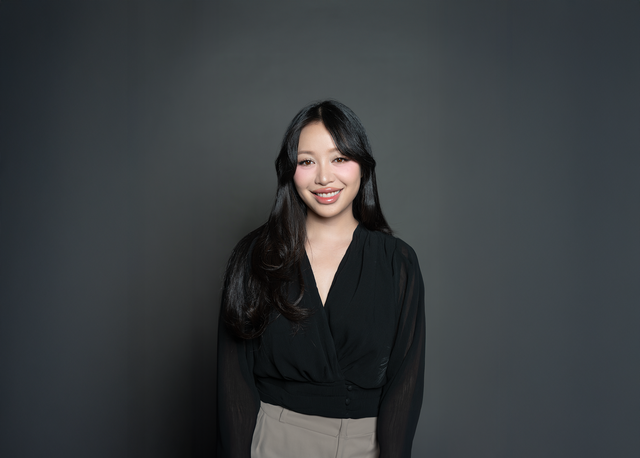
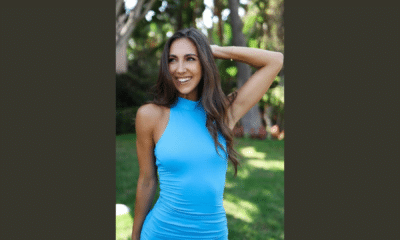
Before TikTok dance challenges and Instagram influencer deals, Michelle Phan sat in front of a webcam with her makeup brushes, unknowingly stacking the building blocks for what would become the creator economy. The college student who once sold candy on her school bus to save for a computer has since built a digital empire spanning content creation, beauty subscriptions, and cosmetics.
Michelle’s career mirrors the growth of digital influence itself, from uncharted territory to mainstream cultural force. Now, at 38, as the founder and owner of EM Cosmetics, she continues to adapt to new platforms while reflecting on nearly two decades in the spotlight.
“I knew it was the future,” Michelle says of her early intuition about online content. “People didn’t understand what I was doing, but artists can often feel things before the masses.”
Her entry into digital content began with a lifestyle blog focused on beauty advice. Her transition to video came during a college summer break when she was 19. After being rejected from a job at a beauty counter, she channeled her passion for makeup into creating tutorials.
“I started with a blog on natural makeup, then decided to film a video out of boredom. I learned to edit, uploaded it in 2007, and it went viral. That blew my mind,” Michelle recalls.
There was no monetization strategy initially. “At first, there was no way to make money. Two years later, YouTube launched its partner program, which was a game-changer. I did it just because I loved it.”
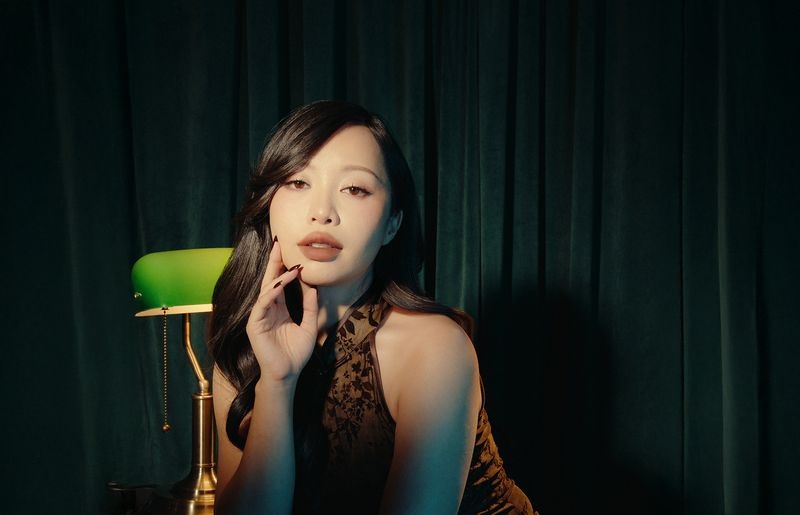
Overcoming Early Challenges
Being one of the first major beauty content creators on YouTube came with challenges. When digital influence wasn’t understood or respected, Michelle reveals she faced skepticism from all directions.
“Brands didn’t want to pay. My videos were getting a million views a week, but they’d only offer free products,” she recalls.
The lack of recognition extended beyond professional relationships. “Friends judged me, gave backhanded compliments, or put me down,” Michelle says. Even family members questioned her career choice. “My uncles mocked me, told my mom I was vain and wasting my time on YouTube.”
Despite these obstacles, Michelle’s determination pushed her forward. “I like to prove people wrong. Within two years, I became the first woman to hit one million YouTube subscribers, which was incredible.”
The Business Growth
Michelle’s move into business came through her first major venture, IPSY, a beauty subscription service she co-founded in 2011. Michelle recognized her strengths and limitations when building the company.
“I got lucky with my co-founder. He knew how to run businesses, and I didn’t. I focused on marketing, storytelling, and bringing in brands and influencers,” Michelle says.
This partnership allowed Michelle to focus on content and marketing while her business partner handled operations. “We balanced each other’s strengths, and I learned so much.”
The success of IPSY provided Michelle with financial stability and valuable business experience. “It was one of the best investments of my life. I was able to exit, buy a house, and take care of my basic needs.”
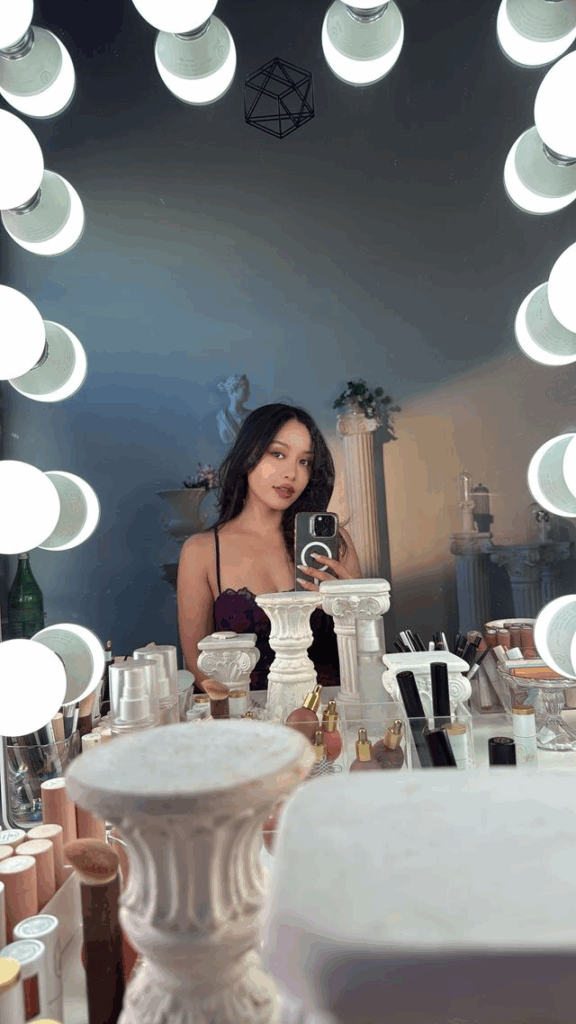
How Michelle Approaches Brand Partnerships
When Michelle first began creating content, monetization options were limited, but as the field changed, so did the attitudes of brands toward digital creators. “In the beginning, brands didn’t value us. By 2016, when Instagram took off, they finally started allocating budgets for influencer marketing,” Michelle explains.
Michelle approaches brand partnerships with a focus on being genuine. “If the product isn’t good or authentic to you, it won’t work. Shoppers are smart. They know if it’s just a cash grab.”
This selective approach has been key to her staying power. “I’ve turned down a lot of money and fast deals. Protecting credibility and authenticity mattered more.”
EM Cosmetics
Building on her IPSY experience, Michelle launched EM Cosmetics, named after the Vietnamese term for “little brother or sister” – a reflection of her role as a “sister” to many in her audience.
“‘Em’ means little brother or sister in Vietnamese. It felt perfect, since I’ve always been like a big sister to my viewers,” Michelle explains.
Unlike IPSY, EM Cosmetics allowed Michelle to focus on building her own distinct beauty brand. “With IPSY, we showcased other brands. With EM, I wanted to build one brand rooted in my own experience.”
The transition came with new challenges. “Running a business means managing people and emotions, something I hadn’t done before,” she says.
Michelle discovered aspects of her personality that needed adjustment in the business world. “I’m a people pleaser, but in business, you can’t be. It’s black and white.” This learning curve extended to team management. “When people get too comfortable, they stop learning. I love learning and adapting, so I had to reshape the company.”
These experiences led her to streamline. “Now I run a smaller, more nimble team. We move faster, and the returns are higher. Being small is actually a luxury in today’s fast-changing world.”
Finding Success with TikTok Shop
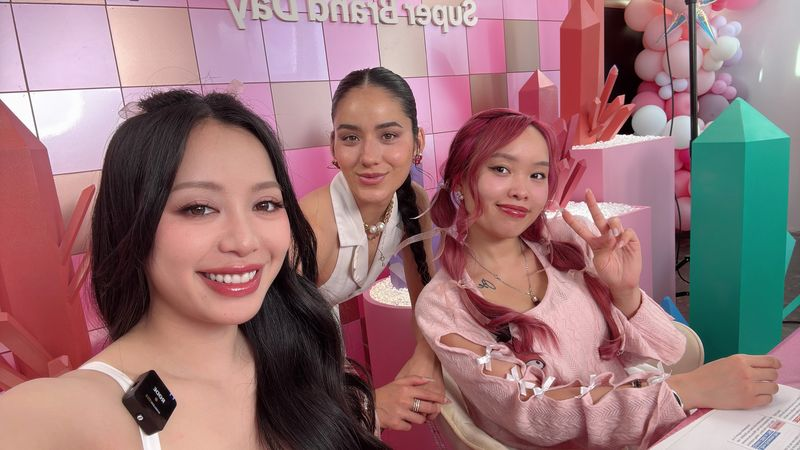
Always ready to try new platforms, Michelle has recently found success with TikTok Shop, being named one of the platform’s top three most efficient shops. “I’ve been doing this for so long. As a brand founder, I’m also tech-savvy. I know video editing, backend systems, and things most founders don’t,” Michelle says.
This combination gives her an edge. “I know how to make hooks, light a set, and talk naturally. I’ve basically been media trained for 20 years.”
Michelle’s approach includes building a team that understands platform culture. “My Gen Z team keeps me up to date on TikTok trends. That way our content doesn’t feel outdated or cringe.”
Success also requires grit. “Some lives don’t do well, but I power through. You need grit and a thick skin, because people can be harsh.”
Michelle sees live shopping as the future of retail. “The future is influencer-led retail. People follow influencers because they trust them, so it makes sense that their stores will be digital and live.” She compares it to early Amazon. “It’s like when Amazon only sold college books. I’d rather be early than late.”
The Creator World
Having witnessed the transformation of digital media over nearly two decades, Michelle reflects on the changing perception of creators. “What excites me is that being a creator is now mainstream.”
She points to politics as proof of influence. “Trump’s campaign showed how creators and podcasts now hold authority that used to belong to big media.”
Michelle finds validation in seeing creators taken seriously. “Now creators are making moves, being recognized, and given real opportunities.” She loves the global accessibility of this shift. “You can find talent anywhere now. Everyone gets a chance at their Cinderella moment.”

What Lies Ahead?
If starting again today, Michelle would take a different approach. “I’d be a Twitch or YouTube streamer; gaming, IRL content, building parasocial connections.” She believes the future lies in niche audiences. “With so much content, it’s smarter to focus on a few hundred loyal fans. That can grow into millions.”
This shift, according to her, represents a new era in media. “Mainstream is dying. Hyper-specialized mastery will be the new luxury.” As for her own future, Michelle continues to experiment while considering personal goals. “I’m still experimenting until the next thing feels right. Right now, I believe the future is in livestream selling. I’ll pioneer it when it comes.”
Eventually, she envisions stepping back. “I promised myself if I become a mom, that will be my full-time job. I want to be present.”
For Michelle, the most rewarding aspect of her journey has been inspiring others. “For example, the other day, I was at Disney. I was waiting in line for a ride. I didn’t tell anyone I was at Disney, and a few viewers saw me. They recognized me and said, ‘Oh my gosh, because of you, you taught me makeup. You taught me how to feel beautiful.’”
This impact on representation matters deeply. “For girls and boys who never felt seen, having a creator who looks like them is powerful. Representation matters.”
Subscribe to Our Newsletter
Check Out Our Podcast