More than half of the brand advertisers in a new Oxford Road survey named measurement gaps as one of their top three challenges holding back investment in podcasting, audio and creator media. The 57% figure leads findings in the firm’s “What Brands Want 2026” report, which also found that 59% of respondents increased podcast and audio budgets in 2026 but only 40% anticipate increases in 2027.
Oxford Road surveyed guests at its CAO Summit, held in Rancho Palos Verdes in July 2026, along with other brand experts specializing in podcasting, audio and creator media. The report said respondents represent hundreds of millions of dollars in spend, including three of the top 10 podcast spenders. The report does not state the total number of respondents. Its attribution findings are based on 41 respondents and its AI findings on 37.
Measurement Concerns Skew Toward the Largest Brands
Measurement was a top concern for more than 90% of brands with media budgets of $100 million or more, according to the report. Among brands with budgets under $100 million, fewer than half cited it. One respondent wrote that “every network defines inventory, impressions, downloads, reporting, and ad products differently.”
The report found 38% of respondents under-attribute results from podcasting, audio, and creator media, while 14% over-attribute. When asked for the single biggest obstacle to growing spend, 40% cited other channels delivering better ROI. The report noted that a similar share said they were under-attributing.
Simple Attribution Methods Lead in Use and Trust
More than 60% of respondents still use vanity URLs, the most widely adopted method. Geo-holdout testing is used by 27% of respondents, but 82% of its users rank it among their three most trusted methods. Promo codes (68%) and vanity URLs (62%) followed on that measure. Marketing mix modeling (43%) and multi-touch attribution (33%) drew lower trust among their users.
Video Podcasting Spend Lags
Nearly a quarter of participants do not invest in video podcasting at all, the report said. Oxford Road estimated that video creators could be missing as much as $1.15 billion in annual revenue, based on survey responses and eMarketer’s August 2026 forecast of 2027 podcast spend. The report’s executive summary said two-thirds of brands would spend more if video podcasting achieved parity with audio.
The report said some brands feel YouTube impressions are positioned as premium podcast inventory when they do not necessarily merit that designation. It said measurement uncertainty also affects brands’ commitment to simulcast podcasts.
Ad Environment and Operational Complexity
More than 40% of respondents pointed to the advertising environment, particularly growing ad loads and repetition, as an obstacle to investment. One respondent said ad loads “have been extremely disappointing as of late.” Others cited the “productization” or “radioification” of ad reads, which the report said has led some brands to question current CPM inflation.
Almost 25% cited operational complexity as a major barrier. Brands not growing spend next year cited it twice as often as other brands.
More than half of participants said guaranteed performance opportunities would convince them to invest more. The report said that could include running extra impressions where unsold inventory exists so advertisers hit their goals. Other options respondents favored included more flexible out clauses, lower minimums for testing, category exclusivity and pod-position guarantees.
Formats and Programmatic Buying
Most brands still prefer host-read ads, the report said. Respondents hitting or beating podcast goals ran a wider mix of formats than those missing goals. Among brands hitting goals, 72% ran branded spots, 61% announcer reads and 39% integrations. Among brands missing goals, the shares were 38%, 31%, and 25%. Brands missing goals used host reads more often, at 88% for both scripted and unscripted, versus 83% and 78% for brands hitting goals.
Only 22% of surveyed brands buy podcasts programmatically, and 37% have no plans to. Most adopters allocate less than one-fifth of audio budgets to it. Brands that buy programmatically cited audience-targeting precision (86%), cost efficiency, including lower CPMs (64%), and frequency management (64%). Only 29% cited reduced manual buying.
AI Stays in the Workflow
Among respondents, 62% use AI somewhere in audio advertising, but mostly for planning and preparation. Usage was 32% for scripts, 30% for host briefing and prep, and 24% for audience or campaign planning. Fourteen percent use AI-voiced ads that are not host endorsements, and 3% use AI for full ad production. No respondents clone host voices with AI or advertise in AI-generated content.
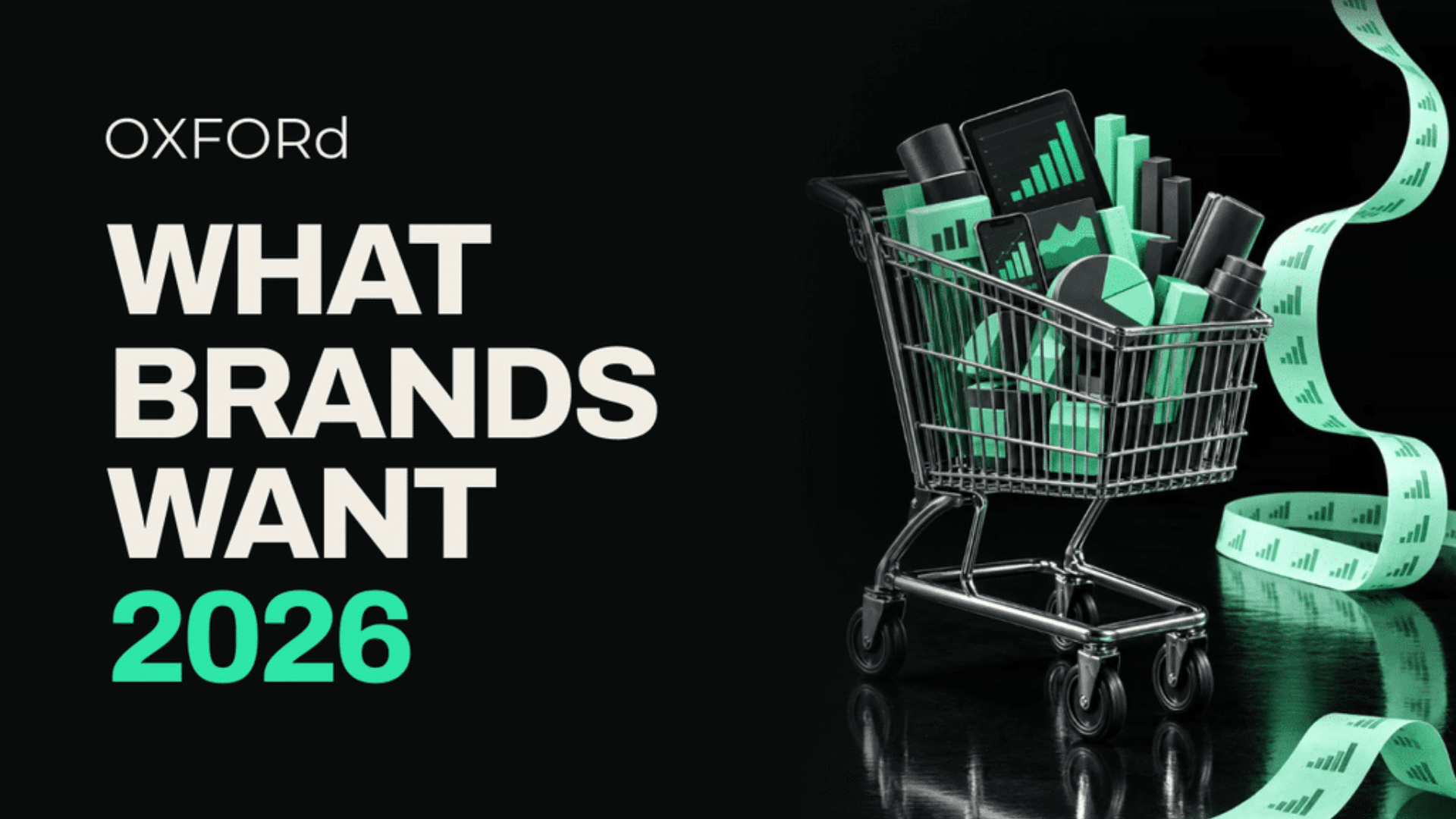
Image source: Oxford Road The full report can be foundhere
Dragomir is a Serbian freelance blog writer and translator. He is passionate about covering insightful stories and exploring topics such as influencer marketing, the creator economy, technology, business, and cyber fraud.










More than half of the brand advertisers in a new Oxford Road survey named measurement gaps as one of their top three challenges holding back investment in podcasting, audio and creator media. The 57% figure leads findings in the firm’s “What Brands Want 2026” report, which also found that 59% of respondents increased podcast and audio budgets in 2026 but only 40% anticipate increases in 2027.
Oxford Road surveyed guests at its CAO Summit, held in Rancho Palos Verdes in July 2026, along with other brand experts specializing in podcasting, audio and creator media. The report said respondents represent hundreds of millions of dollars in spend, including three of the top 10 podcast spenders. The report does not state the total number of respondents. Its attribution findings are based on 41 respondents and its AI findings on 37.
Measurement Concerns Skew Toward the Largest Brands
Measurement was a top concern for more than 90% of brands with media budgets of $100 million or more, according to the report. Among brands with budgets under $100 million, fewer than half cited it. One respondent wrote that “every network defines inventory, impressions, downloads, reporting, and ad products differently.”
The report found 38% of respondents under-attribute results from podcasting, audio, and creator media, while 14% over-attribute. When asked for the single biggest obstacle to growing spend, 40% cited other channels delivering better ROI. The report noted that a similar share said they were under-attributing.
Simple Attribution Methods Lead in Use and Trust
More than 60% of respondents still use vanity URLs, the most widely adopted method. Geo-holdout testing is used by 27% of respondents, but 82% of its users rank it among their three most trusted methods. Promo codes (68%) and vanity URLs (62%) followed on that measure. Marketing mix modeling (43%) and multi-touch attribution (33%) drew lower trust among their users.
Video Podcasting Spend Lags
Nearly a quarter of participants do not invest in video podcasting at all, the report said. Oxford Road estimated that video creators could be missing as much as $1.15 billion in annual revenue, based on survey responses and eMarketer’s August 2026 forecast of 2027 podcast spend. The report’s executive summary said two-thirds of brands would spend more if video podcasting achieved parity with audio.
The report said some brands feel YouTube impressions are positioned as premium podcast inventory when they do not necessarily merit that designation. It said measurement uncertainty also affects brands’ commitment to simulcast podcasts.
Ad Environment and Operational Complexity
More than 40% of respondents pointed to the advertising environment, particularly growing ad loads and repetition, as an obstacle to investment. One respondent said ad loads “have been extremely disappointing as of late.” Others cited the “productization” or “radioification” of ad reads, which the report said has led some brands to question current CPM inflation.
Almost 25% cited operational complexity as a major barrier. Brands not growing spend next year cited it twice as often as other brands.
More than half of participants said guaranteed performance opportunities would convince them to invest more. The report said that could include running extra impressions where unsold inventory exists so advertisers hit their goals. Other options respondents favored included more flexible out clauses, lower minimums for testing, category exclusivity and pod-position guarantees.
Formats and Programmatic Buying
Most brands still prefer host-read ads, the report said. Respondents hitting or beating podcast goals ran a wider mix of formats than those missing goals. Among brands hitting goals, 72% ran branded spots, 61% announcer reads and 39% integrations. Among brands missing goals, the shares were 38%, 31%, and 25%. Brands missing goals used host reads more often, at 88% for both scripted and unscripted, versus 83% and 78% for brands hitting goals.
Only 22% of surveyed brands buy podcasts programmatically, and 37% have no plans to. Most adopters allocate less than one-fifth of audio budgets to it. Brands that buy programmatically cited audience-targeting precision (86%), cost efficiency, including lower CPMs (64%), and frequency management (64%). Only 29% cited reduced manual buying.
AI Stays in the Workflow
Among respondents, 62% use AI somewhere in audio advertising, but mostly for planning and preparation. Usage was 32% for scripts, 30% for host briefing and prep, and 24% for audience or campaign planning. Fourteen percent use AI-voiced ads that are not host endorsements, and 3% use AI for full ad production. No respondents clone host voices with AI or advertise in AI-generated content.
Image source: Oxford Road
The full report can be found here
Subscribe to Our Newsletter
Check Out Our Podcast