





Strategy
How Alexander Hicks Built Twin Atlas, The 100-Person Studio Powering Roblox’s Creator Boom

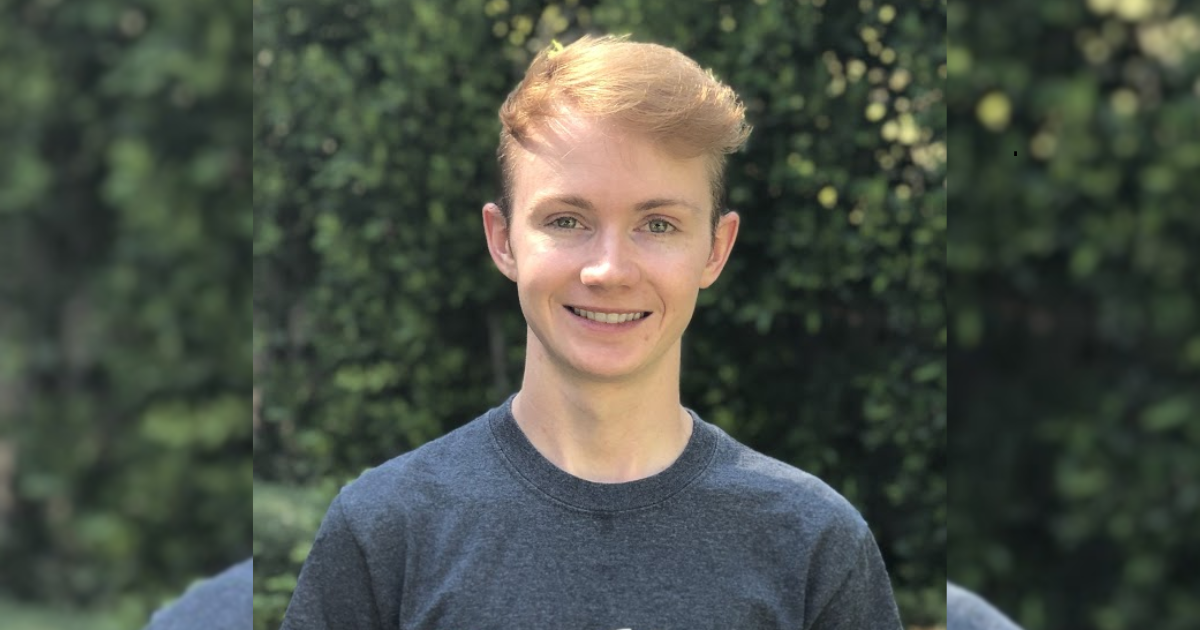
For Alexander Hicks, game development started as a curiosity. At 12 years old, growing up in Canada, he stumbled upon Roblox while searching for ways to make his own games. But, over the next decade, that curiosity turned into a business empire inside Roblox’s creator economy.
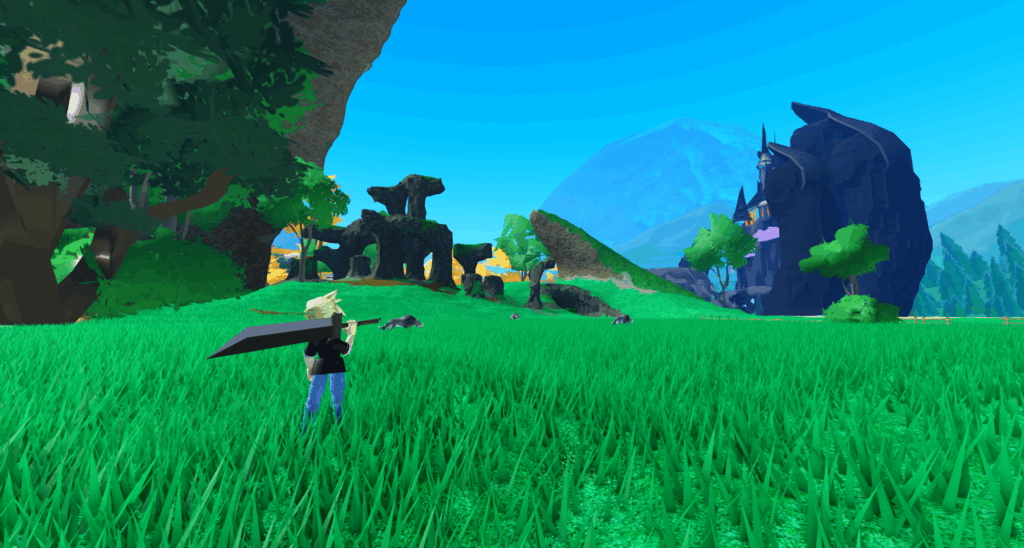
Today, Alexander is the Chief Design Officer of Twin Atlas, one of the largest Roblox studios, known for immersive worlds like “Creatures of Sonaria” (1.5 billion visits) and “Drive World,” which features brand integrations with “Transformers” and MrBeast. Twin Atlas was formed in 2022 from the merger of Alexander’s earlier studio, RedManta, and Sonar Studios, combining two of the platform’s top developer teams.
The company employs more than 100 staff members (more than 60 of whom are full-time) to build high-fidelity, player-driven experiences. Alexander describes it as a creator-led studio that thrives on the principles of experimentation, community, and longevity.
“We try to build games that are similar to what we grew up playing,” he says. “They’re not something that we release and then abandon. We want players to be part of the community for years.”
From Hobbyist to Studio Founder
Alexander began as a self-taught creator, reverse-engineering other developers’ work on Roblox in 2009. By 18, he was attending Roblox’s developer conference in California, which led to a string of internships at Roblox’s San Mateo headquarters. Those experiences became the foundation for his career.
“They threw us into the deep end,” Alexander says. “There were only about a hundred people at the company then, and I was employee 101 during my internship.”
By 2018, Alexander co-founded RedManta, a studio dedicated to publishing games on Roblox full-time. “One of my games started to blow up during my last internship,” he says. “It was paying me multiple times my salary, so I decided to take the leap.” Based near Roblox’s Bay Area offices, RedManta became one of the first dedicated Roblox studios.
When COVID-19 forced a shift to remote work, Alexander relocated to Las Vegas, where he later met the founder of Sonar Studios. The two teams shared a similar ethos: independent, creator-founded, and community-driven. Their 2022 merger formed Twin Atlas, a name representing their twin origins.
Scaling the Roblox Creator Economy
Roblox’s creator economy has surged in recent years. In 2025, creators collectively earned over $1 billion through the platform’s Developer Exchange (DevEx) in just 9 months. Roblox’s recent increase in DevEx rates – an 8.5% higher payout for converting Robux to real-world currency – signals its growing commitment to supporting full-time developers.
For studios like Twin Atlas, these adjustments have tangible effects. “That 8% can be an extra hire or ten extra hires,” Alexander explains. “As your studio gets bigger, that percent increase starts to matter a lot more.”
Today, Twin Atlas sustains itself through four key revenue streams: in-game purchases, premium payouts (from Roblox’s subscription users), merchandise via Shopify integrations, and brand collaborations. “We’re not aggressive with ads,” Alexander says. “But when a brand fits our audience, we love building something authentic – like the ‘Transformers’ world in ‘Drive World,’ where players could unlock Megatron and Optimus Prime.”
Inside a Living Virtual Economy
Managing large-scale games means operating live economies.
Alexander describes Roblox experiences as dynamic systems where players earn, trade, and build long-term relationships with virtual assets. “A lot of our monetization is based on giving players choices,” he says. “They can earn items by playing over time or spend to get them faster. We avoid hard paywalls because not every player can pay.”
Beyond gameplay, Roblox also hosts a growing virtual fashion economy. Players customize avatars with shirts, pants, accessories, and brand items that move across games. “When you create a Roblox account, you start as what’s called a bacon hair,” Alexander laughs. “People want to express themselves, so they buy clothing and gear; that’s a massive opportunity for brands.”
Twin Atlas helps facilitate this through UGC (user-generated content) campaigns and in-game rewards that unlock branded accessories.
Balancing Growth and Creative Freedom
Running a 100-person creative company brings logistical challenges.
Alexander likens Twin Atlas to a sports team. “You’re trying to pick people you can trust to do their role,” he says. “You can’t talk to everyone daily, so you empower them to make decisions.” He admits scaling from 10 to 100 people meant constantly reassessing systems. “When we plan leadership meetings, we ask: if we had double the people and games, what would break? Then we plan for that now.”
Still, Twin Atlas aims to stay nimble. “We see small teams of three or four people making incredible things,” Alexander notes. “We never want scale to slow us down.”
The Brand Integration Playbook
Twin Atlas’s growing reputation has attracted major partners, from LEGO Group and Capri Sun to MrBeast and Twenty One Pilots. The studio tailors each collaboration based on the brand’s goals and budget. “If they give us a small budget, we still find something authentic. If it’s larger, we build a full world,” Alexander says.
For the “Transformers” movie, Twin Atlas designed an entire universe where players could explore the film’s environment. “We even match developers to brands they love,” he adds. “If someone’s a LEGO fan, we want them on the LEGO project.”
For brands entering Roblox, Alexander says the biggest mindset shift is understanding that value comes from participation, not impressions. “Roblox lets users interact with a brand at their own pace,” he explains. “Don’t worry about recreating your brand one-to-one. Users aren’t evaluating it like that. They care about whether it’s fun.”
He also warns brands not to be overly restrictive. “Some car brands might not want players to repaint or crash their cars. But if you stop users from having fun, they’ll see your brand as uncool. Brands that say, ‘Go wild’ always win.”
Lessons for Marketers
Alexander believes success on Roblox can’t be measured by clicks alone. “If a brand integration feels like a value add and not an ad, that’s success,” he says.
Metrics like engagement spikes or positive like ratios help gauge reception, but the real test is community sentiment. “No news can mean good news,” Alexander jokes. “If people don’t complain, it probably went well.”
He urges marketers to respect the platform’s pace. “The Roblox ecosystem moves fast. Creators can roll out an update and adjust it within a week based on feedback. That speed makes some brands nervous, but it’s how this community thrives.”
As for Twin Atlas, the company continues to explore new genres, such as shooters and sports titles, to expand its portfolio while maintaining its core values. For Alexander, the mission remains the same: to create meaningful, enduring experiences that connect millions of players. “Work with creators who have a track record of success,” he advises brands entering the space. “Trust them to know what works on the platform.”
As Roblox’s creator economy grows into a multibillion-dollar market, studios like Twin Atlas exemplify how a new generation of developers is transforming virtual creativity into a sustainable business. Or as Alexander puts it, “At the end of the day, our true passion is building games that people love to play, and keeping them alive for years to come.”
Subscribe to Our Newsletter
Check Out Our Podcast