






Influencer
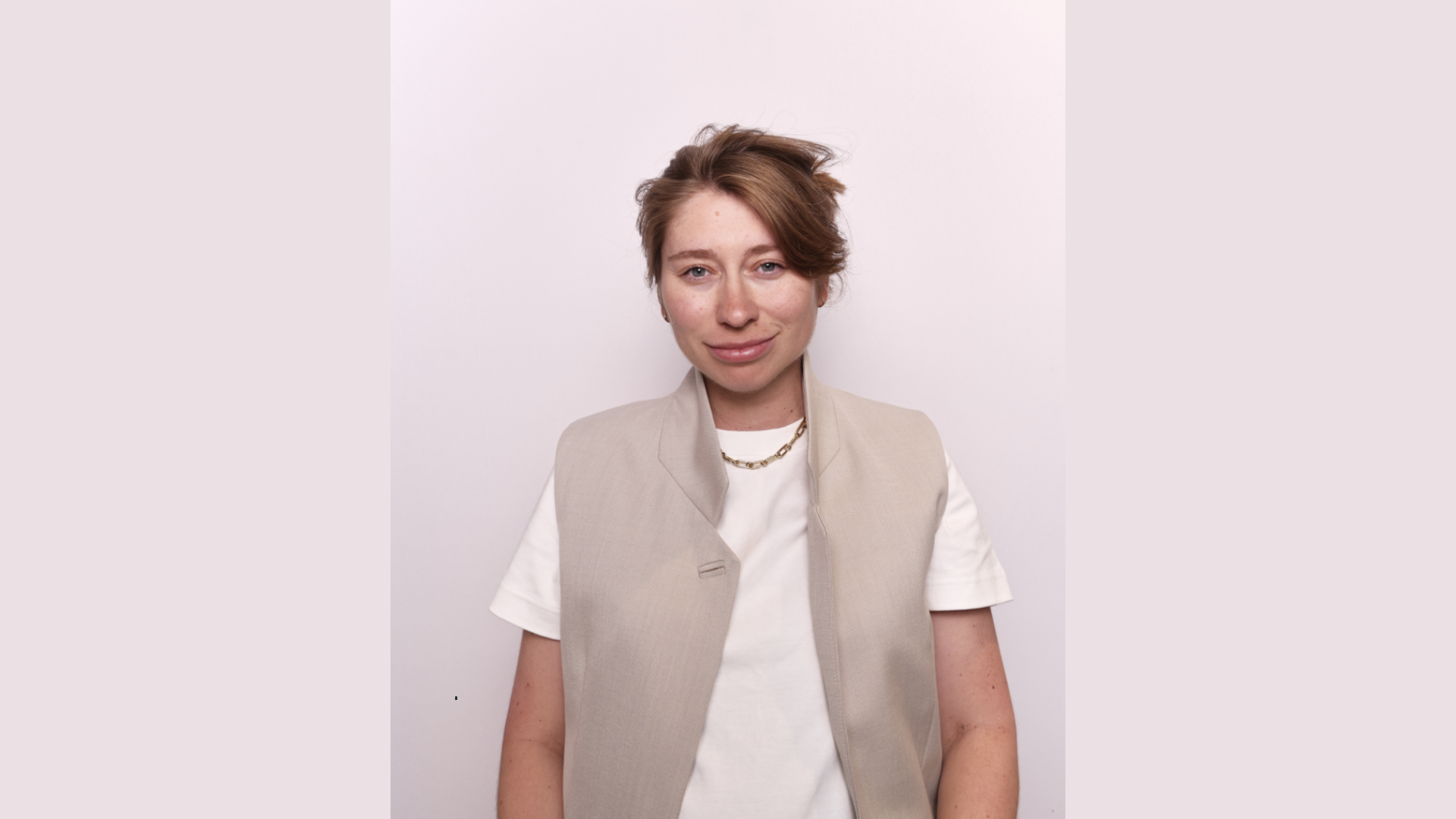
B2B Influencer Marketing Has Been Measured Wrong All Along, Says Kudos Narratives Founder Margo Laz

B2B brands have spent years applying consumer-influencer logic to professional platforms, chasing follower counts, celebrating viral posts, and measuring campaign success by aggregate impressions. Margo Laz, founder of Kudos Narratives, argues that the entire framework is wrong.
“In B2B, you can have thousands of likes, but just one like can matter from your target client, who you can sign for half a million,” she says. “That’s a completely different world.”
Kudos Narratives is a London-based Influencer Marketing agency founded in October 2023, specializing in LinkedIn creator campaigns exclusively for B2B technology companies. Margo built it after observing two converging forces: LinkedIn advertising costs climbing to among the highest of any major platform, and a new generation of professional creators building genuinely engaged communities around specialist topics.
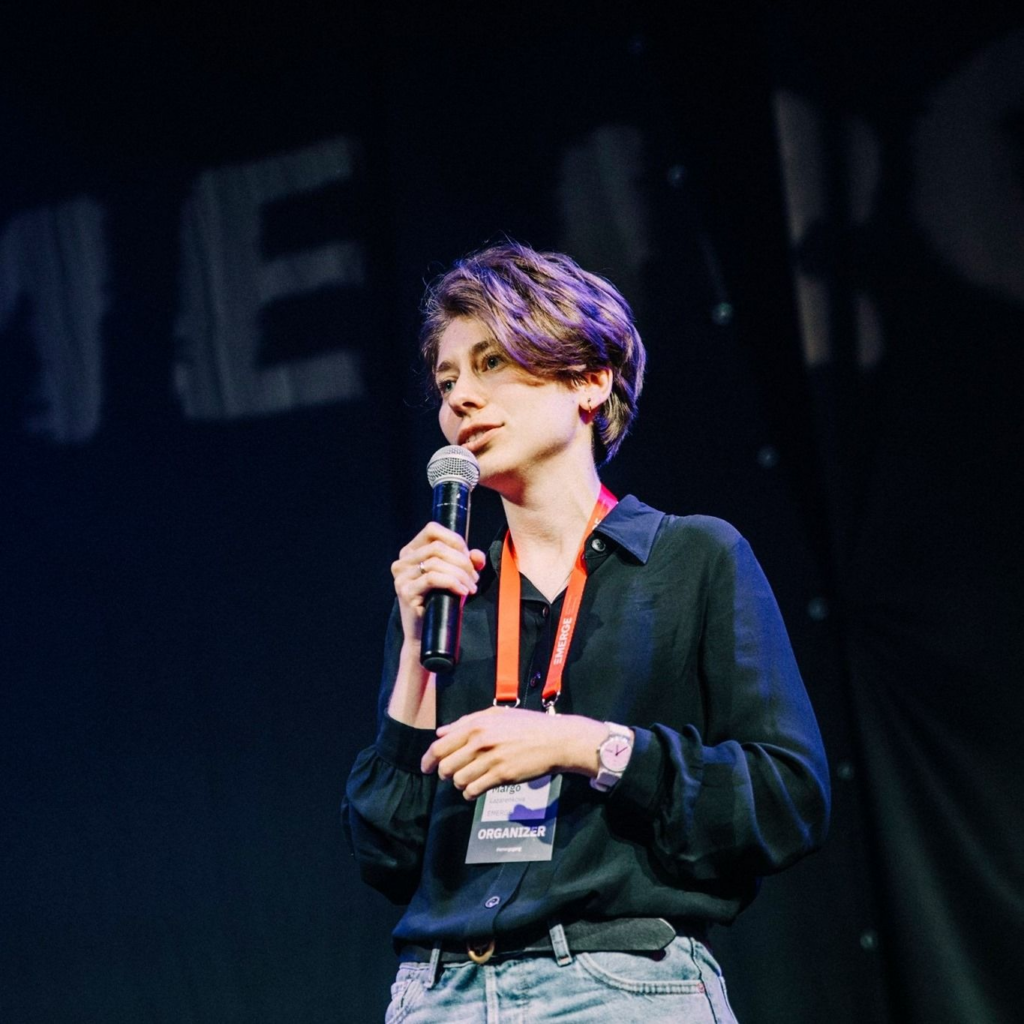
Margo came to the work through an unconventional path. She co-founded EMERGE, a global tech conference backed by Microsoft, AWS, and Google that grew to more than 6,300 attendees from over 100 countries. Building that event taught her how professional trust accumulates and why professional communities respond differently from consumer audiences.
She then consulted for hyper-growth SaaS startups on influencer partnerships and content marketing before launching Kudos. The agency has since run over 300 collaborations on LinkedIn.
The agency’s thesis rests on a distinction most Influencer Marketing glosses over: who sees content matters more than how many people do. LinkedIn’s professional identity layer, which allows Kudos to filter potential creators by job title, seniority, industry, company size, and geography, enables precision in targeting that no consumer platform can replicate.
“A UX designer working at a mid-sized tech company in the U.S. is findable on LinkedIn,” Margo notes. “That level of targeting is incredibly valuable for B2B.”
The Trust Gap That Created a Market
The conditions that made B2B LinkedIn Influencer Marketing viable emerged from structural shifts rather than platform design.
According to Margo, LinkedIn advertising costs remained the highest among major social platforms. Organic reach for professional creators was strong. And a broader trust collapse across social media, accelerated by the disruption around Twitter’s rebrand as X, drove professional users toward platforms they perceived as more credible.
Research she saw at the time ranked LinkedIn among the most trusted social networks globally. “LinkedIn became one of the most trusted social media networks in an environment where other networks were losing their trust,” Margo says. “B2B needed real people to promote their products. Ads alone weren’t working.”
The opportunity was structural. Brands relying on LinkedIn’s ad products faced diminishing returns and rising costs, making the channel increasingly difficult to justify. Creator partnerships offered an alternative that combined professional credibility with community engagement that their ad spend couldn’t buy.
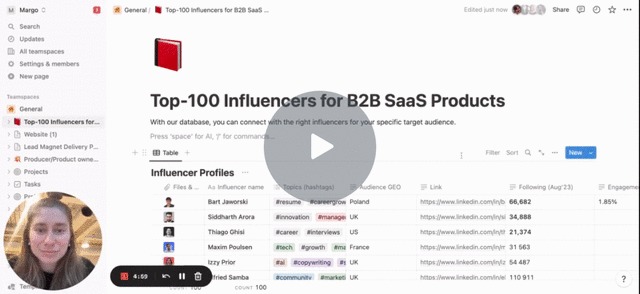
Margo began by building databases of top B2B influencers across different niches, which drew interest from tech brands and led to the agency’s first collaborations. The practice peaked with campaigns like a Notion x LinkedIn takeover executed with agency Creator Match, one of the most visible early examples of B2B creator marketing at scale.
Attention vs. Trust: The Creator Distinction That Drives Results
Not all LinkedIn creators serve B2B brands equally, and Margo draws a precise line between two types. Full-time content creators function as media channels: high-volume, trend-responsive, optimized for reach. They generate attention. Industry practitioners who post occasionally are different. They have day jobs as consultants, senior engineers, or product leaders, and share from active participation in their field rather than a content calendar. They generate trust.
“The future of B2B creators won’t be creators in the traditional sense,” Margo says. “They’ll be people who are actually working in the industry and occasionally sharing something very valuable from what they’ve seen and done.”
Kudos has stress-tested this in live campaigns. In a recent activation, the agency deliberately chose niche industry practitioners over better-known creator accounts. Several had never taken a paid collaboration and did not identify as influencers. Those creators outperformed the rest. “Posts with attention are good for brand awareness,” Margo says. “Posts with trust are good for lead generation.”
In Margo’s view, the practical implication for sourcing is significant. A specialist with 8,000 followers in a tight professional vertical will outperform a general professional creator with 80,000 followers if the brand’s target buyer lives in that vertical. Niche authority, she argues, comes before audience size in every evaluation.
Relevance Over Reach: How B2B Campaign Measurement Actually Works
The metrics that define success in B2B influencer campaigns bear almost no resemblance to consumer benchmarks, according to Margo.
Hence, Kudos approaches measurement with a narrower lens: not how many people saw content, but which people did. “The most important metric is the percentage of relevant ideal customer profiles that engaged throughout the collaboration,” Margo says. “In our reports, we mention the people from specific companies, with specific roles, who engaged with your content.”
After each campaign, the agency compiles databases of everyone who interacted with sponsored posts, reactions included. On LinkedIn, every visible engagement carries professional identity data. Those databases are then transferred to the client’s sales team. “Business development can approach these people not with cold outreach,” Margo explains, “but use the content as an icebreaker: ‘I saw you engaged with this post. I think you have an interesting profile. Let’s have a conversation.'”
Margo adds that LinkedIn’s algorithm reinforces the primacy of comments. “Comments significantly drive reach,” she says. “When team members join the conversation, it helps expand distribution and adds credibility.”
Kudos briefs brand teams to actively engage beneath sponsored creator posts, adding internal comments to expand distribution.
The Engagement Pod Problem Brands Can’t Afford to Ignore
Margo believes that LinkedIn’s professional credibility has attracted a parallel industry built to exploit it. Engagement pods, organized networks in which members exchange automated comments and reactions to inflate metrics, have become widespread on the platform. AI-generated comment farms compound the problem. A creator’s growing follower count may mask engagement data that no longer reflects authentic professional interaction.
“LinkedIn currently has a huge issue with engagement farms and comment pods,” Margo says. “There are services where people sign up and automatically receive AI-generated comments under their posts. Even if a creator doesn’t actively participate, the larger the following grows, the more bots appear.”
Client pressure on this issue is growing. As Margo shares, Kudos now receives explicit briefs specifying “no pod influencers.” The deeper vetting required for B2B campaigns makes creator evaluation more labor-intensive than in consumer campaigns. The agency examines comment quality and commenter identity, looking for evidence that genuine professionals in relevant roles are participating in authentic discussions rather than leaving generic affirmations.
Why B2B Influencer Marketing Can’t Be a Campaign
One of the most persistent mistakes brands make when entering B2B Influencer Marketing is treating it like a consumer activation: a short burst of creator posts tied to a product launch.
Margo is direct about why it fails. “B2B Influencer Marketing works best as an always-on strategy, not a one-off campaign,” she says. “Consistent exposure through trusted voices builds credibility over time. That’s the only thing that actually shortens the sales cycle.”
Margo draws on the EMERGE conference experience to make the point concrete. Even for a €200 event ticket, Google Analytics showed an average of seven or eight prior touchpoints before purchase, across email newsletters, social posts, website visits, and retargeted display ads. “If that’s what it takes to sell a conference ticket,” she says, “think about what’s required for a B2B software platform that takes months to evaluate and procure.”
From Margo’s experience, always-on programs maintain a consistent presence across the full buyer journey rather than creating episodic moments that audiences encounter once and forget. For brands still running Influencer Marketing through a campaign lens, the gap between what they’re measuring and what’s actually driving pipeline is likely wider than their reporting reflects.
A Market Still Finding Its Metrics
The market Margo entered three years ago has professionalized quickly. Creators who two years ago would not have described themselves as influencers now arrive at negotiations with media kits, defined pricing, and in some cases, talent agency representation. The infrastructure is catching up to the demand.
Margo expects LinkedIn itself to eventually introduce a native brand-creator marketplace, comparable to TikTok’s, that formalizes discovery and deal-making. She also expects the platform to address its engagement pod problem more aggressively. If both developments arrive, the ecosystem becomes healthier, and genuinely authoritative creators become easier for brands to find and verify.
For brands still on the sidelines, the calculation is straightforward: the specialists with genuine professional credibility in B2B verticals are building audiences now.
“LinkedIn is still undervalued,” Margo says, “mainly because many brands are measuring it with the wrong metrics. The real value lies in trust, authority, and conversations among the right professional audience. The numbers just don’t capture that yet.”