



Talent Collectives
Purple Goat’s Sister Agency Antidote Advocates for Disabled Creators in Brand Deals

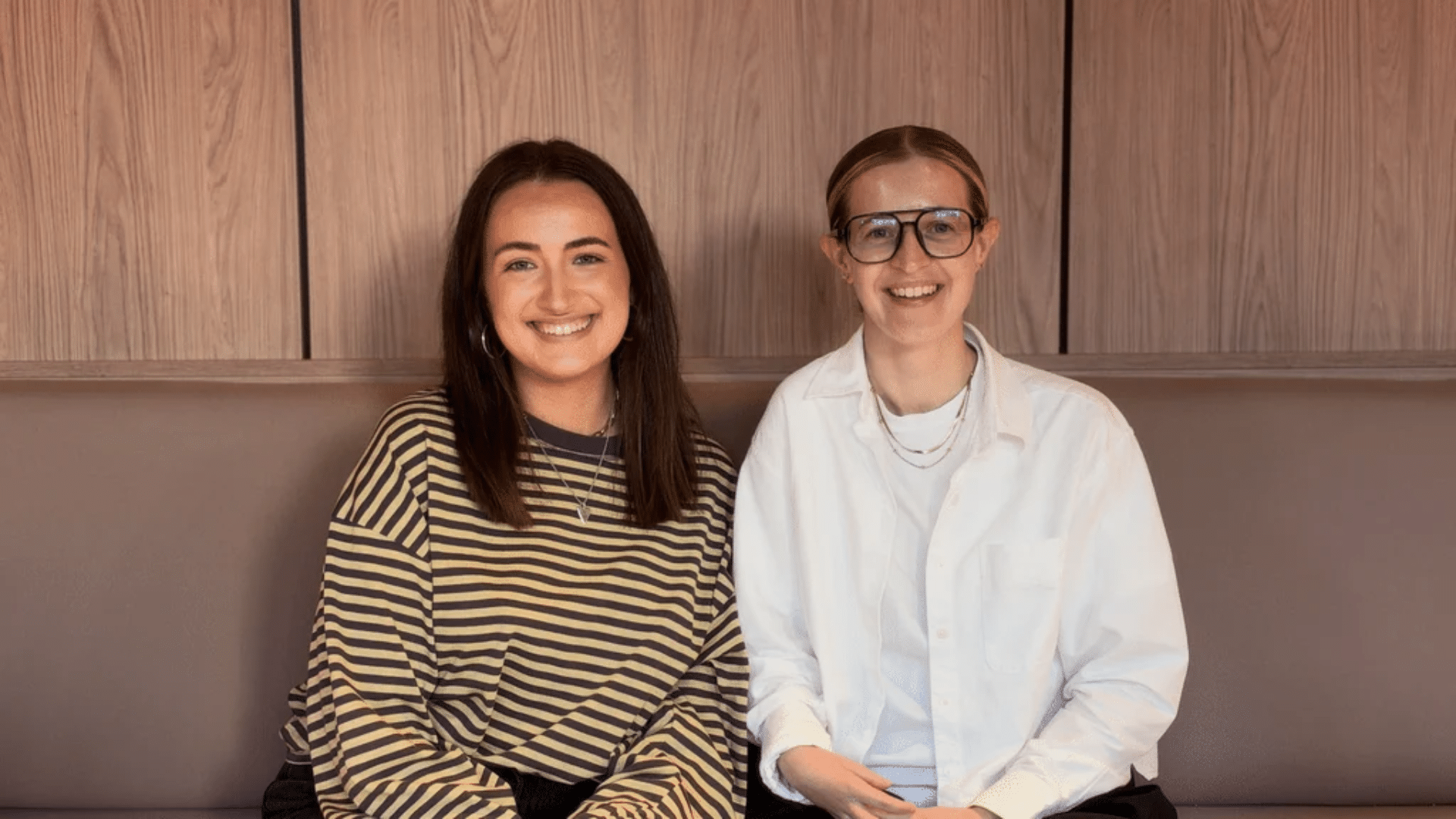
Antidote, a UK talent agency launched in October 2026 by the team behind inclusive marketing agency Purple Goat, negotiates what disabled creators would otherwise request from brands themselves, from a written brief in place of a slide deck to a few extra days to film. Its two talent chiefs, Tori Tyreman and Dani Roberts, argue that much of that negotiating would be unnecessary if brands brought disabled talent in at the start of a campaign.
“Having to advocate every single time you work with a brand, every single time you work with a campaign, can be exhausting and really tiring,” says Tori. Most disabled, chronically ill and neurodivergent people already do the same in their personal lives, she adds.
Both chiefs know the brand side of that exchange. Tori worked on influencer partnerships at GoHenry and THG Ingenuity and says some of her briefs there were less accessible than they could have been, before her own lived experience of disability reshaped how she works. Dani was Purple Goat’s first client, commissioning influencer content for Unlimited You, the fitness app she founded for people with disabilities, before joining the agency.
Antidote, which both run alongside their Purple Goat roles, operates as Purple Goat’s sister agency with its own brand and roster, representing disabled creators on brand partnerships, personal brand development and longer-term commercial work. Dani says the idea sat at Purple Goat for a couple of years, and the wait let the team learn firsthand what works in an accessible campaign. “People have really individualistic needs, and without that experience, we wouldn’t be able to provide that service for the creators that we’re working with,” she says.
Lived Experience Belongs at a Campaign’s Start
That experience points both chiefs to the same moment in a campaign. Dani argues that disabled talent is often slotted in at the end or used as a checkbox. “If brands integrate people with that experience and with that knowledge and expertise at the beginning of a campaign, you get a much better result at the end of it,” she says.
She puts disabled people’s representation in media at around 4%, a figure she says has not moved since 2018, and attributes much of that to brands’ fear of accidentally offending anyone. Her answer is procedural. “It’s just a conversation. Be open, be willing to have those conversations, speak to the right people and you’ll be able to figure it out,” Dani says.
The earliest form of that conversation she describes comes before any content exists. Purple Goat has used creators to run research sessions for TUI’s accessibility team, according to Dani, and the travel company went on to change hotel setups, adding calming areas, quiet zones and fidget toys for neurodivergent guests. “Using creators from a research perspective is such an important and vital part of a campaign that a lot of brands don’t do,” she says.
A Brief Should Fit the Creator Reading It
TUI’s changes were built around what individual guests needed. Briefs rarely are, in Tori’s account, and the same brief often goes to 20 different creators, which she calls understandable given how busy teams are. “It’s an impossible question to ask how a brief needs to be different, because the issue is it needs to be based on the person,” she says.
In practice, that can mean a written document in place of the “super colorful chaotic deck” many brands send, or a walkthrough on a video call. Tori also wants creators to have a safe place to ask questions, including ones that seem silly. Without one, she argues, creators produce content they are unsure about, and nobody ends up happy.
Antidote settles the format when it signs a creator. “If there is a specific way that they personally really like, we can accommodate that from the get-go rather than waiting for someone to be confused,” Tori says. That moves the fix to before the first draft. The brief’s schedule is harder for a creator to change alone.
An Agent Can Ask for the Extra Day
In Dani’s experience, a brand can send a brief one day and want content by the end of the week, and those turnarounds can be hard on creators with energy-limiting conditions. “If they need a carer to help them with filming, that’s also another consideration that sometimes a lot of people don’t even think about,” she says.
Self-managed creators sometimes push past their limits and trigger a flare-up of symptoms instead of pushing back on a big brand, according to Tori, citing what creators have told the team. With an agent carrying the message, talent is more likely to admit a deadline is too tight or ask for an extra day.
Dani tells creators upfront when a turnaround is tight, without promising an extension, and takes the conversation back to the brand if they can’t meet it. In her experience, brands are understanding “nine times out of ten.” “A lot of the time it’s just reassuring the brand that there’s not going to be any negative impact on the campaign,” she says.
That is the practical case for an agent in the middle, since creators may feel more comfortable requesting an extension through their agent than approaching a brand themselves. Tori’s larger concern is which briefs disabled creators are offered in the first place.
Disabled Creators Belong in Football Briefs Too
Many people still believe disabled creators can only work on disability-specific campaigns, Tori notes. She calls that belief a “huge misconception.” “Disabled creators don’t just need to work in one niche, and actually disability doesn’t even need to be a niche a lot of the time,” she says.
Cal Traquair, the football creator with cerebral palsy whom Antidote launched with, makes football and challenge content, and Tori wants sport campaigns in his inbox alongside disability ones. Purple Goat and Antidote both sit within the WPP Media family, which works with some of the biggest brands in the world.
When Antidote signed Cal, he posted only on TikTok and Instagram. The agency pushed him toward YouTube Shorts, and within about three months he had close to 100,000 subscribers and more than 6 million views there, according to Dani. “It’s great to now be able to work in a more curated, targeted way with creators to bring the best out of them and their content, using our years of experience seeing it from all angles,” she says.
That line matters because Purple Goat hires creators for brands while Antidote represents them, and the two can meet on one campaign.
Antidote Runs Its Dual Role in the Open
Brands are told upfront when Antidote talent is put forward on a Purple Goat campaign, and negotiations run as with any outside agent. If Tori manages the creator, another member of the Purple Goat team negotiates with her. “The client fully knows everything. It’s a fully transparent relationship,” Dani says.
Creators keep the final say. Talent signs off on every campaign, and Antidote keeps a shared tracker of brand outreach that its creators can see at all times.
Capacity sets the roster’s size. There is no fixed number of creators the two can represent, Tori explains, since some want light-touch support and others want hands-on help, so the roster stays small while both keep their Purple Goat jobs. Selection rests on “talent over numbers,” she says, with no follower benchmark a creator must hit.
Having heard from talent who sign with agencies and then rarely hear from them, Tori tells creators weighing management to look for regular check-ins. “Purely signing with an agency in the hope of getting more brand deals probably isn’t the smartest decision,” Dani says.
Antidote Expects Good Stories to Bring the Brands
Five years out, Dani wants Antidote at the forefront of putting human stories first, with creators sharing who they are in the way they choose. Tori wants a roster that spans different disabilities, content niches and platforms.
Each practice the two describe moves work off the creator and earlier into the brand’s process. Dani sees brand partnerships as the result of that work.
“If you’re telling really good stories and you’re helping people to do that, brands will come along, and brands will support that on their way as well,” she says.
Subscribe to Our Newsletter
Check Out Our Podcast