




Platform
Tubi Funds Creators and Lets Them Keep the IP, Betting Their Fans Bring New Viewers
Tubi pays creators guaranteed money to make shows, lets them keep the IP, and takes a window of several months of exclusivity in return. Rich Bloom, who runs the free streamer’s creator programs, says the audience flow runs both ways: creators bring younger viewers, often new to Tubi, who stay to watch its Hollywood catalog, while Tubi’s existing viewers discover the creators and become new fans.
That exchange works for creators because Tubi reaches viewers they don’t already have. Rich puts Tubi at 110 million monthly active users and says more than 30% of them are not on YouTube. Because the service is free, a creator’s existing fans can follow with little friction.
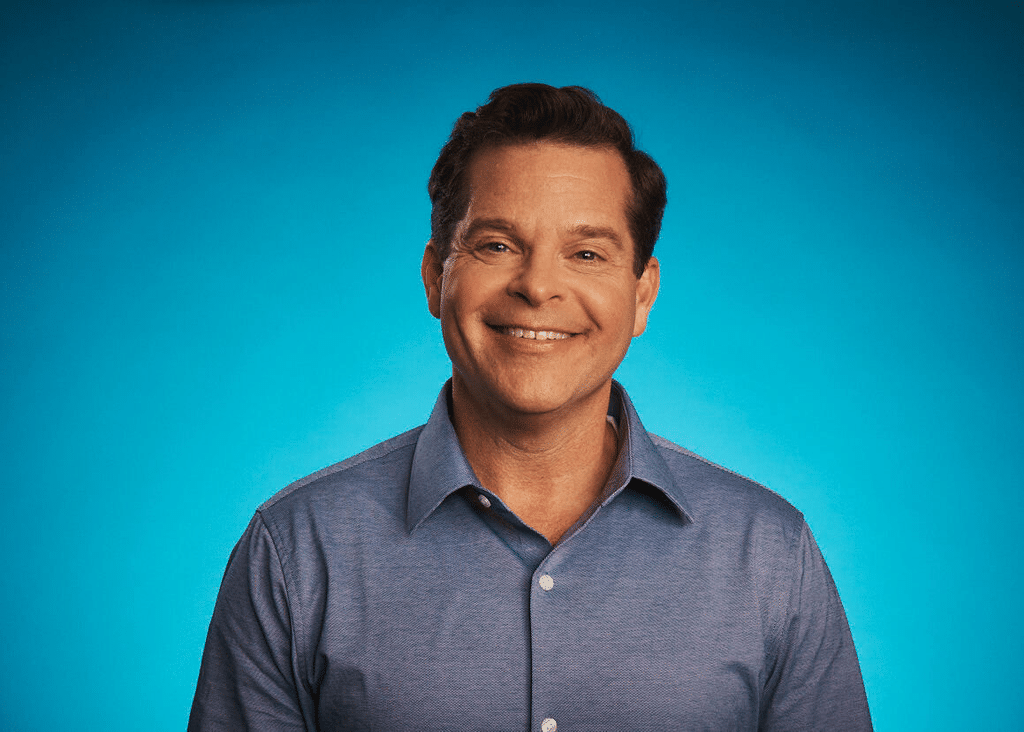
Bringing creators to those viewers is the program Rich launched after joining Tubi in April 2025 as GM of Creator Programs and EVP of Business Development. Working from New York, he signs creators with passionate audiences in specific fandoms. “We want to be the most creator-friendly streaming platform there is,” he says.
He has worked in this kind of distribution since 2008, when video distributor 5min brought content from early YouTube networks such as Revision3 and Next New Networks to publishers including AOL and Hearst, and he later ran Vimeo’s OTT business.
The approach now spans more than 70 exclusives and originals from creators, according to Rich. Tubi has also just closed its first ad packages built around that content.
Tubi Funds the Show the Creator Wants to Make
Most of those projects start smaller. At its base, Tubi licenses creators’ existing work on a non-exclusive basis and pays a revenue share, which Rich says is earning creators “real money.” When that content performs, Tubi often proposes an exclusive and funds it, so creators can work “without having to deficit fund something and without worrying about algorithms.”
The idea has to come from the creator, with Tubi offering feedback on what has worked. “The best things have been when a creator is like, ‘I have to make this,’” Rich explains. “And they’re so excited to be able to bring it to their fans and to new fans.”
The reverse also holds. “If we really have to chase a creator or if it was us really shaping the project, we find that’s much less likely to be successful,” he notes.
Tubi had early evidence for funding creator ideas. Before Rich arrived, it launched Stubios with Issa Rae, a fan-fueled studio where thousands of creators pitched originals. Its most successful project, Kelon Campbell’s “Terri Joe: Missionary in Miami,” reached No. 8 on the streaming originals charts after its January release. The same creator-first logic runs through the contract terms.
Creators Keep the IP, Tubi Gets a Window
On exclusives, Tubi pays guaranteed money with upside if the content performs, and the creator keeps the intellectual property and creative control. The company and the creator promote the title during the exclusive window. Afterward, the show stays on Tubi for a period, but the creator can take it to YouTube, social platforms, and other services.
Rich calls the structure a selling point for creators, and he says deals don’t tend to stall on terms. For Tubi, the return starts with the window. “We’re getting really amazing content from the creator that, for a period generally of several months, can only be seen on Tubi,” he explains.
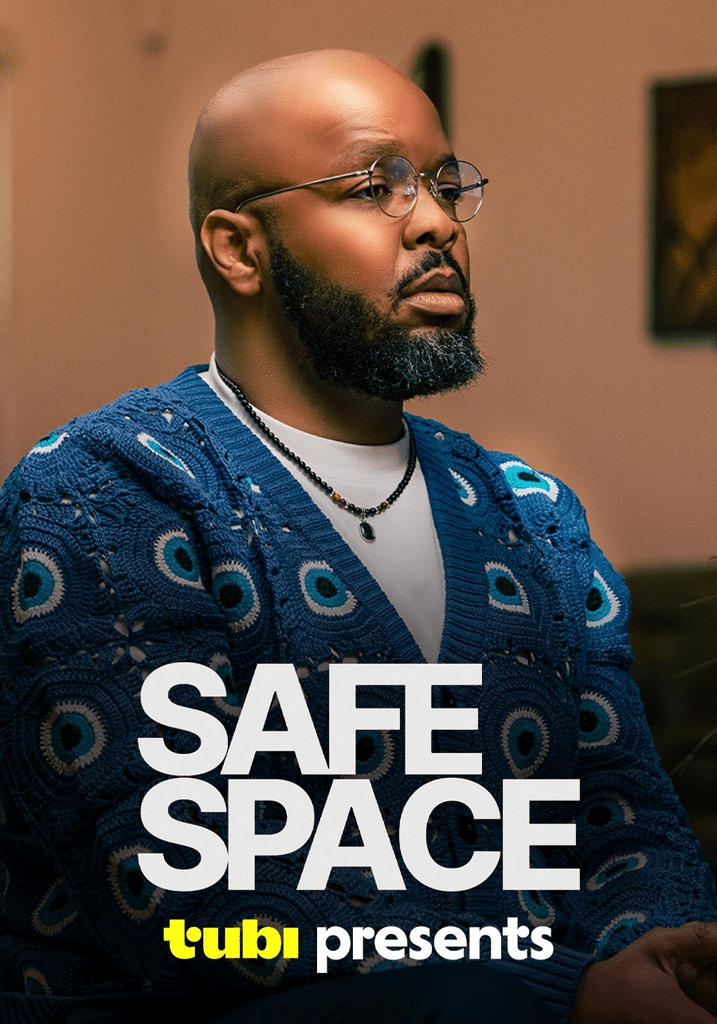
The larger return is repeat business. Eight creators have done multiple exclusive projects with Tubi, including “Rock Squad,” a teen and family channel created by Nicole O’Rourke, and comedian KevOnStage, whose deal covers multiple comedy series, a stand-up special and two feature films. After season one of KevOnStage’s “Safe Space” became a hit, Tubi quickly agreed to fund a second.
Letting creators retain ownership helps Tubi build long-term partnerships. It also buys access to their fans, and Rich says the exclusive window pulls in viewers who have never used Tubi or haven’t in a while.
Creator Fans Arrive Younger and Stay Longer
Those fans showed up before the program existed. “Sidelined: The QB and Me,” a Wattpad adaptation starring TikToker Noah Beck that Rich calls Tubi’s most successful original, drew a large new audience that came for the creator and stayed.
The pattern has held. Viewers who arrive for creator content have higher retention rates and skew younger than Tubi’s new viewers overall, according to Rich, in an audience where about 60% are Gen Z or millennials and more than 70% are cord cutters or cord nevers.
They also cross over. In a recent data point Rich cites, a viewer whose first title on Tubi is creator content most often watches a traditional Hollywood movie or series next. To him, that confirms younger viewers want Hollywood titles, independent work and curated creator content in one place.
According to Tubi, 68% of its viewers are not on TikTok, and nearly 30% are not on YouTube. Creators back that up, Rich says. “We also do have feedback from creators that none of the viewing on Tubi is cannibalizing their viewing on other platforms.”
That claim holds the trade together. Rich identifies incremental audience and revenue as key reasons creators have leaned into Tubi.
TikTok and Kickstarter Widen the Creator Pipeline
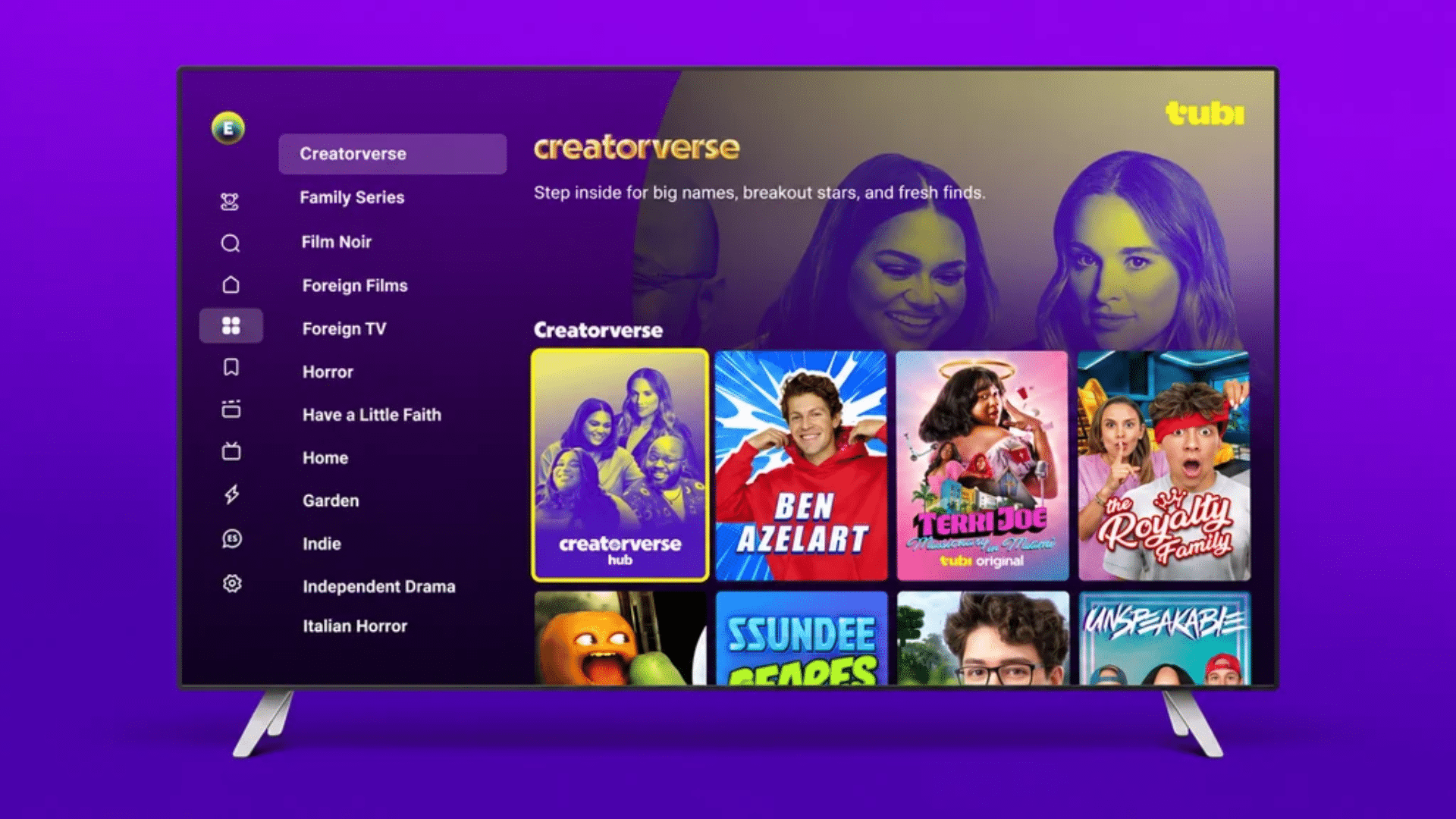
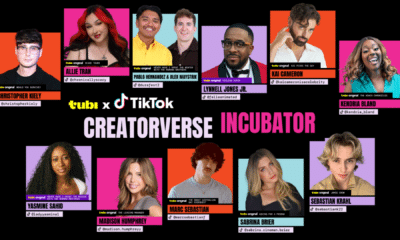
Tubi is now offering the same trade to creators who have never made long-form work. Its Creatorverse incubator with TikTok just named 10 projects, mostly from creators making long-form content for the first time. Some were paired with experienced creator-focused production companies, with the creator remaining the creative lead.
The shows premiere exclusively on Tubi starting next month, following a model similar to its other exclusives, and TikTok will promote them through tools such as Spotlight. Last week, Tubi also expanded its Kickstarter partnership to reach emerging digital-first creators who want to make TV shows and series.
“By doing these partnerships with Kickstarter and TikTok, it’s creating sort of a repeatable, scalable way that we can work with more emerging creators to take the next step,” Rich says.
He credits much of the traction to a standalone creator team staffed with people from TikTok, Spotify, YouTube and Meta, which moves fast on yes-or-no decisions. “The most valuable asset creators have is their time,” he notes. Rich welcomes rival streamers commissioning creator content, and his bet is breadth, from established names to creators with strong fandoms who aren’t getting other offers.
Advertisers Can Now Buy That Audience
That mix is also what Rich says sells to advertisers. Tubi focused first on building viewers and viewing time, and advertiser demand grew in the meantime. “What’s really resonated with advertisers is the idea of having this mix of established and emerging creators in this really brand-safe, non-UGC environment,” he explains.
The first couple of creator-specific packages let advertisers target ads to creator content, sponsor Creatorverse or sponsor exclusive original programming, and brand integrations into the content will follow. Rich says these are early days and expects the brand side to get more focus next year, which he says also gives creators a chance to earn more and land new brand deals.
Integrations will need the same buy-in Tubi asks for on originals. “We would want it to be something where the creator feels good about the brand, feels good about the opportunity, and that it’s going to be something they’re enthusiastic about,” Rich says.
The packages are new enough that Tubi has no advertiser results to point to yet.
Rich Tells Brands to Give Creators More Freedom
Rich’s advice to brands mirrors the deal Tubi offers creators. He would choose creators as long-term partners, make the relationship less transactional, and give them more freedom in how they work. “Really have your default be to trust creators knowing what audiences want more than we know ourselves,” he says.
He doesn’t present it as easy. “It can be tricky, and it’s not completely without risk, but it does ultimately, I think, lead to the most success and the biggest impact,” he argues. Tubi’s originals taught the same lesson.
Rich expects independent creators to take a bigger share of what audiences watch, and he sees the younger viewers already treating the two kinds of programming as one. “I think even in five years the distinction between creator TV and traditional will be meaningless,” he says.
Subscribe to Our Newsletter
Check Out Our Podcast