

Influencer
Lifestyle Creator Takes Part-Time Job After Going Viral, Then Builds a Business Around Her Own Days

Nardose Mesfin started posting during a break from her bartending work, with no plan and no concern for views. The videos took off, but she took a part-time job anyway, assuming social media could not be a job. Now her days are the product, and she is learning what to keep off camera.
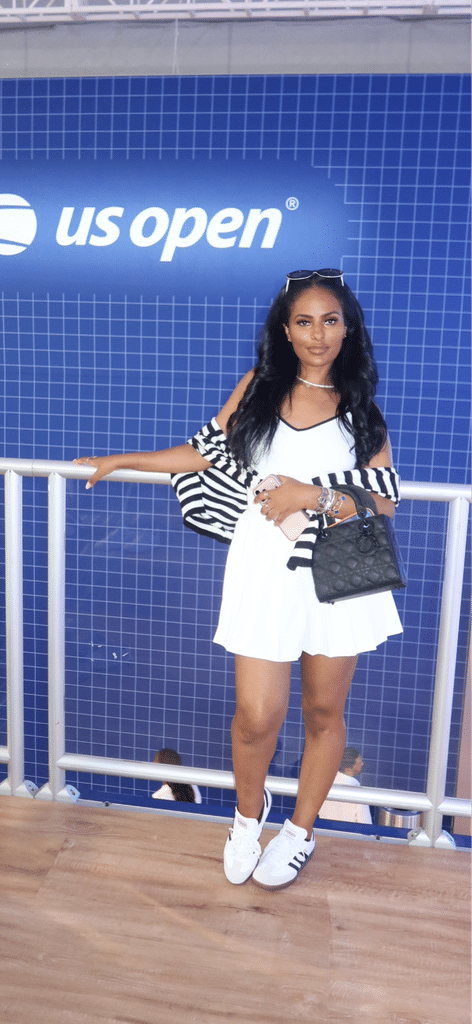
Today, Nardose, an Atlanta-based mother and lifestyle creator, films her cooking, shopping, cleaning, and home decor for a page called “Nardose Daily.” She works with Viral Nation, and brand deals now supply most of her income.
Followers return to that page for her voice. They come for “me,” Nardose says, meaning “my opinion and my take on things.” When she posts only visuals and music, they ask why she did not talk.
Managers Appeared After She Vented About Her Lack of Direction
Content followed two other careers. Nardose sold real estate in Colorado for five to six years, then moved to Atlanta around COVID after about six months without work. She planned to bartend there temporarily, and the stint lasted four years.
After her son was born, shifts that sent her home at 2 or 3 in the morning no longer worked, even though the money was good. She took four or five months off to decide between interior design and a return to real estate.
“I didn’t care if I got 10 views,” she says of her first posts, which she began “just for the sake of it” while hating social media. She now has an audience across Instagram, TikTok, and YouTube at close to 2 million.
The turn came when she vented online. She posted about her lack of direction on Instagram, and managers began telling her, “You can make money doing this.” Until then, she was not managed and was “making money here and there” without really monetizing her audience. Meetings with management are when she began to take content seriously, she says.
Once Brands Were Looking, She Had to Watch What She Posted
Monetization changed what Nardose could say. Brands look at her page and ask, in her telling, “Can I attach this? Can I put this on her page? And would it be safe?”
She used to joke and talk politics freely. “I had to watch what I put out there because it is now a business,” she says. She does not think she was ever vulgar, but calls the shift from not caring to depending on the income “a little scary.”
Single parenthood sharpens that pressure. “I definitely do feel the pressure to make money because everything falls on me,” Nardose says.
Consistency was already her habit, at about three posts a day, and she argues that “consistency will outwork and outearn the most talented person.” She also watches for the risk on the other side. Some creators lose their identity once content is only business, she says, and “I never want that to happen.”
Pitching Concepts Before Filming Cut Her Reshoots
Her routine runs around her son’s school hours. Nardose wakes before him to prepare, then films after drop-off, including the cleaning and errands that fill her day. Recording costs her little because the camera follows her life, and “the editing is the only thing that takes time.”
The format answers an earlier one. Before filming her days, she made curated advice content on dating, fashion, and confidence, and coming up with new ideas daily wore her out.
Brand work now comes first. She films sponsored videos before anything else and sends brands a concept or script ahead of time to avoid reshoot requests. “If they agree, I film,” she says. “That way I don’t have to reshoot.”
In July, Nardose had almost 20 brand deals. “I don’t know how I made it through that month,” she says. Beyond sponsorships, each platform pays her for views, and Amazon and LTK pay for affiliate links.
YouTube Gives Her Room to Change Her Mind
Nardose says YouTube viewers are more mature and generate less controversy. “I love YouTube more than Instagram, TikTok, all of that,” she says.
The difference shows when she changes plans. On TikTok and Instagram, she hears, “You said you weren’t gonna do this. How dare you?” Her reply is, “I’m a person. I’m gonna evolve, I’m gonna change.” On YouTube, she says, “I don’t feel like I have to suppress who I am.”
By her estimate, 80% to 90% of her audience is women between 25 and 35. Facebook and YouTube draw more married, Christian, stay-at-home women who, she says, are “living their life vicariously through me.”
Followers Who Pressed for Private Details Taught Her to Hold Back
Nardose says she overshared early, and some followers responded by digging into her private information. “I had no idea privacy could be a concern,” she says, describing the response as terrifying.
Followers also bait creators into correcting speculation about where they live, she says, and the correction gives the location away. For a moment, “I was letting my audience run me and bully me into giving them more information.” Her rule now is to let people misunderstand her. “I just don’t owe it to them,” Nardose says.
Those limits extend to her son. He appears when he runs through the background or during bedtime reading, but she does not put his name in titles or film milestones like potty training. “I really don’t want to take away consent, even though I’m consenting for him because he’s my child,” she says. “I have plenty of personality for all of us.”
She lets criticism of her parenting stand. “I welcome all opinions. I don’t filter my comments,” she says. She responds only to positive ones, and her followers argue with critics on her behalf.
She Calls AI Personas Dangerous and Expects a Harder Road for Lifestyle Creators
AI worries Nardose most when it poses as a real person. She accepts it for drama and comedy, but objects to “pretending to be a nurse, pretending to be the girl next door.” The polished lives these accounts show, down to private jets, add to the pressure on women to look perfect, she argues. “I think it’s extremely dangerous,” she says.
She expects the work to get harder for lifestyle creators as a result. “Not only do we have to fight against the algorithm, but we also have to fight against AI content,” Nardose says. Still, “if you stay true to yourself and connect with your audience, there is room for all of us.”
She Wants to Move From Promoting Other Brands to Building Her Own
Her next steps point toward ownership. She is writing an e-book, has discussed a podcast with her manager, and names a pajama line and a candle as products she wants to launch. She cites Jackie Aina as an example of creators who have branded themselves and calls that her goal. Brands trust her to promote their products, she says, and “I can market my own.”
That ambition sits beside a view of what holds an audience. She rarely wears makeup in her videos and argues that people do not go looking for polished, curated content. When she started, she says, “I was a beautiful mess.”
Her advice to mothers weighing the same move is to begin now. “Even if your life is unfinished, it’s beautiful just the way that it is,” Nardose says. “Just start from where it is, document it.”
Subscribe to Our Newsletter
Check Out Our Podcast