
Talent Collectives
How Brittany Ratelle Built A Law Firm To Protect The Business Of Being A Creator

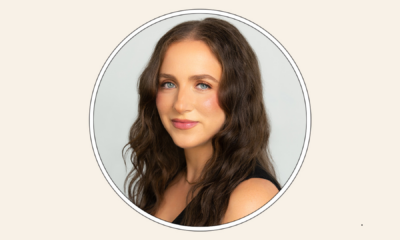
When Brittany Ratelle graduated from law school in 2011, few could have predicted that Instagram influencers and YouTube personalities would one day require specialized legal counsel. More than a decade later, Brittany has built a business around that very need. As founder of Ratelle Law for Creators, an intellectual property and business law firm serving creators, influencers, and digital-first brands, she has quietly become one of the most sought-after attorneys in the creator economy.
Her firm represents some of the industry’s most recognized names, including HopeScope, Not Enough Nelsons, Sharon McMahon, and The Bucket List Family, and offers legal support across brand deals, licensing, trademarks, and equity partnerships.
“I wanted creators to have access to legal that was affordable and from someone who really understood their business,” Brittany says. “Too often, they’d worked with lawyers who didn’t know the first thing about running a business on social media.”
Brittany’s path to this niche was less a calculated pivot than an organic response to a growing market gap. Early in her career, she handled family law and estate planning while raising four children. But, as friends who were early bloggers and photographers began asking her to review contracts and set up LLCs, she recognized an emerging class of entrepreneurs building entire companies online.
“I saw what was happening and thought, this online business thing is really blowing up, and no other lawyers are paying attention,” she says. “They didn’t know what a CPM (Cost per Mille) was or how brand deals worked. That’s when I decided to focus entirely on creative entrepreneurs.”
Early Signals in a Nascent Industry
Brittany likens the early days of influencer marketing to the start of a gold rush, only she wasn’t digging for gold; she was selling shovels. “I wanted to help people get set up properly because some of them were going to be successful,” she says.
A key realization came from observing how mobile technology reshaped consumer behavior. “A friend noticed moms at the park nursing their babies with one hand and scrolling Instagram with the other,” Brittany recalled. “That’s when it clicked: Instagram was going to be huge for women, especially those at home looking for connection.”
That insight proved prescient. As the creator economy matured from blogging to YouTube, short-form video, and podcasting, Brittany adapted with it. She repositioned her practice in 2017 as “an attorney for creative entrepreneurs,” focusing on brand protection, content licensing, and digital business strategy.

Legal Services Built for Modern Media Companies
Ratelle Law operates as a virtual firm offering flat-fee packages, subscription plans, and 24-hour rush reviews. “I don’t believe in keeping legal in some white tower,” she says. “If clients can’t understand what or why I’m doing something, that’s my problem, not theirs.”
The firm handles a wide range of transactional matters, from six-figure brand sponsorships and publishing deals to trademark portfolios and buyouts of family-run media ventures. “I’d much rather be a yoga teacher than an ER doctor,” she says. “It’s better to work proactively with clients before something goes wrong than try to fix a crisis afterward.”
That proactive approach has become critical as creators scale their businesses into multi-platform operations. Brittany’s clients increasingly seek guidance on intellectual property licensing, merchandising, and brand collaborations. “Licensing is like baking a cake,” she explains. “You own the whole cake, and licensing lets you decide who gets a slice, for how long, and for how much.”
As Brittany shares, her firm has filed more than 350 trademarks, often helping creators secure brand names, slogans, and product lines before expanding into books, courses, or television projects. “If you’d be heartbroken to change your name, you need a trademark,” she says.
Closing the Legal Literacy Gap
While legal awareness among creators has improved, Brittany still sees a lack of understanding about basic protections. “A lot of creators are risk-tolerant by nature. That’s why they’re entrepreneurs,” she says. “But treating yourself seriously as a business helps you set boundaries and avoid being taken advantage of.”
She regularly encounters clients who entered brand partnerships through informal direct messages or emails, only to discover missing payment terms or restrictive usage clauses. “Even a simple written contract is better than a DM,” she advises. “Be specific about deliverables, usage rights, and payment timelines. If a brand wants 90-day payment terms, that’s a red flag.”
Her firm’s review process extends beyond contracts to regulatory compliance. She stresses the importance of Federal Trade Commission (FTC) disclosure standards and mutual morals clauses, ensuring creators can exit partnerships if brands face reputational damage. “If a brand embarrasses you, you should have the same right to walk away,” she says.

Brittany at VidSummit
Multi-Platform Deals and IP Ownership
The legal environment for creators has changed significantly since Brittany entered the space. “It used to be just Instagram,” she says. “Now a single deal can cover Instagram, TikTok, YouTube, and Snapchat.” She also notes that budgets have grown accordingly, with six-figure ambassadorships, creator advisory roles, or even creator equity deals becoming more common.
More encouraging, Brittany adds, is the industry’s maturing stance on ownership. “Early on, brands often thought they needed to own the IP,” she says. “Now, it’s widely understood that creators should own their content and license it. That shift has been huge.”
Brittany also serves as a member of the American Influencer Council, where she advocates for fairer payment timelines. “No talent should have to be your bank,” she says. “If you say you’re ‘creator-first,’ pay them within 30 days.”
AI: New Legal Frontiers
Few topics animate Brittany more than artificial intelligence. While she sees AI as a powerful creative tool, she warns creators to use it responsibly. “If something is created entirely by a robot, it’s not eligible for copyright,” she explains. “That means everyone can use it. It’s basically public domain.”
Her guidance: document every stage of human input to preserve copyright eligibility. “Show your prompts, edits, and choices. That’s how you anchor your human creativity.”
Brittany supports federal efforts such as the proposed NO FAKES Act, which would create a national right of publicity to combat deepfakes and voice cloning. “Until Congress acts, the tools we have are copyright, trademark, and takedown notices,” she says. “Platforms take you a lot more seriously once you have registrations.”
Scaling Brittany Law
Today, Brittany continues to expand her practice while maintaining her original mission: affordability and accessibility. She complements her firm with a digital product line, Creative Contracts, offering downloadable legal templates, kits, and courses for creators and small businesses. “Most people don’t need a custom-drafted privacy policy,” she says. “They just need a solid one that keeps them compliant.”
The templates cover essentials such as independent contractor agreements, non-disclosure clauses, and intellectual property assignments, i.e., tools designed to help creators formalize relationships with editors, managers, or assistants. “If you hire friends or family, use a contract,” she says. “It might feel awkward, but it protects both sides. Contracts preserve relationships.”
What Comes Next?
Brittany’s clients now operate as full-fledged media companies, managing teams, licensing IP, and exploring product collaborations. “As creators grow, they’re dealing with the same issues as any business: hiring, compliance, and risk management,” she says.
When it comes to motivation, Brittany points to education. “My goal is always to make legal simple and actionable,” she says. “I want creators to take one small step forward, whether that’s registering a trademark or writing their first contract, and feel more confident in their business.”
She sees no sign of slowing demand. “The creator economy is just getting started,” she concludes. “My job is to help the people building it protect what they’ve worked so hard for.”