






Strategy
Why Most Brands Still Misunderstand Creator Marketing, According to Consultant Lauren Simpson


For many brands, creator marketing still sits on the margins of their marketing strategy. Campaigns launch, creators post, and performance gets measured. But, according to Lauren Simpson, that structure misses the point entirely.
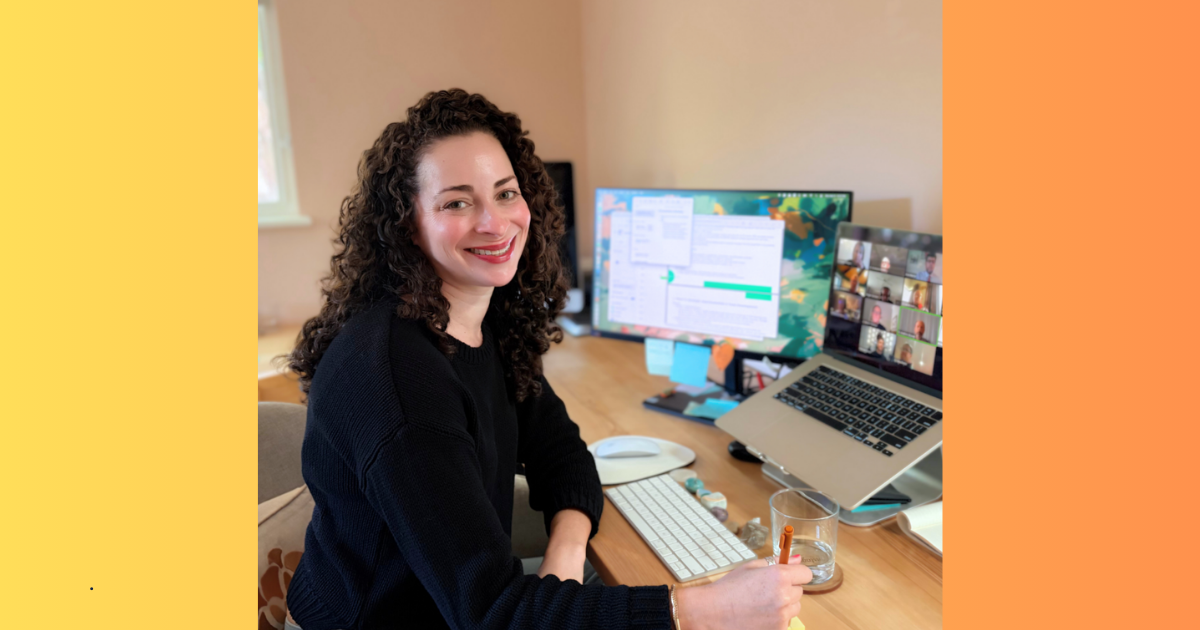
Lauren is the founder of Greendoor Consulting, where she works as a fractional creator executive and advisor helping brands, agencies, and Creator Economy technology companies build more effective creator programs. With more than a decade of experience working in Influencer Marketing and another decade in film production and business affairs, she brings an operational perspective that many brands lack when approaching creator partnerships.
“Influencer shouldn’t just be a lever you pull at the end,” Lauren says. “It should be integrated into the broader marketing strategy from the beginning.”
Before launching Greendoor in 2023, Lauren helped build and scale creator marketing teams at agencies including Collectively and Rakuten’s ShopStyle Collective, where she led strategy, sales strategy, and partnership operations teams. During her tenure, the organization contributed to more than 250% revenue growth while expanding its Influencer Marketing capabilities.
Today, she advises companies across the Creator Economy. Her work often focuses on the structural issues inside organizations that prevent creator marketing from reaching its full potential.
Influencer Marketing Is Still Being “Shoehorned” Into Other Roles
One of the most common structural problems Lauren encounters is organizational.
Many brands assign Influencer Marketing to social media or PR roles, assuming the disciplines are interchangeable. “Social media and creator marketing play in the same digital ecosystem, but they’re not the same,” Lauren explains. “Social teams focus on speaking the brand language on the brand’s channels. Creator marketing is about building relationships with creators and collaborating with them on how they talk to their audiences.”
That distinction matters because creator partnerships involve unique dynamics. Creators are not simply content vendors or media placements. They operate as independent brands with their own audiences, workflows, and creative processes.
For Lauren, the problem is not that social media professionals lack capability. Instead, she argues that brands often overload existing teams rather than building dedicated expertise.
“I see roles where someone is responsible for social, PR, and creator partnerships at the same time,” she says. “Those are all specialized fields. Expecting one person to do all of them well is incredibly difficult.”
The result is a structural gap. Brands invest heavily in creators themselves but often underinvest in the teams that manage those partnerships.
Operational Breakdowns Are the Most Common Agency Problem
When agencies bring Lauren in as a consultant, the issues she encounters are often less strategic than operational.
Many creator programs struggle with internal processes. Campaign execution involves multiple teams, creator communications, approvals, and platform coordination. Without consistent workflows, agencies can struggle to deliver reliable results for clients.
“Operational consistency is one of the biggest pain points I see,” Lauren says. “As teams grow, you need processes that are clean and repeatable so clients aren’t getting a completely different experience every time.”
At Rakuten’s ShopStyle Collective, Lauren focused heavily on building these operational systems. When she joined, one of her core responsibilities was to construct the campaign operations team and standardize how influencer programs were executed across clients.
Operational infrastructure rarely attracts the same attention as creative campaigns or influencer talent. Yet Lauren argues it is foundational to scaling creator marketing programs.
Without clear processes, agencies struggle to maintain client satisfaction as programs expand.
The Missing Piece in Many Creator Strategies Is the “Why”
Even when agencies and brands develop detailed campaign plans, Lauren believes another gap frequently emerges.
Many strategies emphasize tactics without clearly explaining why those tactics matter.
“The biggest gap I see when agencies present strategies is forgetting the ‘why,’” Lauren says. “Why should the client care? Why this creator versus another? Why is this partnership important to the brand’s larger goals?”
For marketing leaders, that explanation is critical. Influencer programs often compete with multiple other marketing channels for budget and internal support.
Without a clear connection to broader marketing objectives, creator marketing can be perceived as experimental or optional.
Lauren believes the solution is integrating creator strategy into the earliest stages of campaign planning rather than adding it later.
When Influencer Marketing becomes part of the initial strategic conversation, its role becomes easier to justify across the organization.
Why Long-Term Creator Partnerships Deliver Better Results
Another pattern Lauren frequently observes is the overreliance on short-term campaigns.
One-off influencer activations can generate bursts of visibility and can help you test new creator partnerships. But they rarely produce the deeper insights brands need to refine their strategies.
“I love longer-term partnerships,” Lauren says. “When creators work with a brand over time, you start seeing traction compound.”
Long-term partnerships allow brands to observe how audiences respond across multiple posts and formats. Engagement patterns become clearer. Audience feedback appears in comments and direct messages. Creators themselves provide insights into how their communities react to the brand.
That feedback loop is difficult to replicate in short campaigns.
“With one-off campaigns, it’s hard to understand what’s actually working,” Lauren explains. “Longer partnerships give you the data and the feedback to iterate.”
This approach also strengthens relationships between creators and brands. When partnerships extend over months rather than days, collaboration becomes more natural, and content often performs better.
Measurement Remains One of the Industry’s Hardest Problems
Measurement has long been a challenge for Influencer Marketing, and Lauren believes the industry is still working toward clearer standards.
Brands often attempt to apply metrics borrowed from other marketing disciplines, such as direct conversion or traditional performance marketing KPIs.
But those metrics do not always align with how creator partnerships actually work.
“We’re trying to apply measurement frameworks from other types of marketing,” Lauren says. “Sometimes those frameworks don’t align with Influencer Marketing.”
Instead, she advises brands to define success metrics at the beginning of each campaign.
A brand awareness initiative should not be evaluated using the same metrics as an affiliate campaign designed to drive sales.
By aligning metrics with campaign objectives from the outset, brands can avoid confusion when evaluating results later.
Creator Strategy Starts Earlier in the Marketing Process
Looking ahead, Lauren expects creator marketing to continue expanding. But she believes the next stage of maturity will come from deeper integration into marketing strategy.
Too often, creator campaigns are still added near the end of planning cycles.
“Mature creator strategy is when it’s part of those early conversations,” Lauren says. “When you’re building your annual marketing roadmap and asking how creators help achieve those goals.”
That shift would move creator partnerships from a tactical channel to a strategic one.
For brands entering the Creator Economy, Lauren sees one particularly important investment: expertise.
“The biggest blind spot I see is not investing in the teams that run creator programs,” she says. “You can’t just shoehorn it into another role and expect it to work.”
Creator Marketing’s Next Phase
Lauren launched Greendoor Consulting after years inside agencies because she saw a consistent pattern across the industry.
Many brands recognize the importance of creators. But they still struggle to structure their organizations and strategies around those partnerships.
Consultants and fractional executives may increasingly fill that gap, especially for companies that lack in-house creator expertise.
Lauren expects that executive advisory role to grow as the Creator Economy matures.
“Right now I spend a lot of time explaining where someone like me fits,” she says. “In a few years, I think companies will already know they need that expertise.”