



Influencer
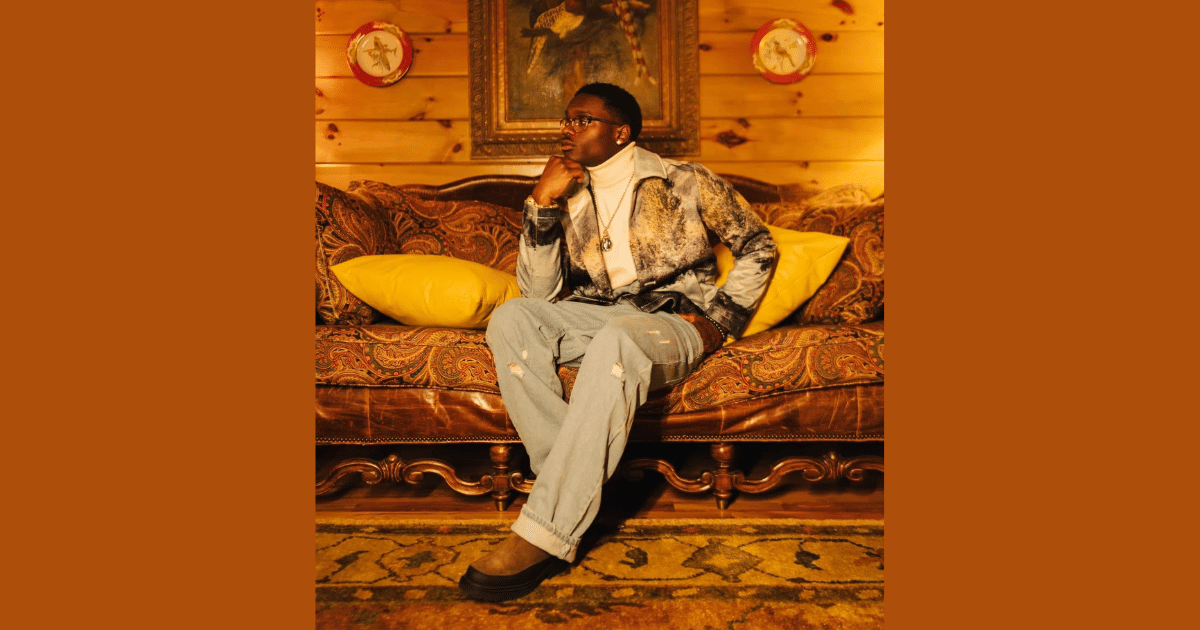
Theo Wisseh Stopped Caring About the Algorithm and Started Building a Film Studio

Theo Wisseh reached more than six million TikTok followers and then changed the metric. The new one is box office.
Theo, 24, has been making content since he was 14, building a comedy presence across TikTok, Instagram, YouTube, and Facebook that now exceeds eight million followers combined. He operates Wisseh LLC, runs a casting network for filmmakers and creatives, and has spent the past two years repositioning every element of his platform toward film and television. The algorithm frustrations and brand deal problems he describes along the way are not distractions from that story. They are the reason he made the pivot in the first place.
“I realized that I have more of a purpose and a passion for creativity in itself to let the goal just be the numbers,” Theo says.
A Hobby That Became a Commitment
Theo created his TikTok account in late 2018, treating it as most teenage creators do: casually. His first video drew a few hundred thousand views in a matter of days, which surprised him, but did not change his approach.
What kept him posting was not ambition. It was something closer to necessity. “I’ve always been a little bit more to myself,” he says, “but I always had a strong sense of expression. I always wanted to kind of show more of myself.” Content was the medium through which that expression found a home.
The real turning point came in November 2019, when a video of him cutting bread went viral, his first substantial moment of platform-wide attention. Even then, the reach felt secondary. What changed the calculus was high school graduation in 2020. Theo chose not to attend college, against his family’s wishes, and moved into content full-time. “This is my path, this is my life, this is what I want to do,” he says. “I took the risk, and it paid off pretty fast.”
What paid off, though, was not a clear direction. It was the space to figure one out.
How Chasing Views Led Somewhere He Did Not Want to Go
Early in his career, Theo describes his approach to content in frank terms. Followers, views, fame, money. That was the framework, and he followed it with focus.
The problem with that framework, as he eventually understood, is that it contains no information about where you end up. “If you just chase views and chase the results, then you’re going to end up doing whatever it takes to get those views,” he says. “And sometimes it might go down a path that doesn’t align with where you want to be.”
The shift happened gradually, as he realized that every piece of content was placing him somewhere in the industry conversation, and that some of those positions were incompatible with what he actually wanted. Film. Television. Directing. Writing. He began thinking about his social media output less as a content strategy and more as a continuous audition reel.
“Everything is on purpose to get me to where I’m trying to go, which is film, television, acting, directing,” he says, describing the change as a full 180 from how he started.
The Platform That Penalizes Consistency
Theo holds 6.2 million TikTok followers. His most recent video received approximately 7,000 views. The gap is not a complaint. It is his argument.
The mechanism is not incidental. TikTok, as Theo explains it, distributes content based on what is trending in a given category. When that category cools, the platform stops pushing content to existing followers, not just to new users. “There’s not another platform in the world that’ll allow that to happen,” he says.
Instagram operates differently. Regardless of what he posts, comedy or otherwise, he sees consistent reach in the range of 500,000 to 1 million views per video. That reliability matters for both audience loyalty and brand valuation. It is also where the brand signal is cleaner.
On revenue, the rankings shift further. Facebook, widely dismissed by younger creators, produces strong platform payouts for Theo. YouTube follows. TikTok’s monetization structure requires creators to meet thresholds he describes as unpredictable.
The practical lesson he has reached is one brands and creators alike would do well to internalize: the platform with the most followers and the platform that drives actual income are not always the same one.
Why Brands Keep Choosing the Wrong Creators
Brands working in the Creator Economy have developed a visible preference for lifestyle content. Theo has watched this from the inside and finds it strategically shortsighted.
His argument is not that comedy creators are excluded from brand conversations. It is that brands applying lifestyle logic to entertainment creators end up with worse results and worse creative. “I think they underrate what we can promote and what we can seamlessly integrate into our content,” he says.
The undervaluation shows up in deal flow: lifestyle categories pull a disproportionate share of sponsorships, while entertainment and comedy creators are treated as a secondary market, despite, in his view, commanding more of the audience’s actual attention.
The operational argument is direct. “People want to be entertained when they get on social media,” he says. “They want to laugh. And if you can make them laugh while putting your product in their face, I think that’s the best combination.”
Creative control is where the real negotiation happens. Theo avoids working with brands that arrive with word-for-word scripts. His reasoning is not about ego. It is about longevity. “It’s going on your resume every time you do an advertisement for a company,” he says. A brand integration that does not feel native to his content performs poorly with his audience and signals to the next brand that he is the wrong partner. The creative brief has downstream consequences that most brands do not model when they are writing it.
Building the Infrastructure Before the Opportunity Arrives
Theo’s casting call form on Instagram gets misread as an attempt to start a talent agency. The actual function is more specific.
He has spent time studying how durable creative partnerships operate in film. The example he returns to is the relationship between Michael B. Jordan and Ryan Coogler: a performer and a director who consistently choose each other, building shared working methods over the years. He has applied that model at his current scale. “I have a director that I work with consistently,” he says. “We have similar goals to get to the big screens.”
The casting call extends the same logic to writers, designers, and other creatives. The goal is to eliminate the logistical gap that tends to derail creator-to-film transitions. “When a company does reach out, and they want to give us a budget for film,” he says, “we don’t have to go out and find a director, we don’t have to go out and find actors, we don’t have to do anything. We have everything right here in-house.”
Theo is not approaching the film conversation as a creator who wants to try something different. He is approaching it as someone who has already assembled the team and is waiting for the right budget.
The Box Office Film That Proved Everything He Has Been Building Toward
Theo points to a specific moment in the recent history of the Creator Economy as proof of concept: Curry Barker, a short-form comedy creator who produced “Obsession,” which he describes as one of the biggest box office performers in recent history.
“There’s a lot of eyes on up-and-coming content creators who have all these ideas and concepts that are proven to be consumed,” he says. “It’s not like you’re taking a risk on something that might not work. We already have the audience that is begging for more.”
His own version of that path involves writing, directing, and producing a film with his existing team. The financing could come from a studio or a platform. If it does not, the plan stays the same. “If I have to do it by myself, I’m with it,” he says.
The business is organized. The team exists. The creative direction has been there for two years. What Theo is doing now is assembling everything into a position from which the right opportunity cannot be wasted.
“I feel like with what I’m blessed with, if I didn’t take it to the furthest extent that I could, I’d be doing a disservice to myself and everybody around me.”
Subscribe to Our Newsletter
Check Out Our Podcast