In Part I of our creator economy roundtable on the biggest misconceptions brands have about working with creators, industry experts converged on a clear theme: brands too often treat creators as advertising channels rather than as creative partners with unique audience relationships. This transactional approach diminishes the very essence that drives creator effectiveness.
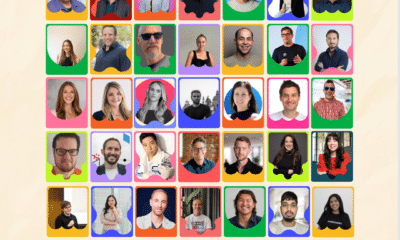
In this second installment of our three-part series, 14 industry experts extend the conversation beyond creative control to explore deeper strategic dimensions of brand-creator partnerships.
Creators today aren’t casual content makers; they’re running real businesses. The most effective ones blend creativity with strategy, balancing authenticity with performance in a way most brands still struggle to replicate. They know their audience intimately: what earns attention, what builds trust, and what quietly drives action. That’s not accidental; it’s the result of constant testing, refinement, and real-time feedback loops. Many have teams behind them, data dashboards in front of them, and a deep understanding of what resonates. Brands often come in with rigid messaging or assumptions about control, but the real opportunity is collaboration. Let the creator guide how your story is told. Their edge is not just reach, it’s relevance. When brands recognize that, the results go far beyond impressions. They tap into a connection that feels human, not manufactured, and that’s what moves people.
There is a tendency to treat creators as a line on the media plan, boxing them into content calendars when their value can extend far beyond that. Today’s creators are thriving as cultural amplifiers, creative directors, co-founders, and more. Deeper, strategic relationships between brands have to exist in order to shape the future of the industry. Our focus at TelevisaUnivision expands beyond social posts. We’ve launched creator-led extensions of our IP to further integrate creators across our entertainment and sports content, and have introduced capabilities that allow their branded social content to air across linear and streaming. There are so many touchpoints that exist when working with creators, and that offer a cultural and authentic connection for brands to further reach target audiences.
Brands think they’re buying a service when they should be building a partnership.
Too often, brands offer creators low guarantees with view-based bonuses that “might” reach their asking rate. But creators can’t pay their editors, thumbnail designers, or rent with “hopefully.”
After a decade working with creators at YouTube, Facebook, Spotter, and now Strand, I’ve seen how this vendor mentality backfires. Brands place orders, await delivery, then wonder why results disappoint.
Creators aren’t vendors. They’re media companies with audiences who trust them.
When brands negotiate aggressively or demand endless revisions while paying net-30, they signal how little they value the relationship that the creator built with their audience. Creators are essentially funding brand campaigns with their own cash flow.
The brands seeing real ROI? They treat creators like partners. They pay fair rates upfront. They understand that authentic creator recommendations outperform any traditional ad campaign.
Smart brands know: You’re not just paying for content. You’re investing in years of trust.
Want better results? Stop negotiating like it’s a transaction. Start investing like it’s a partnership.
Most brands structure creator partnerships around the goals of content deliverables and brand awareness. But by aligning these partnerships with attributable revenue and incentivizing through affiliate commissions, you unlock not only more sales but also better-performing, more authentic content from your creators.
One of the biggest misconceptions brands have when working with creators is treating them purely as talent instead of as media companies with their own distribution channels. A creator is not just showing up to deliver lines. They have built a loyal and engaged audience over the years, and they know how to communicate with that audience authentically.
Too often, brands try to force rigid campaign structures or overly scripted messaging that strips away the creator’s voice. This results in content that feels like an ad and misses the trust and relatability that make creators so effective in the first place.
Successful partnerships happen when brands collaborate with creators as equal partners. This means aligning on goals, respecting their creative process, and leveraging their audience insights. When brands embrace that balance, they get content that feels natural, performs better, and drives real results.
The biggest misconception brands have when working with creators is believing that micromanagement leads to better results. Many brands approach influencer partnerships with rigid scripts, excessive approval processes, and strict creative guidelines, thinking this control will guarantee success.
In reality, the most effective campaigns happen when brands give creators authentic creative freedom within clear brand parameters. Creators know their audiences intimately—they understand what resonates, what feels genuine, and what drives engagement. When brands trust creators to weave the brand message into their natural storytelling style, the content feels organic rather than forced.
The sweet spot is providing clear objectives and brand values while letting creators determine the execution. This approach transforms promotional content from obvious advertisements into engaging entertainment that audiences actually want to consume. Brands that embrace this collaborative mindset consistently see higher engagement rates, better conversion metrics, and stronger long-term brand affinity.
One of the biggest misconceptions brands have when working with creators is thinking that simply working with a creator with a large following will lead to a successful campaign. Sure, a creator with a lot of followers can drive major brand awareness, but a big following alone will not necessarily lead to sales or campaign engagement, and we’ve seen plenty of brands grow weary of influencer marketing because they’ve spent a big budget on a creator that didn’t actually move the needle. Brand marketers need to dive deeper into the creator’s analytics and demographics to understand how the content will perform and ensure that they are marketing to an audience that aligns with their target customer base.
One of the biggest misconceptions brands have when working with creators is believing that creators need them more than the other way around. In today’s landscape, creators have so many options that in order for a partnership to succeed, they need to find a mutually beneficial win where both the brand and the creator see real value.
The biggest misconception brands have when working with LinkedIn creators? They treat LinkedIn like any other channel. But B2B creators are very different from B2C. These are not entertainers or lifestyle influencers. They are founders, operators, and subject matter experts. Their audience follows them for insights, not aesthetics. For trust, not trends. At Creator Match, we have run hundreds of LinkedIn campaigns. The difference is clear. When brands treat creators like a media buy, plug in a brief, send a wire, and expect results, it does not land. The content feels forced, and the audience tunes out. The best campaigns treat creators like strategic partners. They co-create. They lean into the creator’s tone, perspective, and what their audience actually cares about. That is when the content performs. Because it is not about reach, it is about relevance. B2B buyers trust people who have been in the trenches. Brands need to earn that trust by respecting the creator.
The biggest misconception is that brands should dictate exactly what creators post instead of trusting them to do what they do best – create engaging content. I see brands hand over detailed scripts, rigid brand guidelines, and step-by-step instructions, then wonder why the content feels forced and doesn’t perform. Here’s the thing: you’re not hiring creators for their ability to follow directions – you’re hiring them because their audience already trusts their voice and content style. The most successful brand partnerships happen when companies give creators the freedom to authentically integrate products into their existing content format. Your brand guidelines matter, but micromanaging every word kills the authenticity that made you want to work with them in the first place. Trust their expertise!
A common misconception in brand collaborations is that one-off, “flash-in-the-pan” partnerships are the most effective strategy. This approach often lacks the authenticity and trust that consumers place in their favorite creators. True success lies in building long-term relationships, treating creators as genuine partners rather than temporary assets. By fostering these lasting connections, brands can strategically integrate their products throughout the entire marketing funnel. This allows for a more organic and layered content series, from subtle product placements that build awareness to candid reviews that educate consumers and ultimately, dedicated content that drives conversions. While not every partnership will be a perfect fit, the goal should always be to find long-term alignment, guided by data-driven insights, to create campaigns that resonate deeply and deliver lasting results.
The biggest misconception is that creators are just a means to an end — a quick way to buy reach. But in the Creator-AI Economy, that mindset’s already outdated. Creators aren’t passengers anymore. They’re building businesses, owning their monetisation, and using new tools to scale on their terms. The smartest brands will be the ones that respect that power — and collaborate, not just transact.
In APAC, there has been a shift in recent years around the brand-creator dynamic, driven by increased access to data, tracking, and attribution. Although brands still assume creators are just media channels for product placement, the reality is that the most impactful partnerships happen when brands treat creators as long-term collaborators: valuing their creativity, authenticity, and deep connection with their audience to co-create high-quality, engaging content.
Ultimately, it’s around how and in what way brands can integrate creators into their marketing loop, creating an orbit around discovery, attentio,n and engagement.
Brands often view creators as a channel with eyeballs they can pay to amplify their message. In reality, they’re so much more than that. Today’s creators are entrepreneurs with loyal, deeply engaged communities – with many making over six figures with just a few hundred paying customers. To succeed with creator partnerships, brands need to look beyond surface-level likes and follower counts and recognize the value of creators with modest followings. Their audiences are locked in, paying attention, and ready to learn from these creators. As creators build authentic relationships with their communities, they’re no longer willing to do anything for a paycheck. In fact, there was a 40% year-over-year decrease in creators’ willingness to compromise their values for high-paying deals. Brands wanting impactful creator collaborations should prioritize value-driven partnerships over manufactured virality.
Nii A. Ahene is the founder and managing director of Net Influencer, a website dedicated to offering insights into the influencer marketing industry. Together with its newsletter, Influencer Weekly, Net Influencer provides news, commentary, and analysis of the events shaping the creator and influencer marketing space. Through interviews with startups, influencers, brands, and platforms, Nii and his team explore how influencer marketing is being effectively used to benefit businesses and personal brands alike.


















In Part I of our creator economy roundtable on the biggest misconceptions brands have about working with creators, industry experts converged on a clear theme: brands too often treat creators as advertising channels rather than as creative partners with unique audience relationships. This transactional approach diminishes the very essence that drives creator effectiveness.
In this second installment of our three-part series, 14 industry experts extend the conversation beyond creative control to explore deeper strategic dimensions of brand-creator partnerships.
Brian Klais, Founder, URLGenius
Creators today aren’t casual content makers; they’re running real businesses. The most effective ones blend creativity with strategy, balancing authenticity with performance in a way most brands still struggle to replicate. They know their audience intimately: what earns attention, what builds trust, and what quietly drives action. That’s not accidental; it’s the result of constant testing, refinement, and real-time feedback loops. Many have teams behind them, data dashboards in front of them, and a deep understanding of what resonates. Brands often come in with rigid messaging or assumptions about control, but the real opportunity is collaboration. Let the creator guide how your story is told. Their edge is not just reach, it’s relevance. When brands recognize that, the results go far beyond impressions. They tap into a connection that feels human, not manufactured, and that’s what moves people.
James Heath, VP of Creator Marketing, TelevisaUnivision
There is a tendency to treat creators as a line on the media plan, boxing them into content calendars when their value can extend far beyond that. Today’s creators are thriving as cultural amplifiers, creative directors, co-founders, and more. Deeper, strategic relationships between brands have to exist in order to shape the future of the industry. Our focus at TelevisaUnivision expands beyond social posts. We’ve launched creator-led extensions of our IP to further integrate creators across our entertainment and sports content, and have introduced capabilities that allow their branded social content to air across linear and streaming. There are so many touchpoints that exist when working with creators, and that offer a cultural and authentic connection for brands to further reach target audiences.
Monica Khan, Partner and Head of Digital, Stand Entertainment
Brands think they’re buying a service when they should be building a partnership.
Too often, brands offer creators low guarantees with view-based bonuses that “might” reach their asking rate. But creators can’t pay their editors, thumbnail designers, or rent with “hopefully.”
After a decade working with creators at YouTube, Facebook, Spotter, and now Strand, I’ve seen how this vendor mentality backfires. Brands place orders, await delivery, then wonder why results disappoint.
Creators aren’t vendors. They’re media companies with audiences who trust them.
When brands negotiate aggressively or demand endless revisions while paying net-30, they signal how little they value the relationship that the creator built with their audience. Creators are essentially funding brand campaigns with their own cash flow.
The brands seeing real ROI? They treat creators like partners. They pay fair rates upfront. They understand that authentic creator recommendations outperform any traditional ad campaign.
Smart brands know: You’re not just paying for content. You’re investing in years of trust.
Want better results? Stop negotiating like it’s a transaction. Start investing like it’s a partnership.
Noah Tucker, Founder & CEO, Social Snowball
Most brands structure creator partnerships around the goals of content deliverables and brand awareness. But by aligning these partnerships with attributable revenue and incentivizing through affiliate commissions, you unlock not only more sales but also better-performing, more authentic content from your creators.
Damon Harman, Founder & CEO, StreamerDap
One of the biggest misconceptions brands have when working with creators is treating them purely as talent instead of as media companies with their own distribution channels. A creator is not just showing up to deliver lines. They have built a loyal and engaged audience over the years, and they know how to communicate with that audience authentically.
Too often, brands try to force rigid campaign structures or overly scripted messaging that strips away the creator’s voice. This results in content that feels like an ad and misses the trust and relatability that make creators so effective in the first place.
Successful partnerships happen when brands collaborate with creators as equal partners. This means aligning on goals, respecting their creative process, and leveraging their audience insights. When brands embrace that balance, they get content that feels natural, performs better, and drives real results.
Seth Girsky, Founder & CEO, Word on the Block
The biggest misconception brands have when working with creators is believing that micromanagement leads to better results. Many brands approach influencer partnerships with rigid scripts, excessive approval processes, and strict creative guidelines, thinking this control will guarantee success.
In reality, the most effective campaigns happen when brands give creators authentic creative freedom within clear brand parameters. Creators know their audiences intimately—they understand what resonates, what feels genuine, and what drives engagement. When brands trust creators to weave the brand message into their natural storytelling style, the content feels organic rather than forced.
The sweet spot is providing clear objectives and brand values while letting creators determine the execution. This approach transforms promotional content from obvious advertisements into engaging entertainment that audiences actually want to consume. Brands that embrace this collaborative mindset consistently see higher engagement rates, better conversion metrics, and stronger long-term brand affinity.
Sarah Boyd, Co-CEO and CRO of The Digital Dept.
One of the biggest misconceptions brands have when working with creators is thinking that simply working with a creator with a large following will lead to a successful campaign. Sure, a creator with a lot of followers can drive major brand awareness, but a big following alone will not necessarily lead to sales or campaign engagement, and we’ve seen plenty of brands grow weary of influencer marketing because they’ve spent a big budget on a creator that didn’t actually move the needle. Brand marketers need to dive deeper into the creator’s analytics and demographics to understand how the content will perform and ensure that they are marketing to an audience that aligns with their target customer base.
Gabriella Gomez, Content Creator
One of the biggest misconceptions brands have when working with creators is believing that creators need them more than the other way around. In today’s landscape, creators have so many options that in order for a partnership to succeed, they need to find a mutually beneficial win where both the brand and the creator see real value.
AJ Eckstein, Founder, Creator Match
The biggest misconception brands have when working with LinkedIn creators? They treat LinkedIn like any other channel. But B2B creators are very different from B2C. These are not entertainers or lifestyle influencers. They are founders, operators, and subject matter experts. Their audience follows them for insights, not aesthetics. For trust, not trends. At Creator Match, we have run hundreds of LinkedIn campaigns. The difference is clear. When brands treat creators like a media buy, plug in a brief, send a wire, and expect results, it does not land. The content feels forced, and the audience tunes out. The best campaigns treat creators like strategic partners. They co-create. They lean into the creator’s tone, perspective, and what their audience actually cares about. That is when the content performs. Because it is not about reach, it is about relevance. B2B buyers trust people who have been in the trenches. Brands need to earn that trust by respecting the creator.
Tara Knight, COO, Creator Match
The biggest misconception is that brands should dictate exactly what creators post instead of trusting them to do what they do best – create engaging content. I see brands hand over detailed scripts, rigid brand guidelines, and step-by-step instructions, then wonder why the content feels forced and doesn’t perform. Here’s the thing: you’re not hiring creators for their ability to follow directions – you’re hiring them because their audience already trusts their voice and content style. The most successful brand partnerships happen when companies give creators the freedom to authentically integrate products into their existing content format. Your brand guidelines matter, but micromanaging every word kills the authenticity that made you want to work with them in the first place. Trust their expertise!
Sam Royle, Co-Founder & CEO, SoSquared
A common misconception in brand collaborations is that one-off, “flash-in-the-pan” partnerships are the most effective strategy. This approach often lacks the authenticity and trust that consumers place in their favorite creators. True success lies in building long-term relationships, treating creators as genuine partners rather than temporary assets. By fostering these lasting connections, brands can strategically integrate their products throughout the entire marketing funnel. This allows for a more organic and layered content series, from subtle product placements that build awareness to candid reviews that educate consumers and ultimately, dedicated content that drives conversions. While not every partnership will be a perfect fit, the goal should always be to find long-term alignment, guided by data-driven insights, to create campaigns that resonate deeply and deliver lasting results.
Will Monange, Founder & CEO, Fanvue
The biggest misconception is that creators are just a means to an end — a quick way to buy reach. But in the Creator-AI Economy, that mindset’s already outdated. Creators aren’t passengers anymore. They’re building businesses, owning their monetisation, and using new tools to scale on their terms. The smartest brands will be the ones that respect that power — and collaborate, not just transact.
Toh Yi Hui, Country Manager (Singapore), AnyMind Group
In APAC, there has been a shift in recent years around the brand-creator dynamic, driven by increased access to data, tracking, and attribution. Although brands still assume creators are just media channels for product placement, the reality is that the most impactful partnerships happen when brands treat creators as long-term collaborators: valuing their creativity, authenticity, and deep connection with their audience to co-create high-quality, engaging content.
Ultimately, it’s around how and in what way brands can integrate creators into their marketing loop, creating an orbit around discovery, attentio,n and engagement.
Ahad Khan, CEO, Kajabi
Brands often view creators as a channel with eyeballs they can pay to amplify their message. In reality, they’re so much more than that. Today’s creators are entrepreneurs with loyal, deeply engaged communities – with many making over six figures with just a few hundred paying customers. To succeed with creator partnerships, brands need to look beyond surface-level likes and follower counts and recognize the value of creators with modest followings. Their audiences are locked in, paying attention, and ready to learn from these creators. As creators build authentic relationships with their communities, they’re no longer willing to do anything for a paycheck. In fact, there was a 40% year-over-year decrease in creators’ willingness to compromise their values for high-paying deals. Brands wanting impactful creator collaborations should prioritize value-driven partnerships over manufactured virality.