






Tech
How Wicked Saints Is Using Real-World Quests to Turn Games Into Brand Activation Channels

Brands entering gaming are used to a particular trade-off: high engagement, near-zero conversion. Roblox, Minecraft, and Fortnite each command massive time-on-platform numbers, but converting that attention into action outside the game has remained structurally difficult by design. Wicked Saints Studios is reporting something different.
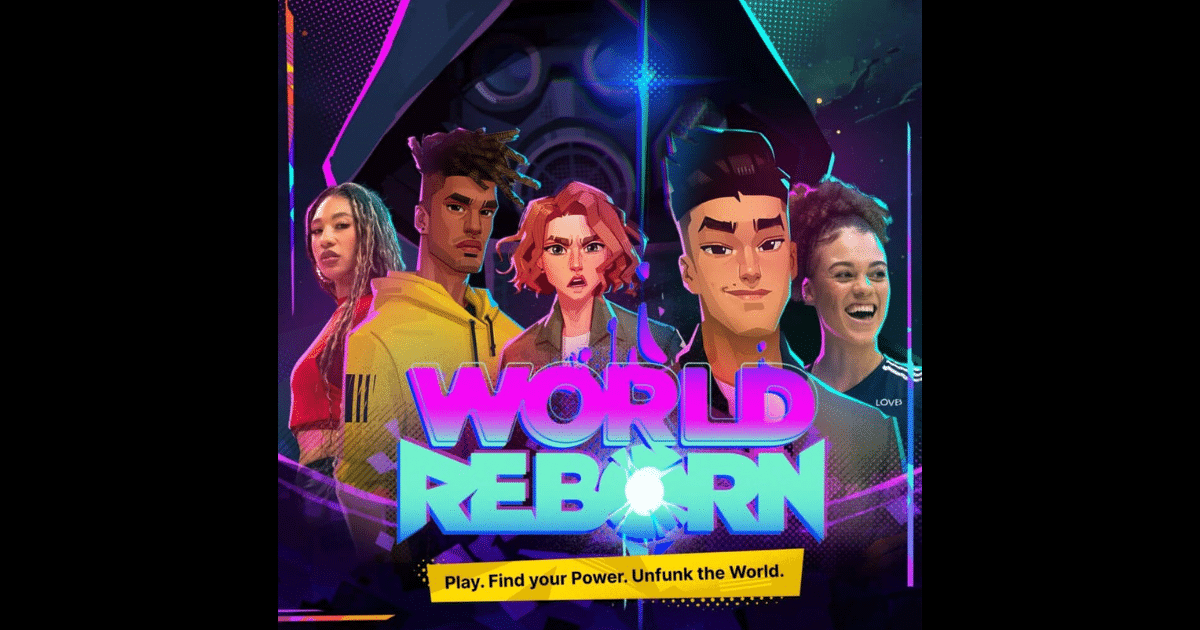
The female and Black-led game studio launched “World Reborn” on May 14, and coming off a pilot run last spring, reported an average 31% click-through rate across brand partners, alongside more than 8,000 players who wrote custom notes to hospitalized children after being prompted within the game.
“These platforms are designed to keep players within the confines of the platform,” says Jessica Murrey, CEO and co-founder of Wicked Saints. “They do a really good job engaging players with the brand, but not activating players on behalf of the brand. This is where we can come in.”
Founded in 2020, Wicked Saints is backed by Riot Games, Reid Hoffman, and Niantic’s BDI incubator, and is among fewer than 100 companies led by a Black woman founder to have raised more than $1 million in venture capital, according to the company. The studio has raised over $5 million.

Jessica came to game design from a decade spent working in armed-conflict zones, training young activists and movement leaders in strategic storytelling as a tool for behavior change. Her co-founder, Alicia Clifton, is a behavioral science researcher with a background in positive psychology. Together, they built “World Reborn” around a specific finding from Clifton’s research: the primary barrier between Gen Z and real-world action is not apathy. It is self-efficacy.
“Self-efficacy is your belief in your ability to accomplish a goal,” Jessica says. “Social cognitive theory tells us it’s the number-one indicator of whether someone will take action. And a lot of young people don’t believe they can move the needle.”
“World Reborn” is now available on iOS and Android across the U.S., the UK, and Canada.
The Architecture Behind the Activation
The behavioral science framework underlying “World Reborn” runs deeper than a values-alignment pitch to brands. Jessica argues that standard game design has always inadvertently solved a problem that brands have been paying to solve separately, and that most of the industry has missed the connection.
“Games are built so that every time you go around the core loop, you get a little bit better,” she says. “What’s happening is you’re getting mastery. Mastery is how young people start to believe in themselves. Not when we tell them they’re great, but when they actually become a master at something.”
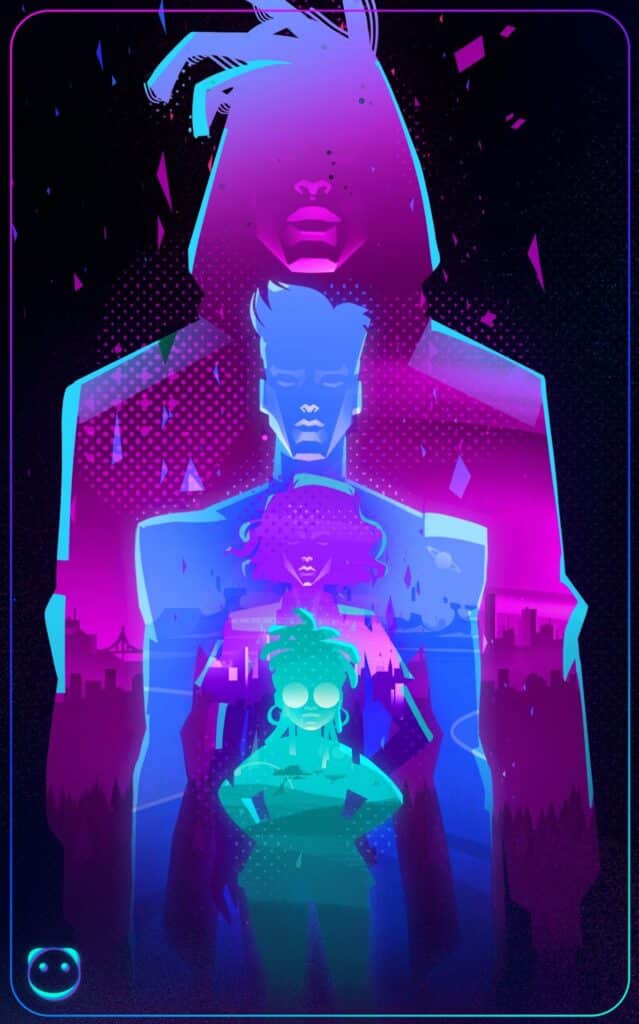
Inside “World Reborn,” players navigate a fantasy narrative involving an ancient evil called the “Rot.” Their in-game abilities are tied to a core character strength drawn from the VIA Institute’s 24-character strengths framework in positive psychology: curiosity, empathy, teamwork, and others. That strength changes how players battle within the game and influences their effectiveness in completing real-world quests. Mastery inside the fantasy world is designed to carry over as confidence in the real one.
The narrative layer works alongside the mechanic layer. Before founding Wicked Saints, Jessica used interactive storytelling to help activists internalize behavior change. “Behavior change doesn’t happen by giving people information,” she says. “It happens through experiences. With interactive stories, you get to decide how to respond in a situation, face the consequences, and learn, but in a really safe place.”
The Brand Unit Is a Quest, Not a Placement
“World Reborn’s” commercial model is built around real-world quests rather than in-game advertising inventory. Brand partners sponsor quests aligned with causes they care about, receive credit when players complete real-world actions, and access conversion data that existing gaming platforms cannot produce.
The pilot, run for eight weeks last spring, generated 22,000 installs and a 4.8-star App Store rating. Pilot partners e.l.f. Beauty and Discord averaged a 31% click-through rate across their quests, according to Jessica. During the “Starlight Children’s Foundation” quest, players were offered a pre-written note or the option to write their own to a hospitalized child. Fifty-four percent chose to write the note themselves, within the first ten minutes of playing.
“Roblox has a less than 1% click-through rate,” Jessica says. “Minecraft and Fortnite also have basically zero. These platforms are designed to keep players inside.” World Reborn, by contrast, is designed to activate players on behalf of brands through real-world quests.
Three launch partners illustrate the commercial range of the model. Discord used the game to host an empathy-training module for online interaction, measuring results by completion rates and click-through to Discord’s own platform. Crisis Text Line used it to prompt players to save its crisis number to their phones, framing the action as preparation for helping others in their lives. Starlight Children’s Foundation contributed Jade, a young girl who survived a double lung transplant at age 11, whose story inside the game drove the note-writing activations.
Jessica frames the platform’s structural advantage over event-based campaigns as one of continuity. “These real-world brand events cost thousands to millions of dollars and only exist for a day or two,” she says. “With our platform, we can continue to re-engage players, per season, as a brand has a new product launch, as they’re celebrating a heritage month.”
What a Creator Deal Actually Looks Like
Creators in “World Reborn” do not run sponsored posts or deliver brand talking points. They become characters. Wicked Saints builds interactive story modules from 30 to 45-minute recorded interviews about relevant personal experiences, which become quests players can complete within the game. Brands can bring their own creator partners, or Wicked Saints selects them based on alignment with a quest’s cause.
Selection criteria track values over reach. “We look for creators who have relevant experiences, know the audience of, or talk about one of the issues we are trying to activate players around,” Jessica says. “When they can talk about times they’ve made mistakes or assumptions around a certain issue, it’s super powerful for our players.”
Current creator partners include WNBA champion Aerial Powers, Black Girl Gamers founder Jay-Ann Lopez, and streamer Elle, whose module covers empathy and navigating difficult situations in online spaces.
For Elle, the distinction from a standard brand deal was structural. “I’ve never worked with a team that automatically made me feel so calm and like I could be myself, with no judgment,” she says. “I think that’s how all their work is made: making people feel seen, not judged, and like they belong somewhere.”
She adds that the project shifted her own thinking about her platform’s function. “Games like this can have a meaningful impact, helping people realize strengths they didn’t know they had,” she says. “One of my biggest priorities as a creator is to empower my community to be themselves, and I think this project contributes to just that.”
The Early-Mover Argument
Jessica frames the opportunity for brands through a comparison she heard recently at an industry conference: the engagement levels that gaming now commands relative to social media closely mirror what social media commanded relative to traditional advertising roughly two decades ago.
“Those marketers that were able to figure out social earlier got sky-high above their competitors,” she says. “That same shift is happening now between gaming and social media.” According to Jessica, 84% of teens screen products for social impact before purchasing, and a marketer she recently heard put it plainly: marketing is moving from persuasion to participation.
That shift creates a window for brands willing to engage in an impact-native structure rather than a repurposed ad model. “The brands that demonstrate care for their audience and for the world are going to be the brands that ultimately end up on top,” Jessica says. “The buying power and influence of Gen Z and Gen Alpha will just continue to grow.”
Redefining What a Win Looks Like
Ten years from now, Jessica wants “World Reborn” to have contributed to something more fundamental than conversion metrics. Her stated goal is a generational shift in how young people conceptualize conflict, from zero-sum competition toward shared problem-solving.
“Right now, there is a status quo of believing that in order to win, somebody has to lose,” she says. “If we can shift that, it’s going to completely change the way we all treat each other.”
The pilot suggested the game is landing where it was aimed; 97% of pilot players reported that the real-world quests made them feel good. Players on the game’s Discord server have described it as healing them and as daily evidence that their actions matter. The self-efficacy mechanism, designed to push players toward action rather than keep them inside, appears to be working in both directions at once.
“Now is the time to empower young people with the skills to take the broken pieces of this world and build a better one,” Jessica says.
Subscribe to Our Newsletter
Check Out Our Podcast