




Agency
From Casting to Creator Infrastructure: How Holy Marketing Is Turning Influencer Campaigns Into Owned Media

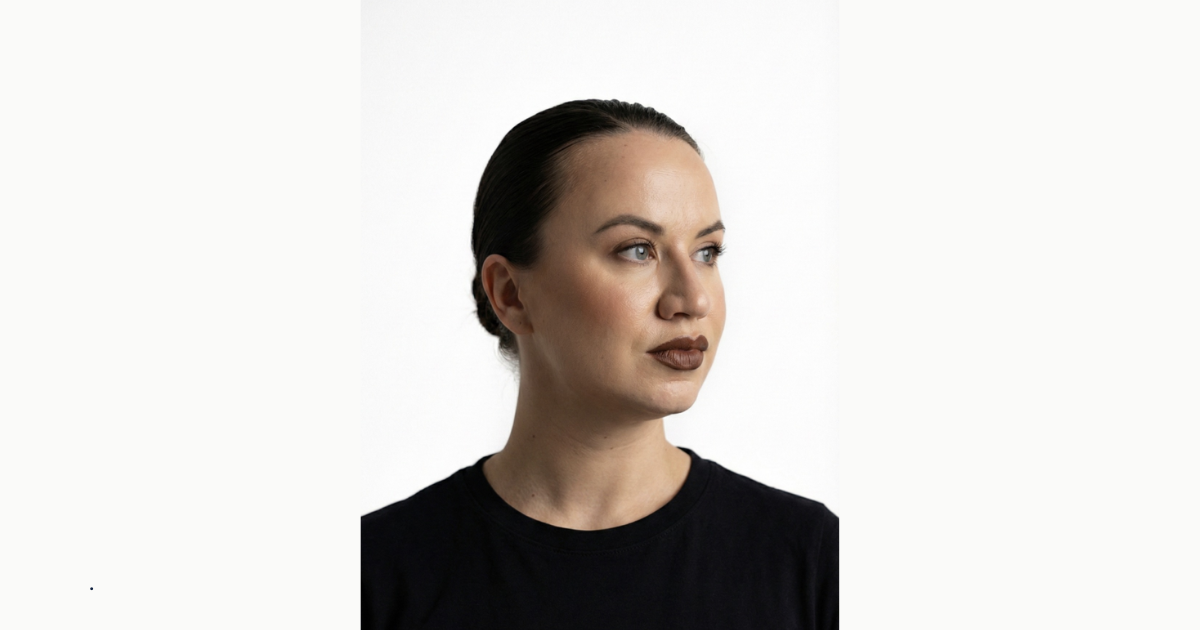
Most brands still treat Influencer Marketing like a media buy: select a creator, rent their audience for a week, and move on, according to Kseniia Petrina, co-founder and CEO of Holy Marketing. She argues that model is structurally broken and that the brands still using it are building on someone else’s foundation.
Holy Marketing, founded in 2020 and headquartered in Brooklyn, operates creator programs across the United States, Latin America, and the Caribbean. The agency reports executing more than 8,000 influencer collaborations per year and producing over 5,000 pieces of content monthly through what Kseniia calls creator factories, structured networks of vetted creators briefed around specific audience segments and content territories. The company serves clients in tech, fintech, gaming, and consumer sectors on both sides of the Atlantic.
“We build creator infrastructure for brands,” Kseniia says. “That is very different from running campaigns. A campaign means renting someone else’s audience for a week. What we build is a scalable system where creators become long-term distribution channels for the brand.”
Kseniia spent 12 years working across Latin American markets before expanding operations into the U.S., a dual perspective she considers Holy Marketing’s clearest competitive advantage. She also serves as President of the Association of Digital Marketing and Innovation of the Dominican Republic, a role that keeps her close to institutional shifts across the region.
“I understand how these markets think, consume, and buy,” she says. “And they do not behave the same way.”
A Campaign Ends, Infrastructure Compounds
The distinction Kseniia draws between campaigns and infrastructure shapes everything about how Holy Marketing operates. A campaign delivers a post and an engagement report. Infrastructure, in her model, compounds over time.
“When we build creator infrastructure for a brand, we identify creators who genuinely represent segments of that brand’s audience, develop them over time, systematize the briefs, track what resonates, and keep iterating,” she says. “The result is a distribution system that gets more efficient the longer it runs. Cost per acquisition goes down, trust goes up, and the content keeps working after the posting date.”
The analogy Kseniia returns to is ownership. The creator factory model, she says, came from a single question: what would it look like if a brand owned creator distribution the same way it owns an email list? Once that frame took hold, the operational system followed naturally. Holy Marketing manages briefing cycles, content calendars, performance reviews, and creator development on an ongoing basis, not just the handoff of a brief.
For one client, she describes running a network of 50 creators working across different audience segments, each covering a different angle of the brand’s value proposition. What hits strong view thresholds gets scaled. What falls flat gets replaced.
“The system is built to find winning combinations of creator, format, and message,” she says, “not just execute a one-time brief.”
Why the Casting Background Changes Everything
Most influencer agencies were built by media buyers or former brand managers. Kseniia says that Holy Marketing was not.
Before narrowing its focus to Influencer Marketing in 2022, the company started as a casting agency in the Dominican Republic, placing talent for Hollywood and European film and television productions. That background shapes how the team evaluates creators today, an approach Kseniia describes as fundamentally different from what influencer platforms measure.
“Casting taught us how to find the right person for the right role, which is still what influencer strategy is at its core,” she says. “We know how to evaluate screen presence and communication style in a way that goes beyond follower count.”
That lens also informs creator development. Holy Marketing builds new creator accounts from scratch for brands, not just activating established ones. The production background, Kseniia argues, translates directly into better briefing, stronger creative direction, and an understanding of what authentic performance under commercial pressure actually looks like.

Performance Metrics That Actually Connect to Revenue
When brands start treating creator marketing as a performance channel, the entire program structure changes, in Kseniia’s view. Briefs become more specific. Budget shifts toward conversion data instead of follower counts. Measurement expands past the post itself.
“The metrics that matter are CPL and CPA, the same as in paid search or display,” she says. “Impressions and engagement rates are useful signals, but they are not the result.”
Holy Marketing builds tracking frameworks that connect creator content to conversion events through links, promo codes, landing page attribution, or first-party CRM data. If the line between content and business results cannot be drawn, she argues, the brand is guessing.
A campaign for inDrive, a global ride-hailing platform, demonstrates the approach. The brand needed to grow its market presence in Miami. Holy Marketing started by segmenting the audience, identifying local creators with genuine community credibility rather than large follower counts, and tying briefs to specific conversion goals. The result, Kseniia says, was organic reach in the millions and a customer acquisition cost meaningfully lower than that of the brand’s paid channels.
The same discipline is being applied in B2B, a segment Kseniia calls underused. “We have seen cases where creator-driven B2B campaigns led to four times more demo requests over three months,” she says. That kind of downstream attribution is what separates creator infrastructure from content marketing.
The Executive Influence Shift Brands Are Not Ready For
One of the clearest signals of where creator marketing is heading, according to Kseniia, is a brief she is receiving with increasing frequency in 2026: make our C-suite into influencers.
“A year or two ago, the conversation was about brands building their own creators from scratch,” she says. “What has changed in 2026 is that more brands are coming to us and saying, ‘Here is our C-suite, make them influencers.’ Sometimes it is the CEO, sometimes the CMO, sometimes the whole leadership team.”
Kseniia points out that the challenge is different from developing a new creator account. With executives, Holy Marketing works inside constraints that do not exist with organic talent: existing public profiles, legal and communications boundaries, limited schedules, and little room to test and iterate before the content lands.
“With a new creator, you have room to test angles, build a narrative, and iterate quickly,” she says. “With a C-level executive, those options are much narrower.”
But the ceiling is higher when it works. “A founder who becomes a real voice in their category turns into a distribution asset that competitors cannot copy,” Kseniia says. Trust accumulated through consistent, genuine content is not something a larger media budget can replicate.

Why Translating a Brief Into Spanish Is Not a LATAM Strategy
Holy Marketing’s cross-market work has given Kseniia a direct view of where international expansion breaks down. The most common mistake, she says, is treating localization as a language problem.
“The biggest mistake is assuming audience psychology is the same,” she says. “In the U.S., audiences are highly skeptical of sponsored content. They have been exposed to polished marketing for years and are very good at spotting what feels forced. In LATAM, especially in markets like the Dominican Republic, Mexico, or Colombia, personal recommendation culture is stronger.”
That cultural difference changes which creators work, which formats land, and what kind of creative feels organic rather than imported. Platform dynamics also vary: TikTok, Instagram, and YouTube do not play the same role in every market. Kseniia notes that a brief optimized for U.S. skepticism can fall flat in a market where warmth and personal endorsement carry more weight.
“You cannot take a U.S. brief, translate it into Spanish, and expect it to work,” she explains. “Brands that only localize language and do not localize strategy usually underperform.”
Two to Three Years Before It Becomes Obvious to Everyone
Kseniia is direct about where the industry is heading. The brands building creator infrastructure now, she argues, are effectively building owned media at a fraction of what it has historically cost, and the window to do so cheaply is closing.
“As creators become more professional, with better analytics, stronger tooling, and more sophisticated partnerships, the value of long-term creator relationships will keep growing,” she says. “I think we are two to three years away from that becoming obvious to everyone.”
Kseniia believes that shift will expose the cost of short-termism. Brands that treat creator marketing as a recurring line item in a campaign budget keep starting over, rebuilding trust relationships that erode between activations. Brands that build the infrastructure keep compounding returns.
“Brands and agencies that still think only in one-off campaigns are building on rented land,” she says. “We help clients build something they can keep.”
Subscribe to Our Newsletter
Check Out Our Podcast