A legal theory advanced in Sony Music’s 2023 lawsuit against beauty brand OFRA Cosmetics is drawing renewed attention from brand marketers: companies may face copyright liability for music used in influencer-generated content when they review, select, repost, or otherwise amplify that content, even if they did not produce the original video.
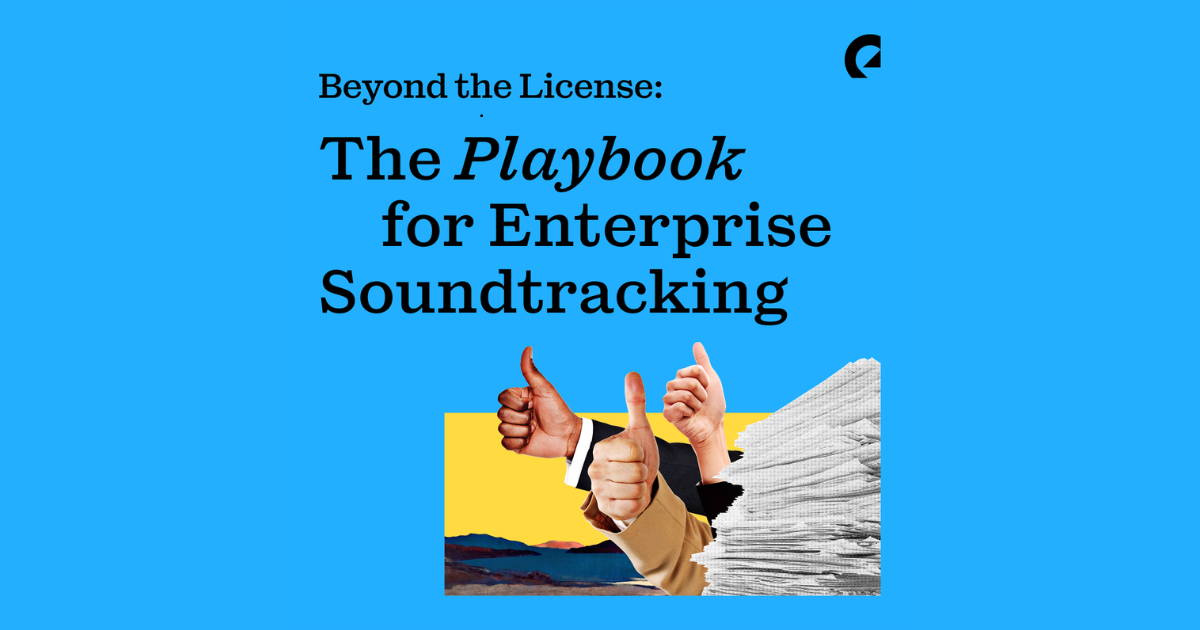
A new report from music licensing platform Epidemic Sound documents recent litigation and argues that platform-native music libraries leave brands with limited visibility into the risks created by influencer campaigns.
The OFRA Case
Sony Music’s 2023 lawsuit against OFRA Cosmetics has become a reference point for brands assessing copyright exposure tied to influencer-generated content. According to the report, Sony sued the beauty brand over 329 social media videos featuring tracks by artists including Mariah Carey, Britney Spears, and Harry Styles.
The case centered in part on content created by influencers that OFRA had reviewed, selected, and reposted. Potential exposure reached approximately $50 million, according to the report. The case terminated in January 2025.
The report frames the case as evidence that brands may face liability not only for content they create directly, but also for influencer content they redistribute or use in marketing. Under the theory described in the report, the brand’s role in reviewing, selecting, and reposting the content was central to the alleged liability.
Paid Influencer Campaigns Multiply Exposure
The report illustrates how liability can scale within a standard influencer campaign. A brand that publishes one video, cuts five short clips for TikTok and Instagram, and partners with 20 influencers who each use unlicensed tracks from platform libraries creates 26 separate potential infringements.
Under U.S. copyright law, statutory damages for willful infringement can reach $150,000 per work infringed, though courts have discretion and rarely award the full statutory maximum. In the report’s example, that creates a theoretical maximum exposure of $3.9 million from a single campaign before legal fees or reputational costs.
Warner Music Group and Sony Music Entertainment pursued similar allegations in 2025, filing separate lawsuits against Designer Shoe Warehouse over music used both by the brand directly and by paid influencers on TikTok and Instagram. Warner is seeking up to $30 million-plus, while Sony’s action covers at least 170 allegedly unauthorized video promotions. Both cases remain ongoing, according to the report.
Platforms Provide No Audit Trail
The report identifies a structural problem for brands attempting to manage this exposure operationally. Platform-native music libraries on TikTok, Instagram, and YouTube offer convenient access to music, but the report says they can come with restrictions that are difficult for enterprise teams to monitor across campaigns.
According to Epidemic Sound, brands have close to zero visibility into what music influencers use in platform-native content. These libraries provide no compliance reporting and no audit trail, leaving marketers without a clear record of which tracks were used, whether those tracks were licensed for commercial use, or whether the rights were available across all relevant platforms and territories.
Platform terms can also limit how content is used. Cross-posting content between platforms may violate the originating platform’s library terms, according to the report. Rights availability can also change without warning. When Universal Music Group’s licensing deal with TikTok expired in February 2024, UMG music was removed from the platform, including from already-published videos.
The report also notes that platform-native libraries typically provide no warranties or indemnification, meaning brands may have limited protection if a rights holder later challenges the use of a track.
Enforcement Is Increasing
Major labels and rights holders are increasing enforcement, according to the report, using AI-powered tools to identify alleged infringement at scale, including in social media posts published more than 10 years ago.
Recent cases cited in the report include lawsuits involving Marriott International, 14 NBA teams, the University of Southern California, Crumbl Cookies, OFRA Cosmetics, and DSW. The allegations vary by case, but the report presents them as part of a broader pattern: music rights holders are scrutinizing branded social content more closely as companies publish more video across more platforms.
The issue is particularly challenging for enterprise content teams because music licensing often sits across legal, marketing, social, creator partnerships, and production workflows. The report says music licensing and copyright compliance consistently rank among the top pain points for enterprise content teams, a challenge that grows as content volume and distribution channels multiply.
Visibility Gap Creates Brand Risk
The report frames the core operational problem for brand marketers as a visibility gap. Influencer Marketing programs may carry music copyright exposure that existing platform infrastructure does not surface, and standard campaign workflows may not account for the risks created when brands engage with, repost, or amplify creator content containing unlicensed music.
For brands, the report’s central warning is not only that unlicensed music can trigger takedowns, claims, or lawsuits. It is that the risk may be difficult to detect before content goes live, especially when influencer posts are created outside a brand’s direct production environment and rely on platform-native music libraries.
Dragomir is a Serbian freelance blog writer and translator. He is passionate about covering insightful stories and exploring topics such as influencer marketing, the creator economy, technology, business, and cyber fraud.











A legal theory advanced in Sony Music’s 2023 lawsuit against beauty brand OFRA Cosmetics is drawing renewed attention from brand marketers: companies may face copyright liability for music used in influencer-generated content when they review, select, repost, or otherwise amplify that content, even if they did not produce the original video.
A new report from music licensing platform Epidemic Sound documents recent litigation and argues that platform-native music libraries leave brands with limited visibility into the risks created by influencer campaigns.
The OFRA Case
Sony Music’s 2023 lawsuit against OFRA Cosmetics has become a reference point for brands assessing copyright exposure tied to influencer-generated content. According to the report, Sony sued the beauty brand over 329 social media videos featuring tracks by artists including Mariah Carey, Britney Spears, and Harry Styles.
The case centered in part on content created by influencers that OFRA had reviewed, selected, and reposted. Potential exposure reached approximately $50 million, according to the report. The case terminated in January 2025.
The report frames the case as evidence that brands may face liability not only for content they create directly, but also for influencer content they redistribute or use in marketing. Under the theory described in the report, the brand’s role in reviewing, selecting, and reposting the content was central to the alleged liability.
Paid Influencer Campaigns Multiply Exposure
The report illustrates how liability can scale within a standard influencer campaign. A brand that publishes one video, cuts five short clips for TikTok and Instagram, and partners with 20 influencers who each use unlicensed tracks from platform libraries creates 26 separate potential infringements.
Under U.S. copyright law, statutory damages for willful infringement can reach $150,000 per work infringed, though courts have discretion and rarely award the full statutory maximum. In the report’s example, that creates a theoretical maximum exposure of $3.9 million from a single campaign before legal fees or reputational costs.
Warner Music Group and Sony Music Entertainment pursued similar allegations in 2025, filing separate lawsuits against Designer Shoe Warehouse over music used both by the brand directly and by paid influencers on TikTok and Instagram. Warner is seeking up to $30 million-plus, while Sony’s action covers at least 170 allegedly unauthorized video promotions. Both cases remain ongoing, according to the report.
Platforms Provide No Audit Trail
The report identifies a structural problem for brands attempting to manage this exposure operationally. Platform-native music libraries on TikTok, Instagram, and YouTube offer convenient access to music, but the report says they can come with restrictions that are difficult for enterprise teams to monitor across campaigns.
According to Epidemic Sound, brands have close to zero visibility into what music influencers use in platform-native content. These libraries provide no compliance reporting and no audit trail, leaving marketers without a clear record of which tracks were used, whether those tracks were licensed for commercial use, or whether the rights were available across all relevant platforms and territories.
Platform terms can also limit how content is used. Cross-posting content between platforms may violate the originating platform’s library terms, according to the report. Rights availability can also change without warning. When Universal Music Group’s licensing deal with TikTok expired in February 2024, UMG music was removed from the platform, including from already-published videos.
The report also notes that platform-native libraries typically provide no warranties or indemnification, meaning brands may have limited protection if a rights holder later challenges the use of a track.
Enforcement Is Increasing
Major labels and rights holders are increasing enforcement, according to the report, using AI-powered tools to identify alleged infringement at scale, including in social media posts published more than 10 years ago.
Recent cases cited in the report include lawsuits involving Marriott International, 14 NBA teams, the University of Southern California, Crumbl Cookies, OFRA Cosmetics, and DSW. The allegations vary by case, but the report presents them as part of a broader pattern: music rights holders are scrutinizing branded social content more closely as companies publish more video across more platforms.
The issue is particularly challenging for enterprise content teams because music licensing often sits across legal, marketing, social, creator partnerships, and production workflows. The report says music licensing and copyright compliance consistently rank among the top pain points for enterprise content teams, a challenge that grows as content volume and distribution channels multiply.
Visibility Gap Creates Brand Risk
The report frames the core operational problem for brand marketers as a visibility gap. Influencer Marketing programs may carry music copyright exposure that existing platform infrastructure does not surface, and standard campaign workflows may not account for the risks created when brands engage with, repost, or amplify creator content containing unlicensed music.
For brands, the report’s central warning is not only that unlicensed music can trigger takedowns, claims, or lawsuits. It is that the risk may be difficult to detect before content goes live, especially when influencer posts are created outside a brand’s direct production environment and rely on platform-native music libraries.
The full report is available here
Subscribe to Our Newsletter
Check Out Our Podcast