


Agency
YKONE Buys Into a Tokyo Agency, Taking a Local-First Approach to Japan’s Luxury Market
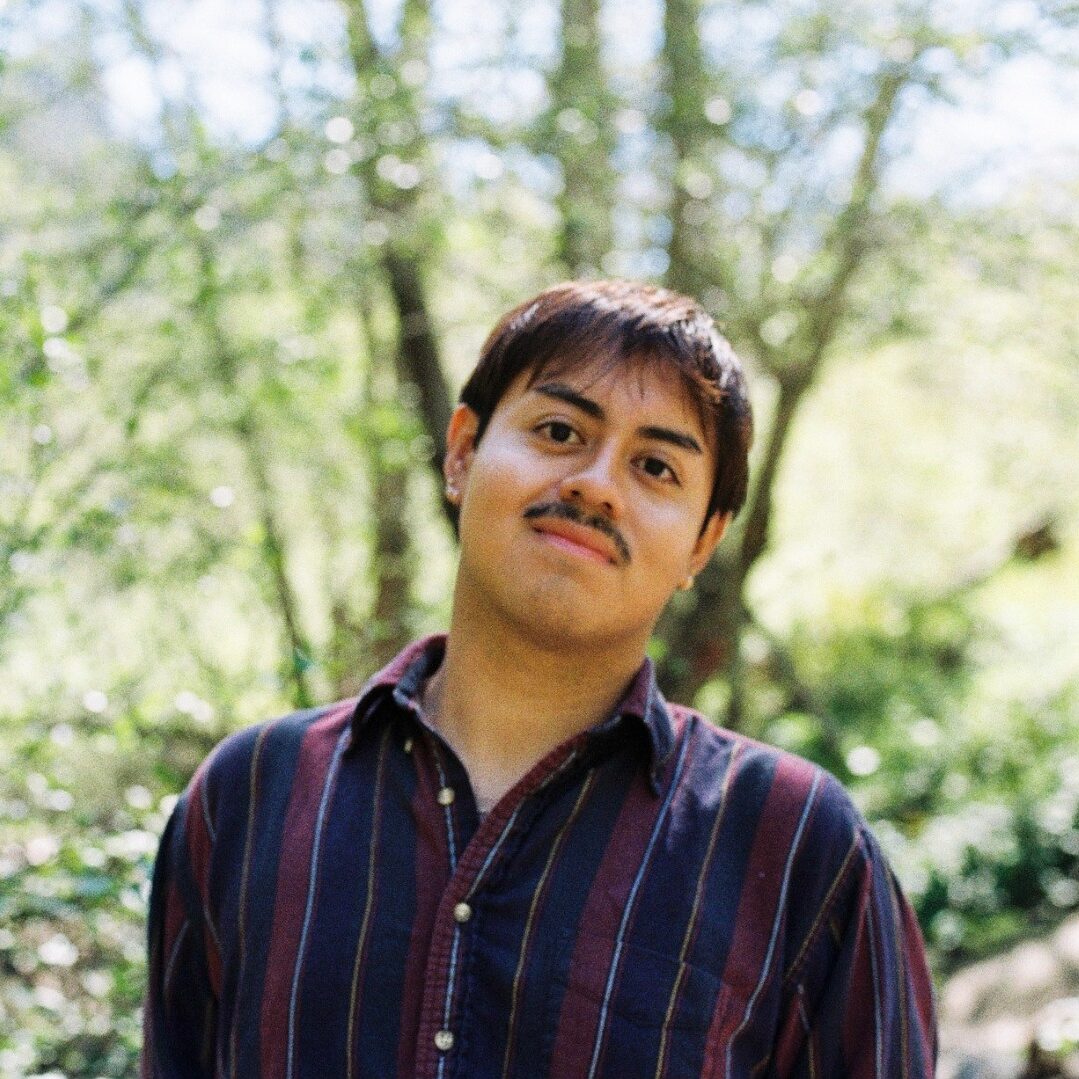
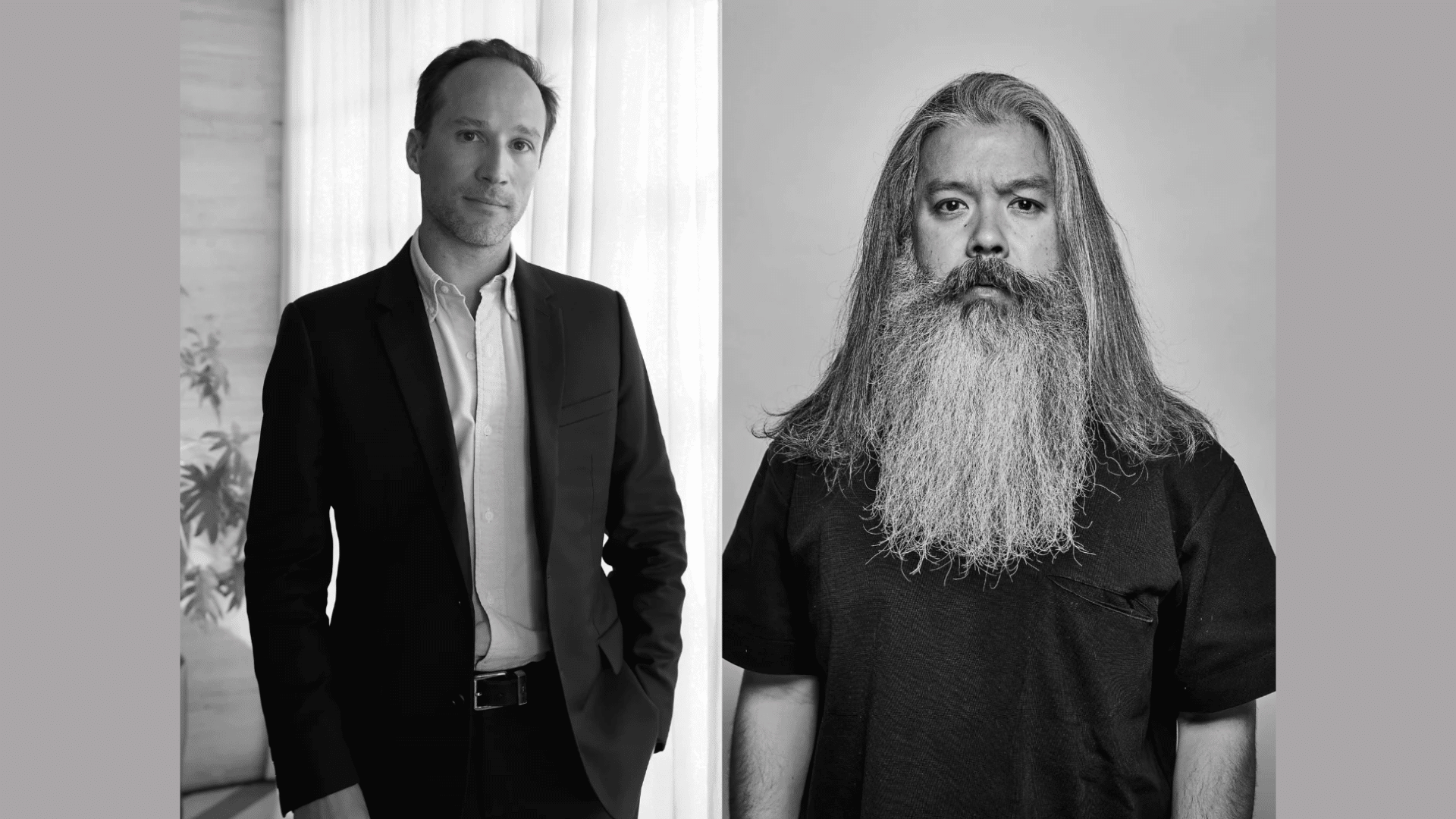
Olivier Billon arrived in Tokyo for the first time on the day YKONE opened its office there. The founder and CEO of the global Influencer Marketing agency had never met the directors he hired, the team, or any Japanese influencer in person. He could open that way because YKONE entered Japan by buying into an existing local agency, a choice Olivier ties to his view that Japan opens only to firms already rooted there.
“Japan is not a place where you go and make business just by doing a few business trips,” Olivier says. “First, you have to build your roots, then your community, and from there you can build a business.”
Local roots are also how YKONE grew. Olivier, a former L’Oréal digital marketing manager, founded the agency in Paris in 2008 to connect brands with bloggers, and early clients Kering and Chanel soon wanted reach beyond France with each market’s cultural nuance. “Going out of Paris was vital, but being truly local would be our USP,” he says. YKONE now focuses on premium brands and tourism, and Olivier puts its footprint at 22 offices and more than 500 employees, a local network he believes no other Influencer Marketing agency matches.
Japan, which Olivier calls hard to get into, is the newest test of that model, and the push to enter came from YKONE’s own clients.
Global Luxury Briefs Now Require a Japanese Footprint
Those clients are mostly luxury brands, and Olivier says some were upset that YKONE operated everywhere except Japan. He counts Japan among the top three to five markets for companies ranging from Chanel to Marriott to Ferrari.
The timing reflects a change in how those clients buy. Influencer budgets used to flow mostly from local companies to local agencies, according to Olivier, but more brands now issue RFPs for a global supplier. “If you want to win those RFPs, you need to have a Japanese footprint,” he says. “It cannot be just a Japanese agent or freelancer.”
YKONE has operated in Hong Kong and Shanghai since 2021 and in India since 2024, and Olivier calls both the Chinese and Indian offices extremely successful. “The opportunity got us into Japan first, but next should be Korea,” he says.
The first job, Olivier says, is delivering campaigns in Japan for existing global clients, which required a team that could work from day one.
An Equity Stake Saved YKONE Two Years
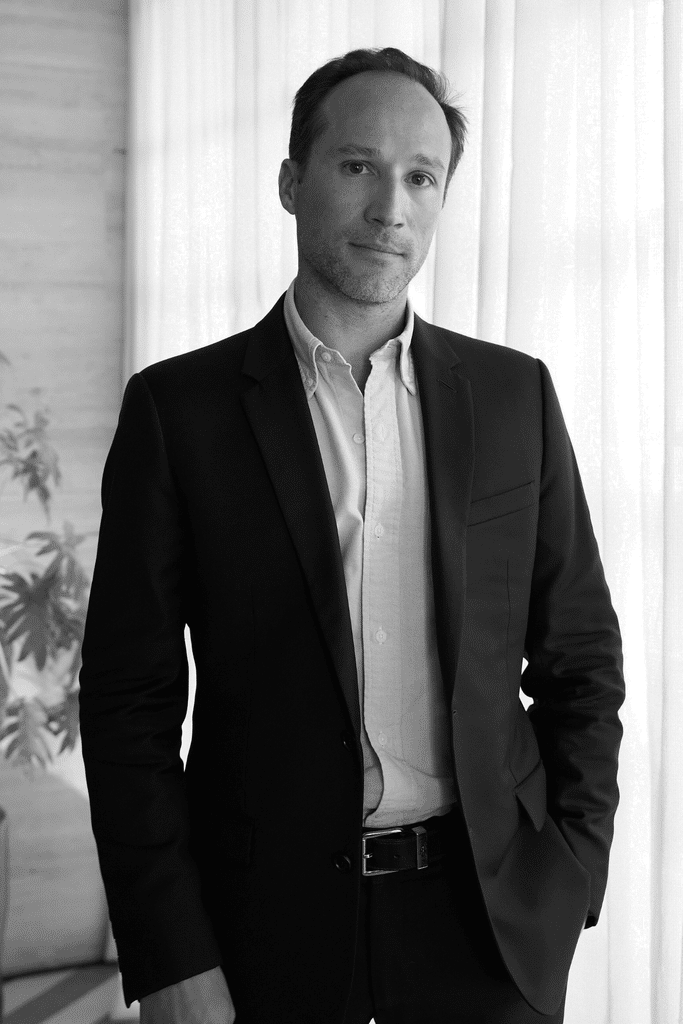
That team came from LATEAM, the Tokyo creative and social media agency founded by Pablo Yano. YKONE took a stake in the company, which has been renamed “YKONE Tokyo” with Pablo as CEO.
The deal answers a hiring problem. A sales director abroad can bring connections and leads, Olivier explains, but a CEO usually has to be someone who has already built an agency. “Those people, they have their own agency, they have their own business,” he says. “Why would they quit their business to join yours?”
Finding people with that tenure in Japan took years. Pablo, who is half Spanish and half Japanese, can “understand the Japanese market, but translate it for us,” Olivier says.
The YKONE name gives the Tokyo agency an international footprint and credibility, while YKONE gets a team, a track record, and delivered projects. “We are able to deliver right now things that would usually take two years to complete,” Olivier says. Even opening a bank account required bringing a translator.
Integration Starts With Learning Japanese Protocol
Olivier compares the first month to an engagement ceremony in which two families discuss their cultural backgrounds. YKONE leaders from India, China and Paris come to Tokyo to learn the office’s ways of working, business etiquette and platforms, while key Japanese employees go to Europe to see how the group operates. Sales then start by telling existing clients that YKONE now has a Tokyo office.
It is too early to judge how campaigns in Japan differ, Olivier says, but European teams have had surprises. Creator fees came in significantly below the benchmark they expected, and even people in the creative industry were uncomfortable with email in English. Japanese partners want to know who you know in common, he adds. “They need to have that connection and relationship,” he says. “It’s not just transactional.”
Protocol adds another layer, from business card etiquette to showing respect over WhatsApp. That relationship requirement matches what Olivier describes in Tokyo’s business networks, where many European executives arrived 20 or 30 years ago. “The business is not done by sending messages to foreigners on LinkedIn, but done by being invited to a dinner by someone who’s hosting an event,” he says. A similar preference for relationships over reach runs through how Olivier says luxury brands use creators.
Luxury Creator Programs Stay Small by Design
Olivier rejects the idea that more creator partnerships make luxury look like every other category on social media. “Most of them do it well by building a community of creators that’s actually pretty narrow, and that act like friends of the brand,” he says.
He points to Audemars Piguet, which hosts padel matches around the world with a small community of creators, an experience he likens more to clienteling than PR. Campaigns for Unilever or Procter & Gamble involve thousands of creators, Olivier says, and some have reached 20,000. Luxury campaigns use one, five, 20, or sometimes 30 creators. “I have never done a campaign with thousands of creators,” he says of luxury work.
Luxury clients vet each creator’s content history and geography, he adds, while mass-brand selection relies on data. Olivier calls the luxury model “exclusivity at scale,” and he expects it to hold as automation and AI agents change the wider industry. “I think that our space is going to be protected because it’s more of a PR discipline rather than a media discipline,” he says.
Japanese Brands Going Global Is the Real Test
Japan’s consumers, as Olivier describes them, lean the same way. “Japan has an immense respect and tradition for material, for craft,” he says, arguing that Japanese buyers value quality before trends while Korea is trend-driven. He frames this as a tension. Japan wants to stay protected on its island while exporting its culture and products, in a global market where, he says, Chinese players such as BYD and Temu compete on quantity.
That export push is where Olivier sets the bar. He hopes YKONE Tokyo quickly lands luxury and fashion mandates, but the tipping point comes when Japanese brands, especially tourism companies, hire it to reach the world. “That is when we will consider ourselves as successful,” he says.
His case rests on marketing. “They know how to deliver an amazing sake, an amazing knife, an amazing place to visit, but they have no clue how to address it to the world,” Olivier says. When officials from the equivalent of the Ministry of Economy asked him about promoting Japanese beauty, he knew the Korean beauty ecosystem but not a Japanese one.
Japan has about double Korea’s population, Olivier says, but Korea has ten times as many influencers with more than 5 million followers, which he credits to K-pop carrying Korean culture abroad. A weak yen is driving inbound tourism, he adds, and with it demand from Japanese brands and institutions for international firms.
YKONE Expects Japan to Change How It Works
Olivier expects the exchange to run both ways. In Japan, he says, every artisan turns the work into an art, from knives to flower bouquets, and that pushed a question back onto YKONE. “Are we an Influencer Marketing agency and that’s a commodity, or are we trying to craft the best ways of working?” he asks.
Each market has added something to the group, in his telling. German teams brought strict KPIs, American teams brought size and ambition, and Italian teams brought community. He expects Japanese project managers to push quality and craft across the network.
That is the logic behind the Tokyo stake and the network before it. “The more roots you have in different lands, the more you get that energy and intelligence from different ground,” Olivier says.
Subscribe to Our Newsletter
Check Out Our Podcast