




Talent Collectives
Wonderloom Media Bets YouTube Is Now the First Window, Builds Capacity to Scale Channels Beyond It

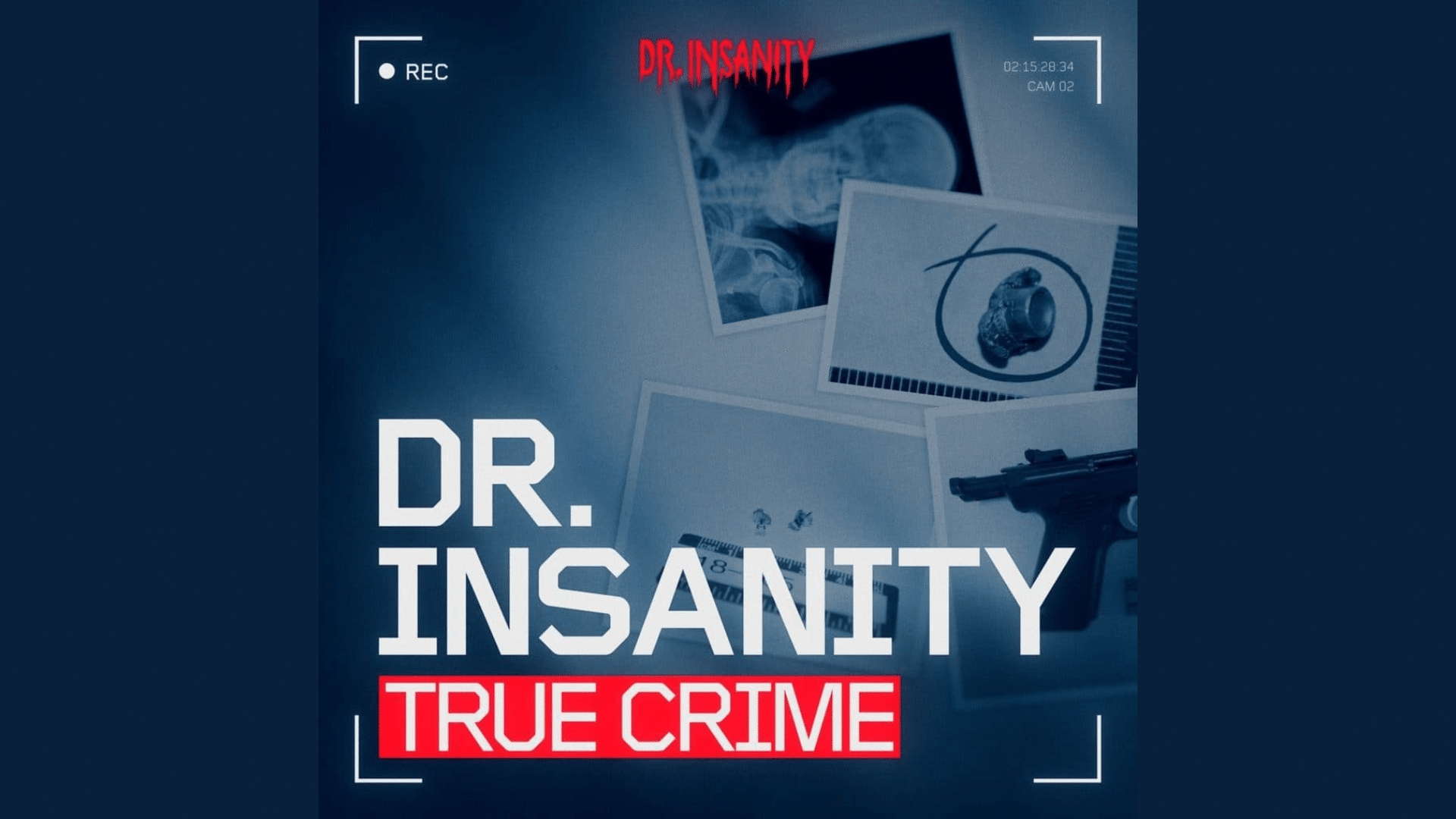
Wonderloom Media acquired “Dr. Insanity,” a true crime YouTube channel, in June. Since then, it has restructured the channel’s team to take its episodes to Tubi, Roku, Amazon, and Patreon, and partnered with Audioboom to launch the “Dr. Insanity Podcast.” CEO Ed Simpson argues that this sequence reflects a television business now running in reverse, with YouTube as the first window and legacy platforms as the second.
“Ideas are now really minted and monetized on YouTube, and then additional monetization happens across all of these traditional legacy platforms and situations,” Ed says. Wonderloom Media, which Ed founded in Los Angeles in 2026 with Content Partners, acts on that view by acquiring creator channels and building the operations that carry them beyond YouTube.
Ownership is the lesson Ed brought from his previous venture. A former unscripted showrunner and ITV America executive, he launched Wheelhouse DNA in 2021 to manage digital-native talent and produce their shows for audiences under 30. “I think Wheelhouse DNA was really set up to be a service provider versus an owner,” he says.
As an owner, Wonderloom targets creators whose businesses have outgrown what one founder can run, the point where Ed says creative companies hit their biggest hurdles. “We’ve figured out the roadmap to do that and have done that consistently,” he says. “Dr. Insanity” had just over 5 million subscribers when Wonderloom launched in July, a month after acquiring the channel, and now has more than 6.1 million, with over 3 billion views, according to Wonderloom.
YouTube Has Taken the Network’s Place
Those YouTube figures are now the core of the business, by Ed’s account. In television, a producer sold a show to a network such as ABC, Netflix, or History Channel. In his illustration, a show that cost $1 to make sold for $5, leaving $4 of profit, and DVDs at Walmart came afterward as secondary revenue.
YouTube now holds the network’s position in that chain. “The bulk of the monetization comes from YouTube,” Ed says. “Once that’s happened, we then redistribute it to Tubi and Roku and Audioboom.”
The same order applies to creative development. Ed describes YouTube as fertile soil where new ideas grow quickly, so shows are now conceived for the platform first. “Creative born on YouTube is really the vanguard of the entire creative ecosystem,” he argues. For an acquirer, that makes the YouTube channel the asset being bought, with other platforms adding revenue later.
Quality Decides Which Channels Wonderloom Buys
Choosing that asset starts with the content. Ed says “Dr. Insanity” stood out for three reasons: an audience that returns daily and weekly, the quality of its production, and its genre. “I felt that content should and could easily live on Netflix or HBO or Hulu or Disney as much as it could live on YouTube,” he says.
The genre carries weight of its own. “True crime is a genre of content that demands and creates a very sticky, obsessive audience that comes back time after time,” Ed says, adding that in his production experience it works on every platform. He applies a similar evergreen test to other targets, favoring content that will still engage audiences years from now.
Quality is also what YouTube’s algorithm rewards, Ed argues. He contrasts the platform with podcasting, where low barriers to entry flooded the market and, in his estimate, 1% or 2% of shows came to account for 98% of the ecosystem. YouTube’s algorithm, by contrast, pushes creators who invest in their content toward much larger audiences.
Ed credits that investment for “Dr. Insanity’s” subscriber growth since July, citing a team dedicated to developing new approaches to content. The quality bar therefore does two jobs at Wonderloom, screening which channels to buy and driving growth after the purchase. Buying such a channel still means persuading the people who built it.
Wonderloom Writes the Operating Plan Before the Deal
Owners are often wary of selling, Ed says, because they have put every minute of their lives into their channels. Before deal terms come up, Wonderloom spends a long period with them working out how the business will run after the acquisition.
Some founders want to move on, and others want to stay actively involved. “We have to build an operational plan that can cater to either of those scenarios,” Ed notes. By the time a deal closes, the goal is that nothing comes as a surprise. “We’re really just enacting what we’ve all discussed and agreed and feel good about in the first place,” he says.
For a company whose value depends on scaling channels past their founders, the plan is where that scaling starts. In “Dr. Insanity’s” case, the first step was restraint.
Founder Hours Set a Channel’s Ceiling
“The biggest thing when coming into a business like this is not to screw anything up,” Ed says of the first months after the deal closed. The team sat down with the channel’s creatives to agree where to take the brand and what that required. It found a channel monetized and distributed almost entirely through YouTube.
The fix was organizational. Wonderloom restructured the teams to create the capacity to launch a podcast and a Patreon membership and distribute content on Tubi, Roku, and Amazon. “The biggest thing that we see is that creators and all creative businesses hit a capacity issue based on the founder’s capacity,” Ed explains.
Founders typically do everything, so output is capped by the hours in their day. Removing that cap means building support teams and processes, including accounting, finance, and legal work. Big corporations once needed tens of people per department for such launches, in Ed’s view, while Wonderloom runs lean by freeing time for its creative teams. The podcast shows how much work that capacity has to cover.
Dr. Insanity’s Podcast Is Rebuilt for Audio
On Tubi and Roku, the YouTube episodes largely run as they are. Ed says he would once have reshaped them to look like traditional TV, but viewers have now “learned the anatomy of a YouTube show” and accept it elsewhere.
Audio took more work. According to Ed, “Dr. Insanity’s” research team scans over a million cases a year and narrows them to 40 episodes, and those stories rely heavily on video footage. “We couldn’t simply just rip the audio from the video and stick it up onto Spotify or to Apple,” he says. The team rebuilt each story audio-first for the “Dr. Insanity Podcast” instead.
“Our podcast product looks and sounds different than our video products, even though we’re telling the same story,” Ed notes. The format also reaches a different audience. By his account, the YouTube audience skews slightly male and the podcast audience slightly female, so audio widens the channel’s demographic reach.
True crime recently overtook comedy as the most popular podcast topic among U.S. weekly listeners, according to SSRS. Selling that audience to advertisers is where Audioboom comes in.
Audioboom Supplies the Brand Relationships Wonderloom Lacks
Audioboom, which Edison Research ranks as the fifth-largest podcast publisher in the U.S., has a track record of launching shows, Ed says. “They have a fantastic set of relationships with brands that we just don’t have right now,” he says, adding that Wonderloom can excel creatively but is not yet reaching the brands that want to speak to its audiences.
Those brands are also changing how they buy. Ed sees advertisers planning across multiple timelines instead of single integrations, and as creator studios build portfolios of content, he argues brands should pursue multi-year partnerships with them. “Both parties win exponentially from that,” he says. That shift favors creators who operate as studios with a catalog, the model Wonderloom is assembling around “Dr. Insanity.”
Wonderloom Expects YouTube’s Lead to Widen
That catalog is the base for a larger ambition. In five to 10 years, Ed wants Wonderloom mentioned alongside MGM, Paramount, Warner Bros., and United Artists. “We’re building a new generational studio here,” he says.
In the short term, he expects YouTube to hold its place as the top platform for consuming content, with quality rising and more scripted shows arriving. Within 10 years, Ed allows, a new distribution platform may be “knocking at the door.” His advice to creators who want to work beyond YouTube follows Wonderloom’s own sequence.
“You’ve got to invest heavily in the quality of the content, and you have to invest in the capacity of the operation to scale beyond the founder,” Ed says.
Subscribe to Our Newsletter
Check Out Our Podcast