
Strategy
Children’s Media Summit Founder Says Think Like a Creator, Build the Franchise, Own the IP

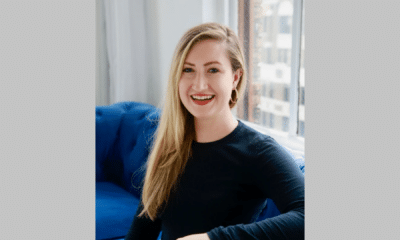
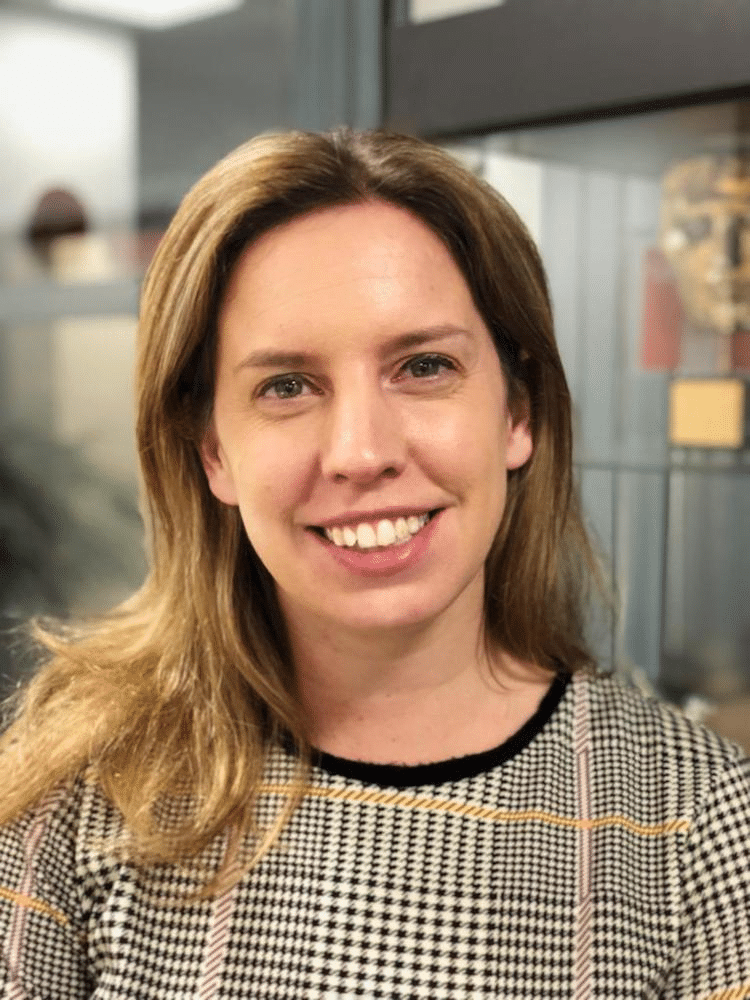
Commissions for kids TV are way down, and the Children’s Online Privacy Protection Act (COPPA) rules have cut YouTube ad revenue on anything tagged as made for kids, according to former Disney executive Emily Horgan. Her response is The Business of Children’s Media Summit, a one-day event in Dublin on November 12 built on the argument that kids content producers now have to own their relationship with the audience.
That relationship is what Emily believes the big streamers have let slip, losing many of the teams that were thoughtful about building audiences. Producers of every kind, from influencers to animation studios, now have to do that work themselves. “The collision between the Creator Economy and the traditional production economy is happening,” Emily says. “And everyone needs to think like a creator, in my opinion.”
She has worked on that direct link between IP and audience since working on Disney’s YouTube teams in 2010, and later ran programming, marketing and franchise work at the company. As an independent consultant in Dublin, she now advises producers on the same problem, publishes “The Kids StreamerSphere” newsletter and co-hosts the “Kids Media Club” podcast.
The summit, a first edition at The Alex Hotel, is aimed at anyone in the business of speaking directly to kids through media, including producers, marketers and YouTube creators. Emily frames it as a business event about how they reach that audience and make the work viable. She is producing it with Cultural & Creative Industries Skillnet, with support from Screen Ireland and Enterprise Ireland, and COPPA-compliant contextual advertising company Precisify as key sponsor.
The Commissioning Model Is Melting Away
That viability problem starts with how kids’ shows have been paid for. “The old Hollywood model of the producer’s main client being the person who commissions the show is melting away,” Emily says. In that model, she explains, producers answered to the commissioner without necessarily being accountable to the audience or to how well a show performed.
The money behind the model is shrinking on two fronts. Beyond falling commissions, Emily notes that ad revenue from anything tagged “Made for Kids” (MFK) is significantly down on YouTube since the COPPA regulations came in.
She treats the category as an early signal for the rest of media. “We’re always the canary in the coal mine of what the rest of the industry is going to do, because we deal in the audience of tomorrow,” she says. What kids producers face now, in her reading, the rest of media will face next.
The summit’s program reflects that view by leaving the old model off the agenda. There is no dedicated panel on co-production, commissioning or pitching to commissioners. “That’s still an important part of the industry, but it’s not the newest part that needs to be developed and dove on, in my opinion,” Emily says.
Studios That Dismiss Creators Will Get Left Behind
The newest part, in Emily’s account, is the Creator Economy. Creators and YouTube-native companies have asked her several times in the past six months whether the traditional industry still looks down on them.
“Anyone in the traditional industry who’s looking down on the creator industry is going to get their wake-up call one day, because the creator industry is where it’s happening,” she says.
Her main evidence is “Bluey.” The show had Disney+, the BBC and ABC in Australia behind it, yet its YouTube footprint was maintained and grown, with BBC Studios and Disney backing that approach rather than gatekeeping it. “‘Bluey’ succeeded because it was allowed to exist on YouTube in a really fulsome way from the get-go,” Emily says.
The traffic also runs the other way. Emily points to creators such as Danny Go, Ms. Rachel and Mark Rober moving toward premium TV. For producers, the “Bluey” case shows YouTube distribution and premium licensing deals running side by side. “The bottom line for the industry is you need to get on board with this or get left behind,” she says. “That’s your choice.”
Kids Producers Need to Run Like Franchise Operators
“Bluey” also illustrates the second half of Emily’s argument, which is that reach has to turn into revenue. “Making great content commercially viable is the best way to have great content go the furthest and be produced at scale,” she says. In her account, the show’s commercial success let its owners double down and reinvest, with a movie now on the way.
Getting there means behaving like a franchise operator. Emily points to publishing deals as one route, since they bring a commercial return while extending the story world. Toys are another. “I think play is one of the purest expressions of a kid’s fandom,” she says, and the clearest sign of a show’s fans is that children want to play with its characters or inside its world.
The summit’s franchise panel puts that ecosystem in one session, with speakers from Scholastic, a licensing company, and a toy company. Its makeup follows Emily’s view of publishing, licensing and play as parts of a single direct relationship with the audience.
Making that case to colleagues is where the summit’s day begins.
The Summit Pushes Attendees From Sessions to Strategy
Precisify opens the program with audience insights meant to settle internal debates. “If you’re having a conversation with your boss about whether you should be on YouTube or not,” Emily says. “Here’s the data to show its importance.”
Her concern is that platform thinking often ends when a session does. “Too often at these types of events, people attend the YouTube session, and they say that’s their YouTube strategy done,” she says. What should follow, in her view, is action on strategies for gaming, YouTube and franchise.
After the franchise panel and lunch, sessions turn to gaming and YouTube. The keynote comes from Erika Quinn, Director of Disney Kids & Family Consumer Insights, on what makes a strong preschool show and what children connect with, and the day closes with a live recording of the “Kids Media Club” podcast.
Emily is keeping the event small and its speakers senior. “It’s a relatively small conference where people are going to be in the room and there to chat about the real practicality of applying this,” she says.
Irish Animation Needs to Keep Its IP at Home
Holding it in Dublin is a deliberate choice. Emily compares Irish success in animation to Irish success in rugby. “When you’re a small nation, it’s not possible to be good at everything,” she says. Irish animation studios, she notes, have produced major global hits in recent years.
Her measure of success is commercial. Irish studios have worked on globally successful series and films, but as an island economy, Emily says, Ireland’s instinct is to export. “IP is the one thing that you don’t want to export,” she says. “You need to own the IP and own the commerciality of it in your home country.”
She has argued that point for years. “This conference is kind of the culmination of trying to evangelize for that outcome, that we have an Irish ‘Bluey,’ or we have an Irish Ms. Rachel,” Emily says.
Emily Wants Attendees to Leave With a Plan
Across her answers, Emily returns to the same condition. Content travels furthest when it pays for itself, whether the example is “Bluey’s” reinvestment or an Irish studio keeping control of its IP.
After November 12, she wants attendees to act on that. “I hope they walk away inspired to get into the doing of going direct to consumer,” she says.
She calls this a really difficult moment for kids media, and grounds the case for pushing through in the Saturday morning cartoons she says everyone grew up with. “Everybody wants that for their kids,” Emily says. “So we need to keep forging and find a way to make the business model work here.”
“The Business of Children’s Media Summit” takes place on November 12 (9:30 a.m. – 6 p.m.) at The Alex Hotel, Dublin. Tickets are available here.
Subscribe to Our Newsletter
Check Out Our Podcast