Money keeps flowing into the Creator Economy, but the systems supporting it have not kept pace. Record M&A activity and expanding brand budgets are bringing more capital into the industry, while businesses still face gaps in areas ranging from measurement and pricing to financing, rights management, and creator discovery. With those gaps in mind, we asked 30 Creator Economy executives, founders, and talent representatives what they see as the industry’s biggest unsolved problem today.
The Creator Economy has no cheap money. Nearly every dollar that reaches a creator business arrives as equity or as an advance priced like one. In September, a lender raised $45 million to advance cash against creators’ platform earnings, reportedly in exchange for about half of their platform revenue until it’s repaid. Barcelona borrowed against its media rights this year at 5.14%. The distance between those two prices is one of the most expensive gaps in the industry.
It persists because an investor, a lender, an advertiser and an acquirer can look at the same audience and assign it four different values. Music solved that. Rated music royalty bonds total $12.9 billion across 18 issuers since 2020, per KBRA, because a catalog’s cash flow is documented and repeatable. Plenty of creator audiences are just as repeatable. The market hasn’t built a record credit committees can use consistently.
Fix that first. Creators stop selling equity to fund inventory, a tour, or a second channel, and buyers stop paying growth multiples for businesses that needed working capital.
The biggest unsolved problem: creators still aren’t treated as real businesses, so they can’t access real financing.
A restaurant with €2M revenue walks into a bank and gets a term loan. A creator with €2M revenue, better margins and lower fixed costs gets nothing. No credit history the lender recognizes, no collateral they understand, no asset class they can file it under. So the creator either bootstraps growth or sells equity in their own IP at the worst possible moment.
The gap isn’t risk. It’s legibility. Every other media asset has a valuation language. Film libraries have residual models. Music catalogs have streaming data and thirty years of comps. A creator business has a subscriber count and a founder saying trust me.
What actually unlocks it: standardized revenue reporting across platforms, clean ownership records for IP and rights, and first-party audience data the creator controls rather than rents. Boring infrastructure. That’s what makes a business financeable.
Until then, the most valuable thing in the Creator Economy stays the hardest thing to lend against. Creators keep selling ownership to fund growth they could have debt-financed.
A creator’s episode now goes out on YouTube, Spotify, Apple Podcasts, MSN and other apps, and each one reports differently, on its own schedule, if at all. So deals get priced on YouTube views, or an individual platform alone, the real audience is undercounted, and someone stitches screenshots into a spreadsheet for the wrap report. That’s the biggest example of “spreadsheet typing” I can think of.
The root of it is that creators still work like YouTubers, not media companies. Each channel operates in isolation, on one platform, judged by one number. The creators who win next will think like publishers: a clear content strategy, a back catalogue, and distribution everywhere their audience already is, with one total audience figure a buyer can trust, and buy into across multiple platforms.
Creator representation has to adjust too. An agency that negotiates a fee and moves on can’t sell an audience it can’t measure. The job is becoming part media owner: distributing the content, tracking reach across every platform, and reporting it the way a TV network does/did. Until then, creator media will be at risk of being priced like a gamble instead of a channel.
I’ve also never understood the market segregation between platforms. A magazine writer was never called a “magaziner” and a newspaper writer was never called a “newspaperer” – so why “YouTuber”? It’s all just media, and content production, packages for advertisers, and distribution of content should be thought of as such.
The biggest unsolved problem is that most of the industry still cannot prove which creator caused a sale, so it cannot price creators accurately.
Money is flowing because creator content works:
94% of organizations report that creator content delivers a higher ROI than traditional digital advertising, yet 79% of marketers cite determining ROI as their biggest challenge.
43% of brands say they cannot accurately connect influencer spend to revenue outcomes.
Among marketers who claim they can prove ROI, 65% still rely on manual spreadsheets and creator screenshots.
The root cause is attribution. Someone discovers a product through a creator’s post, researches it elsewhere, sees retargeted ads, and converts weeks later through branded search. Under last-click attribution, the creator receives no credit. Rates are then based on follower counts and instinct because brands cannot build a reliable rate card around value they cannot see.
Solving this requires creator-level incremental attribution that distinguishes the sales a creator influenced from those that would have happened anyway. With that data, brands can establish more reliable rates based on the deliverable and demonstrated performance, rather than treating every contract as a negotiation over perceived value.
The technology is available. The remaining challenge is making accurate attribution and evidence-based pricing standard practice across the industry.
The biggest unsolved problem is measurement for kids’ and family content. By design, and for good reason, made-for-kids channels operate with limited data: no comments, restricted targeting, and little insight into who is watching or why. So those of us building for young audiences make creative and business decisions with far less information than anyone else in the Creator Economy.
There is a difference between measuring content performance and measuring IP value. Views tell you a video was played. They don’t tell you whether a family loves a character, talks about it at dinner, wants to bring it home, or whether kids are forming an emotional connection with it. That connection is what builds a lasting IP, especially in its early stages. We need more meaningful engagement signals. Until then, that gap is where the guesswork lives.
The first thing I would fix is a privacy-safe, industry-wide standard for measuring audience connection in kids’ content. One that protects children and still gives creators, brands, and investors a real picture of what’s working, what resonates, and where we’re building long-term value.
Money is flowing in like never before, but the biggest gap is pricing. Brands, agencies and creators often can’t say what a rate is actually made of: how much is reach, how much is demand, how much is rights like exclusivity and usage, and how much is just whatever someone asked for.
The reason is that a creator’s rate is one number that bundles all of those things together, and there’s no shared benchmark to pull it apart. Most pricing comes from a rate card, last year’s deal or whoever negotiates hardest, and everyone only sees their own deals. That hurts both sides. Brands can overpay without knowing it. Creators can undercharge, or give away exclusivity and usage rights for far less than they’re worth, because nobody has told them what the market looks like.
Everyone is getting better at measuring what happened after a campaign. Almost nobody can say, before a deal is struck, what a creator is worth and whether the terms are fair. That’s because most of the industry sees the market from one side. The information that matters most sits in the deals themselves: what creators charge, what they accept, and how that moves with demand, season and terms.
We see both sides of that market because we also manage creators. So the first thing I’d fix is price transparency, so a fair rate is something both sides can see and agree on, not just whoever negotiates better.
Social media, because, paradoxically, it created the Creator Economy and became its biggest bottleneck. The total dependence on socials is a feature, not a bug. Big Tech’s goal is to hook users and make bank, not help creators. Zero barriers to entry, real shots at virality overnight, but hostage to the algo lottery, content treadmill, and ever-changing laws and policies.
As socials’ growth slowed, platforms allowed bots and AI slop to flood feeds and loosened view count thresholds over time (YouTube did this again in August) to maintain the illusion of big perpetual growth. Then, vanity metrics stopped being an acceptable ROI proxy and became actively misleading.
The industry adapted with new tools, metrics, and attribution frameworks, but they’re based on the platforms at the root of the problem, like measuring a fever with more precision instead of treating it. The true fix is creators building owned infrastructure to expand the plumbing their attention flows through, breaking socials’ distribution monopoly, leveraging them as the on-ramp, never the endgame. Until then, every downstream fix is just a nicer thermometer.
Creators are the product in this economy, not the social media platforms. After all, it’s called Creator Economy, not Social Media Economy.
We still can’t prove a creator’s audience is actually the brand’s customer.
Brands pick creators on reach, demographics, a bunch of metrics … and most never really find out if they guessed right. The data to answer it exists, but it’s split across walled gardens. Every platform sees its own slice, every retailer sees its own shoppers and nobody can tell a brand how many real, unique people it reached.
If we could fix one thing, it’s a neutral view of audience truth. Who a creator’s audience really is, what they buy and how many of them we actually reached across platforms.
Creators should charge whatever the market will bear. Brands just deserve to know what they’re buying. Solve that and creator marketing stops being an experiment. It becomes core media.
Businesses want to know what they are getting for their marketing budget – not perfectly, but predictably enough to plan year over year. Creator marketing still struggles with that.
There are millions of creators, but finding the right one remains surprisingly manual. Agencies and brands rely on spreadsheets, gut feeling, and fragmented data not because they want to. Then come negotiations over pricing, usage rights, contracts, deliverables, and timelines. Something that should take a day can take a month – and the outcome is still uncertain.
What I would build is infrastructure around vetted creator pools.
Imagine an agency or platform maintaining deeply curated creators by industry: verified performance, proven professionalism, genuine audience relationships, and established commercial experience.
A business could come with a campaign, access an appropriate pool, and execute almost immediately. Pricing, rights, contracts, and terms would be standardized or automated rather than renegotiated from scratch.
The Creator Economy doesn’t need more creators.
It needs infrastructure that makes working with the right creators repeatable, fast, and predictable.
The biggest unsolved problem is the gap between investing in creators and understanding what makes that investment work. We can report views, engagement and sales, but the harder question is what drove those results: the creator’s relationship with their audience, the creative itself, the paid distribution, or some combination.
That distinction matters because it informs who you partner with again, what you pay for, and what you scale. When everything gets rolled into one campaign recap, you can end up repeating spend without building much understanding.
I would start by bringing creator strategy, paid media and measurement together at the brief. Agree on the creator’s role, define success against the business objective, compensate fairly for usage rights, and establish how content will be tested across organic and paid placements. Then share those learnings with the creator so the next round gets stronger.
We also need room to recognize that building trust and driving an immediate purchase are different jobs. Every partnership shouldn’t be judged by the same metric. The opportunity is to build a repeatable way to learn and grow without stripping away the voice that made the creator valuable in the first place.
The first obstacle I would address is the lack of consistency between creator investment and business outcomes. Budgets are growing and brands need a clearer answer to three questions:
What are we trying to change?
Why is this creator right for that job?
How will we know whether it worked?
Without that clarity and brand insight, selection, briefing and reporting can become inefficient, with views and engagement carrying more weight than their relevance warrants – adding in a complex layer of how does it drive wider brand metrics including SEO.
I would start with a shared framework that connects all teams, all objectives, all audience insight, all creator selection, all creative strategy, all paid amplification and ultimately all measurement. Each campaign should have an agreed brand outcome, clear responsibilities and an evaluation plan established before talent is contracted.
Measurement should reflect the objective: brand impact, audience quality, consideration, sales or incremental results, where testing is feasible.
This would protect what makes creators valuable: their understanding of their communities and ability to make content people choose to watch. Better evidence improves every subsequent decision: who we partner with, what we commission, how we negotiate and where we invest next.
The biggest unsolved problem in the Creator Economy is the gap between the money flowing into the industry and the infrastructure needed to manage it responsibly. A campaign can involve a brand, an agency, a talent manager, a creator, and several platforms, yet each party may be working from a different set of numbers and expectations.
That becomes a real problem when it is time to assess results. What counts as success? Which sales can fairly be attributed to a creator’s work? How long may a brand use the content, and when should the creator be paid? Too often, these questions are settled through spreadsheets, screenshots, and lengthy email threads after a campaign has already begun.
If I could fix one thing, I would create a more consistent framework for attribution, reporting, usage rights, and payments. It would give brands better evidence for their decisions and creators greater confidence that their work is valued fairly. As the industry grows, clear terms and dependable data are what will allow those relationships to last.
The biggest unsolved problem in the Creator Economy is the mismatch between brand deal structures and creator sustainability.
Creators thrive on long-term partnerships: they build authentic trust with audiences, deliver richer story arcs, and gain the financial stability to focus on quality over volume.
Yet brands remain hesitant to commit budget upfront, missing a key truth: transactional, one-off posts actually undermine performance. Affinity requires repeated exposure. When brands shift from test-and-dump tactics to structured, always-on ambassador programs, they cut creative burnout, deepen audience trust, and drive stronger ROI.
Longer-term partnerships are a win for brands and a win for creators.
The biggest unsolved problem in the Creator Economy is not demand; it is valuation. Creators also need trusted business support to understand and defend their value.
A partnership can combine content production, audience access, endorsement, usage rights, and exclusivity, yet these are often bundled into one fee. That leaves both sides unclear about what each element is worth or which future opportunities the creator may be giving up.
Many creators build substantial businesses before they have professional support to match. Knowing what to charge for a post does not mean knowing how to price a year of paid usage or a category restriction. That knowledge gap creates room for inconsistent pricing and unfair deals.
Creators often turn to a sibling or friend they trust. Trust is essential, but it cannot replace expertise. Agencies and managers must earn that trust through transparency, accountability, and education.
The industry has professionalized around creators faster than it has professionalized for them. Fixing that requires clearer valuation and access to qualified, trustworthy support. Good representation should do more than negotiate a higher fee; it should help creators understand what they have built and make informed decisions about how to protect and grow its value.
Brands still don’t really know who they’re paying. The IAB projects U.S. creator ad spend at roughly $44 billion this year, yet too many partnerships are approved after someone scrolls a creator’s recent posts and makes a gut call. No brand would buy programmatic media without verification or sign a vendor without diligence. Creator partnerships often get neither. The fix is to treat vetting as infrastructure: a creator’s full history reviewed across video, audio, images and text, checked against the brand’s own risk and compliance rules, then monitored after the contract is signed. Trust is what moves the next wave of budget.
The biggest unsolved problem is that creator influence still breaks at the handoff from discovery to purchase.
Creators do not operate in a clean, browser-based funnel. We see it constantly. A shopper finds a product on TikTok or Instagram, taps from inside that app, and buys in a retailer’s app days later. The referral signal is typically lost along the way. The creator did the work. The journey looks disconnected, so the creator ends up undercredited, and the brand optimizes against an incomplete picture.
This is more than a dashboard problem. It is a mobile infrastructure problem, and it lives in the few seconds between the tap and the app opening. Brands need to define the action they actually want and clear the friction between the recommendation and the destination. Then they need to preserve attribution across apps and channels, which is the part most teams skip.
Perfect attribution is unrealistic. Accepting broken journeys, last-click bias, and guesswork is not. Right now, creator budgets are growing a lot faster than our ability to tell what they did.
The biggest unsolved problem in the Creator Economy is real authentic discovery. Brands have access to millions of creators, but most discovery still relies on proxies like follower count, demographics, keywords and self-reported categories rather than understanding what creators actually make and talk about in videos. The next unlock is being able to watch and understand creator content at scale – what products they organically use, what topics they consistently talk about, and how they show up on camera so brands can find the right people based on real creative and cultural fit.
The biggest unsolved problem is that we still don’t have a trusted, standardized way to value a creator business. Look at where the money is going. Brands are spending more, and acquirers are paying record prices, yet the underlying asset is still priced on follower counts, gut feel, and whatever numbers a platform chooses to share. That’s not a market. That’s guesswork with a big check attached. It hurts everyone. Brands can’t compare creators on equal terms, so budgets stay experimental. Buyers overpay or walk away. And creators who run real businesses with real revenue can’t get financing that reflects what they’ve built. The fix I’d prioritize is verified data on creator revenue, reported consistently and checked by someone other than the platform. Once you can see actual earnings history, audience retention, and how income is spread across sources, a creator business starts to look like any other business. It can be underwritten, benchmarked, and invested in. When creator revenue is transparent and verified, investors, brands, and creators finally speak the same language.
The biggest unsolved problem is knowing which creator and media investments keep creating value beyond the click.
For CPG brands, that means looking beyond reach and affiliate sales to understand what shoppers ask AI, which creators, publishers and other sources AI shopping assistants rely on, and how those signals influence product discovery and recommendations.
The industry still lacks a good way to connect creator content with long-term AI visibility, product discovery and sales in the shift toward Agentic Commerce.
I’d say, turning creator marketing into a repeatable and predictable growth channel.
“Free UGC, only pay when you run it” sounds like an easy yes when your Meta team needs more creative. But submissions still need reviewing, ads still need testing, and the creators behind your winners need a reason to keep working with you. Cheap content can become expensive to operate if every month starts with another search for another batch.
So I’d fix that cycle first. Some of the biggest brands we work with are focused on building an owned creator community. They track which partnerships drive sales and usable creative, and then invest in keeping those relationships active.
A strong creator partner can introduce customers to your brand, generate affiliate revenue, and produce content you can amplify through partnership ads. Evaluating them one video at a time misses that broader value.
For a brand, the advantage is having an expanding network of people who understand the product, know what resonates, and keep contributing to growth. Every campaign should leave you with stronger relationships and more knowledge to build on.
The biggest unsolved problem is what happens when a deal goes wrong.
The industry has invested heavily in helping creators and agencies land partnerships, from marketplaces to management to reporting tools. But there’s very little support when a client is late, disputes an invoice, expands the scope after the work is delivered, or simply stops responding.
Independent creators often can’t justify hiring a lawyer over a single invoice, so they keep sending follow-ups and eventually write the money off. At smaller agencies, it’s usually the founder doing the chasing, taking time away from serving clients, managing their team and growing the business. Larger agencies pull account managers and finance teams into payment follow-up that takes them away from the work they were actually hired to do. At every level, recovery costs more than people realize.
What happens after the deal is signed and the work is done deserves as much attention as landing the deal, so creators and agencies can spend their time building their businesses instead of chasing money they’ve already earned.
I think the biggest unsolved problem in the Creator Economy right now is uncertainty around money, rates and what creators are actually worth. I see this first-hand whenever we sign a new creator and they share previous campaigns and what they’ve been charging. Sometimes I nearly scream.
There is so much inconsistency in the industry. We’ll see creators being offered or accepting rates that are completely below the budgets brands have available, often without realizing the value of what they’re giving away, particularly when it comes to usage, exclusivity and content rights.
I think there are still far too many “cowboy” practices. Creators don’t always know what they should be charging, and brands don’t always have a clear benchmark for what they should be paying.
For me, the biggest issue is transparency and education. The Creator Economy is now a serious business, but the way rates are negotiated can still feel incredibly unstructured. Creators need to understand their value, brands need more transparency around budgets, and there needs to be a much clearer understanding of what is actually being paid for. This is what I would change.
Creator marketing has a measurement problem and a memory problem. The industry still reports activity instead of outcomes. Views, engagement, and CPMs look good in a recap, but paid, organic, and lift data live in separate silos that rarely connect to sales, so even strong programs struggle to prove what they actually drove. And when a campaign ends, most of what was learned disappears with it. Which creators moved the needle, which formats outperformed, which messages landed with the audience: it all gets buried in a wrap deck nobody reopens. The next campaign starts from scratch, and gut feel fills the gap. Other channels compound because measurement feeds planning. Creator marketing mostly doesn’t. Until it does, budgets will be defended with proxies instead of proof, no matter how much money pours in.
I think the biggest unsolved problem in the Creator Economy is the gap between how quickly the industry is growing and how well the companies entering it actually understand the ecosystem they’re building into.
We’re seeing more capital, companies and sophisticated businesses enter the space, but many are still relatively new to creator culture. They may understand the mechanics of the business, but not necessarily the cultural history, relationships and nuances that make this ecosystem different from traditional media, advertising or entertainment.
That matters because creators are no longer amateurs who need to be taught how brands work. They are highly professionalized businesses with their own expectations around how they’re approached, partnered with and represented.
I think bringing genuine creator-economy expertise into these companies, whether through senior executives, advisors or fractional experts, will become increasingly important. People who have lived through the evolution of the industry can bridge that gap, helping companies understand not just what to do, but why certain approaches resonate and others feel out of touch.
After 15+ years in this industry, I also think we need to keep sharing what we’re actually learning rather than recycling the same playbooks. The next phase requires more than capital and infrastructure; it requires institutional knowledge and the people who can bring that context into the room.
One of the biggest problems we are working to solve in the Creator Economy is a lack of flexibility in campaign briefs that leaves little to no room for talent creativity. We are seeing the best performance when a brand recognizes creators who truly know their audience and, rather than strictly dictating content, allows the creator to do what they do best by inviting them to the table to decide creative direction together.
I think the biggest unsolved problem is that creators have become media publishers, but the infrastructure around them still treats every partnership like a one-off deal.
Brands should be able to understand which creators actually fit their audience, what those communities care about, whether the environment is safe, launch a campaign across dozens or hundreds of creators, and measure what happened without rebuilding the process from scratch every time.
The industry is not really there yet.
That friction limits how much money can move into the space, and it limits how consistently creators can monetize. You end up with brands testing creator marketing instead of treating it like a real media channel.
The opportunity over the next few years is making all of that dramatically easier. Once buying creator media feels as straightforward as buying any other major channel, I think you’ll see budgets scale very quickly, and a lot more creators will be able to build sustainable businesses around what they do.
I think one of the biggest unsolved problems in the Creator Economy is our obsession with optimizing away the parts that actually require human judgment.
People might call that “gut feel.” I’d call it contextual understanding built from nearly a decade in an industry that’s barely older than that.
Yes, parts of the Creator Economy still feel like the “Wild West.” But I don’t think the answer is another dashboard or automated recommendation.
Every day, talented people in this industry turn that “wild” into programs that work because they can read the nuance: why one creator feels right and another doesn’t, why an idea will resonate before the numbers prove it, or when the data is technically saying “yes” but the context is saying “definitely not.”
We should absolutely keep improving measurement, infrastructure, and technology. But I’d fix our tendency to mistake optimization for better decision-making.
The Creator Economy is built on people. Some of its most valuable insights are always going to come from a human eye (and brain).
One of the biggest unsolved problems in the Creator Economy is the commoditization of creativity. How do we hold onto individuality when we know more than ever about what “works”?
We have more access to creativity than ever before. In theory, this should be a great thing. Anyone can make content and see what’s trending, and it’s never been easier to see what other people are creating and what’s getting attention. In reality, there’s a tension: the more insight we have into what works, the easier it becomes to replicate.
Algorithms feed us more of what we already engage with. Creators see what’s working and respond to it, brands see the same trends and want to be part of them, and something that felt new or original can quickly become a formula everyone follows. More access to creative inspiration can, ironically, end up flattening creativity.
This has recently been prevalent in the “chicification” of everything – once the signals of good taste become easy to identify and replicate, they start to lose the individuality that made them interesting in the first place. Creativity faces the same risk.
Attribution. Brands know how many views and engagements creator content gets, but struggle to know whether those metrics actually drive purchases. Botted views, fake engagement, and inflated audiences make surface-level metrics even less reliable. Solving creator attribution would let marketers measure true impact, identify which creators actually influence consumers, and confidently allocate more budget to creator marketing.
Above all else, the largest problem facing the Creator Economy is IP ownership and the potential there. Currently, platforms like Instagram, TikTok, and even Twitch/Kick host millions of hours of content that isn’t being monetized, but that content holds value. Who owns that? How are we going to treat ownership going forward?
Dragomir is a Serbian freelance blog writer and translator. He is passionate about covering insightful stories and exploring topics such as influencer marketing, the creator economy, technology, business, and cyber fraud.




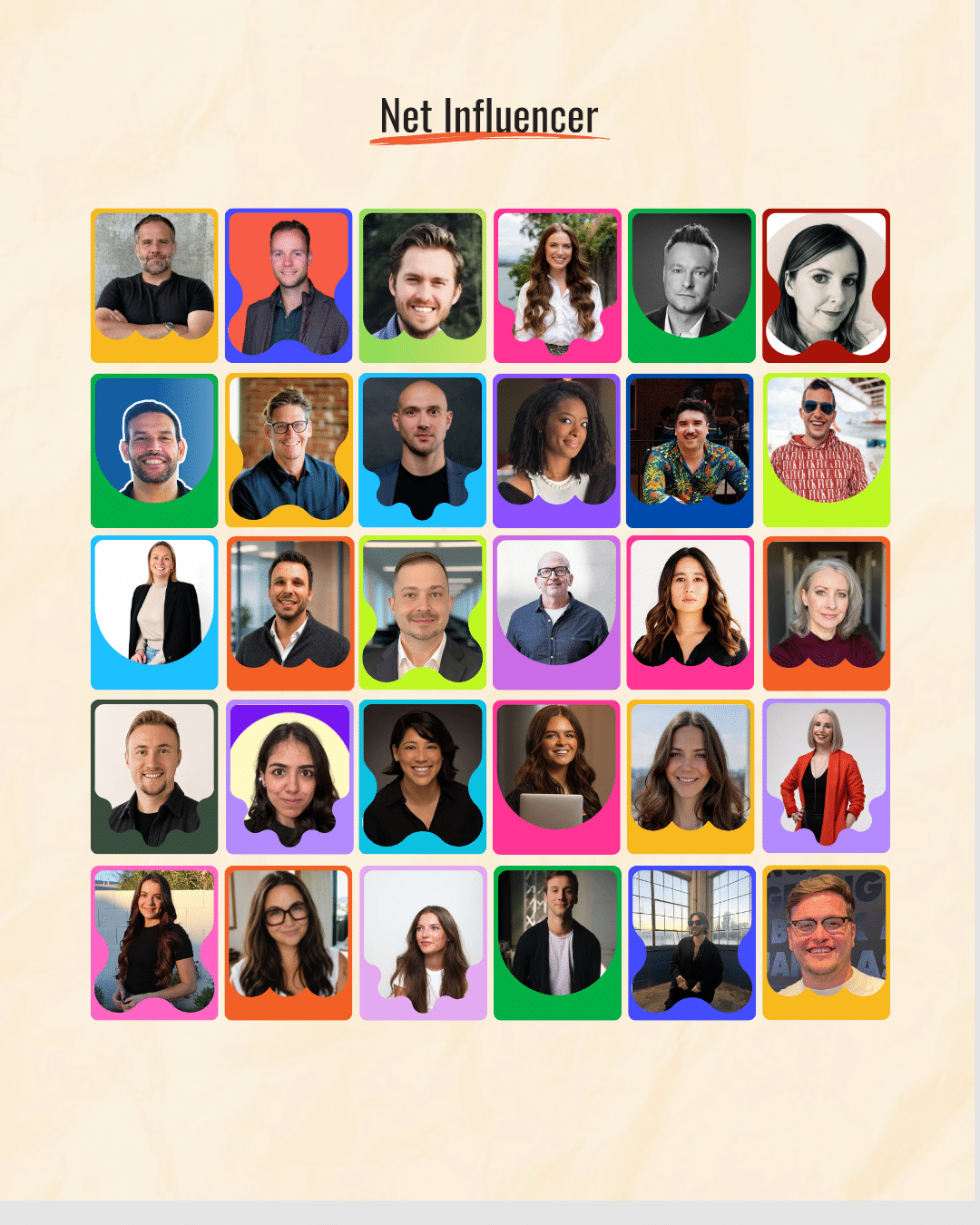





Money keeps flowing into the Creator Economy, but the systems supporting it have not kept pace. Record M&A activity and expanding brand budgets are bringing more capital into the industry, while businesses still face gaps in areas ranging from measurement and pricing to financing, rights management, and creator discovery. With those gaps in mind, we asked 30 Creator Economy executives, founders, and talent representatives what they see as the industry’s biggest unsolved problem today.
Josh Stein, CEO, Attention Capital
The Creator Economy has no cheap money. Nearly every dollar that reaches a creator business arrives as equity or as an advance priced like one. In September, a lender raised $45 million to advance cash against creators’ platform earnings, reportedly in exchange for about half of their platform revenue until it’s repaid. Barcelona borrowed against its media rights this year at 5.14%. The distance between those two prices is one of the most expensive gaps in the industry.
It persists because an investor, a lender, an advertiser and an acquirer can look at the same audience and assign it four different values. Music solved that. Rated music royalty bonds total $12.9 billion across 18 issuers since 2020, per KBRA, because a catalog’s cash flow is documented and repeatable. Plenty of creator audiences are just as repeatable. The market hasn’t built a record credit committees can use consistently.
Fix that first. Creators stop selling equity to fund inventory, a tour, or a second channel, and buyers stop paying growth multiples for businesses that needed working capital.
Tobias Hoss, Co-Founder, Senior Advisor, 30 Dishes
The biggest unsolved problem: creators still aren’t treated as real businesses, so they can’t access real financing.
A restaurant with €2M revenue walks into a bank and gets a term loan. A creator with €2M revenue, better margins and lower fixed costs gets nothing. No credit history the lender recognizes, no collateral they understand, no asset class they can file it under. So the creator either bootstraps growth or sells equity in their own IP at the worst possible moment.
The gap isn’t risk. It’s legibility. Every other media asset has a valuation language. Film libraries have residual models. Music catalogs have streaming data and thirty years of comps. A creator business has a subscriber count and a founder saying trust me.
What actually unlocks it: standardized revenue reporting across platforms, clean ownership records for IP and rights, and first-party audience data the creator controls rather than rents. Boring infrastructure. That’s what makes a business financeable.
Until then, the most valuable thing in the Creator Economy stays the hardest thing to lend against. Creators keep selling ownership to fund growth they could have debt-financed.
Tom James, CEO, Digital Fox Talent
A creator’s episode now goes out on YouTube, Spotify, Apple Podcasts, MSN and other apps, and each one reports differently, on its own schedule, if at all. So deals get priced on YouTube views, or an individual platform alone, the real audience is undercounted, and someone stitches screenshots into a spreadsheet for the wrap report. That’s the biggest example of “spreadsheet typing” I can think of.
The root of it is that creators still work like YouTubers, not media companies. Each channel operates in isolation, on one platform, judged by one number. The creators who win next will think like publishers: a clear content strategy, a back catalogue, and distribution everywhere their audience already is, with one total audience figure a buyer can trust, and buy into across multiple platforms.
Creator representation has to adjust too. An agency that negotiates a fee and moves on can’t sell an audience it can’t measure. The job is becoming part media owner: distributing the content, tracking reach across every platform, and reporting it the way a TV network does/did. Until then, creator media will be at risk of being priced like a gamble instead of a channel.
I’ve also never understood the market segregation between platforms. A magazine writer was never called a “magaziner” and a newspaper writer was never called a “newspaperer” – so why “YouTuber”? It’s all just media, and content production, packages for advertisers, and distribution of content should be thought of as such.
Kate Fleming, Director of Influencer Strategy, PartnerCentric
The biggest unsolved problem is that most of the industry still cannot prove which creator caused a sale, so it cannot price creators accurately.
Money is flowing because creator content works:
94% of organizations report that creator content delivers a higher ROI than traditional digital advertising, yet 79% of marketers cite determining ROI as their biggest challenge.
43% of brands say they cannot accurately connect influencer spend to revenue outcomes.
Among marketers who claim they can prove ROI, 65% still rely on manual spreadsheets and creator screenshots.
The root cause is attribution. Someone discovers a product through a creator’s post, researches it elsewhere, sees retargeted ads, and converts weeks later through branded search. Under last-click attribution, the creator receives no credit. Rates are then based on follower counts and instinct because brands cannot build a reliable rate card around value they cannot see.
Solving this requires creator-level incremental attribution that distinguishes the sales a creator influenced from those that would have happened anyway. With that data, brands can establish more reliable rates based on the deliverable and demonstrated performance, rather than treating every contract as a negotiation over perceived value.
The technology is available. The remaining challenge is making accurate attribution and evidence-based pricing standard practice across the industry.
Mindaugas Jokubaitis, Producer, OAK9 Entertainment
The biggest unsolved problem is measurement for kids’ and family content. By design, and for good reason, made-for-kids channels operate with limited data: no comments, restricted targeting, and little insight into who is watching or why. So those of us building for young audiences make creative and business decisions with far less information than anyone else in the Creator Economy.
There is a difference between measuring content performance and measuring IP value. Views tell you a video was played. They don’t tell you whether a family loves a character, talks about it at dinner, wants to bring it home, or whether kids are forming an emotional connection with it. That connection is what builds a lasting IP, especially in its early stages. We need more meaningful engagement signals. Until then, that gap is where the guesswork lives.
The first thing I would fix is a privacy-safe, industry-wide standard for measuring audience connection in kids’ content. One that protects children and still gives creators, brands, and investors a real picture of what’s working, what resonates, and where we’re building long-term value.
Charlie Hart, CGO, Trend Management
Money is flowing in like never before, but the biggest gap is pricing. Brands, agencies and creators often can’t say what a rate is actually made of: how much is reach, how much is demand, how much is rights like exclusivity and usage, and how much is just whatever someone asked for.
The reason is that a creator’s rate is one number that bundles all of those things together, and there’s no shared benchmark to pull it apart. Most pricing comes from a rate card, last year’s deal or whoever negotiates hardest, and everyone only sees their own deals. That hurts both sides. Brands can overpay without knowing it. Creators can undercharge, or give away exclusivity and usage rights for far less than they’re worth, because nobody has told them what the market looks like.
Everyone is getting better at measuring what happened after a campaign. Almost nobody can say, before a deal is struck, what a creator is worth and whether the terms are fair. That’s because most of the industry sees the market from one side. The information that matters most sits in the deals themselves: what creators charge, what they accept, and how that moves with demand, season and terms.
We see both sides of that market because we also manage creators. So the first thing I’d fix is price transparency, so a fair rate is something both sides can see and agree on, not just whoever negotiates better.
Daniel Caldas, Founder, Caldas Ecom
Social media, because, paradoxically, it created the Creator Economy and became its biggest bottleneck. The total dependence on socials is a feature, not a bug. Big Tech’s goal is to hook users and make bank, not help creators. Zero barriers to entry, real shots at virality overnight, but hostage to the algo lottery, content treadmill, and ever-changing laws and policies.
As socials’ growth slowed, platforms allowed bots and AI slop to flood feeds and loosened view count thresholds over time (YouTube did this again in August) to maintain the illusion of big perpetual growth. Then, vanity metrics stopped being an acceptable ROI proxy and became actively misleading.
The industry adapted with new tools, metrics, and attribution frameworks, but they’re based on the platforms at the root of the problem, like measuring a fever with more precision instead of treating it. The true fix is creators building owned infrastructure to expand the plumbing their attention flows through, breaking socials’ distribution monopoly, leveraging them as the on-ramp, never the endgame. Until then, every downstream fix is just a nicer thermometer.
Creators are the product in this economy, not the social media platforms. After all, it’s called Creator Economy, not Social Media Economy.
Glenn Ginsburg, President, QYOU Media
We still can’t prove a creator’s audience is actually the brand’s customer.
Brands pick creators on reach, demographics, a bunch of metrics … and most never really find out if they guessed right. The data to answer it exists, but it’s split across walled gardens. Every platform sees its own slice, every retailer sees its own shoppers and nobody can tell a brand how many real, unique people it reached.
If we could fix one thing, it’s a neutral view of audience truth. Who a creator’s audience really is, what they buy and how many of them we actually reached across platforms.
Creators should charge whatever the market will bear. Brands just deserve to know what they’re buying. Solve that and creator marketing stops being an experiment. It becomes core media.
Andrii Salii, Audiovisual Producer, MIA Studio
The biggest unsolved problem is predictability.
Businesses want to know what they are getting for their marketing budget – not perfectly, but predictably enough to plan year over year. Creator marketing still struggles with that.
There are millions of creators, but finding the right one remains surprisingly manual. Agencies and brands rely on spreadsheets, gut feeling, and fragmented data not because they want to. Then come negotiations over pricing, usage rights, contracts, deliverables, and timelines. Something that should take a day can take a month – and the outcome is still uncertain.
What I would build is infrastructure around vetted creator pools.
Imagine an agency or platform maintaining deeply curated creators by industry: verified performance, proven professionalism, genuine audience relationships, and established commercial experience.
A business could come with a campaign, access an appropriate pool, and execute almost immediately. Pricing, rights, contracts, and terms would be standardized or automated rather than renegotiated from scratch.
The Creator Economy doesn’t need more creators.
It needs infrastructure that makes working with the right creators repeatable, fast, and predictable.
Nicole Williams, Vice President of Paid Social, Attention Arc
The biggest unsolved problem is the gap between investing in creators and understanding what makes that investment work. We can report views, engagement and sales, but the harder question is what drove those results: the creator’s relationship with their audience, the creative itself, the paid distribution, or some combination.
That distinction matters because it informs who you partner with again, what you pay for, and what you scale. When everything gets rolled into one campaign recap, you can end up repeating spend without building much understanding.
I would start by bringing creator strategy, paid media and measurement together at the brief. Agree on the creator’s role, define success against the business objective, compensate fairly for usage rights, and establish how content will be tested across organic and paid placements. Then share those learnings with the creator so the next round gets stronger.
We also need room to recognize that building trust and driving an immediate purchase are different jobs. Every partnership shouldn’t be judged by the same metric. The opportunity is to build a repeatable way to learn and grow without stripping away the voice that made the creator valuable in the first place.
Byron Fitzpatrick, Influencer Director, Uncovered
The first obstacle I would address is the lack of consistency between creator investment and business outcomes. Budgets are growing and brands need a clearer answer to three questions:
What are we trying to change?
Why is this creator right for that job?
How will we know whether it worked?
Without that clarity and brand insight, selection, briefing and reporting can become inefficient, with views and engagement carrying more weight than their relevance warrants – adding in a complex layer of how does it drive wider brand metrics including SEO.
I would start with a shared framework that connects all teams, all objectives, all audience insight, all creator selection, all creative strategy, all paid amplification and ultimately all measurement. Each campaign should have an agreed brand outcome, clear responsibilities and an evaluation plan established before talent is contracted.
Measurement should reflect the objective: brand impact, audience quality, consideration, sales or incremental results, where testing is feasible.
This would protect what makes creators valuable: their understanding of their communities and ability to make content people choose to watch. Better evidence improves every subsequent decision: who we partner with, what we commission, how we negotiate and where we invest next.
AB Lieberman, Founder, Clicks Talent
The biggest unsolved problem in the Creator Economy is the gap between the money flowing into the industry and the infrastructure needed to manage it responsibly. A campaign can involve a brand, an agency, a talent manager, a creator, and several platforms, yet each party may be working from a different set of numbers and expectations.
That becomes a real problem when it is time to assess results. What counts as success? Which sales can fairly be attributed to a creator’s work? How long may a brand use the content, and when should the creator be paid? Too often, these questions are settled through spreadsheets, screenshots, and lengthy email threads after a campaign has already begun.
If I could fix one thing, I would create a more consistent framework for attribution, reporting, usage rights, and payments. It would give brands better evidence for their decisions and creators greater confidence that their work is valued fairly. As the industry grows, clear terms and dependable data are what will allow those relationships to last.
Paige Kelly, General Manager, Creator, Later
Brands still buy deals, not creator partnerships.
The biggest unsolved problem in the Creator Economy is the mismatch between brand deal structures and creator sustainability.
Creators thrive on long-term partnerships: they build authentic trust with audiences, deliver richer story arcs, and gain the financial stability to focus on quality over volume.
Yet brands remain hesitant to commit budget upfront, missing a key truth: transactional, one-off posts actually undermine performance. Affinity requires repeated exposure. When brands shift from test-and-dump tactics to structured, always-on ambassador programs, they cut creative burnout, deepen audience trust, and drive stronger ROI.
Longer-term partnerships are a win for brands and a win for creators.
Fabio Gonçalves, Director of Talent, Viral Nation
The biggest unsolved problem in the Creator Economy is not demand; it is valuation. Creators also need trusted business support to understand and defend their value.
A partnership can combine content production, audience access, endorsement, usage rights, and exclusivity, yet these are often bundled into one fee. That leaves both sides unclear about what each element is worth or which future opportunities the creator may be giving up.
Many creators build substantial businesses before they have professional support to match. Knowing what to charge for a post does not mean knowing how to price a year of paid usage or a category restriction. That knowledge gap creates room for inconsistent pricing and unfair deals.
Creators often turn to a sibling or friend they trust. Trust is essential, but it cannot replace expertise. Agencies and managers must earn that trust through transparency, accountability, and education.
The industry has professionalized around creators faster than it has professionalized for them. Fixing that requires clearer valuation and access to qualified, trustworthy support. Good representation should do more than negotiate a higher fee; it should help creators understand what they have built and make informed decisions about how to protect and grow its value.
Theo Ruzhynsky, Co-Founder, VwD Technologies Inc.
Brands still don’t really know who they’re paying. The IAB projects U.S. creator ad spend at roughly $44 billion this year, yet too many partnerships are approved after someone scrolls a creator’s recent posts and makes a gut call. No brand would buy programmatic media without verification or sign a vendor without diligence. Creator partnerships often get neither. The fix is to treat vetting as infrastructure: a creator’s full history reviewed across video, audio, images and text, checked against the brand’s own risk and compliance rules, then monitored after the contract is signed. Trust is what moves the next wave of budget.
Scott Allan, Chief Marketing & Solutions Officer, URLgenius
The biggest unsolved problem is that creator influence still breaks at the handoff from discovery to purchase.
Creators do not operate in a clean, browser-based funnel. We see it constantly. A shopper finds a product on TikTok or Instagram, taps from inside that app, and buys in a retailer’s app days later. The referral signal is typically lost along the way. The creator did the work. The journey looks disconnected, so the creator ends up undercredited, and the brand optimizes against an incomplete picture.
This is more than a dashboard problem. It is a mobile infrastructure problem, and it lives in the few seconds between the tap and the app opening. Brands need to define the action they actually want and clear the friction between the recommendation and the destination. Then they need to preserve attribution across apps and channels, which is the part most teams skip.
Perfect attribution is unrealistic. Accepting broken journeys, last-click bias, and guesswork is not. Right now, creator budgets are growing a lot faster than our ability to tell what they did.
Megan Duong, Co-Founder & CEO, Plot
The biggest unsolved problem in the Creator Economy is real authentic discovery. Brands have access to millions of creators, but most discovery still relies on proxies like follower count, demographics, keywords and self-reported categories rather than understanding what creators actually make and talk about in videos. The next unlock is being able to watch and understand creator content at scale – what products they organically use, what topics they consistently talk about, and how they show up on camera so brands can find the right people based on real creative and cultural fit.
Sarah McNabb, Chief Marketing Officer, GigaStar
The biggest unsolved problem is that we still don’t have a trusted, standardized way to value a creator business. Look at where the money is going. Brands are spending more, and acquirers are paying record prices, yet the underlying asset is still priced on follower counts, gut feel, and whatever numbers a platform chooses to share. That’s not a market. That’s guesswork with a big check attached. It hurts everyone. Brands can’t compare creators on equal terms, so budgets stay experimental. Buyers overpay or walk away. And creators who run real businesses with real revenue can’t get financing that reflects what they’ve built. The fix I’d prioritize is verified data on creator revenue, reported consistently and checked by someone other than the platform. Once you can see actual earnings history, audience retention, and how income is spread across sources, a creator business starts to look like any other business. It can be underwritten, benchmarked, and invested in. When creator revenue is transparent and verified, investors, brands, and creators finally speak the same language.
Andri Sadlak, Founder & CEO, Agentic Commerce Architect, Artan AI
The biggest unsolved problem is knowing which creator and media investments keep creating value beyond the click.
For CPG brands, that means looking beyond reach and affiliate sales to understand what shoppers ask AI, which creators, publishers and other sources AI shopping assistants rely on, and how those signals influence product discovery and recommendations.
The industry still lacks a good way to connect creator content with long-term AI visibility, product discovery and sales in the shift toward Agentic Commerce.
Muskan Mehta, Partnerships Manager, SARAL
I’d say, turning creator marketing into a repeatable and predictable growth channel.
“Free UGC, only pay when you run it” sounds like an easy yes when your Meta team needs more creative. But submissions still need reviewing, ads still need testing, and the creators behind your winners need a reason to keep working with you. Cheap content can become expensive to operate if every month starts with another search for another batch.
So I’d fix that cycle first. Some of the biggest brands we work with are focused on building an owned creator community. They track which partnerships drive sales and usable creative, and then invest in keeping those relationships active.
A strong creator partner can introduce customers to your brand, generate affiliate revenue, and produce content you can amplify through partnership ads. Evaluating them one video at a time misses that broader value.
For a brand, the advantage is having an expanding network of people who understand the product, know what resonates, and keep contributing to growth. Every campaign should leave you with stronger relationships and more knowledge to build on.
Grace Tabib, Founder & Head of Advocacy, DUPAY
The biggest unsolved problem is what happens when a deal goes wrong.
The industry has invested heavily in helping creators and agencies land partnerships, from marketplaces to management to reporting tools. But there’s very little support when a client is late, disputes an invoice, expands the scope after the work is delivered, or simply stops responding.
Independent creators often can’t justify hiring a lawyer over a single invoice, so they keep sending follow-ups and eventually write the money off. At smaller agencies, it’s usually the founder doing the chasing, taking time away from serving clients, managing their team and growing the business. Larger agencies pull account managers and finance teams into payment follow-up that takes them away from the work they were actually hired to do. At every level, recovery costs more than people realize.
What happens after the deal is signed and the work is done deserves as much attention as landing the deal, so creators and agencies can spend their time building their businesses instead of chasing money they’ve already earned.
Bronagh Quinn, Founder, Enhance Management
I think the biggest unsolved problem in the Creator Economy right now is uncertainty around money, rates and what creators are actually worth. I see this first-hand whenever we sign a new creator and they share previous campaigns and what they’ve been charging. Sometimes I nearly scream.
There is so much inconsistency in the industry. We’ll see creators being offered or accepting rates that are completely below the budgets brands have available, often without realizing the value of what they’re giving away, particularly when it comes to usage, exclusivity and content rights.
I think there are still far too many “cowboy” practices. Creators don’t always know what they should be charging, and brands don’t always have a clear benchmark for what they should be paying.
For me, the biggest issue is transparency and education. The Creator Economy is now a serious business, but the way rates are negotiated can still feel incredibly unstructured. Creators need to understand their value, brands need more transparency around budgets, and there needs to be a much clearer understanding of what is actually being paid for. This is what I would change.
Melanie Archer, VP of Operations, Linqia
Creator marketing has a measurement problem and a memory problem. The industry still reports activity instead of outcomes. Views, engagement, and CPMs look good in a recap, but paid, organic, and lift data live in separate silos that rarely connect to sales, so even strong programs struggle to prove what they actually drove. And when a campaign ends, most of what was learned disappears with it. Which creators moved the needle, which formats outperformed, which messages landed with the audience: it all gets buried in a wrap deck nobody reopens. The next campaign starts from scratch, and gut feel fills the gap. Other channels compound because measurement feeds planning. Creator marketing mostly doesn’t. Until it does, budgets will be defended with proxies instead of proof, no matter how much money pours in.
Kat McGuire, Co-Founder, No Stone Unturned
I think the biggest unsolved problem in the Creator Economy is the gap between how quickly the industry is growing and how well the companies entering it actually understand the ecosystem they’re building into.
We’re seeing more capital, companies and sophisticated businesses enter the space, but many are still relatively new to creator culture. They may understand the mechanics of the business, but not necessarily the cultural history, relationships and nuances that make this ecosystem different from traditional media, advertising or entertainment.
That matters because creators are no longer amateurs who need to be taught how brands work. They are highly professionalized businesses with their own expectations around how they’re approached, partnered with and represented.
I think bringing genuine creator-economy expertise into these companies, whether through senior executives, advisors or fractional experts, will become increasingly important. People who have lived through the evolution of the industry can bridge that gap, helping companies understand not just what to do, but why certain approaches resonate and others feel out of touch.
After 15+ years in this industry, I also think we need to keep sharing what we’re actually learning rather than recycling the same playbooks. The next phase requires more than capital and infrastructure; it requires institutional knowledge and the people who can bring that context into the room.
Sarah King, Director of Talent Management, US, Shine Talent Group
One of the biggest problems we are working to solve in the Creator Economy is a lack of flexibility in campaign briefs that leaves little to no room for talent creativity. We are seeing the best performance when a brand recognizes creators who truly know their audience and, rather than strictly dictating content, allows the creator to do what they do best by inviting them to the table to decide creative direction together.
Alexander Guerrero, Founder & CEO, NexTide Media
I think the biggest unsolved problem is that creators have become media publishers, but the infrastructure around them still treats every partnership like a one-off deal.
Brands should be able to understand which creators actually fit their audience, what those communities care about, whether the environment is safe, launch a campaign across dozens or hundreds of creators, and measure what happened without rebuilding the process from scratch every time.
The industry is not really there yet.
That friction limits how much money can move into the space, and it limits how consistently creators can monetize. You end up with brands testing creator marketing instead of treating it like a real media channel.
The opportunity over the next few years is making all of that dramatically easier. Once buying creator media feels as straightforward as buying any other major channel, I think you’ll see budgets scale very quickly, and a lot more creators will be able to build sustainable businesses around what they do.
Hannah Lawrence, Director, Brand Strategy, The Digital Dept.
I think one of the biggest unsolved problems in the Creator Economy is our obsession with optimizing away the parts that actually require human judgment.
People might call that “gut feel.” I’d call it contextual understanding built from nearly a decade in an industry that’s barely older than that.
Yes, parts of the Creator Economy still feel like the “Wild West.” But I don’t think the answer is another dashboard or automated recommendation.
Every day, talented people in this industry turn that “wild” into programs that work because they can read the nuance: why one creator feels right and another doesn’t, why an idea will resonate before the numbers prove it, or when the data is technically saying “yes” but the context is saying “definitely not.”
We should absolutely keep improving measurement, infrastructure, and technology. But I’d fix our tendency to mistake optimization for better decision-making.
The Creator Economy is built on people. Some of its most valuable insights are always going to come from a human eye (and brain).
Ellie Branigan, Brand & Content Manager, Buttermilk
One of the biggest unsolved problems in the Creator Economy is the commoditization of creativity. How do we hold onto individuality when we know more than ever about what “works”?
We have more access to creativity than ever before. In theory, this should be a great thing. Anyone can make content and see what’s trending, and it’s never been easier to see what other people are creating and what’s getting attention. In reality, there’s a tension: the more insight we have into what works, the easier it becomes to replicate.
Algorithms feed us more of what we already engage with. Creators see what’s working and respond to it, brands see the same trends and want to be part of them, and something that felt new or original can quickly become a formula everyone follows. More access to creative inspiration can, ironically, end up flattening creativity.
This has recently been prevalent in the “chicification” of everything – once the signals of good taste become easy to identify and replicate, they start to lose the individuality that made them interesting in the first place. Creativity faces the same risk.
Charlie Davis, Co-Founder & CPO, Genni
Attribution. Brands know how many views and engagements creator content gets, but struggle to know whether those metrics actually drive purchases. Botted views, fake engagement, and inflated audiences make surface-level metrics even less reliable. Solving creator attribution would let marketers measure true impact, identify which creators actually influence consumers, and confidently allocate more budget to creator marketing.
Kai Plunk, Senior Talent Manager, Fixated
Above all else, the largest problem facing the Creator Economy is IP ownership and the potential there. Currently, platforms like Instagram, TikTok, and even Twitch/Kick host millions of hours of content that isn’t being monetized, but that content holds value. Who owns that? How are we going to treat ownership going forward?
Subscribe to Our Newsletter
Check Out Our Podcast