The question of what brands get wrong in creator partnerships has drawn considerable industry commentary. The reverse has received less attention.
In our previous roundtables, we documented consistent patterns in how brands approach creator relationships: transactional deal structures, over-scripted creative briefs, and a media-inventory mindset that undervalues the audience trust creators have spent years building. The market those partnerships operate within continues to grow. According to CreatorIQ research, creator content now accounts for 44% of paid media creative on average, as brands move creator-produced assets into their broader advertising operations.
Talent agents, brand managers, campaign directors, and agency executives work across both sides of these relationships. That vantage point offers a view of where friction originates, and it does not always point in one direction.
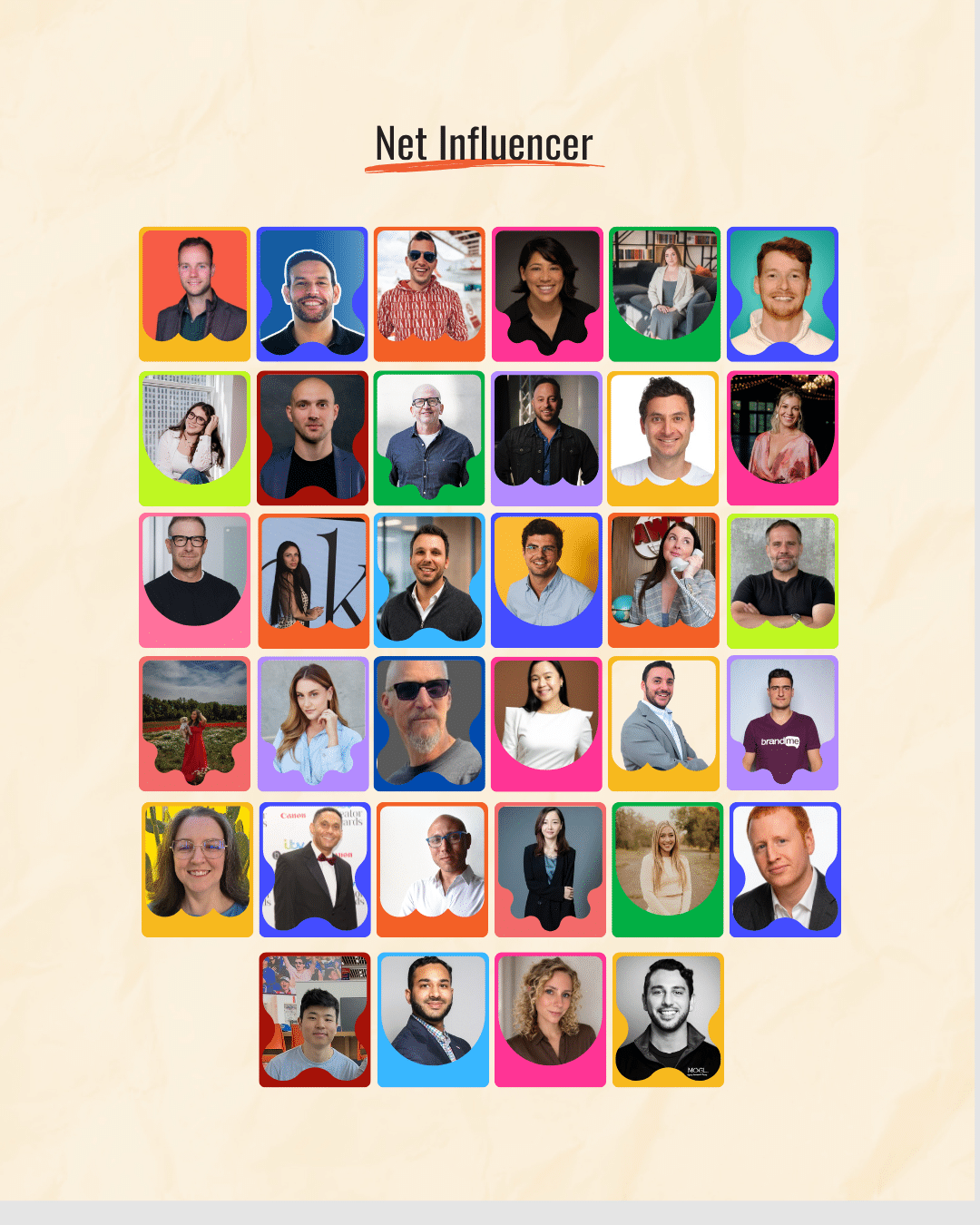
Therefore, we asked 34 professionals, spanning talent management, agency operations, platform leadership, and Creator Economy consulting, to weigh in on the biggest mistake creators make when working with brands.
Selling reach when the brand is buying a business outcome.
Most creator pitches lead with followers, views, and engagement rate. The brand manager on the other side has a number to hit and a boss asking what the spend returned. If you can’t connect your audience to that, you’re a line item that gets cut in the next budget review.
The second one is less glamorous and kills more deals: operations. Late deliverables, missed briefs, no contract clarity, three rounds of revisions that could have been one. Brands renew with creators who make them look organized internally. That’s it. That’s the whole retention mechanic.
And the quiet one: taking every deal that comes. Nothing erodes audience trust faster than a feed that reads like a rotating billboard. The creators with real leverage say no more than they say yes, and brands pay more for that scarcity.
Best creators I’ve worked with think like partners, not talent. They ask what the brand is actually trying to move before they pitch anything.
Ghosting, blown deadlines, and half-read briefs are common mistakes, sure, but the biggest is what creators do to themselves: overlooking the rights and legal side of the business.
Most of these are rooted in seeing and presenting themselves as just individuals looking to shill, thirsty for their next check, instead of up-and-coming media companies building B2B partnerships. Creators must accept reality, step out of their comfort zone, and learn how the game is played.
Unfortunately, many players in the industry leverage the ballooning creator supply and information asymmetry to bamboozle creators. Perpetual usage rights, flat fees covering unlimited amplification (whitelisting), and creators’ faces showing up months later on channels nobody discussed, like newsletters, blog posts, and product pages, would never survive negotiations in traditional media. Still, these constantly slide through in contracts.
These mistakes could fly under the radar when the industry was young. Now the battleground for attention is brutal, with zero barriers to entry, and as legacy media and the Creator Economy converge, professional standards and skills must follow.
Raw talent for commanding attention isn’t enough for long-term success anymore. Everything compounds, and brands may pick a less talented but more professional creator over a more talented headache.
The biggest mistake creators make is trying to win the deal instead of trying to win the client.
Creators constantly complain that brands treat them like media inventory. But a lot of creators make the exact same mistake in reverse: they treat brands like ATMs.
Every extra Story is a negotiation. Every small revision is a battle. Usage costs more. Exclusivity costs more. A deadline slips because something else came up. They might squeeze another $5,000 out of that campaign, but then wonder why the brand never comes back.
The best creators understand something most people in this industry miss: brands aren’t just buying your audience. They’re buying certainty.
Can I trust you to deliver? Will the content be good? Will you understand what we’re actually trying to accomplish? Are you going to make my life easier or create twelve new problems for my team?
Obviously, creators should protect their value and their audience. I negotiate creators aggressively for a living. But there is a difference between knowing your value and making yourself painful to do business with.
I’ve seen creators leave enormous amounts of money on the table because they optimized for the highest possible fee on Campaign #1 instead of becoming the person the brand wants for Campaigns #2 through #20.
The most valuable creator isn’t always the one with the biggest audience. It’s the one a brand is scared to run the next campaign without.
The biggest mistake creators make is treating the agreement like something only the brand controls.
Creators will negotiate their rate, then accept whatever contract and process comes next. But the terms that cause the biggest problems often aren’t the rate. They’re when the work is considered complete, how many revisions are included, how long a brand has to approve content, and what actually triggers payment.
I’ve seen creators do everything right on their end and still wait months to get paid because the agreement gave the brand plenty of deadlines for the creator, but very few deadlines for itself. A brand partnership is a business relationship, not a favor. Treat the terms with the same seriousness as your rate.
Don’t just ask, “How much am I getting paid?” Ask, “What am I agreeing to, what are they agreeing to, and when does each side have to perform?”
The strongest creator agreements create clear timelines and accountability on both sides.
The biggest mistake creators can make when working with brands is saying yes to the wrong brand. When a creator treats a partnership as a one-off paycheck, they stop asking whether this is a brand they’d want to work with again. The signs show up early – a brand won’t accept redlines, they won’t move on fee or scope to make the offer work for both sides, they lock you into a year of category exclusivity, or won’t share campaign goals and KPIs so you can’t measure what success looks like. That’s not a brand looking for a partner, it’s one looking for a creator to check a box. Fit matters just as much. If a brand won’t give you creative freedom, or the product isn’t a match for your audience, you already know the content will underperform. One paycheck isn’t worth making something you know won’t work. When it’s clear at the offer stage that this won’t become a long-term relationship, the strongest negotiating tool you have is walking away. Good partnerships compound and one brand that renews for years is worth more than six one-offs. Every one of those renewals starts with a creator who was selective up front.
[The biggest mistake] creators make is responding to a brand asking, “How much for a collaboration?” with just a figure.
Rather than simply saying $1,000, say: “I can offer different fees depending on the length of the partnership, how the integration falls and what your campaign goals are. Should we grab 15-20 minutes to talk through it?”
You don’t want to waste time if budgets and expectations are miles apart, but that short conversation can turn a one-off piece of work into an ongoing relationship.
Creators lose more brand deals to bad email etiquette than to bad content. A creator who takes a week to respond to a four-figure brief signals to the brand that they do not operate like a business, a creator who ghosts mid-negotiation, sends one-line replies to detailed briefs, or misses follow-ups after a campaign ends will not get booked again – no matter how strong their audience is. Brands are not choosing creators based on follower count anymore, they are choosing based on who is easy to work with, who responds like a professional, and who treats the relationship [seriously] because of the potential beyond the initial brand deal. The creators who will continue to scale will be those who reply within 24 hours, negotiate cleanly, and follow up after delivery.
The biggest mistake creators make is not understanding the economics behind brand deals.
That leads to three other problems.
First, they treat a brand offer like a blessing from above. They underestimate their leverage, discount themselves too quickly, and negotiate without understanding how the deal is structured or what their personal brand is actually worth.
Second, they follow the negotiation instead of shaping it. The goal becomes “get this integration” rather than: how do we turn this into multiple touchpoints across several platforms, and eventually a long-term partnership?
Third, they underestimate the importance of reporting back. Brands should clearly see: this post got X views, Y engagement, these comments, this audience response. Share the analytics openly and consistently – even when the brand doesn’t ask.
A good brand deal shouldn’t end when the content goes live.
Creators who understand the economics, actively shape the partnership, and consistently demonstrate results have a much better chance of turning a one-off integration into a relationship that lasts for years.
The biggest mistake creators make is treating every brand partnership like an awareness play, even when the brand is chasing sales.
Awareness work can succeed on strong content alone. Ecommerce is different. Posting is maybe a third of the job. The rest is judgment: Is this product actually right for my audience? Is there a real reason to click today? Where does that link land, in the app or on a dead-end mobile page? Can the brand track what the post drove?
The best ecommerce creators treat the post as the start, not the finish. They ask what the brand wants the audience to do, then say something when the offer, creative direction, or checkout flow is going to get in the way. A tap that lands on a homepage instead of the product page can quietly break an otherwise strong post.
Brands own part of this. Be specific about whether the goal is awareness, engagement, traffic, or sales, especially with influencers who are new to ecommerce. That does not mean creators need a media plan. Creators who understand the goal, and know how to hit it, are the ones brands hire again.
They understand the algorithm that gets them followers better than the technology that gets them paid. Creators spend hundreds of hours reverse-engineering TikTok, Instagram and YouTube. They obsess over hooks, watch time, posting cadence and whatever the algo supposedly wants this week.
Meanwhile, many have absolutely no idea how the brands writing their checks actually find them. Increasingly, you’re not being discovered because someone stumbled upon you in the feed. You’re being searched for. They’re looking for “Nebraska (or Midwest) fitness creator, male 25-35 audience, uses #fitnesscreator, often posts 2-3x per week, and doesn’t work with brand X, brand Y, and/or brand Z.”
Creator marketplaces, discovery tools, audience data and AI are increasingly determining who even makes that first cut. Optimizing your profile page for search results and taking marketplace data inputs seriously are easy low-hanging fruit. You can complain that creator marketing is becoming too transactional, too data-driven or too dependent on technology. Fine. But brands are using technology tools to find and discover new talent. Make sure you’re optimized.
I spent 4+ years at LinkedIn watching creators do a complete personality wipe the second a brand sent an invoice.
They spend years building real trust with their audience. They develop a sharp point of view, share honest mistakes, and build a following that actually listens to them.
Then a B2B brand sponsors a post, and they suddenly start speaking fluent PR. They swap their natural voice for sanitized product bullets, safe adjectives, and a script that looks like it went through five rounds of legal approval. The audience smells the transaction immediately.
The moment a creator sounds like the brand’s marketing department, the influence evaporates.
(And usually, the comments section is just three coworkers leaving clapping emojis.)
Creators often assume that the job is finished once they hit “share.” Partnership continues after the post: collecting the data, analyzing, comparing against previous performance, and circling back with thoughts on why and how the content performed well, or why it didn’t. If the content doesn’t land, creators who proactively provide reconciliation and maintain transparency with their brand clients will continue getting rebooked, and ultimately, will sustain longevity in the space.
The biggest mistake creators make is staying quiet early on and deferring to the brand’s creative direction instead of pushing their own. The creator is usually the smartest person in the room on what actually earns attention with their specific audience, that is the entire reason the brand came calling in the first place. That instinct needs to be spoken up and put in writing before the brief locks, not raised after a post underperforms. The partnerships that last are the ones where the brand actually listens to that judgment and builds the campaign around it. Recognize the talent early and you get real traction. Override it and you get a safe post nobody remembers.
One of the biggest mistakes creators make when working with brands is treating a partnership like a one-and-done post. The strongest brand relationships start before the sponsored content ever goes live – by organically introducing the brand to your audience – and continue long after the campaign wraps. When creators genuinely nurture those relationships, their audience is less likely to feel fatigued by the sponsorship, the partnership feels more authentic, and brands are far more likely to come back for a renewal.
The biggest mistake creators make when working with brands is treating a partnership like a one-off delivery, rather than the beginning of a business relationship.
This happens when a deal is accepted based on the fee, without considering fit with the brand or audience; when the brief is skimmed instead of understood; or when deadlines, communication, and feedback are seen as secondary.
From an agency perspective, talent and reach may get someone through the door, but reliability and professionalism determine whether we can recommend them again.
A high-level script is not there to limit creativity. It aligns expectations, minimizes rework, and protects the creator and the brand.
There is a difference between protecting your voice and refusing to adapt. Brands hire creators for their perspective, but a campaign has a business objective. The strongest partners know how to translate that objective into content that feels natural, relevant, and credible to their audience.
Creators who focus only on today’s deliverable may win the deal but lose the relationship.
Authenticity is not doing everything your way; it is preserving your identity while delivering what you agreed to deliver.
The biggest mistake creators make is confusing a brand deal with a brand order.
The moment creators surrender their point of view, they stop being partners and become media placements. They accept briefs that do not fit their audience, repeat claims they would never make organically, and prioritize approval over authenticity.
But a creator’s real product is not content. It is trust.
Brands may be paying for the campaign, but the creator has spent years earning the audience. Protecting that relationship sometimes means challenging the brief, rewriting the message – or walking away entirely.
The strongest creators are not the easiest to manage. They ask hard questions, defend their creative language, and know that short-term revenue is never worth long-term credibility.
A good partnership should not make a creator sound more like a brand. It should make the brand feel more human.
I think it comes down to creators understanding that every partnership is almost like a job interview. This is still a young and growing industry, and a lot of creators think “I have a following, I should just get brand deals” but having an audience doesn’t automatically mean you’re set up for paid ones. The creators who treat each partnership like an actual business relationship are the ones who stand out, sign long-term deals, and ultimately earn more.
That business mindset shows up in the small things: response time, hitting deadlines, communicating like a professional. We’re always telling brands to think long-term about creators – that should go both ways. It also shows up in how a creator handles the work itself. I share briefs as a guideline, not a script, so they can bring their own voice. When content comes back over-produced and scripted, or there’s no real effort, that’s a professionalism gap too. Creators are chosen for their uniqueness and voice, so don’t let it disappear in production.
Bring the thought, the professionalism, and the personality – that’s what turns one deal into ten. And “please” add your location and contact info to your bio, so we can find you.
Pricing yourself by reach. Reach is a number the platform lent you this month, and it can take it back next month. What actually holds up from my seat is the audience that keeps coming back, and almost nobody puts that on the rate card. So they sell the platform’s number, get paid platform rates, and start every negotiation from zero. Sell the other thing. Your repeat viewers, your renewal rate, the people who still show up on a dead week in February. A brand can’t buy that from anyone else, and it’s the first line a lender looks at.
I’ve been a creator and Influencer Marketing professional for 14 years, and I’ve seen creators at their worst (throwing tantrums over minor edits), and at their best (over-delivering exceptional content, being lovely to work with). And I can tell you, without a doubt, the biggest mistake creators make with brands is poor communication.
If a creator doesn’t speak up about a brief with too many requirements, or a product that doesn’t work properly, or that they’re going to miss a due date because of a family thing, they’re not someone we can build a long-term partnership with. If my team has to keep following up because of missed deadlines, if they don’t even have the thought to tell their brand partner their post is going to be late/by how long, they are going to cost my team more hours, more brain space, and just add to everyone’s exhaustion.
Most teams are running 4 or 5 campaigns at once, and each team member can be managing up to 100 creators at a time (often more). Making us chase you around because you don’t know how to communicate or manage your schedule is not going to get you invited back.
The biggest mistake I see creators make is approaching brand partnerships as transactions rather than long-term relationships. The foundation of a partnership is genuine product alignment. Creators should only promote products they like, use, or believe in because audiences are attuned to inauthenticity. If the enthusiasm is forced, the content will feel forced, and both the creator and the brand lose credibility.
The relationship should not end when the deliverables are posted. If a creator genuinely loves the brand, they should nurture that connection. That might mean organically mentioning the product when it naturally fits, engaging with the brand on social media, sharing campaign results, or sending a thoughtful thank-you after the partnership wraps. These actions demonstrate that the creator was invested in the brand beyond just the fee and make future collaborations more likely.
Finally, successful creators understand that authenticity does not mean ignoring the brief. Brands hire creators for their voice, but they also have objectives, required messaging, and creative parameters. The creator’s job is to translate those requirements into content that feels natural, supports the brand’s goals, and resonates with their audience. That combination of alignment, execution, and relationship-building is what turns one campaign into repeat business.
While “authenticity” is an overused term, maintaining it is crucial. The biggest mistake creators make, especially those newer to brand deals, is sacrificing creative control when receiving brand feedback.
Creators know best what resonates with their audience. Aside from essential legal or factual compliance (like FTC guidelines), creators should not blindly accept every creative change requested by a brand. When content strays too far from a creator’s organic style, performance suffers; brands will ultimately blame the creator for poor results, regardless of how many edits they requested.
Creators are ultimately responsible for their content’s quality and performance. Because brands hire creators for their unique voice and established audience trust, it is the creator’s responsibility to ensure sponsored content aligns with their usual organic output.
Be confident and thoughtful when pushing back against feedback that dilutes your brand. Protecting your authenticity leads to higher-performing campaigns, which keeps brand partners coming back.
Creators sometimes approach brand engagements as one-time transactions instead of opening the door to a potential long-term partnership.
After more than a decade of working with over 50,000 Filipino creators, I’ve seen that sheer talent may secure the first campaign, but professionalism earns the next one. From a brand’s perspective, strong content is only part of the value. Reliability, responsiveness, respect for timelines, and a genuine effort to understand the campaign’s business objectives matter just as much.
Creators should communicate early when challenges arise, ask thoughtful questions, and look beyond the immediate deliverable toward how the relationship can grow. This does not mean accepting unfair terms or sacrificing creative integrity. Brands must still provide clear briefs, fair compensation, and respect for the creator’s voice and welfare.
The biggest mistake creators make is treating a partnership as a one-off transaction rather than an opportunity to build a strong, long-term relationship. The best creators take the time to understand the objectives, communicate proactively, meet deadlines, and find ways to bring their own voice and creativity to the work while staying authentic to their audience.
That said, creators can only do that effectively when they have the right context or a sufficiently detailed brief from the brand. Clear information about the campaign’s objectives, key messages, deliverables, and expectations gives creators the foundation to develop content that is true to their voice and aligned with the campaign’s goals.
The biggest mistake creators make when working with brands is treating a partnership like a one-off transaction instead of a relationship.
After working with creators and brands for more than a decade, we’ve seen that talent and reach can get you the first campaign, but professionalism is what gets you the second, third, and tenth. Meeting deadlines, understanding the business objective behind the brief, communicating when something changes, and being open to feedback are just as important as creating great content.
Creators should absolutely protect their voice and authenticity – that’s exactly why brands want to work with them – but a partnership has two sides. The best creators understand how to translate a brand’s objective into content that still feels completely natural to their audience.
The Creator Economy is becoming more professional every year. The creators who understand that they are not just content producers, but long-term business partners, are the ones who will build the most sustainable careers.
Poor communication and failure to meet deadlines are two of the biggest mistakes we see. When a draft submission is delayed without warning or a creator disappears during the review window when it’s time for edits, agencies and brand teams managing a tight timeline are forced into a difficult situation. We all understand that creators are human and life happens. Proactive communication can give an agency the opportunity to shift a timeline or potentially move a creator to a later campaign flight. But when creators completely ghost us, it not only causes them to be removed from the current program but also makes agencies wary of working with them in the future.
I still find that a large number of creators, when working with a brand, will look at a brief, return a concept that ticks the boxes in the brief and for the brand, but doesn’t stay true to their content.
Creators are excited that they have landed a brand deal. They want to please the brand, but with this they often forget the most important thing. Making content that their fan base loves and engages with, and ensuring the content doesn’t look like an AD. Ideally we always try to ensure that, from looking at their social grid, it’s hard to pick out the brand collabs.
Brands: a few lines about what you want out of a collab, key messaging, and that will suffice.
Creators: Incorporate the brand into your content as naturally as possible. Don’t look at it as a brand deal but as a product/service you use/love and are recommending.
The biggest mistake I see from creators is treating a campaign like a transaction rather than a relationship. This is strongly illustrated by a lack of communication. When a creator blows through deadlines, changes the creative without communicating it, or waits until the last second to ask for an extension, they’re not creating a positive experience for the brand or agency. Being reliable, collaborative, and understanding of the process goes a long way. The creators I work with who over-communicate, deliver early or on time, and are proactive about making the collaboration work for both parties, consistently outshine the other creators in whatever campaigns they’re a part of.
The biggest mistake creators make is treating a brand partnership like a one-off transaction rather than a relationship. Delivering what’s in the brief matters, but the creators brands want to work with again are often the ones who think beyond the deliverable – sharing what resonated with their audience, offering performance insights, or bringing ideas for what could work next.
Creators also sometimes underestimate how much brands value responsiveness and clear communication. Missed deadlines or radio silence can create real friction, even when the content itself is great.
The creators we come back to again and again are the ones who approach the partnership with the same level of investment and collaboration that we do.
The biggest mistake creators make is accepting paid campaigns that don’t align with their content or audience. One inauthentic ad can cost more in lost trust than the campaign was worth.
Brands can be messy. The product(s) is not always of the highest quality, the customer service is not always at the level it should be, the consumer experience is not always prioritized as much as it could be, and so on. The trust/partnership between the brand and its creator partners has to be proven/earned and it’s very much a two-way street. Accepting a brand partnership because of the money can be tempting, but putting your name/endorsement on the line in connection with a brand can be devastating with regard to the trust that a creator has built with his/her own audience if proper vetting has not been accounted for. Ultimately, the creator is then encouraging his or her own audience to spend their own money with this brand in one way, shape or form. Accordingly, it is incredibly important to always be thoughtful and intentional before entering a deal – because in certain cases, the creator has a lot more to lose than the brand.
Creators sometimes focus so much on making the content that they miss the partnership side of the opportunity. Brands are looking for creators who understand the campaign’s goal, communicate clearly, and bring ideas that make sense to their audience. The strongest partnerships happen when creators see themselves as collaborators, not just a channel for delivering a post.
One of the biggest mistakes creators can make is not advocating for their creative freedom. Just because a brand provides a script or creative brief doesn’t mean they don’t want the creator’s personality and authentic voice woven into the content. More often than not, brands are happy to give creators creative freedom because they understand that authenticity is what makes content connect.
The biggest mistake creators make is treating brand partnerships like one-off transactions. The best creators understand the brand’s audience, what will resonate with them, and how to create authentic content that drives both engagement and action. Those are the creators brands come back to.
Dragomir is a Serbian freelance blog writer and translator. He is passionate about covering insightful stories and exploring topics such as influencer marketing, the creator economy, technology, business, and cyber fraud.












The question of what brands get wrong in creator partnerships has drawn considerable industry commentary. The reverse has received less attention.
In our previous roundtables, we documented consistent patterns in how brands approach creator relationships: transactional deal structures, over-scripted creative briefs, and a media-inventory mindset that undervalues the audience trust creators have spent years building. The market those partnerships operate within continues to grow. According to CreatorIQ research, creator content now accounts for 44% of paid media creative on average, as brands move creator-produced assets into their broader advertising operations.
Talent agents, brand managers, campaign directors, and agency executives work across both sides of these relationships. That vantage point offers a view of where friction originates, and it does not always point in one direction.
Therefore, we asked 34 professionals, spanning talent management, agency operations, platform leadership, and Creator Economy consulting, to weigh in on the biggest mistake creators make when working with brands.
Tobias Hoss, Co-Founder, Senior Advisor, 30 Dishes
Selling reach when the brand is buying a business outcome.
Most creator pitches lead with followers, views, and engagement rate. The brand manager on the other side has a number to hit and a boss asking what the spend returned. If you can’t connect your audience to that, you’re a line item that gets cut in the next budget review.
The second one is less glamorous and kills more deals: operations. Late deliverables, missed briefs, no contract clarity, three rounds of revisions that could have been one. Brands renew with creators who make them look organized internally. That’s it. That’s the whole retention mechanic.
And the quiet one: taking every deal that comes. Nothing erodes audience trust faster than a feed that reads like a rotating billboard. The creators with real leverage say no more than they say yes, and brands pay more for that scarcity.
Best creators I’ve worked with think like partners, not talent. They ask what the brand is actually trying to move before they pitch anything.
Daniel Caldas, Founder, Caldas Ecom
Ghosting, blown deadlines, and half-read briefs are common mistakes, sure, but the biggest is what creators do to themselves: overlooking the rights and legal side of the business.
Most of these are rooted in seeing and presenting themselves as just individuals looking to shill, thirsty for their next check, instead of up-and-coming media companies building B2B partnerships. Creators must accept reality, step out of their comfort zone, and learn how the game is played.
Unfortunately, many players in the industry leverage the ballooning creator supply and information asymmetry to bamboozle creators. Perpetual usage rights, flat fees covering unlimited amplification (whitelisting), and creators’ faces showing up months later on channels nobody discussed, like newsletters, blog posts, and product pages, would never survive negotiations in traditional media. Still, these constantly slide through in contracts.
These mistakes could fly under the radar when the industry was young. Now the battleground for attention is brutal, with zero barriers to entry, and as legacy media and the Creator Economy converge, professional standards and skills must follow.
Raw talent for commanding attention isn’t enough for long-term success anymore. Everything compounds, and brands may pick a less talented but more professional creator over a more talented headache.
AB Lieberman, Founder, Clicks Talent
The biggest mistake creators make is trying to win the deal instead of trying to win the client.
Creators constantly complain that brands treat them like media inventory. But a lot of creators make the exact same mistake in reverse: they treat brands like ATMs.
Every extra Story is a negotiation. Every small revision is a battle. Usage costs more. Exclusivity costs more. A deadline slips because something else came up. They might squeeze another $5,000 out of that campaign, but then wonder why the brand never comes back.
The best creators understand something most people in this industry miss: brands aren’t just buying your audience. They’re buying certainty.
Can I trust you to deliver? Will the content be good? Will you understand what we’re actually trying to accomplish? Are you going to make my life easier or create twelve new problems for my team?
Obviously, creators should protect their value and their audience. I negotiate creators aggressively for a living. But there is a difference between knowing your value and making yourself painful to do business with.
I’ve seen creators leave enormous amounts of money on the table because they optimized for the highest possible fee on Campaign #1 instead of becoming the person the brand wants for Campaigns #2 through #20.
The most valuable creator isn’t always the one with the biggest audience. It’s the one a brand is scared to run the next campaign without.
Grace Tabib, Founder & Head of Advocacy, DUPAY
The biggest mistake creators make is treating the agreement like something only the brand controls.
Creators will negotiate their rate, then accept whatever contract and process comes next. But the terms that cause the biggest problems often aren’t the rate. They’re when the work is considered complete, how many revisions are included, how long a brand has to approve content, and what actually triggers payment.
I’ve seen creators do everything right on their end and still wait months to get paid because the agreement gave the brand plenty of deadlines for the creator, but very few deadlines for itself. A brand partnership is a business relationship, not a favor. Treat the terms with the same seriousness as your rate.
Don’t just ask, “How much am I getting paid?” Ask, “What am I agreeing to, what are they agreeing to, and when does each side have to perform?”
The strongest creator agreements create clear timelines and accountability on both sides.
Alyssa Dunn, Talent Manager, Odyssey Entertainment Group
The biggest mistake creators can make when working with brands is saying yes to the wrong brand. When a creator treats a partnership as a one-off paycheck, they stop asking whether this is a brand they’d want to work with again. The signs show up early – a brand won’t accept redlines, they won’t move on fee or scope to make the offer work for both sides, they lock you into a year of category exclusivity, or won’t share campaign goals and KPIs so you can’t measure what success looks like. That’s not a brand looking for a partner, it’s one looking for a creator to check a box. Fit matters just as much. If a brand won’t give you creative freedom, or the product isn’t a match for your audience, you already know the content will underperform. One paycheck isn’t worth making something you know won’t work. When it’s clear at the offer stage that this won’t become a long-term relationship, the strongest negotiating tool you have is walking away. Good partnerships compound and one brand that renews for years is worth more than six one-offs. Every one of those renewals starts with a creator who was selective up front.
Jake Kitchiner, Co-founder, ChannelCrawler
[The biggest mistake] creators make is responding to a brand asking, “How much for a collaboration?” with just a figure.
Rather than simply saying $1,000, say: “I can offer different fees depending on the length of the partnership, how the integration falls and what your campaign goals are. Should we grab 15-20 minutes to talk through it?”
You don’t want to waste time if budgets and expectations are miles apart, but that short conversation can turn a one-off piece of work into an ongoing relationship.
Gigi Robinson, Founder, Hosts of Influence®
Creators lose more brand deals to bad email etiquette than to bad content. A creator who takes a week to respond to a four-figure brief signals to the brand that they do not operate like a business, a creator who ghosts mid-negotiation, sends one-line replies to detailed briefs, or misses follow-ups after a campaign ends will not get booked again – no matter how strong their audience is. Brands are not choosing creators based on follower count anymore, they are choosing based on who is easy to work with, who responds like a professional, and who treats the relationship [seriously] because of the potential beyond the initial brand deal. The creators who will continue to scale will be those who reply within 24 hours, negotiate cleanly, and follow up after delivery.
Andrii Salii, Audiovisual Producer, MIA Studio
The biggest mistake creators make is not understanding the economics behind brand deals.
That leads to three other problems.
First, they treat a brand offer like a blessing from above. They underestimate their leverage, discount themselves too quickly, and negotiate without understanding how the deal is structured or what their personal brand is actually worth.
Second, they follow the negotiation instead of shaping it. The goal becomes “get this integration” rather than: how do we turn this into multiple touchpoints across several platforms, and eventually a long-term partnership?
Third, they underestimate the importance of reporting back. Brands should clearly see: this post got X views, Y engagement, these comments, this audience response. Share the analytics openly and consistently – even when the brand doesn’t ask.
A good brand deal shouldn’t end when the content goes live.
Creators who understand the economics, actively shape the partnership, and consistently demonstrate results have a much better chance of turning a one-off integration into a relationship that lasts for years.
Scott Allan, Chief Marketing & Solutions Officer, URLgenius
The biggest mistake creators make is treating every brand partnership like an awareness play, even when the brand is chasing sales.
Awareness work can succeed on strong content alone. Ecommerce is different. Posting is maybe a third of the job. The rest is judgment: Is this product actually right for my audience? Is there a real reason to click today? Where does that link land, in the app or on a dead-end mobile page? Can the brand track what the post drove?
The best ecommerce creators treat the post as the start, not the finish. They ask what the brand wants the audience to do, then say something when the offer, creative direction, or checkout flow is going to get in the way. A tap that lands on a homepage instead of the product page can quietly break an otherwise strong post.
Brands own part of this. Be specific about whether the goal is awareness, engagement, traffic, or sales, especially with influencers who are new to ecommerce. That does not mean creators need a media plan. Creators who understand the goal, and know how to hit it, are the ones brands hire again.
Johnny Cloherty, Co-Founder & CEO, Genni
They understand the algorithm that gets them followers better than the technology that gets them paid. Creators spend hundreds of hours reverse-engineering TikTok, Instagram and YouTube. They obsess over hooks, watch time, posting cadence and whatever the algo supposedly wants this week.
Meanwhile, many have absolutely no idea how the brands writing their checks actually find them. Increasingly, you’re not being discovered because someone stumbled upon you in the feed. You’re being searched for. They’re looking for “Nebraska (or Midwest) fitness creator, male 25-35 audience, uses #fitnesscreator, often posts 2-3x per week, and doesn’t work with brand X, brand Y, and/or brand Z.”
Creator marketplaces, discovery tools, audience data and AI are increasingly determining who even makes that first cut. Optimizing your profile page for search results and taking marketplace data inputs seriously are easy low-hanging fruit. You can complain that creator marketing is becoming too transactional, too data-driven or too dependent on technology. Fine. But brands are using technology tools to find and discover new talent. Make sure you’re optimized.
Dani Markovits, CCO, Shake Content
I spent 4+ years at LinkedIn watching creators do a complete personality wipe the second a brand sent an invoice.
They spend years building real trust with their audience. They develop a sharp point of view, share honest mistakes, and build a following that actually listens to them.
Then a B2B brand sponsors a post, and they suddenly start speaking fluent PR. They swap their natural voice for sanitized product bullets, safe adjectives, and a script that looks like it went through five rounds of legal approval. The audience smells the transaction immediately.
The moment a creator sounds like the brand’s marketing department, the influence evaporates.
(And usually, the comments section is just three coworkers leaving clapping emojis.)
Cayden Duffy, Talent Manager, Illuminate Social
Creators often assume that the job is finished once they hit “share.” Partnership continues after the post: collecting the data, analyzing, comparing against previous performance, and circling back with thoughts on why and how the content performed well, or why it didn’t. If the content doesn’t land, creators who proactively provide reconciliation and maintain transparency with their brand clients will continue getting rebooked, and ultimately, will sustain longevity in the space.
Jeremy Barnett, Co-Founder & CEO, Rad Intel
The biggest mistake creators make is staying quiet early on and deferring to the brand’s creative direction instead of pushing their own. The creator is usually the smartest person in the room on what actually earns attention with their specific audience, that is the entire reason the brand came calling in the first place. That instinct needs to be spoken up and put in writing before the brief locks, not raised after a post underperforms. The partnerships that last are the ones where the brand actually listens to that judgment and builds the campaign around it. Recognize the talent early and you get real traction. Override it and you get a safe post nobody remembers.
Samantha Zink, Founder & CEO, Zink Talent
One of the biggest mistakes creators make when working with brands is treating a partnership like a one-and-done post. The strongest brand relationships start before the sponsored content ever goes live – by organically introducing the brand to your audience – and continue long after the campaign wraps. When creators genuinely nurture those relationships, their audience is less likely to feel fatigued by the sponsorship, the partnership feels more authentic, and brands are far more likely to come back for a renewal.
Fabio Gonçalves, Director of Talent, Viral Nation
The biggest mistake creators make when working with brands is treating a partnership like a one-off delivery, rather than the beginning of a business relationship.
This happens when a deal is accepted based on the fee, without considering fit with the brand or audience; when the brief is skimmed instead of understood; or when deadlines, communication, and feedback are seen as secondary.
From an agency perspective, talent and reach may get someone through the door, but reliability and professionalism determine whether we can recommend them again.
A high-level script is not there to limit creativity. It aligns expectations, minimizes rework, and protects the creator and the brand.
There is a difference between protecting your voice and refusing to adapt. Brands hire creators for their perspective, but a campaign has a business objective. The strongest partners know how to translate that objective into content that feels natural, relevant, and credible to their audience.
Creators who focus only on today’s deliverable may win the deal but lose the relationship.
Authenticity is not doing everything your way; it is preserving your identity while delivering what you agreed to deliver.
Nicolas Bon, CEO, Clark Influence
The biggest mistake creators make is confusing a brand deal with a brand order.
The moment creators surrender their point of view, they stop being partners and become media placements. They accept briefs that do not fit their audience, repeat claims they would never make organically, and prioritize approval over authenticity.
But a creator’s real product is not content. It is trust.
Brands may be paying for the campaign, but the creator has spent years earning the audience. Protecting that relationship sometimes means challenging the brief, rewriting the message – or walking away entirely.
The strongest creators are not the easiest to manage. They ask hard questions, defend their creative language, and know that short-term revenue is never worth long-term credibility.
A good partnership should not make a creator sound more like a brand. It should make the brand feel more human.
Sabrina Haschak, Creator Economy Consultant, Ambassador Collective Consultancy
I think it comes down to creators understanding that every partnership is almost like a job interview. This is still a young and growing industry, and a lot of creators think “I have a following, I should just get brand deals” but having an audience doesn’t automatically mean you’re set up for paid ones. The creators who treat each partnership like an actual business relationship are the ones who stand out, sign long-term deals, and ultimately earn more.
That business mindset shows up in the small things: response time, hitting deadlines, communicating like a professional. We’re always telling brands to think long-term about creators – that should go both ways. It also shows up in how a creator handles the work itself. I share briefs as a guideline, not a script, so they can bring their own voice. When content comes back over-produced and scripted, or there’s no real effort, that’s a professionalism gap too. Creators are chosen for their uniqueness and voice, so don’t let it disappear in production.
Bring the thought, the professionalism, and the personality – that’s what turns one deal into ten. And “please” add your location and contact info to your bio, so we can find you.
Josh Stein, CEO, Attention Capital
Pricing yourself by reach. Reach is a number the platform lent you this month, and it can take it back next month. What actually holds up from my seat is the audience that keeps coming back, and almost nobody puts that on the rate card. So they sell the platform’s number, get paid platform rates, and start every negotiation from zero. Sell the other thing. Your repeat viewers, your renewal rate, the people who still show up on a dead week in February. A brand can’t buy that from anyone else, and it’s the first line a lender looks at.
Courtney Canfield, Creator and Influencer Marketing Consultant
I’ve been a creator and Influencer Marketing professional for 14 years, and I’ve seen creators at their worst (throwing tantrums over minor edits), and at their best (over-delivering exceptional content, being lovely to work with). And I can tell you, without a doubt, the biggest mistake creators make with brands is poor communication.
If a creator doesn’t speak up about a brief with too many requirements, or a product that doesn’t work properly, or that they’re going to miss a due date because of a family thing, they’re not someone we can build a long-term partnership with. If my team has to keep following up because of missed deadlines, if they don’t even have the thought to tell their brand partner their post is going to be late/by how long, they are going to cost my team more hours, more brain space, and just add to everyone’s exhaustion.
Most teams are running 4 or 5 campaigns at once, and each team member can be managing up to 100 creators at a time (often more). Making us chase you around because you don’t know how to communicate or manage your schedule is not going to get you invited back.
Traci Glieden, Senior Talent Manager, The Digital Dept.
The biggest mistake I see creators make is approaching brand partnerships as transactions rather than long-term relationships. The foundation of a partnership is genuine product alignment. Creators should only promote products they like, use, or believe in because audiences are attuned to inauthenticity. If the enthusiasm is forced, the content will feel forced, and both the creator and the brand lose credibility.
The relationship should not end when the deliverables are posted. If a creator genuinely loves the brand, they should nurture that connection. That might mean organically mentioning the product when it naturally fits, engaging with the brand on social media, sharing campaign results, or sending a thoughtful thank-you after the partnership wraps. These actions demonstrate that the creator was invested in the brand beyond just the fee and make future collaborations more likely.
Finally, successful creators understand that authenticity does not mean ignoring the brief. Brands hire creators for their voice, but they also have objectives, required messaging, and creative parameters. The creator’s job is to translate those requirements into content that feels natural, supports the brand’s goals, and resonates with their audience. That combination of alignment, execution, and relationship-building is what turns one campaign into repeat business.
Keith Pape, CEO, YellowPike Media
While “authenticity” is an overused term, maintaining it is crucial. The biggest mistake creators make, especially those newer to brand deals, is sacrificing creative control when receiving brand feedback.
Creators know best what resonates with their audience. Aside from essential legal or factual compliance (like FTC guidelines), creators should not blindly accept every creative change requested by a brand. When content strays too far from a creator’s organic style, performance suffers; brands will ultimately blame the creator for poor results, regardless of how many edits they requested.
Creators are ultimately responsible for their content’s quality and performance. Because brands hire creators for their unique voice and established audience trust, it is the creator’s responsibility to ensure sponsored content aligns with their usual organic output.
Be confident and thoughtful when pushing back against feedback that dilutes your brand. Protecting your authenticity leads to higher-performing campaigns, which keeps brand partners coming back.
Ace Gapuz, CEO, Blogapalooza Inc.
Creators sometimes approach brand engagements as one-time transactions instead of opening the door to a potential long-term partnership.
After more than a decade of working with over 50,000 Filipino creators, I’ve seen that sheer talent may secure the first campaign, but professionalism earns the next one. From a brand’s perspective, strong content is only part of the value. Reliability, responsiveness, respect for timelines, and a genuine effort to understand the campaign’s business objectives matter just as much.
Creators should communicate early when challenges arise, ask thoughtful questions, and look beyond the immediate deliverable toward how the relationship can grow. This does not mean accepting unfair terms or sacrificing creative integrity. Brands must still provide clear briefs, fair compensation, and respect for the creator’s voice and welfare.
Ismael El-Qudsi, Co-Founder & CEO, SocialPubli
The biggest mistake creators make is treating a partnership as a one-off transaction rather than an opportunity to build a strong, long-term relationship. The best creators take the time to understand the objectives, communicate proactively, meet deadlines, and find ways to bring their own voice and creativity to the work while staying authentic to their audience.
That said, creators can only do that effectively when they have the right context or a sufficiently detailed brief from the brand. Clear information about the campaign’s objectives, key messages, deliverables, and expectations gives creators the foundation to develop content that is true to their voice and aligned with the campaign’s goals.
Gerardo Sordo, CEO & Founder, BrandMe
The biggest mistake creators make when working with brands is treating a partnership like a one-off transaction instead of a relationship.
After working with creators and brands for more than a decade, we’ve seen that talent and reach can get you the first campaign, but professionalism is what gets you the second, third, and tenth. Meeting deadlines, understanding the business objective behind the brief, communicating when something changes, and being open to feedback are just as important as creating great content.
Creators should absolutely protect their voice and authenticity – that’s exactly why brands want to work with them – but a partnership has two sides. The best creators understand how to translate a brand’s objective into content that still feels completely natural to their audience.
The Creator Economy is becoming more professional every year. The creators who understand that they are not just content producers, but long-term business partners, are the ones who will build the most sustainable careers.
Tracie Nall, Director of Strategy, Sway Group
Poor communication and failure to meet deadlines are two of the biggest mistakes we see. When a draft submission is delayed without warning or a creator disappears during the review window when it’s time for edits, agencies and brand teams managing a tight timeline are forced into a difficult situation. We all understand that creators are human and life happens. Proactive communication can give an agency the opportunity to shift a timeline or potentially move a creator to a later campaign flight. But when creators completely ghost us, it not only causes them to be removed from the current program but also makes agencies wary of working with them in the future.
Christopher Henley, Brand & Strategy Manager, Nomis Talent
I still find that a large number of creators, when working with a brand, will look at a brief, return a concept that ticks the boxes in the brief and for the brand, but doesn’t stay true to their content.
Creators are excited that they have landed a brand deal. They want to please the brand, but with this they often forget the most important thing. Making content that their fan base loves and engages with, and ensuring the content doesn’t look like an AD. Ideally we always try to ensure that, from looking at their social grid, it’s hard to pick out the brand collabs.
Brands: a few lines about what you want out of a collab, key messaging, and that will suffice.
Creators: Incorporate the brand into your content as naturally as possible. Don’t look at it as a brand deal but as a product/service you use/love and are recommending.
Eddie Pietzak, Senior VP of Digital, CESD Talent
The biggest mistake I see from creators is treating a campaign like a transaction rather than a relationship. This is strongly illustrated by a lack of communication. When a creator blows through deadlines, changes the creative without communicating it, or waits until the last second to ask for an extension, they’re not creating a positive experience for the brand or agency. Being reliable, collaborative, and understanding of the process goes a long way. The creators I work with who over-communicate, deliver early or on time, and are proactive about making the collaboration work for both parties, consistently outshine the other creators in whatever campaigns they’re a part of.
Lynette Yang, Vice President, BIGO LIVE
The biggest mistake creators make is treating a brand partnership like a one-off transaction rather than a relationship. Delivering what’s in the brief matters, but the creators brands want to work with again are often the ones who think beyond the deliverable – sharing what resonated with their audience, offering performance insights, or bringing ideas for what could work next.
Creators also sometimes underestimate how much brands value responsiveness and clear communication. Missed deadlines or radio silence can create real friction, even when the content itself is great.
The creators we come back to again and again are the ones who approach the partnership with the same level of investment and collaboration that we do.
Sarah Estrada, Co-Founder & COO, The Creator Society
The biggest mistake creators make is accepting paid campaigns that don’t align with their content or audience. One inauthentic ad can cost more in lost trust than the campaign was worth.
Alec Shankman, Founder & CEO, HeartRock Partners
Brands can be messy. The product(s) is not always of the highest quality, the customer service is not always at the level it should be, the consumer experience is not always prioritized as much as it could be, and so on. The trust/partnership between the brand and its creator partners has to be proven/earned and it’s very much a two-way street. Accepting a brand partnership because of the money can be tempting, but putting your name/endorsement on the line in connection with a brand can be devastating with regard to the trust that a creator has built with his/her own audience if proper vetting has not been accounted for. Ultimately, the creator is then encouraging his or her own audience to spend their own money with this brand in one way, shape or form. Accordingly, it is incredibly important to always be thoughtful and intentional before entering a deal – because in certain cases, the creator has a lot more to lose than the brand.
Tristan Rhee, CEO, Launchpoint
Not understanding that every single opportunity you get is an audition for a long-term deal.
If brands like you as a creator, and you genuinely convert for them, brands will continue to work with you for months, years even.
Being easy to work with, timely, and going above and beyond with your content will create 10x the opportunities for you.
Kaushal Kakadia, Partner, Sociallyin
Creators sometimes focus so much on making the content that they miss the partnership side of the opportunity. Brands are looking for creators who understand the campaign’s goal, communicate clearly, and bring ideas that make sense to their audience. The strongest partnerships happen when creators see themselves as collaborators, not just a channel for delivering a post.
Melanie Miller, Talent Associate, Vue Creator Management
One of the biggest mistakes creators can make is not advocating for their creative freedom. Just because a brand provides a script or creative brief doesn’t mean they don’t want the creator’s personality and authentic voice woven into the content. More often than not, brands are happy to give creators creative freedom because they understand that authenticity is what makes content connect.
Ayden Syal, Founder & CEO, MOGL
The biggest mistake creators make is treating brand partnerships like one-off transactions. The best creators understand the brand’s audience, what will resonate with them, and how to create authentic content that drives both engagement and action. Those are the creators brands come back to.
Subscribe to Our Newsletter
Check Out Our Podcast