The study was conducted by the Centre for Analytics and Behavioural Change with support from UNESCO’s Social Media 4 Peace project, which is funded by the European Union. Researchers surveyed 48 content creators nationwide and conducted in-depth interviews with 11 additional creators, examining their motivations, media literacy competencies, ethical practices, and the challenges they face operating within South Africa’s information ecosystem.
Training and Awareness Gaps
The report identifies a wide gap between creators’ influence over public discourse and the formal preparation they have received for that role. Half of respondents reported having no journalism training or background of any kind, and just 10.4% had completed media and information literacy training.
Awareness of the legal and normative frameworks governing online speech was similarly limited. Nearly two-thirds of respondents, 64.6%, reported little or no awareness of international standards on freedom of expression, and 59% said they were unaware of regulations specifically relevant to digital content creation.
Verification and AI Disclosure Practices
The research also examined how creators handle information credibility and disclosure. While many creators expressed confidence in their own ability to assess information, 36% said they do not systematically verify information before sharing it, and 34% said they rely on likes and views as a key indicator of credibility.
Generative AI use is increasingly becoming part of the creation process, the report found, but transparency has not kept pace. Only 33% of creators said they consistently disclose their use of AI to audiences.
Online Harms Widespread
The report’s findings on online harms were among its starkest. Beyond the 75% who reported experiencing or witnessing technology-facilitated gender-based violence, 43% reported identity-based hate speech or harassment, and 72% had experienced or witnessed xenophobia online.
The report frames ethical content creation as a shared responsibility rather than one resting solely with individual creators, noting that platform algorithms, content moderation systems, commercial partnerships, and monetization pressures all shape what content gets produced, amplified, and rewarded.
Creators Want Training and Guidelines
Despite the gaps identified, the report found strong appetite among creators for support. Some 87.5% of respondents said they see value in ethical guidelines or standards, and 87% expressed interest in training on ethics and freedom of expression specifically.
Creators identified practical workshops, peer learning, platform and AI literacy, and more accessible information on legal and regulatory frameworks as priority areas for additional support, according to the report.
Recommendations
The report calls for coordinated action across several fronts: developing media and information literacy programs designed specifically for content creators, providing practical guidance on ethical AI use, establishing peer-learning networks, strengthening support mechanisms for online harms and creator wellbeing, increasing creator participation in platform governance discussions, and improving access to information on relevant legal and regulatory frameworks.
The report is part of UNESCO’s broader “Behind the Screens” research initiative, which the organization describes as an effort to build a global evidence base on digital content creators as part of its mandate to promote media and information literacy and freedom of expression.
In South Africa specifically, UNESCO said it has already provided capacity-building support to 30 digital content creators, focused on digital ethics, countering harmful online content, and collaboration with civil society organizations. The organization has also conducted media and information literacy training for journalists, civil society groups and youth organizations aimed at strengthening responses to gender-based online violence, hate speech and disinformation. The work falls under UNESCO’s Social Media 4 Peace project, funded by the European Union.
Dragomir is a Serbian freelance blog writer and translator. He is passionate about covering insightful stories and exploring topics such as influencer marketing, the creator economy, technology, business, and cyber fraud.




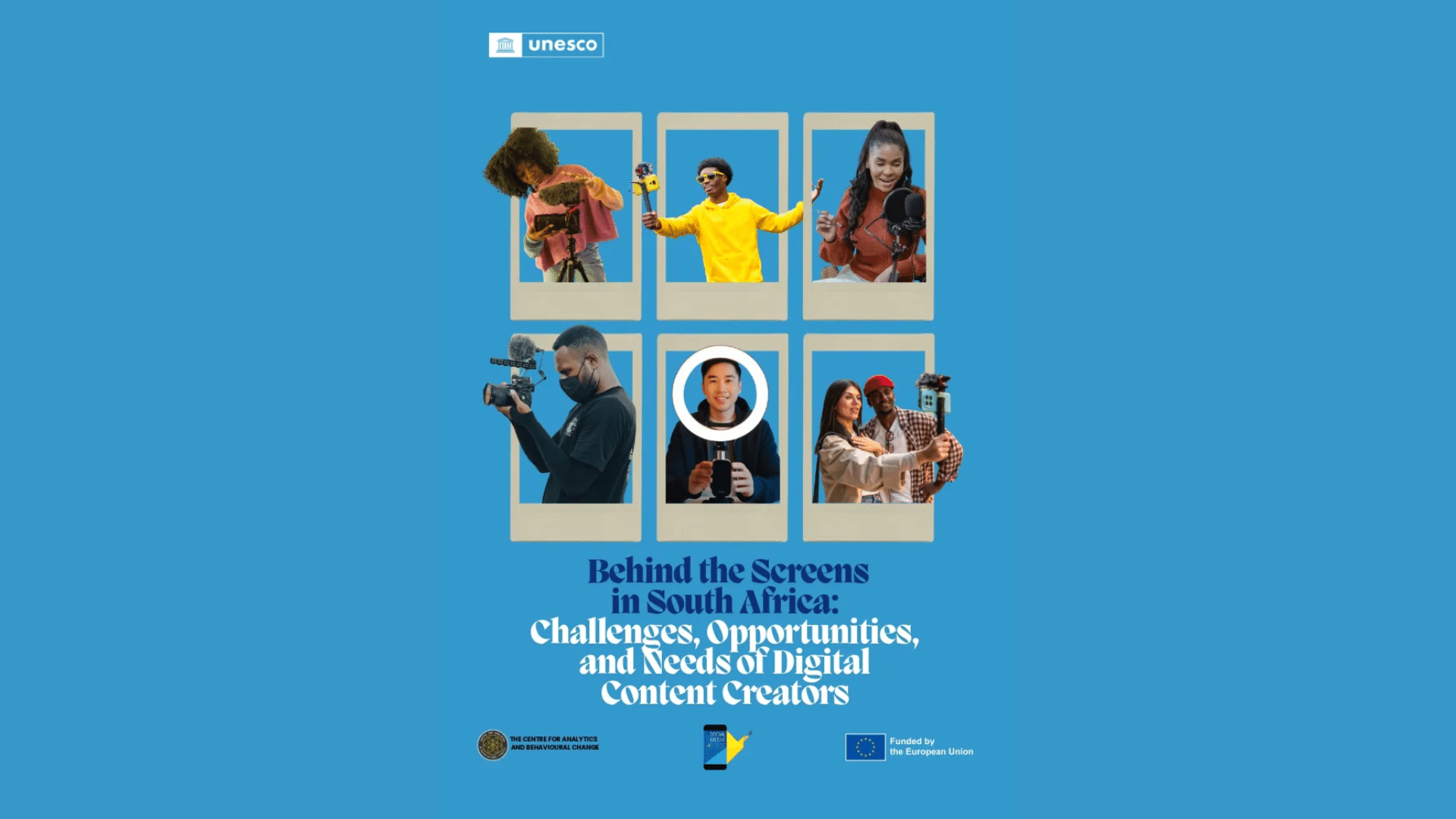







UNESCO has published a new research report, “Behind the Screens in South Africa: Challenges, Opportunities, and Needs of Digital Content Creators,” finding that 75% of surveyed South African content creators reported experiencing or witnessing technology-facilitated gender-based violence. In comparison, only 10.4% had participated in any media and information literacy training.
The study was conducted by the Centre for Analytics and Behavioural Change with support from UNESCO’s Social Media 4 Peace project, which is funded by the European Union. Researchers surveyed 48 content creators nationwide and conducted in-depth interviews with 11 additional creators, examining their motivations, media literacy competencies, ethical practices, and the challenges they face operating within South Africa’s information ecosystem.
Training and Awareness Gaps
The report identifies a wide gap between creators’ influence over public discourse and the formal preparation they have received for that role. Half of respondents reported having no journalism training or background of any kind, and just 10.4% had completed media and information literacy training.
Awareness of the legal and normative frameworks governing online speech was similarly limited. Nearly two-thirds of respondents, 64.6%, reported little or no awareness of international standards on freedom of expression, and 59% said they were unaware of regulations specifically relevant to digital content creation.
Verification and AI Disclosure Practices
The research also examined how creators handle information credibility and disclosure. While many creators expressed confidence in their own ability to assess information, 36% said they do not systematically verify information before sharing it, and 34% said they rely on likes and views as a key indicator of credibility.
Generative AI use is increasingly becoming part of the creation process, the report found, but transparency has not kept pace. Only 33% of creators said they consistently disclose their use of AI to audiences.
Online Harms Widespread
The report’s findings on online harms were among its starkest. Beyond the 75% who reported experiencing or witnessing technology-facilitated gender-based violence, 43% reported identity-based hate speech or harassment, and 72% had experienced or witnessed xenophobia online.
The report frames ethical content creation as a shared responsibility rather than one resting solely with individual creators, noting that platform algorithms, content moderation systems, commercial partnerships, and monetization pressures all shape what content gets produced, amplified, and rewarded.
Creators Want Training and Guidelines
Despite the gaps identified, the report found strong appetite among creators for support. Some 87.5% of respondents said they see value in ethical guidelines or standards, and 87% expressed interest in training on ethics and freedom of expression specifically.
Creators identified practical workshops, peer learning, platform and AI literacy, and more accessible information on legal and regulatory frameworks as priority areas for additional support, according to the report.
Recommendations
The report calls for coordinated action across several fronts: developing media and information literacy programs designed specifically for content creators, providing practical guidance on ethical AI use, establishing peer-learning networks, strengthening support mechanisms for online harms and creator wellbeing, increasing creator participation in platform governance discussions, and improving access to information on relevant legal and regulatory frameworks.
The report is part of UNESCO’s broader “Behind the Screens” research initiative, which the organization describes as an effort to build a global evidence base on digital content creators as part of its mandate to promote media and information literacy and freedom of expression.
In South Africa specifically, UNESCO said it has already provided capacity-building support to 30 digital content creators, focused on digital ethics, countering harmful online content, and collaboration with civil society organizations. The organization has also conducted media and information literacy training for journalists, civil society groups and youth organizations aimed at strengthening responses to gender-based online violence, hate speech and disinformation. The work falls under UNESCO’s Social Media 4 Peace project, funded by the European Union.
Subscribe to Our Newsletter
Check Out Our Podcast