


Influencer
Roller Rabbit and Kit Keenan Built a Clothing Collection Around the Creator’s Point of View

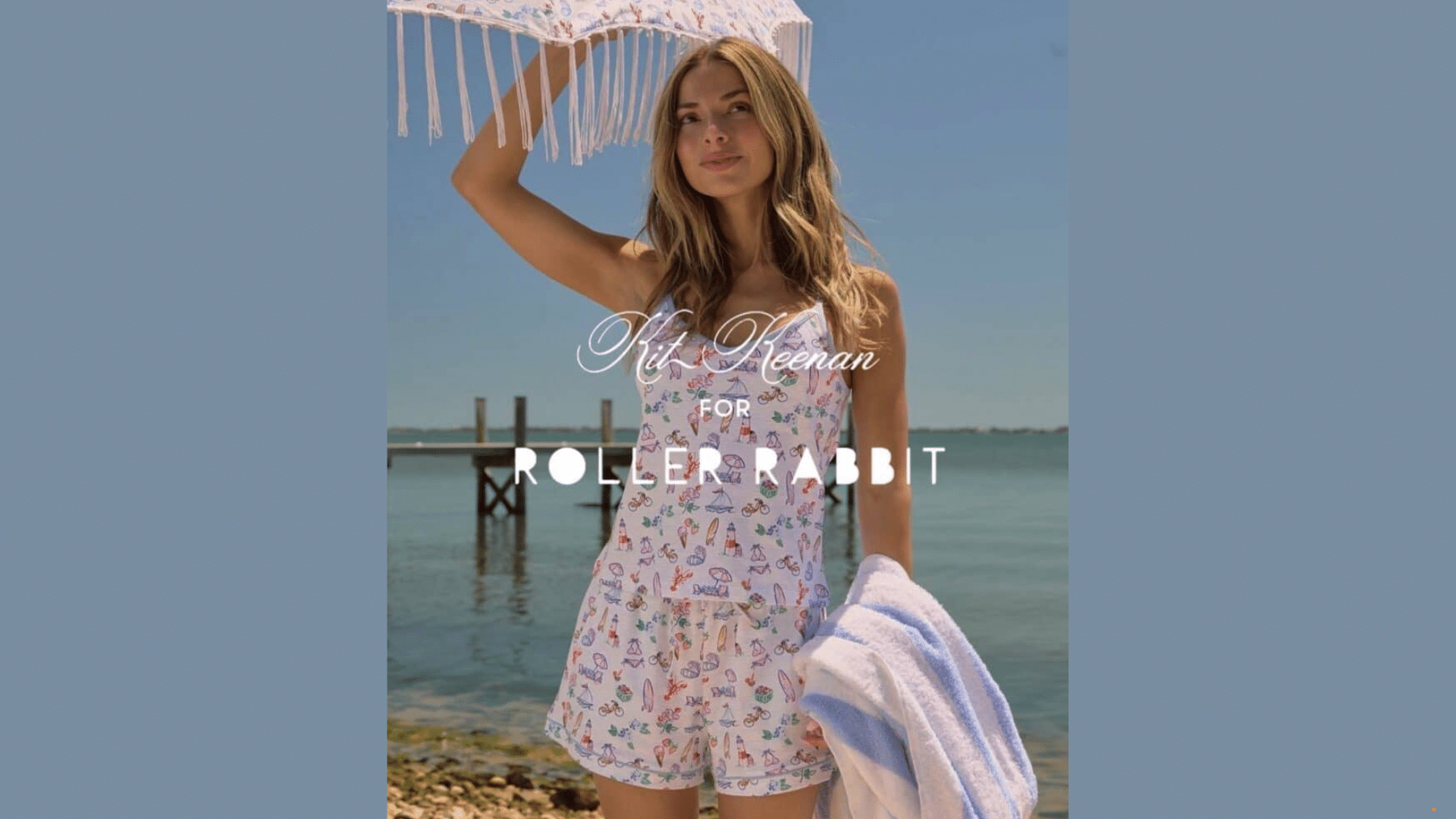
Clothing brand Roller Rabbit’s collaboration with content creator Kit Keenan started at an industry gifting event, not a pitch meeting. When talent management firm Ponte Firm hosted its annual talent summit, Roller Rabbit supplied cosmetic cases to attending talent; Kit kept hers. Two years later, that connection produced a collection built around the creator’s family name and an apron the brand had not included in its standard line.
Kit is a creator and debut cookbook author whose work centers on food, hosting, and lifestyle. She has worked with Shana Davis-Ross, founder and CEO of Ponte Firm, since she was 18 years old. Shana built Ponte in New York and Austin in 2018 after years working across fashion, PR and social media, and structured the firm around a model that places management inside every stage of a client’s deal. “There is no part of this collaboration that we really weren’t involved in,” Shana says.
On Roller Rabbit’s side, Ed Bertouch, who became CEO in 2023 after serving as the brand’s COO and then President, describes the brand’s criteria for creator partnerships in terms of alignment rather than audience size. “Kit already had an inherent connection to the Roller Rabbit world,” he says. “She came to it with a real point of view and a story she wanted to tell.” Kit had grown up wearing Roller Rabbit pajamas, and the Ponte team’s outreach centered on a specific fit of lifestyle, cooking, and color sensibility.
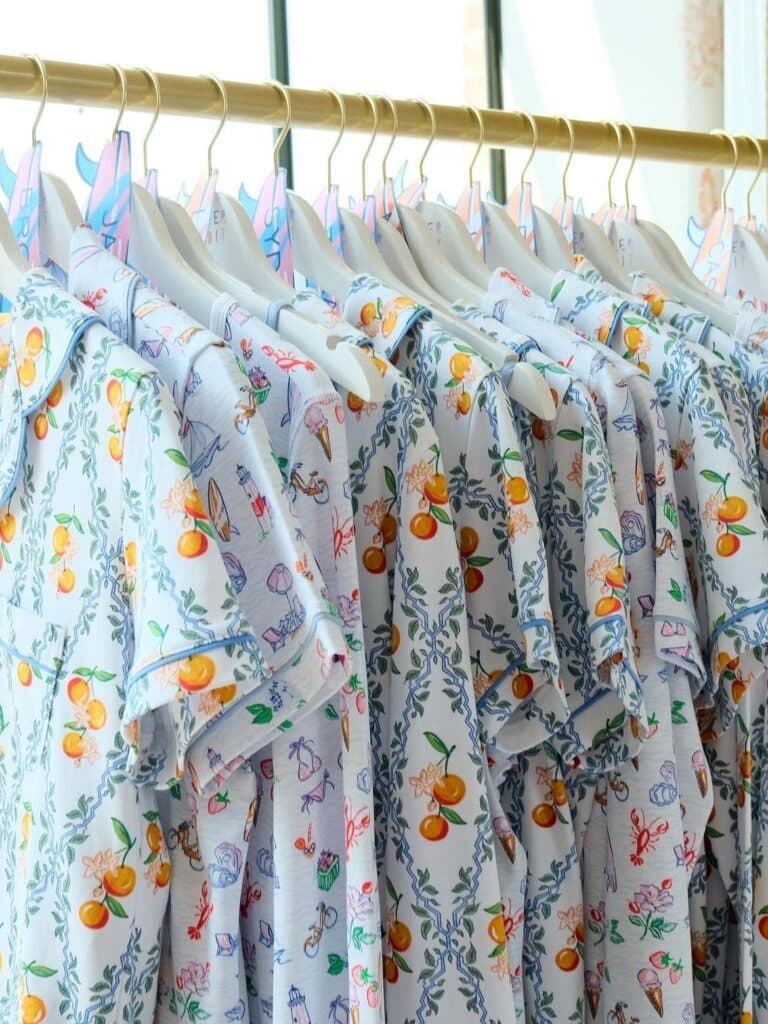
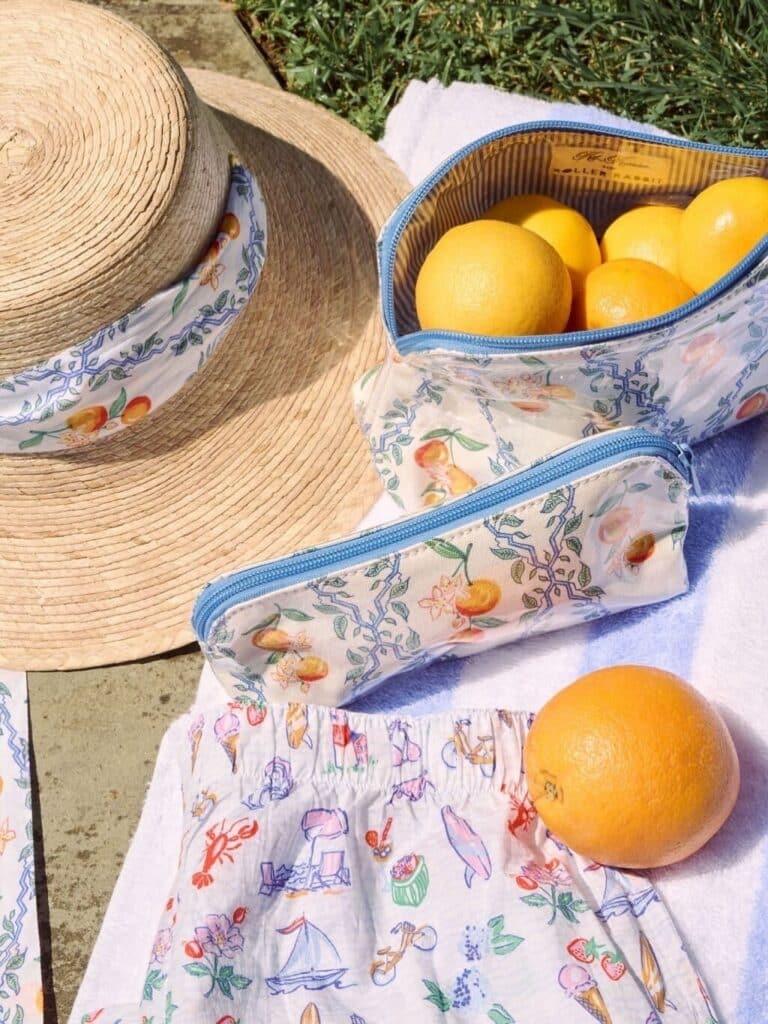
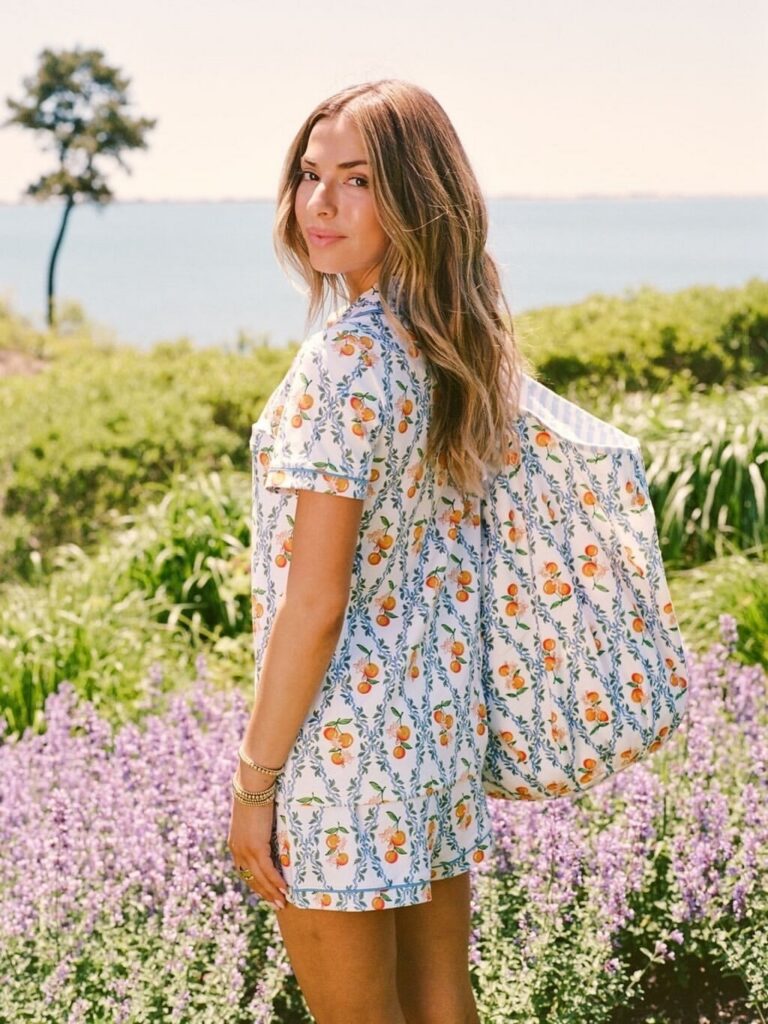
That story included naming a print after three generations of her family: Clementine is Kit’s grandmother’s name, her sister’s name, and her own middle name. Layered into Roller Rabbit’s existing signature trellis motif, the “Clementine Trellis” design was a bet that personal specificity could deepen a product’s commercial appeal. The collection launched June 30 across 14 styles spanning pajamas, playsets, and accessories. The apron quickly sold out.
Roller Rabbit Chose Fit Before Reach
Ed frames Roller Rabbit’s approach to creator partnerships around fit rather than reach. “We’ve always been selective about collaborations because the best ones have to feel natural rather than forced,” he notes.
The question Roller Rabbit applies is whether the result could only exist as that specific pairing. “There was an opportunity to create something that could only really come from Kit and Roller Rabbit together,” Ed says. “And that’s usually the sign of a strong collaboration.”
For Kit and Ponte, the pitch to the brand was grounded in genuine product affinity. Kit was already a customer, and the outreach from Ponte’s team centered on what her cooking and lifestyle focus could contribute to the collaboration, not the audience it could reach.
Two Years, One Apron
From the first Ponte outreach to the June 30 launch, the process ran approximately two years. The opening stage involved selecting existing Roller Rabbit styles Kit already owned and wore, then moving into print development. “We had so many different conversations about what the prints would be and tweaks on those,” Kit says.
Sampling consumed the longest portion of the timeline. “The sampling process can be more back and forth than a print you can just send by email,” Kit notes. “You really want to see how the pieces are fitting and looking in person.” Color refinement extended the process further. “We are obsessive about color,” Ed says, “so that process can also take a lot longer than people may imagine.”
The apron concentrated the creative negotiation into a single item because it was not part of Roller Rabbit’s standard line. Kit pushed for one, and the brand agreed to a smaller production run. “I really wanted that piece because it’s so emblematic of my brand and my love of cooking,” she says. Ed calls it “a great example of how the collaboration brought us into something new while still feeling natural for the brand.”
Personal Specificity as Commercial Asset
Clementine, the name of Kit’s grandmother and sister as well as her own middle name, and a recurring motif in her upcoming cookbook, became the signature print of the Roller Rabbit collaboration, carrying personal origin into a product that strangers would encounter in retail stores with no context.
Ed says Roller Rabbit did not approach that specificity as a brand-fit concern. “The specificity was part of what made it compelling,” he says. “The product still had to stand on its own, but the personal story gave customers another layer to connect with.”
Kit distinguishes between customers who know the Clementine story and those who encounter the product without it. “There are bound to be people who walk into Roller Rabbit stores and have no idea who I am,” she says. “If they’re not looking into that, it’s okay, as long as they have an emotional tie to that item that they’re purchasing.” The collection addressed both audiences.
The Collection as Pre-Order Signal
The June 30 launch date fell inside the six-month pre-order window for Kit’s cookbook, “In Good Taste,” which publishes in November. “Anything we’re doing in the six months between the announcement and the book being available to purchase is all signaling to my audience to pre-order,” Kit says.
The collection’s cooking focus, including the apron and the hosting-centered marketing materials, coordinated with that signal. Shana describes the sequencing as standard to how Ponte builds a client’s annual calendar. “We really sit down and think about the projects we have upcoming and what the timeline is for each,” she explains, “just to make sure that it feels like everything has its moment.”
The result was a physical product for Kit’s audience to purchase before the cookbook arrived, distributed through Roller Rabbit’s existing retail network.
Management That Didn’t Sit Out the Creative
Shana frames Ponte’s role not as deal facilitation but as sustained creative partnership. Her team was present through the style selection, the print ideation, and the marketing build. Kit visited Roller Rabbit’s offices personally to choose materials and contribute to motif development.
“I don’t want to work with brands who see management as a hurdle,” Kit says. “They should be having those conversations with a creator’s management to respect the creator that they’re working with.”
Shana adds, “You have to be able to have their perspective and participation within whatever is created.” The model requires more time and more stakeholders, with that deeper participation designed to produce a more distinctive result.
The Case for the Creator as Author, Not Endorser
Kit draws a line between two forms of creator partnership currently active in the market. In one, the creator is embedded in the design from the first decision. In the other, a brand pre-develops a product and attaches a creator’s name. “Consumers are so smart,” Kit says. “You can immediately tell when that is the case.”
A two-year development timeline, a print named after a grandmother, a product category pushed at the creator’s insistence and executed in a smaller run – these are the results of treating a creator’s personal history as a design brief rather than a marketing channel.
“The best collaborations have a reason to exist beyond audience or reach,” Ed says. “When that alignment is there, specificity can actually make a collaboration more relatable and give customers a stronger reason to care.”
Subscribe to Our Newsletter
Check Out Our Podcast