



Tech
Daisy Thinks Brands Have a Creator Distribution Problem, Not a Content Problem

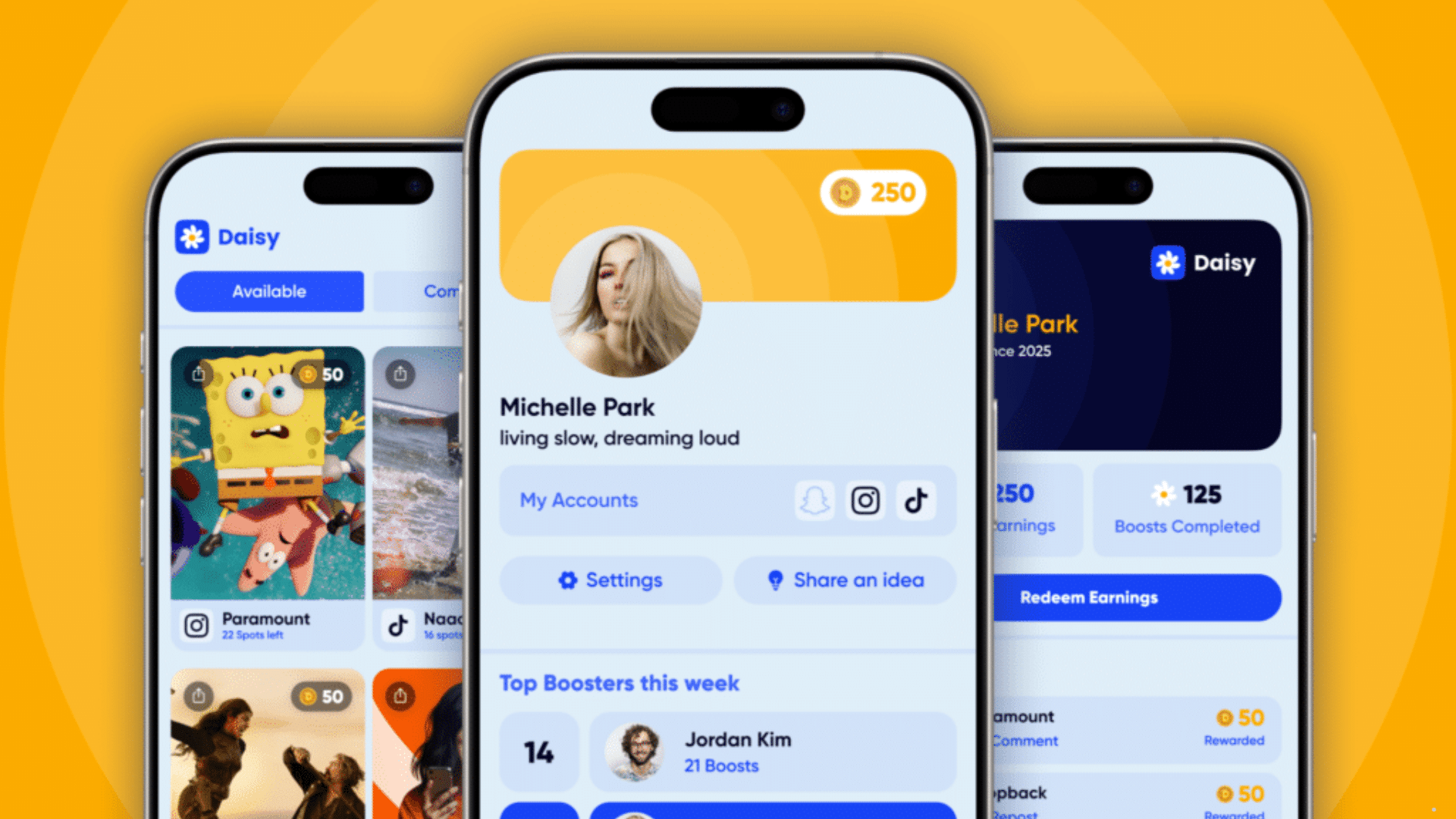
Daisy does not ask creators to make anything. The New York-based startup pays 5,000 creators to share existing brand content to their Instagram, TikTok, and YouTube channels and deposits payment to their bank accounts the same day.
That mechanism grew from a problem Ian Ettinger, Daisy’s co-founder, observed at Whalar: brands running creator campaigns were rebuilding their distribution from scratch each cycle, with no scalable way to amplify existing content.
Ian argues the standard model, however effective at generating content, has a ceiling. “You were capped in terms of how much scale you can run a creator program at,” he says, “because it depends on making content and having a team of people behind you.”
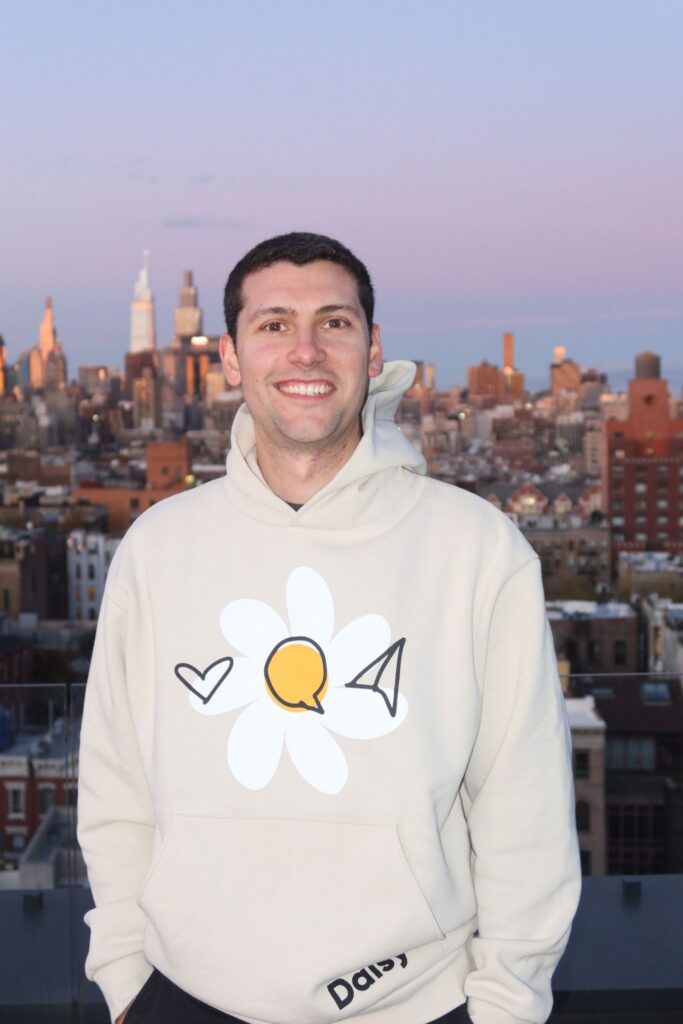
Ian co-founded Daisy with Ray Lee, Vincent Tuscano, and Dylan Huey in July 2024 after spending nearly two years as Director of Product Growth at Whalar and more than four years before that at Tubular Labs. Daisy operates from New York, with hubs in Nashville and Los Angeles, serving movie studios, record labels, and consumer brands.
Content Production Is Capped; Distribution Is Not
The influencer industry’s dominant model commissions a creator, receives an asset, and places it in front of that creator’s audience. Ian’s argument is that the model is constrained by how many creators a brand can brief, how much those creators can produce, and how long the process takes.
Distribution, in his framing, removes that constraint. “When you think about distribution, you’re uncapped,” he says, “because you can work with hundreds, thousands of creators at a moment’s notice if they don’t have to make anything.”
Daisy tested that premise before building any technical infrastructure. In the earliest days, campaigns ran through a shared Google Doc: creators logged in, selected a video, shared it, and were paid via Venmo. A campaign for a record label, involving 50 creators resharing a TikTok dance video tied to an upcoming song, resulted in that video becoming the top dance post for what Ian describes as the song of that summer. That outcome prompted the team to build a scalable platform around the model.
A Campaign That Runs Like a Media Buy
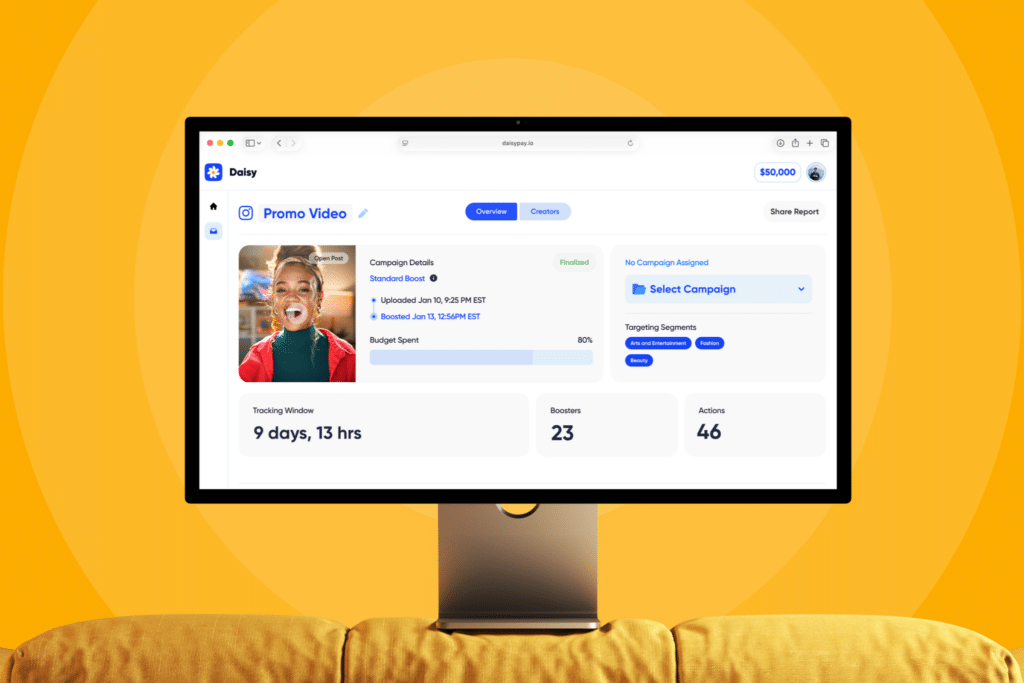
A Daisy campaign today runs through a web-based interface Ian compares to a Meta Ads dashboard. Brands load video assets, set a budget, and define targeting parameters, such as demographic, geographic, or behavioral filters, then launch. The platform matches creators to the content based on posting history, audience demographics, and behavioral data.
Creators who have downloaded Daisy’s mobile app receive a push notification with an invitation to share a specific asset. Those who accept post the content to their Instagram Story, TikTok feed, or YouTube channel; the platform verifies the action and processes payment the same day through a Stripe integration. The creator’s role requires no camera, no copywriting, and no contract negotiation. “They can do it while they’re lying in bed or on an airplane,” Ian says. “We tried to build in a way that fits into their daily life.”
Ian describes a horror film campaign from a major studio that involved more than 20 video assets distributed over three to four weeks across nostalgic fans and newer pop culture audiences. Daisy boosted videos continued growing for 4.6x longer than the studio’s non-boosted videos (over 23 days vs. 5 days), according to Ian, and the boosted content generated more than 100 million incremental views across the campaign period.
5,000 Creators, 1.8-Minute Average Response
Daisy’s network spans creators from 10,000 to 28 million followers. Ian says the average creator on the platform earns $200 to $300 a month; top earners bring in $2,000 to $3,000. Daisy reported paying out more than $2 million to creators since launch.
The detail Ian returns to is response speed. “These are people doing five or six-figure brand deals,” he says, “and yet they respond within two minutes to a Daisy campaign.” He attributes the rate to the product’s design: a push notification that requires no email thread, no brief review, and no production setup.
The contrast with traditional brand deal workflows is something Ian observed at Whalar: a high-value offer sitting in a creator’s inbox can go days unanswered because creators are not email-first.
The platform distinguishes its model from engagement pods by requiring phone number and email verification for all creators and vetting accounts before admission. “There’s a huge distinction between artificial activity from bots or fake accounts and what we’re providing,” Ian says. “They all choose to engage with it because they believe it’s valuable for their audience.”
Where Daisy Fits and Where It Does Not
Ian notes that the platform produces the best results for brands that are already running influencer campaigns and paid media in parallel, have an existing content library, and are familiar with targeting-based buying. “We can just insert ourselves into those advanced teams and accelerate what they’re already doing,” he says.
Brands still building their production process present a different problem. The platform requires content that already exists; it cannot substitute for brands that have not yet established a consistent output. Ian’s advice for a brand marketer running single-asset campaigns is direct: “You don’t have a content problem,” he says, “you have a distribution problem. Focus on getting that asset in front of the right people.”
Layering Distribution Into the Paid Stack
Daisy released a self-serve campaign dashboard earlier this year, allowing brand teams to set up and launch campaigns without involving Daisy’s team. A separate workflow, in early testing with consumer brand clients, is producing results Ian describes as an extension of the core model.
Ian shares that consumer brands have begun bringing user-generated content to the platform, distributing it through Daisy’s creator network once it has reached a few thousand views, then running paid media behind the same asset afterward. He describes this as a three-step sequence: organic distribution through creators, followed by paid amplification on content that has already been socially validated. Early results show approximately 22% lower CPMs and a 40% decrease in cost per click (CPC) relative to paid campaigns without the distribution step, though Ian notes those figures are still being tested across more spend and different client types.
The argument underlying both approaches is the same. “As soon as you stop spending, you stop growing,” Ian says. “It’s like you’re on this trajectory and you hit a brick wall.”
Building Toward a Media Line Item
Daisy is expanding its sales team and is hiring its first marketing lead to build brand-side demand. Recent additions include a YouTube integration launched this month and the self-serve brand dashboard.
Ian’s read is that creator marketing’s maturation is what makes the company’s argument easier to land. A decade of the channel being described as unpredictable or experimental has given way, he argues, to buyers who plan creator programs with the same frameworks they apply to media. “It’s at a point where the people that are used to buying media are becoming more comfortable treating creators in the way that they buy media,” he says.
For Daisy, that shift is the enabling condition. If creator accounts are treated as audience channels, distributing content through them at scale follows the same logic brands already apply to paid and organic. “We’re evolving just past creators as content producers,” Ian says, “and more toward the other ways in which you can work with them.”
Subscribe to Our Newsletter
Check Out Our Podcast